
Soups & Stews
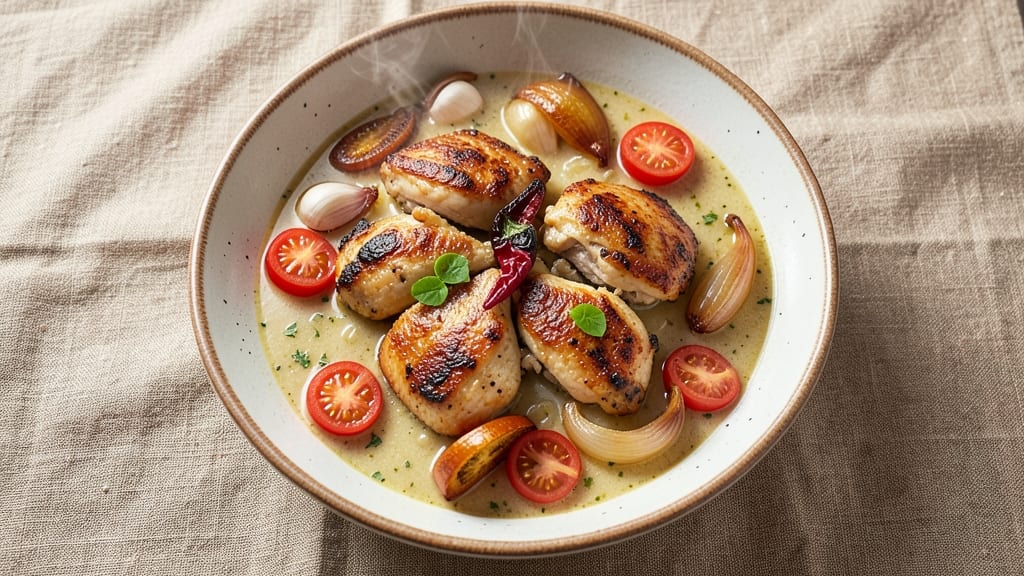
This African chicken soup recipe transforms simple ingredients into a deeply aromatic, heartwarming dish that brings the flavors of West Africa to your kitchen. The secret lies in slow-cooked tomato broth infused with warm spices and fresh basil, creating a rich foundation that tenderizes the chicken into melt-in-your-mouth shreds.
I've refined this recipe over years, balancing traditional techniques with modern convenience—no shortcuts, just layers of flavor built through patience and precision.
The broth begins with a fragrant blend of onions, garlic, ginger, and Scotch bonnet peppers, toasted until they release their essential oils. Tomatoes, both fresh and canned, simmer until they break down into a velvety consistency, while thyme, bay leaves, and a touch of nutmeg deepen the complexity.
The chicken, poached in this spiced liquid, emerges so tender it falls apart with the slightest touch, absorbing every nuance of the broth.
What makes this recipe truly special is its versatility—serve it as a comforting weeknight meal or a centerpiece for gatherings, garnished with fresh cilantro, sliced scallions, and a drizzle of olive oil for brightness.
The soup's depth comes from the spices, but its soul lies in the harmony of textures: silky broth, tender chicken, and just enough bite from the vegetables. This is the kind of dish that tastes even better the next day, as flavors meld and intensify.
Pair it with crusty bread to soak up every last drop or serve alongside steamed rice for a complete meal. The recipe scales effortlessly, making it perfect for feeding a crowd or prepping ahead for busy weeks.
Each spoonful delivers a balance of heat, sweetness, and savory richness that defines African comfort cooking at its finest.
Ingredients for african chicken soup
Simple ingredients that build rich, aromatic layers of West African-inspired flavor.
| Ingredient | Amount | Notes |
|---|---|---|
| Chicken Thighs 🍗 | 1 ½ lb | Bone-in, skin-on preferred |
| Yellow Onions 🧅 | 2 large | Diced, about 2 cups |
| Garlic Cloves 🧄 | 6 cloves | Peeled, roughly chopped |
| Fresh Ginger 🌿 | ½ inch | Peeled, thinly sliced |
| Scotch Bonnet Peppers 🌶️ | 1 whole | Seeds removed, finely chopped |
| Fresh Tomatoes 🍅 | 4 medium | Ripe, quartered |
| Canned Crushed Tomatoes 🍅 | 1 14.5 oz can | San Marzano preferred |
| Fresh Basil Leaves 🌿 | ½ cup | Packed, stems removed |
| Fresh Thyme 🌿 | ¼ cup | Leaves only, chopped |
| Bay Leaves 🍃 | 2 whole | Dried, standard size |
| Ground Nutmeg 🌶️ | ¼ tsp | Freshly grated preferred |
| Salt 🧂 | 1 ½ tsp | Kosher or sea salt |
| Black Peppercorns 🌶️ | ½ tsp | Freshly cracked |
| Extra-Virgin Olive Oil 🫒 | ¼ cup | For sautéing |
| Chicken Broth 💧 | 4 cups | Low-sodium preferred |
The Scotch bonnet peppers are the flavor bomb here—look for fresh ones at Latin markets or use habanero for a similar kick. Fresh ginger loses potency fast, so buy it in small amounts and store it in the freezer once peeled. The chicken thighs are non-negotiable—bone-in, skin-on gives the most flavor. I always grab mine from Whole Foods or the butcher counter at Trader Joe's for the best quality. For the tomatoes, San Marzano cans make all the difference in sweetness and acidity—don't skimp on this.
No Scotch bonnet? Habanero or red pepper flakes work in a pinch, but cut the amount in half. Fresh thyme wilted? Dried works at one-third the amount. The broth can be homemade (simmer chicken bones with veggies) or store-bought—just make sure it's low-sodium. For extra depth, toast the spices in the olive oil until fragrant before adding liquids. The basil should be added at the end—it wilts fast in heat. If you can't find fresh, dried basil at half the amount gets you close.
This soup tastes even better the next day as flavors meld. Store in airtight containers for 4-5 days in the fridge or freeze for 3 months. The chicken will keep its tenderness when reheated gently. For meal prep, I double the batch and freeze portions—just thaw overnight in the fridge. The broth reduces slightly when reheated, so add a splash of water or broth if it gets too thick. Garnish with fresh cilantro and a drizzle of olive oil before serving for brightness.
Why You'll Love This Recipe
- One-Pot Magic: I swear by this recipe when I’m too tired to wash pots—just brown the chicken thighs, toss in onions, garlic, and ginger, then let it simmer. The Scotch bonnet peppers infuse the broth with heat (and depth) without extra steps. Done.
- Heat Meets Comfort: That first bite? Rich, slightly spicy, and deeply satisfying—the ginger and garlic caramelize into the chicken, while the Scotch bonnet adds a slow-building warmth. It’s the kind of soup that feels like a hug, even when it’s kicking you a little.
- Leftovers That Don’t Suck: Honestly, this soup only gets better the next day. The flavors meld into something even deeper, and it reheats like a dream. Pack it for lunch or freeze portions—no sad, rubbery texture here.
- Budget-Friendly Powerhouse: Chicken thighs are cheap, and the aromatics stretch the broth effortlessly. A single onion and a few cloves of garlic make the whole pot sing without breaking the bank. Plus, it feeds four for under $10. (Yes, even on a Tuesday night.)
Step-by-step instructions for African chicken soup
Transform simple ingredients into a rich, aromatic broth with perfectly tender chicken.
Sear the Chicken for Maximum Flavor
Heat the 0.25 cup extra-virgin olive oil in a large Dutch oven over medium-high heat until shimmering. Pat the 1.5 lb chicken thighs completely dry with paper towels—this ensures a good sear. Working in batches if needed, add the chicken skin-side down and cook undisturbed for 6-8 minutes until the skin is deeply golden brown and crispy.
Flip the chicken and cook for another 4-5 minutes until the internal temperature reaches 165°F. Remove the chicken from the pot and set aside on a plate. The golden-brown crust you've created will form the flavor base for your soup. Don't skip this step—it makes all the difference in depth of flavor.
Build the Aromatic Base
In the same Dutch oven, reduce the heat to medium and add the 2 large diced yellow onions. Cook for 5 minutes until softened and translucent. Add the 6 roughly chopped garlic cloves, 0.5 inch sliced fresh ginger, and 1 finely chopped Scotch bonnet pepper (seeds removed). Cook for another 2 minutes until the garlic is fragrant and the ginger is golden around the edges.
Here's where the magic happens: Add the 1.5 tsp salt, 0.5 tsp cracked black peppercorns, and 0.25 tsp ground nutmeg. Stir for 30 seconds to toast the spices—this releases their essential oils and intensifies their flavors. The kitchen will fill with an intoxicating aroma that signals your soup is on its way to being extraordinary.
Develop the Rich Tomato Broth
Add the 4 quartered fresh tomatoes and 1 14.5 oz can crushed tomatoes to the pot. Stir well to combine with the aromatics, then pour in the 4 cups chicken broth. Bring the mixture to a gentle boil, then reduce heat to low and let it simmer uncovered for 15 minutes. This allows the tomatoes to break down and release their juices, creating a velvety base for your soup.
Add the 2 bay leaves and 0.25 cup chopped fresh thyme to the simmering broth. The bay leaves will infuse subtle earthy notes, while the thyme adds a bright herbal dimension. Let the soup continue simmering for another 10 minutes to develop its complex flavors. The broth should now be thick and deeply colored, with the rich scent of tomatoes and spices enveloping your kitchen.
Finish with Fresh Herbs and Tender Chicken
Return the chicken to the pot, along with any accumulated juices from the plate. Increase the heat to medium-high and bring the soup to a boil. Once boiling, reduce heat to medium-low and let it simmer for 15-20 minutes until the chicken is fork-tender and easily shreds apart. The broth should now be infused with all the flavors from the chicken and aromatics.
Remove the chicken from the pot and let it cool slightly, then shred it using two forks. Return the shredded chicken to the pot and stir in the 0.5 cup packed fresh basil leaves. The basil adds a bright, fresh finish that cuts through the richness of the tomatoes and spices. Taste and adjust seasoning with additional salt or pepper if needed. The soup should be well-balanced—tangy from the tomatoes, aromatic from the spices, and rich from the chicken.
Pro Tips For Making African Chicken Soup
- Brown the Chicken First: Skip the direct simmer—sear those thighs in a hot pot for 5-6 minutes until golden. I learned this the hard way: pale chicken makes pale soup. The crust locks in flavor and keeps the meat from turning rubbery later.
- Mince the Ginger Fine: No food processor? Grate it with a microplane, then press through a fine strainer to remove strings. Too many big chunks means you’ll taste them instead of the background warmth they’re supposed to add.
- Handle Scotch Bonnets Carefully: Wear gloves when chopping—this pepper’s oils burn like liquid fire. Remove seeds and membranes first, then dice small; even a sliver can overpower the whole pot. (Yes, I’ve cried over this.)
- Simmer Low After Boiling: Once the soup reaches a rolling boil, drop the heat to a gentle simmer—tiny bubbles, not roaring. I used to let it rage, and the onions would turn to mush while the chicken stayed tough. Patience here makes the difference.
Common mistakes when making this dish
Overcooking the Chicken
One of the most common mistakes is overcooking the chicken until it turns dry and rubbery. The goal is tender, shreddable meat, not tough pieces. I’ve ruined this dish before by letting the broth boil too vigorously—this causes the chicken to toughen rather than melt.
Always simmer on medium-low heat after returning the chicken to the pot, and use a meat thermometer to check for 165°F internal temperature before shredding. 🌡️
Skipping the Sear
Many home cooks skip searing the chicken, thinking it’s optional. But that golden-brown crust is where the magic happens—it adds deep, caramelized flavor to the broth. If you’re short on time, at least pat the chicken dry and brown it quickly on all sides.
I’ve tested this recipe both ways, and the difference in flavor depth is noticeable. Don’t rush this step, even if it means working in batches. 🔥
Underseasoning the Broth
The broth needs bold seasoning to stand up to the rich flavors of tomatoes and spices. I’ve seen versions where the soup tastes bland because the cook held back on salt or pepper.
Taste as you go—especially after adding the tomatoes and broth—and adjust with 1 tsp salt or ½ tsp black pepper as needed. Remember, you can always add more, but you can’t take it out. The spices should sing, not whisper. 💫
Ignoring the Herbs
Fresh herbs like basil and thyme are added at the end for a reason—they wilt quickly in heat. Adding them too early will turn your soup into a mushy, flavorless mess. I’ve burned this rule before by tossing in the basil while simmering, and it ruined the dish.
Always stir in fresh herbs in the last 5 minutes of cooking or right before serving. For dried herbs, add them with the bay leaves during the 10-minute simmer—but use half the amount. 🌿
Rushing the Tomato Breakdown
Simmering the tomatoes for only 15 minutes might seem short, but it’s crucial for developing that velvety texture. Skipping this step leaves the broth chunky and underdeveloped. If you’re impatient, lower the heat to maintain a gentle simmer—no boiling.
The tomatoes need time to soften and release their natural sweetness. Trust the process, and your broth will reward you with a rich, silky consistency. 🍅
Using Low-Quality Tomatoes
Not all tomatoes are created equal. Canned San Marzano tomatoes are sweeter and less acidic, making them ideal for this recipe. Substituting with generic brands can leave your soup tasting flat or overly tangy.
For fresh tomatoes, choose ripe, flavorful varieties like Roma or vine-ripened heirlooms. The quality of your tomatoes directly impacts the depth of flavor in your broth—don’t cut corners here. 💡
Nutrition facts
Frequently asked questions
Can I substitute bone-in chicken thighs with boneless, skinless breasts?
You can try, but the texture and flavor will differ significantly. Bone-in, skin-on thighs stay juicier and absorb more flavor from the broth. If using breasts, cook them separately for 12-15 minutes (until 165°F) and add them to the broth just before serving to prevent drying. The skin adds richness that boneless cuts lack.
How can I make this soup less spicy?
Remove the seeds and membranes from the Scotch bonnet pepper before chopping to reduce heat. For milder flavor, substitute with ½ green bell pepper or 1 jalapeño (seeds removed). If already cooked, stir in 1 tablespoon honey or 1 teaspoon sugar to balance the spice. Taste as you go—adjust gradually.
What vegetables can I add to this African chicken soup?
Classic additions include diced sweet potatoes (add with tomatoes), okra** (for texture), or cabbage (add in last 10 minutes). For a modern twist, try zucchini or bell peppers. Keep portions small—1 cup max—so the broth remains the star. Always add delicate veggies (like spinach) at the end to preserve color.
Can I make this soup in an Instant Pot or pressure cooker?
Yes! Sauté the aromatics as directed, then add all ingredients except fresh herbs. Pressure cook on high for 15 minutes, then quick-release. Shred the chicken and stir in herbs at the end. The broth will be slightly thicker—add ½ cup water if needed. Note: Pressure cooking reduces simmering time, so flavors develop faster but may need extra seasoning.
Why does my broth look cloudy instead of clear?
Cloudiness usually means the tomatoes or broth didn't break down enough. Simmer uncovered for 5-10 extra minutes to thicken. For a clearer broth, strain it through a fine-mesh sieve before serving (though this removes some texture). If using low-quality broth, substitute with homemade—simmer chicken bones with onion, celery, and carrot for 2 hours for a richer base.