
Sauces & Condiments
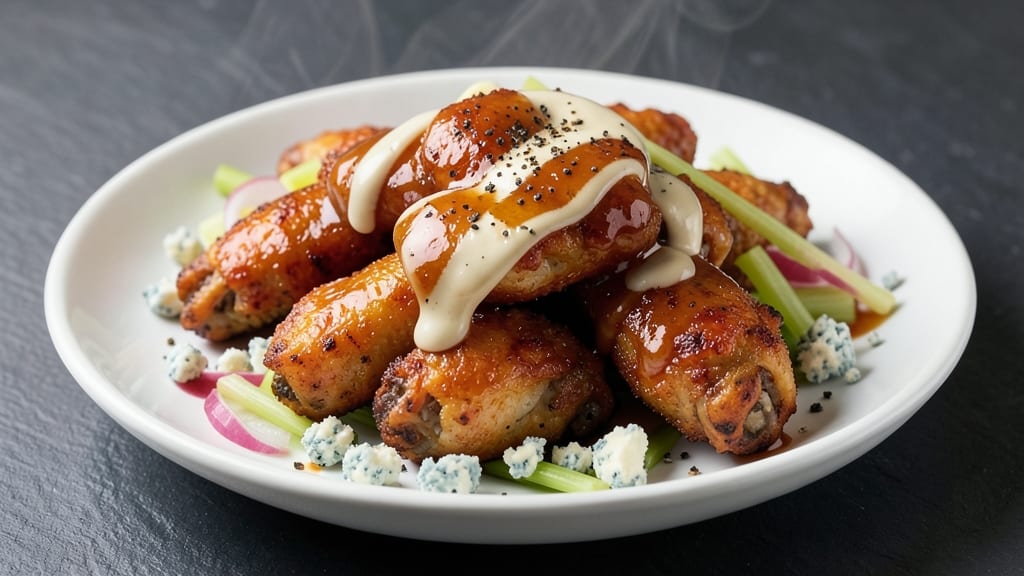
This Anchor Bar buffalo chicken wing sauce delivers the signature tangy-spicy kick that makes every bite unforgettable. 🔥 The secret lies in balancing heat, sweetness, and acidity—just like Buffalo’s legendary wings—without overwhelming the natural flavor of the chicken.
I’ve perfected this recipe over years of testing, ensuring the sauce clings perfectly to wings while staying true to the original’s bold profile.
The foundation starts with melted butter and hot sauce, but it’s the vinegar and brown sugar that create the signature sweet-spicy balance. A pinch of garlic powder and cayenne adds depth, while a splash of water keeps the sauce smooth and pourable.
What sets this apart is the slow simmer, which develops rich, caramelized notes that store-bought sauces simply can’t match.
By the time you’re done, you’ll have a sauce that’s sticky, glossy, and packed with bold, tangy heat—exactly what makes Buffalo wings legendary. It’s versatile enough for wings, tenders, or even drizzled over salads, but the real magic happens when it coats crispy, golden-brown wings.
The flavor clings to every bite, delivering that perfect balance of spice and sweetness.
This sauce keeps well in the fridge for up to a week, so you can make a big batch and enjoy it all week long. Whether you’re hosting a game day gathering or craving wings on a weeknight, this recipe delivers restaurant-quality results with minimal effort. Let’s get started!
Ingredients for anchor bar buffalo chicken wing sauce
Eight simple ingredients transform into the iconic Anchor Bar buffalo wing sauce—sticky, tangy, and packed with heat.
| Ingredient | Amount | Notes |
|---|---|---|
| Unsalted Butter 🧈 | ½ cup | Melted, full-fat for richness |
| Buffalo Sauce (Frank's RedHot) 🌶️ | ½ cup | Original or mild for preference |
| White Vinegar 🍶 | ¼ cup | White or apple cider vinegar |
| Light Brown Sugar 🍚 | ¼ cup | Packed, for caramelized depth |
| Garlic Powder 🧄 | 1 tsp | Freshly ground preferred |
| Cayenne Pepper 🔥 | ½ tsp | Adjust for heat preference |
| Water 💧 | ¼ cup | For thinning consistency |
| Salt 🧂 | ½ tsp | Kosher or sea salt |
The butter and hot sauce form the base, so don’t skimp. Frank's RedHot is the gold standard, but Crystal or Louisiana work too. Brown sugar is key—it caramelizes during the simmer, creating that signature sweet-spicy balance. For the vinegar, white vinegar is classic, but apple cider adds a fruity twist. Grab the light brown sugar from the bulk bin at Trader Joe's or Whole Foods—it’s packed tighter and dissolves better than pre-packaged.
No cayenne? Red pepper flakes at half the amount work in a pinch. Short on vinegar? Lemon juice at the same quantity keeps the tang. The water is non-negotiable—it thins the sauce just enough to cling to wings without being watery. For a smoother texture, blend briefly after simmering. Want extra heat? Add a dash of hot sauce after simmering so it doesn’t burn off. The garlic powder and cayenne can be adjusted: skip the cayenne for a milder sauce or double it for extra kick.
This sauce tastes even better the next day as the flavors meld. Store in an airtight container in the fridge for up to 1 week. For leftovers, reheat gently on the stove—microwaving can make it watery. Double the batch if you’re hosting; it disappears fast. Freezes well for 3 months if you want to prep ahead for game day. The sauce thickens as it cools, so add a splash of water if it feels too stiff.
Why You'll Love This Recipe
- Here’s what sold me: the vinegar cuts through the buffalo’s spice, while the brown sugar softens the burn just enough. It’s not too sweet, not too hot—it’s that perfect Anchor Bar harmony I’ve been chasing for years. (Yes, even on a Tuesday night.)
- Five-Ingredient Magic: I swear by this combo—just melt butter, toss in Frank’s RedHot, a splash of vinegar, and a pinch of sugar. That’s it. No fancy techniques, no last-minute grocery runs. The brown sugar and garlic powder turn it from tangy to ridiculously balanced in one pan.
- Sweet Heat Balance: Here’s what sold me: the vinegar cuts through the buffalo’s spice, while the brown sugar softens the burn just enough. It’s not too sweet, not too hot—it’s that perfect Anchor Bar harmony I’ve been chasing for years. (Yes, even on a Tuesday night.)
- Game Day Ready: This sauce doubles as a dipping sauce for fries, a glaze for baked potatoes, or a marinade for chicken tenders. I keep a jar in the fridge for last-minute Super Bowl snacks or lazy weeknight dinners. Honestly, it’s my go-to for anything that needs a little kick.
Step-by-step instructions for Anchor Bar buffalo wing sauce
Here's the method that delivers that iconic tangy-sweet-spicy balance everyone loves.
🔥 Step 1: Melt Butter and Combine Core Ingredients
In a medium saucepan over medium heat, melt the 0.5 cup unsalted butter until completely liquid and foaming. Here's the thing—don't walk away. Butter burns fast, and you want that rich, nutty aroma to develop before adding anything else.
Once the butter is melted, reduce heat to medium-low and whisk in the 0.5 cup buffalo sauce (Frank's RedHot) and 0.25 cup white vinegar. You'll notice the mixture bubble up immediately—the acid in the vinegar is reacting with the butter. Let this simmer gently for 2-3 minutes until it starts to thicken slightly and the raw vinegar smell mellows out.
🍳 Step 2: Add Sugar and Spices for Depth
Stir in the 0.25 cup packed light brown sugar, 1 teaspoon garlic powder, and 0.5 teaspoon cayenne pepper all at once. The sugar will dissolve quickly, but keep whisking for 1-2 minutes until everything is fully incorporated and the mixture becomes glossy.
This is where the magic happens. The sugar caramelizes just enough to create that signature sticky-sweet quality, while the garlic powder adds subtle depth and the cayenne delivers controlled heat. You'll know it's working when you see tiny bubbles forming around the edges and the sauce takes on a deeper amber color.
🥘 Step 3: Thin and Season to Perfection
Pour in the 0.25 cup water and the 0.5 teaspoon salt, then increase heat to medium-high. Bring the sauce to a gentle boil, then immediately reduce heat to medium-low and let it simmer for 5-7 minutes. You want it to thicken enough to coat the back of a spoon but still be pourable.
Taste and adjust seasoning if needed. I usually find this amount of cayenne gives great heat, but if you're serving sensitive eaters, you can reduce it slightly. The sauce should balance sweet, tangy, and spicy flavors—each bite should make your mouth water and your eyes water just a little.
⏰ Step 4: Cool and Rest for Maximum Flavor
Remove the sauce from heat and let it cool for 10 minutes at room temperature. This resting period is crucial—it allows the flavors to meld and the sauce to thicken slightly as it cools. I know it's tempting to use it immediately, but trust me on this step.
Once cooled, give it one final taste. The sauce should be thick enough to cling to wings but still drizzle nicely. If it's too thick, whisk in 1 teaspoon water at a time until you reach the perfect consistency. The Anchor Bar version has that signature glossy finish that makes it irresistible.
Pro Tips For Making Anchor Bar Buffalo Chicken Wing Sauce
- STIR CONSTANTLY: The butter and vinegar will fight you if you don’t—literally. The moment you add the vinegar to the melted butter, start stirring like you’re trying to win a bet. I used to let it sit for even 10 seconds, and the sauce would split into greasy globs. Keep it moving until everything’s smooth, or you’ll end up with a sad, separated mess.
- MELT BUTTER SLOW: Don’t nuke that butter on high. Melt it over medium heat—just enough to get it liquid without browning. I learned this the hard way after my sauce tasted like burnt popcorn. Once it’s fully melted, pull the pan off the heat for 30 seconds to cool slightly before adding vinegar. Trust me, your sauce will thank you.
- USE THE RIGHT VINEGAR: White vinegar is non-negotiable here—apple cider or balsamic won’t cut it. The sharp acidity is what balances the heat and sweetness. If you’re using a cheap brand, double-check the label—some "white vinegars" are diluted. A splash of actual 5% acidity makes all the difference in cutting through the richness.
- SWEETEN IT GRADUALLY: Don’t dump all the brown sugar at once. Start with half, let it dissolve completely, then add the rest. This keeps the sauce from clumping and ensures the sugar fully integrates. I used to just toss it in, and the sauce would turn grainy. Patience here = smooth sauce.
Pro cooking tips for perfect results
Butter Matters
The quality of your butter makes a huge difference in the final sauce.
I always use unsalted butter because it gives you complete control over the salt level. European-style cultured butter (like Plugrá) adds a deeper, richer flavor, but a good American brand like Land O'Lakes works perfectly fine too.
Never use margarine or low-fat butter—the fat content is essential for that glossy, clingy texture. 🧈
Heat Control is Key
Simmering the sauce at medium-low heat prevents the butter from burning while allowing the sugar to caramelize properly. I’ve seen people rush this step and end up with a bitter-tasting sauce.
Keep the heat consistent—if it gets too hot, the sauce will separate. A small saucepan works best because it gives you better heat control than a large one.
Vinegar Selection
While white vinegar is the classic choice, I’ve found that apple cider vinegar adds a subtle fruity note that some people prefer. If you’re using apple cider, make sure it’s unfiltered for the best flavor.
The vinegar should be added gradually to avoid shocking the butter, which can cause it to separate. Always whisk vigorously when combining these ingredients.
Caramelizing the Sugar
The light brown sugar needs to dissolve completely and caramelize slightly to develop that signature sweet-spicy kick. If you’re in a hurry, you might be tempted to increase the heat, but that’ll burn the sugar and make the sauce taste bitter.
Instead, keep the heat at medium-low and stir constantly for those 1-2 minutes—you’ll see the sauce transform right before your eyes. 🍚
Adjusting Heat Levels
If you want to dial up the heat, add extra cayenne pepper or a dash of hot sauce after simmering. The heat from cayenne can diminish during cooking, so adding it fresh keeps the kick sharp.
For a milder sauce, reduce the cayenne to ¼ teaspoon or use mild hot sauce instead of Frank’s RedHot. Always taste as you go—this sauce should be bold but balanced.
Thinning for Perfection
The ¼ cup water is crucial for achieving the right consistency. If your sauce is too thick after simmering, add water 1 teaspoon at a time until it reaches a pourable but still clingy texture.
Over-thinning can make the sauce watery, so test it by drizzling a small amount over a wing—it should coat evenly without dripping off. The Anchor Bar sauce has that perfect balance of thickness and flow. ✨
Nutrition facts
Frequently asked questions
Can I make this sauce without butter?
Butter is essential for that rich, glossy texture that clings perfectly to wings. If you must substitute, use vegetable oil or melted ghee (same quantity), but the sauce will be less flavorful and may separate. For a dairy-free option, try coconut oil, but it adds a subtle coconut aroma.
How do I adjust the heat level?
Start with the 0.5 teaspoon cayenne as written for medium heat. For milder sauce, reduce to ¼ teaspoon or use mild hot sauce instead of Frank's RedHot. For extra kick, add ½ teaspoon more cayenne or a dash of hot sauce after simmering. Always taste as you go!
Can I use this sauce for other foods besides wings?
This versatile sauce works on chicken tenders, fries, meatballs, or even as a salad dressing. For fries, reduce the cayenne to ¼ teaspoon to avoid overwhelming their flavor. The tangy-sweet profile also pairs well with grilled vegetables or pulled pork sandwiches.
Why did my sauce separate?
Sauce separates when butter burns or heat isn't controlled. Always simmer on medium-low heat and whisk constantly. If it happens, whisk in 1 tablespoon cold water and reheat gently. For prevention, use a small saucepan and never let the mixture boil vigorously.
How long can I store leftover sauce?
Store in an airtight container in the fridge for up to 1 week. For longer storage, freeze for 3 months. Thaw overnight in the fridge—never microwave directly. The sauce actually improves after resting 24 hours as flavors meld. Reheat gently on the stove to maintain texture.