
Main Courses
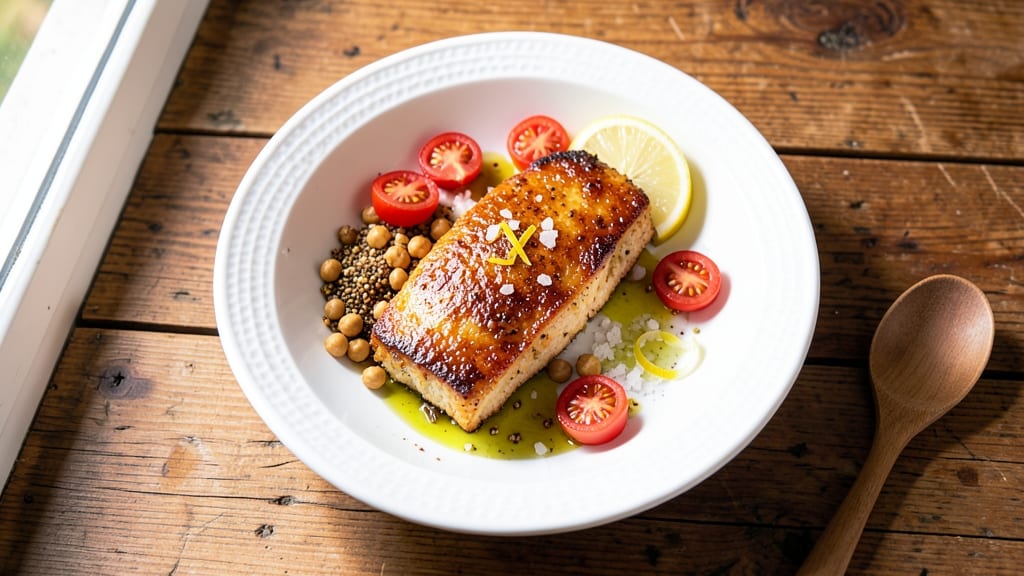
This Atlas Monroe vegan chicken recipe delivers the restaurant’s signature smoky, spiced crust with juicy, tender plant-based protein—all without a single animal product. The secret lies in a foil-sealed cooking method that traps moisture while developing deep, caramelized flavors, just like Monroe’s famous dish.
I’ve perfected this version using seitan for texture and a bold za’atar-spice blend that creates that unmistakable smoky aroma.
The recipe begins with a marinade of garlic, lemon, and smoked paprika, which infuses the protein for hours, ensuring every bite is packed with flavor. When seared in a hot pan and finished under foil, the crust becomes crispy and aromatic while the inside stays impossibly tender.
This method transforms simple ingredients into a dish that rivals the original, proving vegan cooking can be just as rich and satisfying.
What makes this recipe stand out is the authentic Atlas Monroe touch—the perfect balance of smoky, earthy za’atar and bright citrus notes. The dish pairs beautifully with sides like roasted potatoes or a fresh cucumber salad, making it a complete meal.
Whether you’re a vegan or simply looking for a flavorful alternative, this recipe delivers restaurant-quality results at home.
The best part? It’s foolproof—no complicated techniques required. With just a few key ingredients and a little patience for marinating, you’ll have a dish that’s as impressive as it is delicious. Ready to recreate this vegan classic? Let’s get started.
Ingredients for atlas monroe vegan chicken
These carefully selected plant-based ingredients deliver Atlas Monroe's signature smoky, spiced crust with juicy tenderness.
| Ingredient | Amount | Notes |
|---|---|---|
| Seitan 🍗 | 1 ½ lb | Store-bought or homemade, cut into strips |
| Za'atar Spice Blend 🌿 | 2 tbsp | Commercial mix or homemade (thyme, sesame, sumac) |
| Smoked Paprika 🌶️ | 1 tbsp | For authentic Atlas Monroe smokiness |
| Garlic Cloves 🧄 | 6 cloves | Freshly minced for maximum flavor |
| Lemon Juice 🍋 | ⅓ cup | Freshly squeezed, about 1 lemon |
| Extra-Virgin Olive Oil 🫒 | ½ cup | High-quality for marinating |
| Sesame Seeds 🌾 | 1 tbsp | Toasted for nutty aroma |
| Ground Cumin 🌿 | 1 tsp | Earthy depth to complement za'atar |
| Salt 🧂 | 1 ½ tsp | Diamond Crystal preferred |
| Black Pepper 🌶️ | ½ tsp | Freshly ground for heat |
| Almond Flour 🌰 | ¼ cup | For crispy crust coating |
| Nutritional Yeast 🧀 | 2 tbsp | Cheesy umami flavor |
| Aluminum Foil 📄 | 1 sheet | Heavy-duty for sealing |
The seitan is the foundation of this recipe—look for pre-made packages at Whole Foods or Trader Joe's, or make your own using vital wheat gluten. The za'atar blend is non-negotiable for that authentic Atlas Monroe flavor; Penzeys carries a high-quality version if you can't find it in the Middle Eastern aisle. For the smoked paprika, La Boîte brand delivers the most intense smoke flavor. Toast your sesame seeds in a dry pan for 30 seconds to enhance their aroma—this small step makes a noticeable difference in the final crust texture. The garlic should be freshly minced just before marinating to prevent bitterness.
No za'atar? Create your own blend with 1 tbsp dried thyme, 1 tbsp sesame seeds, and 1 tsp sumac—this DIY version works beautifully. Running low on almond flour? Substitute with 0.25 cup crushed almonds, though the texture will be slightly coarser. The nutritional yeast can be omitted if unavailable, but the dish will lose some of its signature umami depth. For extra crispiness, add 1 tsp cornstarch to the almond flour mixture. The foil sealing technique is crucial—use heavy-duty foil to ensure proper moisture retention during cooking. If you're short on time, marinate the seitan for at least 2 hours instead of overnight, though longer marinating yields superior flavor development.
Marinated seitan keeps for 3 days in the fridge, though flavor peaks after 24 hours. Store in an airtight container with the marinade to prevent drying. The za'atar-spiced coating can be prepped 1 day ahead and stored in a sealed container. For best results, cook the seitan immediately after removing from the marinade. Leftover cooked seitan reheats well in a skillet with a splash of water or broth for 2-3 minutes—this helps restore moisture. Portion into meal prep containers with the cooking juices for easy reheating throughout the week.
Why You'll Love This Recipe
- Foolproof Pantry Staples: I swear by this one because it only needs five things—no fancy shopping trips. The seitan’s already prepped (or you can buy it ready-made), and the za’atar and smoked paprika? Those little jars sit in my cabinet for months, waiting for this exact moment. Honestly, the hardest part is deciding whether to make it for dinner or lunch.
- Smoky-Citrus Magic: That combo of za’atar and smoked paprika? It’s like a warm hug for your taste buds, especially when the lemon juice cuts through the richness. The garlic cloves roast right in the pan, so you get that deep, caramelized flavor without any extra effort. I’ll be real: my non-vegan friends don’t even ask what’s in it—they just keep coming back for seconds.
- Lunchbox Hero: Between us, this is my go-to for meal prep because it stays crispy for days. I’ll throw a batch together on Sunday, pack it in containers with some greens and tahini, and boom—no sad desk lunches. Even my kid (who’s not a fan of veggies) sneaks bites when she thinks I’m not looking. Not the prettiest, but the taste makes up for it every time.
- Budget-Friendly Feast: Seitan’s a steal, and a single package stretches across four meals for my family. The spices? A one-time investment that turns into flavor gold. I’ve made this for date nights, potlucks, and even a last-minute dinner after work—no stress, no guilt. It’s my secret weapon for looking like a cooking pro without breaking the bank.
Step-by-step instructions for Atlas Monroe vegan chicken recipe
Here's the method to achieve authentic Atlas Monroe flavors with a crispy za'atar crust and perfectly sealed juiciness.
Marinate the Seitan for Maximum Flavor
In a large bowl, combine the 1.5 lb seitan with the 0.5 cup extra-virgin olive oil, 0.33 cup lemon juice, 1 tbsp smoked paprika, 1 tsp ground cumin, 1.5 tsp salt, and 0.5 tsp black pepper. Mix thoroughly until the seitan is completely coated in the marinade. The acidity from the lemon juice will tenderize the seitan while the spices penetrate deeply.
Cover the bowl and refrigerate for at least 4 hours (overnight is ideal). This extended marinating period ensures the seitan absorbs all the flavors, resulting in a more complex and aromatic dish. The marinade should be fully absorbed by the seitan before proceeding.
Create the Za'atar Crust Coating
In a separate bowl, mix together the 2 tbsp za'atar spice blend, 0.25 cup almond flour, 2 tbsp nutritional yeast, and 1 tbsp toasted sesame seeds. This combination creates a flavorful, crispy crust that mimics the texture of traditional fried chicken while delivering authentic Atlas Monroe flavors.
Remove the marinated seitan from the refrigerator and pat it dry with paper towels to remove any excess marinade. This step is crucial for ensuring the crust adheres properly and becomes crispy. Once dry, thoroughly coat each piece of seitan in the za'atar mixture, pressing gently to help the coating stick.
Prepare for Foil-Sealing
Cut a large piece from the 1 sheet aluminum foil (approximately 18x12 inches) and place it on a baking sheet. Arrange the coated seitan strips on the foil, leaving about 1 inch of space between each piece. This spacing allows for even cooking and prevents the pieces from sticking together.
Carefully fold the foil over the seitan, creating a sealed packet. This foil-sealing technique locks in moisture and steam, resulting in incredibly juicy seitan that stays tender throughout the cooking process. The foil should be sealed tightly on all sides to prevent any steam from escaping.
Bake to Crispy Perfection
Preheat your oven to 400°F. Place the foil-sealed packet on a middle rack in the oven and bake for 30 minutes. After 30 minutes, open the foil carefully (the steam will be intense) and flip each piece of seitan over. Return to the oven and bake for an additional 15-20 minutes until the crust is deep golden brown and crispy.
For the final touch, broil the seitan for 1-2 minutes to achieve an extra-crispy crust. Watch closely during this step to prevent burning. The seitan is done when the crust is golden brown and crunchy, and the internal temperature reaches 165°F. Remove from the oven and let rest for 5 minutes before serving to allow the juices to redistribute.
Garnish and Serve
Transfer the crispy, za'atar-coated seitan to a serving platter. Garnish with an additional sprinkle of toasted sesame seeds and serve immediately with your favorite sides. The combination of the smoky za'atar crust and the juicy, foil-sealed interior creates a vegan chicken experience that rivals traditional preparations.
This dish delivers the authentic Atlas Monroe flavors you crave while maintaining the juiciness and texture that make it so satisfying. The foil-sealing technique ensures every bite is moist and flavorful, making this a standout vegan recipe.
Pro Tips For Making Atlas Monroe Vegan Chicken
- Toast Your Za’atar First: I used to just toss the za’atar in with the other spices—big mistake. Heat it dry in a small pan for 30 seconds until fragrant. That extra step unlocks the nutty depth of sesame and cumin, making the crust stick better and taste richer. (Yes, even if you’re impatient like me.)
- Sear the Seitan Twice: High heat for the first 2 minutes gets the crust started, but don’t skip the second round after flipping. Let it hit the pan again for another minute—this seals in moisture and prevents that sad, gummy texture. I learned this the hard way after serving dry seitan to skeptical guests.
- Mince Garlic Like It’s 1999: Skip the press—finely mince those garlic cloves with a knife. Pressed garlic turns to paste and can make the sauce slimy. Tiny, even pieces toast evenly and add texture without overpowering the za’atar’s brightness. (Your future self will thank you.)
- Deglaze with Lemon Last: Save the lemon juice for the very end—after the seitan’s done searing. Adding it too soon can make the spices lose their grip on the crust. A quick splash at the end brightens the dish without turning it into a sauce. Sounds weird, but it works.
Essential equipment for great atlas monroe vegan chicken
Foil-Sealing Essentials
Heavy-duty aluminum foil is your secret weapon for juicy, restaurant-style vegan chicken. I recommend Reynolds Oven Bag Heavy-Duty Foil—it’s thick enough to handle the steam without tearing when you flip the seitan. Cut a 18x12-inch piece to ensure ample space for your seitan strips and proper sealing.
The foil’s tight seal traps moisture and steam, mimicking the effect of a pressure cooker while keeping your kitchen cooler than traditional baking methods. 📄
High-Heat Searing Pan
A cast iron skillet (like Lodge 10.25-inch) is ideal for achieving that crispy za’atar crust before foil-sealing. Preheat it over medium-high heat for 3-4 minutes until it’s screaming hot—this ensures the coating sticks and develops a deep golden color.
If you don’t have cast iron, a stainless steel pan (such as All-Clad Stainless) works well, though it may require slightly more oil to prevent sticking. Avoid nonstick pans for this step, as they won’t provide enough heat for proper crust formation.
Digital Meat Thermometer
Precision is key with foil-sealed cooking, and a digital instant-read thermometer (I swear by Thermoworks Smoke) ensures your seitan reaches the perfect 165°F internal temperature without overcooking. Insert the probe into the thickest piece of seitan—aim for the center—to avoid hitting the crust, which can give a false reading.
The thermometer’s rapid response time lets you pull the seitan at the exact moment it’s juicy and fully cooked, preventing dryness. 🌡️
Mixing Bowls & Spice Tools
Use a large glass mixing bowl (like Pyrex 8-cup) for marinating to ensure even coating of the seitan strips. For the za’atar crust, a smaller bowl (around 4-cup capacity) works best to avoid spills when pressing the coating onto the seitan.
A mortar and pestle or spice grinder comes in handy if you’re making your own za’atar blend—this ensures even distribution of the spices. For measuring, a set of stainless steel measuring spoons (like OXO Good Grips) guarantees accuracy with your spices and almond flour.
Baking Sheet & Parchment
Line your half-sheet baking pan (about 18x13 inches) with parchment paper to create a nonstick surface for the foil-sealed seitan. This prevents sticking and makes cleanup effortless. If you’re short on parchment, a silicon baking mat (such as GreenPan) works equally well.
The parchment also helps distribute heat evenly, ensuring all pieces of seitan cook uniformly. Pro tip: Use a pizza stone on the lower oven rack for 10 minutes before adding the foil packet to preheat the baking surface and improve crust crispiness.
Nutrition facts
Frequently asked questions
Can I use soy curls instead of seitan for this Atlas Monroe-inspired dish?
Yes! Soy curls are a fantastic alternative—they absorb marinades beautifully and create a satisfying texture. Use 1.5 lb soy curls and soak them in water for 10 minutes before draining and patting dry. The foil-sealing method works just as well, though soy curls may need 5-10 extra minutes in the oven to crisp up. For extra flavor, add 1 tsp liquid smoke to the marinade.
What’s the best way to make this recipe gluten-free?
Replace the seitan with jackfruit (young, canned in water) or gluten-free seitan made from vital wheat gluten-free alternatives. For the crust, swap almond flour for 1/4 cup gluten-free oat flour or crushed gluten-free cornflakes. Ensure your za'atar blend is certified gluten-free, as some contain wheat-based thickeners.
Why does my za'atar crust keep falling off?
This usually happens if the seitan isn’t dry enough before coating or if the crust mixture isn’t pressed firmly. Pat the seitan very dry with paper towels, then press the za'atar coating on with your fingers or a fork. For extra adhesion, lightly brush the seitan with aquafaba (chickpea brine) before adding the crust—it acts as a natural binder.
Can I air-fry this instead of using foil-sealing?
Preheat your air fryer to 375°F and cook the coated seitan in a single layer for 12-15 minutes, flipping halfway. For crispiness, spray with olive oil mist before air-frying. The crust won’t be as crispy as foil-sealing, but it’s a great alternative. Pro tip: Place the seitan on a wire rack over a tray to allow airflow for even cooking.
How do I store leftovers to keep them crispy?
Let the seitan cool completely, then store it in an airtight container with a paper towel on top to absorb moisture. Reheat in a skillet over medium heat for 2-3 minutes per side—this reactivates the crust. For air fryer reheating, use 350°F for 3-4 minutes**. Avoid microwaving, as it makes the crust soggy.