
Main Courses
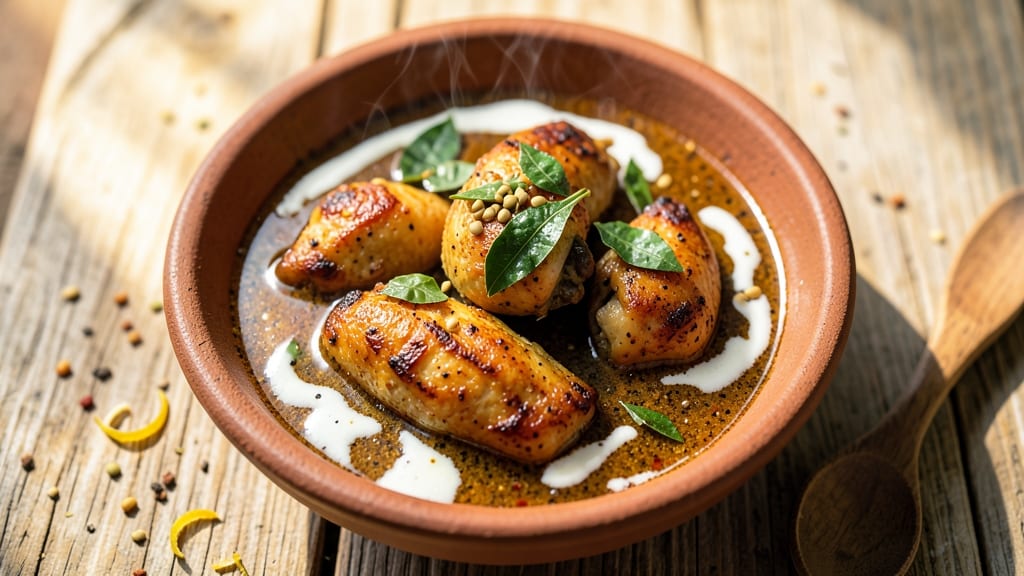
This authentic Chettinad chicken curry brings the bold flavors of Tamil Nadu’s fiery coastal cuisine to your kitchen, where tamarind, coconut, and black pepper create a symphony of heat and depth.
The secret lies in slow-blooming spices and a two-pot technique that develops layers of flavor—starting with a fragrant tempering of mustard seeds, curry leaves, and dried red chilies, then building to a rich, tangy sauce that clings to every bite of tender chicken.
What sets Chettinad cuisine apart is its balance of sweet, sour, and fiery—achieved through a marinade of yogurt, ginger, and a blend of whole spices that infuse the chicken with aromatic complexity.
The curry itself simmers for hours, allowing the tamarind to mellow into a bright, tangy backbone while the coconut milk adds creamy richness. This isn’t just a dish; it’s a taste of tradition, where every spice plays a role in the final harmony.
The result is a curry that’s restaurant-quality at home—deeply flavorful, with a glossy sheen from the coconut and a slow-building heat that lingers.
The chicken stays tender, the sauce thickens just enough to coat each piece, and the aroma alone will have your kitchen smelling like a bustling South Indian restaurant. Serve it with steamed rice or crispy dosa to soak up every last drop of that fiery, coconut-tamarind magic.
For those new to Chettinad flavors, don’t be intimidated—the spices are balanced, and the technique is straightforward once you follow the steps. The key is patience: letting the spices bloom, the chicken marinate, and the curry simmer to perfection.
Trust the process, and you’ll end up with a dish that’s as rewarding to make as it is to eat. Let’s get cooking.
Ingredients for authentic chettinad chicken curry
These bold spices and creamy coconut bring restaurant-quality Chettinad flavor home.
| Ingredient | Amount | Notes |
|---|---|---|
| Chicken Thighs 🍗 | 1 ½ lb | Bone-in, skin-on preferred |
| Plain Yogurt 🥛 | ½ cup | Unflavored, full-fat preferred |
| Ginger 🧄 | 1 tbsp | Freshly grated |
| Garlic Cloves 🧄 | 6 cloves | Minced, fresh preferred |
| Mustard Seeds 🌶️ | 1 tbsp | Whole, black preferred |
| Curry Leaves 🌿 | ¼ cup | Fresh, packed |
| Dried Red Chilies 🌶️ | 4 whole | Kashmiri or bird's eye |
| Coconut Milk 🥥 | 1 can (13.5 oz) | Full-fat, unsweetened |
| Tamarind Paste 🍈 | 2 tbsp | Unsweetened, concentrated |
| Coconut Oil 🫒 | 2 tbsp | For tempering |
| Ground Black Pepper 🌶️ | 1 tsp | Freshly cracked preferred |
| Ground Coriander 🌿 | 1 tsp | Freshly ground preferred |
| Ground Cumin 🌿 | 1 tsp | Toasted for depth |
| Tomatoes 🍅 | 2 medium | Ripe, peeled and chopped |
| Salt 🧂 | 1 ½ tsp | Adjust to taste |
The chicken is the star, so bone-in, skin-on thighs hold up best to the long simmer—breasts dry out. Look for free-range at Indian markets or your grocery's butcher section (they often have pre-cut curry pieces). Tamarind paste? Trader Joe's sells it in tubes, but if you can't find it, use 1 tbsp lemon juice + 1 tsp brown sugar as a pinch-hitter. Curry leaves are the magic—frozen works in a pinch, but fresh is ideal. The dried chilies? Kashmiri for color, bird's eye for heat, or a mix of both.
No tamarind? Lemon juice + brown sugar works, but it won't have that same deep tang. Fresh ginger and garlic are non-negotiable—jarred ginger paste just doesn't cut it here. The coconut milk needs to be full-fat, unsweetened—the cheap stuff with additives will make the curry taste off. Swap curry leaves for 1 tsp fenugreek leaves if you're desperate, but trust me, it's not the same. For the tomatoes, Roma or vine-ripened hold up better to chopping than beefsteak. And if you're worried about heat, remove seeds from the chilies before toasting.
This curry tastes even better the next day—make extra. Store in airtight containers for 4-5 days in the fridge or 3 months frozen. The sauce thickens as it cools, so add a splash of water if it's too stiff when reheating. I always freeze half in portions for quick weeknight meals. The spices keep for months in a cool, dark place, but toast them fresh for maximum aroma every time you make this.
Why You'll Love This Recipe
- No-Yogurt Waste: I use every last drop of that tangy yogurt—even the leftover bits from marinating go straight into the gravy. That’s right, no sad, forgotten tub in the back of the fridge.
- One-Pot Magic: Mustard seeds sizzle, garlic dances—then poof, it’s all in one pot. No chopping boards to clean, no extra pans to wash. Just stir, simmer, and serve.
- Leftovers That Beg: This curry tastes better the next day—honestly, I’ve reheated it three times and still crave it. The flavors meld like a cozy hug, and it’s perfect for lunches or takeout nights.
- Budget-Friendly Feast: Chicken thighs stretch farther than breasts, and the spices? A few tablespoons go a long way. I’ve fed six people for under $15, and they all asked for seconds. (Yes, even the picky eaters.)
Step-by-step instructions for authentic Chettinad chicken curry
Here's how to build this bold, aromatic curry with layers of smoky, tangy, and spicy flavors.
Marinate the Chicken for Maximum Flavor
In a large bowl, combine the 1.5 lb chicken thighs, 0.5 cup plain yogurt, 1 tbsp freshly grated ginger, 6 cloves minced garlic, 1 tsp ground coriander, 1 tsp ground cumin, 1 tsp ground black pepper, and 1.5 tsp salt. Mix thoroughly until every piece of chicken is well coated in the marinade.
Cover the bowl and refrigerate for at least 2 hours (overnight is even better). This marinating time allows the spices to penetrate the meat and tenderize it. The yogurt will also help create a silky texture in the final curry. Don't skip this step—it's what makes this dish authentically flavorful.
Temper the Spices for Aromatic Depth
Heat 2 tbsp coconut oil in a heavy-bottomed pot over medium heat. Add 1 tbsp mustard seeds and let them sizzle until they pop and turn golden brown—this should take about 30 seconds. Immediately add 4 whole dried red chilies and 0.25 cup curry leaves, stirring constantly for 15 seconds until the chilies darken slightly.
This quick tempering process releases the essential oils in the spices, creating that signature Chettinad aroma. The mustard seeds should pop like tiny fireworks, and you'll smell the curry leaves releasing their citrusy fragrance. If you hear any burning smells, reduce the heat slightly—you want the spices to dance, not burn.
Cook the Chicken and Build the Base
Add the marinated chicken to the pot in a single layer, spreading it out evenly. Cook undisturbed for 4-5 minutes until the chicken develops a golden crust on the bottom. Stir gently and cook for another 3-4 minutes until the chicken is no longer pink in the center.
Add the 2 medium peeled and chopped tomatoes and cook for 3-4 minutes until they soften and release their juices. This step builds the flavor foundation of your curry. The tomatoes will mellow out the heat from the chilies while adding natural sweetness that balances the tangy tamarind coming up next.
Create the Signature Tangy Coconut Sauce
Pour in 2 tbsp tamarind paste and stir well to dissolve. Add 1 can (13.5 oz) full-fat coconut milk and bring the mixture to a gentle simmer. Let it cook uncovered for 15-20 minutes, stirring occasionally, until the sauce thickens slightly and the chicken is fully tender.
Here's where the magic happens—the tamarind adds that signature tangy depth while the coconut milk creates a rich, velvety sauce. You'll notice the sauce reduce slightly and cling to the chicken. If it gets too thick, add 2-3 tablespoons of water to reach your desired consistency. The curry should coat the back of a spoon but still be spoonable.
Finish and Rest for Perfect Texture
Remove the pot from heat and let the curry rest for 5 minutes. This resting period allows all the flavors to meld together and the chicken to absorb the sauce. Taste and adjust the seasoning—you might need a little more salt or tamarind paste to achieve that perfect balance of sweet, sour, and spicy.
Garnish with additional curry leaves if desired and serve hot with steamed rice or appam. The curry should have a vibrant red color from the chilies, with a rich aroma that makes your mouth water. Each bite should deliver tender chicken in a complex sauce that's both creamy and tangy—this is what makes Chettinad curry so special.
Pro Tips For Making Authentic Chettinad Chicken Curry
- CRACK MUSTARD SEEDS FIRST: Pop them in a dry pan over medium heat for 30 seconds before adding oil—this prevents them from splattering like a firework show when they hit hot fat. I learned this the hard way after scrubbing mustard off my stove for the third time.
- MARINATE CHICKEN LONGER: Skip the 30-minute rush and let the yogurt, ginger, and garlic work their magic for at least 4 hours (overnight if possible). The chicken stays juicier, and the flavors seep in deep—trust me, the extra time makes a real difference.
- LOW AND SLOW FOR GRAVY: Once the chicken’s cooked, simmer the curry on the lowest heat setting you own. Chettinad gravy needs patience—rushing turns it watery. Cover the pot and let it thicken naturally, stirring occasionally. This isn’t the prettiest method, but it’s the tastiest.
- TOAST SPICES SEPARATELY: Dry-roast the whole spices (fenugreek, coriander, black pepper) in a separate pan until they smell fragrant—about 2 minutes. Then add them to the tempering oil last. This keeps the mustard seeds from burning and gives the curry a deeper, nuttier base. (Yes, even if you’re impatient like me.)
Dietary considerations for authentic chettinad chicken curry
Gluten-Free Adaptations
This curry is naturally gluten-free, but always double-check your ingredients—especially the tamarind paste and coconut milk. Some brands add gluten-containing additives, so opt for certified gluten-free versions like Annie's tamarind paste or Thai Kitchen coconut milk.
The spices and chicken are inherently safe, but cross-contamination can occur if you use shared utensils or surfaces with gluten-containing foods. 🌱
Dairy-Free Options
While the recipe includes yogurt in the marinade, you can easily substitute with unsweetened coconut yogurt or a dairy-free yogurt like Silk Plain. For extra creaminess in the sauce, add an extra ¼ cup coconut milk to balance the tanginess.
The coconut milk already makes this dish dairy-free friendly, but the yogurt swap ensures the entire process remains dairy-free. 🥥
Spice Adjustments
Chettinad curry is known for its heat, but you can easily tone it down by removing the seeds from the dried red chilies before toasting or using fewer chilies (try 2-3 instead of 4).
For a milder marinade, reduce the black pepper to ½ tsp and add a pinch of sweet paprika for warmth without the bite. If you love spice but want balance, add 1 tsp sugar to the sauce to mellow the heat slightly. 🌶️
Protein Swaps
This curry works beautifully with other proteins too. For a vegetarian version, swap the chicken for chickpeas (use 2 cans, drained) or tofu (firm, pressed and cubed). If using tofu, marinate it in the same yogurt-ginger-garlic mix for 1 hour before cooking.
For seafood lovers, try shrimp or firm white fish like cod—reduce cooking time to 5-7 minutes to avoid overcooking. 🦐
Nutritional Boosts
To make this curry even healthier, stir in 1 cup spinach or kale during the final 5 minutes of cooking—they’ll wilt into the sauce. For extra protein, add ½ cup cooked lentils or chana dal to the pot when you add the tomatoes.
To reduce fat, use low-fat coconut milk (though the flavor won’t be as rich) or replace 1 tbsp coconut oil with 1 tbsp olive oil. 💪
Allergen Awareness
This recipe contains dairy (yogurt) and tree nuts (coconut). If avoiding dairy, use a dairy-free yogurt as mentioned earlier. For coconut allergies, substitute the coconut milk with cashew cream (blend ½ cup soaked cashews + ½ cup water) or full-fat Greek yogurt (though this changes the texture slightly).
Always check labels on tamarind paste and spices for hidden allergens. 🚨
Nutrition facts
Frequently asked questions
Why does Chettinad curry use coconut milk instead of cream?
Coconut milk is traditional in Chettinad cuisine because it adds a unique richness that balances the fiery spices and tangy tamarind. Unlike heavy cream, it provides a subtle sweetness that complements the heat without overpowering the dish. The fat content in coconut milk also helps create a glossy, velvety sauce that clings beautifully to the chicken. Plus, it's a nod to the coastal origins of this cuisine where coconut is abundant.
Can I make this curry in an Instant Pot or pressure cooker?
Yes, but with adjustments! First, sauté the mustard seeds, curry leaves, and chilies in a separate pan until fragrant. Then add the chicken and cook until browned. Transfer everything to your Instant Pot, add the remaining ingredients, and cook on high pressure for 10 minutes. Let it natural release for 10 minutes before opening. The pressure method reduces cooking time but may slightly alter the sauce's texture—it'll be thinner, so reduce it on the stovetop afterward to reach your desired consistency.
What's the secret to getting that restaurant-quality depth of flavor?
The magic lies in three key steps: long marinating time (overnight is best), proper spice tempering (mustard seeds must pop), and slow simmering. The marinade lets spices penetrate the chicken, while tempering releases essential oils. Simmering for 15-20 minutes after adding coconut milk allows all flavors to meld—this is when the tamarind's tang develops fully and the coconut milk's creaminess becomes rich. Never rush this step!
How do I know when the chicken is fully cooked?
The chicken should reach an internal temperature of 165°F when measured at the thickest part. For bone-in pieces, check the thickest part of the thigh (avoid touching bone). The meat should be opaque and pull away from bones easily. If using a meat thermometer, it's the most reliable method. Without one, cut into the thickest piece—juices should run clear, not pink or bloody. Remember, the chicken will continue cooking slightly while resting in the sauce.
Can I make this curry less spicy for kids or sensitive eaters?
Start by removing the seeds from the dried red chilies before toasting. Use only 2-3 chilies instead of 4, and reduce the black pepper to ½ tsp in the marinade. For extra mildness, add 1 tsp sugar to the sauce during the final 5 minutes of cooking. You can also serve the chicken with a side of plain yogurt or coconut milk for dipping to help balance any remaining heat. The tamarind's tang will still shine through without the fire!