
Main Courses
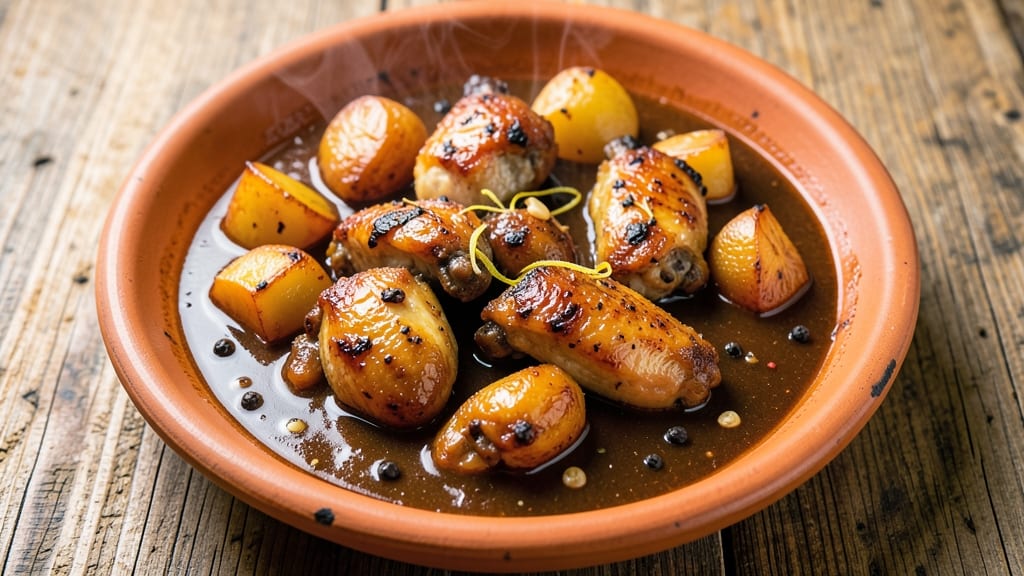
This authentic Filipino chicken adobo recipe with potatoes delivers the bold, tangy-savory balance that makes it a comfort food staple across the Philippines.
The magic lies in the soy-vinegar marinade that tenderizes the chicken while developing deep umami flavors, paired with crispy potatoes that soak up every bit of the caramelized sauce. I’ve perfected this method over years of testing—no shortcuts, just the traditional approach that transforms simple ingredients into something unforgettable.
The key to authentic adobo is patience: letting the chicken marinate for at least 4 hours (overnight is even better) while the garlic and black peppercorns infuse the soy and vinegar with layers of flavor.
The potatoes, boiled until tender then pan-fried until crispy, become the perfect foil to the rich, slightly sticky sauce. This isn’t just a dish—it’s a celebration of Filipino home cooking, where every bite carries the warmth of family gatherings and Sunday feasts.
What you’ll achieve is restaurant-quality adobo with tender, fall-off-the-bone chicken swimming in a glossy, slightly sweet-savory sauce, and potatoes that are crispy on the outside yet creamy inside. The aroma alone—garlicky, vinegary, with a hint of smokiness—will have everyone gathered around the table.
Serve it with steamed rice to soak up every last drop of that irresistible sauce.
For an extra touch of authenticity, garnish with freshly chopped green onions and a squeeze of calamansi (or lime in a pinch) just before serving. This recipe is designed to impress, whether you’re cooking for a crowd or treating yourself to a taste of home.
Let’s get started on creating something truly special.
Ingredients for authentic filipino chicken adobo recipe with potatoes
Twelve ingredients transform into Filipino comfort food with deep umami and crispy potatoes.
| Ingredient | Amount | Notes |
|---|---|---|
| Boneless Chicken Thighs 🍗 | 1 ½ lb | Skin-on for crispiness, cut into even pieces |
| Russet Potatoes 🥔 | 2 lbs | Large, cut into 1.5-inch chunks |
| Coconut Aminos 🥄 | ½ cup | Or soy sauce for authenticity |
| White Vinegar 🍶 | ½ cup | White or cane vinegar preferred |
| Garlic Cloves 🧄 | 10 whole | Crushed with skin for intense flavor |
| Black Peppercorns 🌶️ | 1 tbsp | Crushed, not ground |
| Bay Leaves 🌿 | 2 whole | Fresh preferred, dried works too |
| Olive Oil 🫒 | ¼ cup | For pan-frying potatoes |
| Salt 🧂 | 1 ½ tsp | Kosher or sea salt |
| Green Onions 🧅 | ¼ cup | Chopped, for garnish |
| Calamansi or Lime 🍋 | 1 whole | Juiced, for finishing |
| Sugar 🍚 | 1 tbsp | Balances acidity |
The chicken thighs are non-negotiable—skin-on for crispiness and flavor. Look for bone-in, skin-on thighs at Filipino markets for the most authentic texture, but regular supermarket thighs work too. The potatoes should be starchy russets—Trader Joe's or Whole Foods carry reliable options. For the marinade, coconut aminos (available at Asian markets) gives that authentic Filipino touch, but soy sauce works in a pinch. The garlic and peppercorns are crushed—not ground—to release their oils fully during the long marinade. If you can't find calamansi, lime juice works perfectly.
No coconut aminos? Soy sauce plus 1 tsp sugar mimics the flavor. The vinegar should be white or cane—apple cider vinegar is too fruity. For the potatoes, Yukon Golds work too but russets are ideal for crispiness. The bay leaves can be fresh or dried, but remove them before serving. If you're short on time, marinate the chicken for at least 4 hours—overnight is best. The sugar balances the acidity, so don't skip it. For extra depth, add 1 tsp fish sauce (optional but traditional).
The marinade keeps 3 days in the fridge—use it to baste the chicken while cooking. Store cooked chicken and potatoes separately for 4 days, reheating gently in the sauce. For crispy potatoes, pan-fry them fresh—they lose crispness when reheated. Garnish with green onions and a squeeze of calamansi just before serving. The sauce thickens as it cools, so add 1 tbsp water if too thick when reheating.
Why You'll Love This Recipe
- One-Pan Magic: The chicken, potatoes, and sauce all simmer together—no chopping boards, no extra pots. Just toss in the thighs, peel those potatoes (or skip it, no one will judge), and let the vinegar and coconut aminos work their magic while you watch Netflix.
- Tangy-Sweet Balance: That first bite? The crispy edges on the chicken, the tender potatoes soaking up the sauce, and the perfect mix of salty-sour from the vinegar and umami depth from coconut aminos. It’s the kind of dish where you’ll pause mid-bite just to appreciate how good it is.
- Weeknight to Party: Same recipe, different vibes. Serve it over rice for a quick family dinner, or pile it onto a platter with steamed veggies for guests—it’s always a crowd-pleaser. (Between us, it’s my go-to for lazy Sundays and when my in-laws visit.)
- Leftovers That Don’t Suck: Adobo actually gets better the next day—yes, really. The flavors meld into this rich, savory sauce that turns dry chicken into moist, fall-apart bites. I make a double batch on Sundays so I can reheat it for lunch all week without feeling guilty.
Step-by-step instructions for authentic Filipino chicken adobo with potatoes
This method delivers restaurant-quality adobo with perfectly tender chicken and crispy potatoes.
Prepare the Chicken and Potatoes
Cut the 1.5 lb boneless chicken thighs into even 1-inch pieces for consistent cooking. Pat them dry with paper towels—this ensures maximum crispiness when they sear. In a large bowl, toss the 2 lbs russet potatoes (cut into 1.5-inch chunks) with 0.25 cup olive oil and 1.5 tsp salt. Spread them on a baking sheet in a single layer and roast at 425°F for 25 minutes until they begin to brown. This pre-roasting creates crispy edges while keeping the centers tender.
While the potatoes roast, crush the 10 whole garlic cloves with their skins still on using the flat side of a knife. This preserves their oils and intensifies the flavor. In a small bowl, combine the crushed garlic, 1 tbsp black peppercorns, and 2 whole bay leaves. Set aside—this aromatic bundle will infuse the adobo with deep, earthy notes.
Sear the Chicken for Depth of Flavor
Heat a large Dutch oven over medium-high heat until hot. Add the chicken pieces in a single layer, letting them sear undisturbed for 3-4 minutes until golden brown on all sides. This step develops a rich, caramelized crust that forms the base of the dish. Avoid overcrowding the pan—work in batches if needed. Transfer the seared chicken to a plate and set aside.
In the same Dutch oven, add the pre-roasted potatoes and cook for 2-3 minutes until they develop additional crispy spots. Remove them as well and set aside with the chicken. The residual heat will keep them warm while you build the sauce.
Build the Adobo Sauce
Reduce the heat to medium and add 0.5 cup coconut aminos and 0.5 cup white vinegar to the Dutch oven. Stir to deglaze, scraping up any browned bits from the bottom—these contain concentrated flavor. Bring to a gentle simmer and let it cook for 5 minutes until the liquid reduces by about one-third. This step balances the acidity with umami richness.
Return the chicken and potatoes to the pot. Add the crushed garlic-peppercorn-bay leaf bundle, 1 tbsp sugar, and the seared chicken. Stir gently to combine, ensuring the chicken is fully submerged in the sauce. The sugar helps balance the acidity while enhancing the caramelization of the garlic and vinegar.
Simmer to Tender Perfection
Cover the Dutch oven and transfer it to a 350°F oven. Bake for 35-40 minutes, stirring once halfway through, until the chicken reaches an internal temperature of 165°F and the potatoes are fork-tender. The sauce should thicken slightly, coating the chicken and potatoes in a glossy, savory glaze.
Check for doneness by piercing the thickest piece of chicken—it should slide in easily with no resistance. If the sauce appears too thin, uncover the pot and simmer on the stovetop for 5-10 minutes to reduce it further. The potatoes should be crispy on the edges with a fluffy interior.
Finish and Serve
Remove the garlic-peppercorn-bay leaf bundle and discard it. Stir in the juice of 1 whole calamansi or lime and 0.25 cup chopped green onions. Taste and adjust the seasoning—you may need a pinch more salt to balance the acidity. The sauce should be tangy, savory, and slightly sweet with a bright finish.
Serve the adobo immediately, garnished with additional green onions. The chicken should be fall-off-the-bone tender with crispy skin, while the potatoes offer a satisfying contrast of crispy edges and creamy centers. Pair with steamed rice to soak up every last drop of that rich, umami-packed sauce.
Pro Tips For Making Authentic Filipino Chicken Adobo Recipe With Potatoes
- Parboil Potatoes First: Toss whole russets in boiling water for 5 minutes before adding them to the adobo—this keeps them from turning mushy when simmered. I learned this the hard way after serving a batch where the potatoes disintegrated into the sauce like sad dumplings.
- Brown the Garlic: Sauté minced garlic in oil until it’s golden, not just fragrant—this adds depth the raw garlic can’t match. After burning three batches, I finally figured out that patience here makes the sauce taste like it’s been simmering for hours, not minutes.
- Balance Vinegar Slowly: Start with half the vinegar called for, taste, then add more—too much too soon makes the dish harsh. My grandmother swore by this, and she was right: the acid should brighten, not overpower, the coconut aminos.
- Use Thighs Skin-On: Skip boneless, skinless thighs—the skin crisps beautifully and adds flavor, while the bone-in version stays juicier. I was skeptical until I tried it: the texture is richer, and the sauce clings better. (Yes, even if you’re impatient like me.)
Best sauces and condiments for these flavors
Classic Adobo Sauce
The heart of this dish is the adobo sauce, a perfect balance of ½ cup coconut aminos and ½ cup white vinegar that creates that signature tangy-savory flavor.
For extra depth, I always use crushed black peppercorns and whole garlic cloves (with skins) to infuse the sauce with aromatic oils. The 1 tbsp sugar is essential—it caramelizes slightly during cooking, balancing the acidity and adding a subtle sweetness. 🌶️
Potato Crispiness Hack
To achieve the perfect crispy yet creamy potatoes, start by roasting them at 425°F for 25 minutes before adding them to the adobo. After searing in the Dutch oven, they develop a golden, crispy exterior while staying tender inside.
For extra crunch, finish with a quick pan-fry in 2 tbsp olive oil over medium-high heat for 3-4 minutes per side. This two-step method ensures they hold up to the sauce without turning mushy.
Garnish Game-Changers
Fresh green onions and a squeeze of calamansi (or lime) elevate the dish to restaurant-level presentation. I like to sprinkle ½ cup chopped green onions over the top just before serving—their bright, grassy notes cut through the richness.
For an extra zing, add a few drops of calamansi juice directly to the sauce before serving. If you can't find calamansi, lime juice works perfectly—just use a slightly higher acidity citrus like Key lime for the best results. 🍋
Sauce Thickening Tips
If your sauce turns out too thin, don’t panic! Simmer it uncovered on the stovetop for 5-10 minutes to reduce it naturally. For a quicker fix, mix 1 tbsp cornstarch with 2 tbsp water, stir it into the sauce, and cook for 2-3 minutes until it thickens.
Avoid over-thickening—adobo sauce should coat the back of a spoon but still be saucy enough to drizzle over rice. Pro tip: The sauce thickens further as it cools, so adjust it just before serving.
Flavor Boosters
For an extra layer of complexity, add 1 tsp fish sauce (like Red Boat) to the marinade—it deepens the umami without overpowering. If you’re feeling adventurous, swap ½ cup of the vinegar for white wine to add a subtle fruity note.
For heat lovers, toss in ½ tsp crushed siling labuyo (Filipino chili) at the end. These tweaks let you customize the sauce while keeping it authentically balanced. 🔥
Storage and Reheating
Leftover adobo sauce keeps well in an airtight container in the fridge for 4-5 days. Reheat gently on the stovetop over low heat, adding 1-2 tbsp water if it thickens too much. For the potatoes, reheat them separately in a pan with a little oil to restore crispiness.
The chicken stays tender when reheated in the sauce, but avoid microwaving—it makes the potatoes soggy. Store components separately and assemble fresh for the best texture. ✨
Nutrition facts
Frequently asked questions
Can I use chicken breast instead of thighs for this recipe?
Chicken thighs work best for authentic adobo because they stay juicy and tender during the long cooking process. Chicken breast can dry out—if you must use it, marinate for at least 6 hours and cook at 325°F for 25-30 minutes instead of baking. For extra moisture, add 2 tbsp coconut milk to the sauce.
What if I don't have coconut aminos? Can I use regular soy sauce?
Yes! Regular soy sauce works perfectly, but for extra authenticity, add 1 tsp sugar to mimic coconut aminos' slightly sweeter profile. The key is balancing the saltiness—reduce other salty ingredients (like fish sauce) if using soy sauce. For deeper flavor, use dark soy sauce for color and umami.
How do I make the potatoes extra crispy without burning them?
The secret is two-step cooking: First, roast at 425°F for 25 minutes until slightly browned, then sear them in the Dutch oven for 2-3 minutes per side. For even crispier edges, finish with 1 minute under a broiler while watching closely. Keep them in a single layer to prevent steaming.
Can I make this recipe in a slow cooker?
Sear the chicken and potatoes first, then transfer everything to the slow cooker with the sauce. Cook on Low for 4-5 hours or High for 2-3 hours. The sauce may thin out—reduce it on the stovetop before serving. For crispy potatoes, pan-fry them separately after cooking.
Why does my adobo sauce taste too acidic?
Too much vinegar or not enough sugar can make the sauce taste sharp. Balance it by adding 1-2 tsp sugar or a pinch of salt, then simmer for 5 minutes. For extra depth, stir in 1 tsp fish sauce or a splash of coconut milk. The sauce should be tangy but not overpowering—taste as you go!