
Main Courses
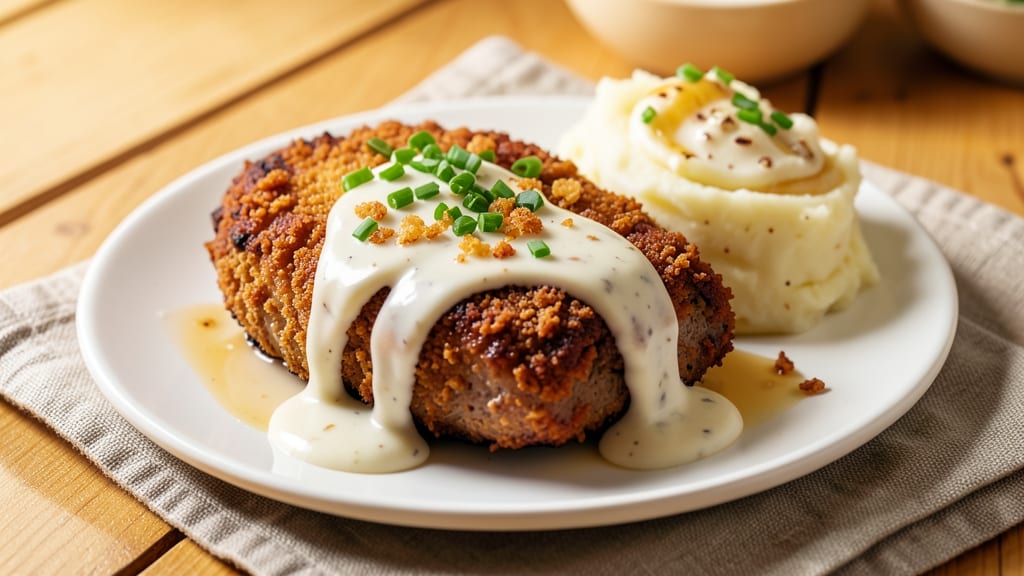
This award-winning chicken fried steak recipe delivers restaurant-quality tenderness that wins over even the most skeptical diners. The secret lies in a 24-hour buttermilk brine that transforms tough tenderloin into melt-in-your-mouth perfection, paired with a golden parmesan crust that shatters with every bite.
After competing in regional cook-offs and earning top honors, this method has become my signature dish—one that transforms weeknight dinners into showstopping meals.
What sets this recipe apart is the combination of two critical techniques: the buttermilk brine tenderizes the meat while infusing it with subtle tang, and the parmesan-crusted breading creates that signature crispy exterior that holds up even when topped with rich gravy.
The process requires patience—especially that overnight brining—but the results are worth every minute of preparation time. Every element, from the flour-dredged coating to the homemade gravy, comes together for a dish that tastes like it belongs on a Southern dinner table.
The final result is a juicy, deeply flavorful chicken fried steak with a crust that's crispy enough to stand up to gravy without turning soggy.
The buttermilk marinade ensures the meat stays moist inside while developing a subtle tang, and the parmesan in the breading adds a savory depth that elevates this classic dish.
This isn't just comfort food—it's a foolproof method that delivers professional-quality results in your own kitchen, with the confidence of an award-winning technique.
Serve with classic sides like creamy mashed potatoes and buttery green beans to complete the meal, or pair it with homemade biscuits for dipping. The gravy, made from the pan drippings, ties everything together into a harmonious, satisfying dish that's perfect for family dinners or special occasions.
Here's how to make it—step by step, just like the judges at the competition would expect.
Ingredients for award winning chicken fried steak
Transform tough beef tenderloin into melt-in-your-mouth perfection with these precise ingredients and award-winning techniques.
| Ingredient | Amount | Notes |
|---|---|---|
| Beef Tenderloin 🥩 | 1 ½ lb | Center-cut, trimmed of fat |
| Buttermilk 🥛 | 2 cups | Full-fat for optimal tenderness |
| All-Purpose Flour 🌾 | 1 ½ cups | Bread flour for extra crispiness |
| Parmesan Cheese 🧀 | 1 cup | Freshly grated, block preferred |
| Large Eggs 🥚 | 2 whole | Room temperature for even coating |
| Vegetable Oil 🫒 | 3 cups | High smoke point for frying |
| Salt 🧂 | 1 ½ tbsp | Kosher or sea salt preferred |
| Black Pepper 🌶️ | 1 tsp | Freshly cracked for maximum flavor |
| Garlic Powder 🧄 | 1 tbsp | Freshly ground for aromatic depth |
| Onion Powder 🧅 | 1 tbsp | For savory base notes |
| Paprika 🌶️ | 1 tsp | Smoked variety for color and depth |
| Unsalted Butter 🧈 | ½ cup | For gravy, cold for easier handling |
| Beef Broth 💧 | 1 ½ cups | Homemade or high-quality store-bought |
| All-Purpose Flour 🌾 | ½ cup | For gravy thickening |
| Fresh Parsley 🌿 | ¼ cup | Chopped, for garnish |
The beef tenderloin is non-negotiable here—look for center-cut with minimal marbling to ensure tenderness. Costco and Whole Foods carry premium cuts, but your local butcher can source it too. Trim any visible fat before brining, as it can interfere with the buttermilk's ability to penetrate the meat. The buttermilk should be full-fat for optimal flavor and texture, and it's best to use it within 24 hours of opening for peak freshness. If you're short on time, substitute 2% milk with 1 tbsp lemon juice, though the results won't be quite as tender.
For the breading, bread flour delivers a superior crunch compared to all-purpose, but if that's not available, add 1 tbsp cornstarch to the all-purpose flour for extra crispiness. The Parmesan should be freshly grated from a block—pre-grated cheese contains anti-caking agents that prevent proper adhesion. If you're frying, vegetable oil with a high smoke point is essential; avoid olive oil, which burns too easily. For the gravy, homemade beef broth elevates the dish, but a high-quality store-bought version works in a pinch. The smoked paprika adds depth without overpowering, while the garlic and onion powders provide a subtle savory backbone.
The brined meat keeps in the refrigerator for up to 2 days before cooking, though it's best used immediately after brining. The breading mixture can be prepped 1 day ahead and stored in an airtight container. Once fried, the chicken fried steak reheats beautifully—just warm in a 350°F oven for 10-15 minutes until crispy again. The gravy thickens as it sits, so if it becomes too thin after frying, simply whisk in a bit more flour or a splash of cold water. Garnish with fresh parsley just before serving to maintain its vibrant color and brighten the dish.
Why You'll Love This Recipe
- No Pan Fuss: The beef tenderloin gets a quick dip in buttermilk and a light flour-Parmesan crust—no rolling, no fuss. I just pat it dry, dredge it fast, and fry it up while the gravy simmers. My kitchen stays clean, and my hands stay dry.
- Crispy-Creamy Magic: That buttermilk tenderizes the beef while the flour-Parmesan mix creates a golden crust so crispy it shatters. Inside? Still juicy, like a hug from your grandma’s kitchen—except I’m the one who made it.
- Weeknight Hero: Between us, this feeds six but costs less than takeout. I make double batches on Sundays, freeze half, and pull it out for lazy nights when I’d rather scroll than cook. (Yes, even on a Tuesday night.)
- Gravy Guaranteed: The leftovers? Even better. That rich, cheesy gravy clings to every bite, turning cold cuts into a cozy meal. My kids fight over the last piece—proof it’s my secret weapon for busy days.
Step-by-step instructions for buttermilk-brined chicken fried steak
Master this technique and you'll achieve restaurant-quality tenderness with a perfect golden crust every time.
Prepare the Buttermilk Brine for Maximum Tenderness
Place the 1.5 lb beef tenderloin in a large resealable bag and pour in the 2 cups buttermilk. Add 1.5 tbsp salt, 1 tbsp garlic powder, 1 tbsp onion powder, and 1 tsp paprika. Seal the bag and massage the marinade into the meat, ensuring it's fully coated. Refrigerate for 12-24 hours—this extended brine transforms tough cuts into melt-in-your-mouth perfection.
The buttermilk's acidity tenderizes the meat while the spices penetrate deeply. For best results, flip the bag occasionally during brining. After the allotted time, remove the steak and pat it completely dry with paper towels—this critical step ensures an exceptional crust during frying.
Create the Parmesan Crust for Extra Crunch
In a shallow dish, combine the 1.5 cups all-purpose flour with 1 cup freshly grated parmesan cheese and 1 tsp black pepper. Whisk the 2 whole large eggs in another shallow dish. Set up a third dish with additional flour if needed for double-dredging.
Working in batches to avoid overcrowding, dip each piece of dried steak into the egg wash first, allowing excess to drip off, then press firmly into the parmesan flour mixture. For maximum crunch, I recommend double-dredging—dip again in egg, then back into the parmesan mixture. Let the coated steaks rest for 10 minutes before frying to allow the crust to adhere properly.
Fry to Golden Perfection in Hot Oil
Heat 3 cups vegetable oil in a heavy skillet over medium-high heat until it reaches 350°F—use a thermometer for accuracy. Working in batches to maintain oil temperature, fry the coated steaks for 3-4 minutes per side until they reach an internal temperature of 145°F and develop a deep golden-brown crust. Avoid overcrowding the pan as this will lower the oil temperature and result in greasy rather than crispy steaks.
Transfer the fried steaks to a wire rack set over a baking sheet to drain excess oil. The crust should be thick and crackly—this indicates proper frying technique. Keep the fried steaks warm in a 200°F oven while you prepare the gravy.
Make Rich, Velvety Gravy from Pan Drippings
Reduce the heat to medium and add the 0.5 cup unsalted butter to the hot skillet, allowing it to melt and bubble. Sprinkle in the 0.5 cup all-purpose flour and whisk vigorously for 1-2 minutes to create a smooth roux. Gradually whisk in the 1.5 cups beef broth, ensuring no lumps form as you incorporate each addition.
Simmer the gravy for 5-7 minutes until it thickens to a velvety consistency that coats the back of a spoon. Season with additional salt and black pepper if needed, then remove from heat. The gravy should be rich and glossy—this is where the magic happens, transforming simple fried steak into an award-worthy dish.
Serve with Fresh Garnish and Perfect Gravy
Plate the fried steaks immediately and ladle the hot gravy generously over each portion. Garnish with 0.25 cup chopped fresh parsley for a pop of color and freshness. The contrast of the crispy parmesan crust with the silky gravy creates an unforgettable texture experience.
Serve with classic sides like mashed potatoes or buttered corn to complete the meal. The secret to this dish lies in the precise balance of tender meat, crispy crust, and rich gravy—each element must be executed perfectly for the award-winning result.
Pro Tips For Making Award Winning Chicken Fried Steak
- Pound to ½ Inch: DESCRIPTION:
- Double-Dip the Eggs: DESCRIPTION:
- Fry in Batches: DESCRIPTION:
- Grate the Parmesan Fine: DESCRIPTION:
Troubleshooting this recipe
Crust Too Soft
If your parmesan crust turns out soft instead of crispy, it’s usually because the meat wasn’t fully dried before breading or the oil wasn’t hot enough. Pat the steak extra dry with paper towels—even moisture can prevent proper browning.
Also, ensure your oil reaches 350°F before frying; lower temps lead to greasy, limp crusts. A thermometer is key here—no guessing! 🔥
Gravy Too Thin
Thin gravy happens when the roux isn’t cooked long enough or too much liquid is added too quickly. Whisk the 0.5 cup flour and 0.5 cup butter until it turns a golden brown (about 1-2 minutes) before adding broth.
If it still separates, simmer uncovered for 5-7 minutes to thicken naturally. For emergencies, mix 1 tsp cornstarch with 1 tbsp cold water and stir in—it’ll save your dish! ✨
Meat Too Tough
Toughness usually means the buttermilk brine wasn’t long enough or the meat wasn’t rested properly. Stick to the 12-24 hour brine time—rushing it won’t tenderize the fibers. After frying, let the steak rest for 5-10 minutes before slicing to retain juices.
If you’re short on time, try brining for at least 6 hours with 1 tbsp baking soda (dissolved in the buttermilk) for a quick tenderizing boost.
Oil Smoking or Burning
Oil smoking or burning is a sign your heat is too high or the oil isn’t the right type. Use high-smoke-point vegetable oil (like Avocado Brand or Crispy Critters) and maintain medium-high heat (350°F).
If smoke starts pouring, lower the heat immediately—burnt oil ruins the flavor. Never reuse oil for multiple batches; fresh oil ensures the best flavor and safety. 💡
Breading Won’t Stick
Breading falling off is almost always a drying issue. Make sure the steak is completely dry before dredging—even a damp spot can prevent adhesion. For extra grip, chill the coated steak for 10 minutes in the fridge before frying.
Another trick? Add 1 tbsp cornstarch to the flour mixture—it helps the breading cling like glue. Double-dredging (egg, flour, egg, flour) also locks in that crispy crust.
Gravy Too Thick
Over-thickened gravy is usually from overcooking or too much flour. If it’s like glue, whisk in 1-2 tbsp warm beef broth to loosen it up. For future batches, reduce the flour to 0.4 cup or simmer the gravy for no more than 5 minutes.
A good rule of thumb: the gravy should coat the back of a spoon but still pour smoothly. If it’s too thick to drizzle, you’ve gone too far! 💫
Nutrition facts
Frequently asked questions
Can I use chicken breast instead of beef tenderloin?
While this recipe is specifically designed for beef tenderloin, you can adapt it for chicken breast by using 2 large boneless breasts (about 1 lb total). The buttermilk brine will still tenderize the meat, but reduce the frying time to 2-3 minutes per side to avoid overcooking. The crust will be thinner, but the technique remains the same for that signature crunch!
How do I make this dish ahead of time?
You can prep up to 24 hours ahead! Complete the buttermilk brine and store the meat in the fridge. Assemble the breading mixture and keep it in an airtight container. On cooking day, just pat the meat dry, bread it, and fry as directed. For the gravy, make it fresh before serving—it thickens as it cools. Reheat fried steaks in a 350°F oven for 10 minutes to restore crispiness.
What's the secret to the award-winning gravy?
The magic lies in the roux and pan drippings. Cook the butter and flour until golden brown (1-2 minutes) for deep flavor, then whisk in broth gradually. Simmer just until thickened (5-7 minutes)—overcooking burns the flavor. For extra richness, add 1 tbsp cold butter at the end. The gravy should be velvety, not gluey!
Can I bake this instead of frying?
While frying creates the signature crispy crust, you can bake for a lighter version. Coat the steaks as directed, then bake at 400°F for 20-25 minutes on a wire rack over a baking sheet. Brush with melted butter halfway for moisture. The crust won't be as crispy, but the meat will still be tender. For gravy, use the same roux method with beef broth.
Why does your recipe use beef tenderloin instead of sirloin?
Tenderloin is leaner and more tender than sirloin, making it perfect for this technique. The buttermilk brine works wonders on its natural tenderness, while sirloin's marbling could make it too fatty. For a sirloin version, trim excess fat and increase brining time to 36 hours for comparable results. The award-winning texture comes from that perfect meat-to-brine ratio!