
Main Courses
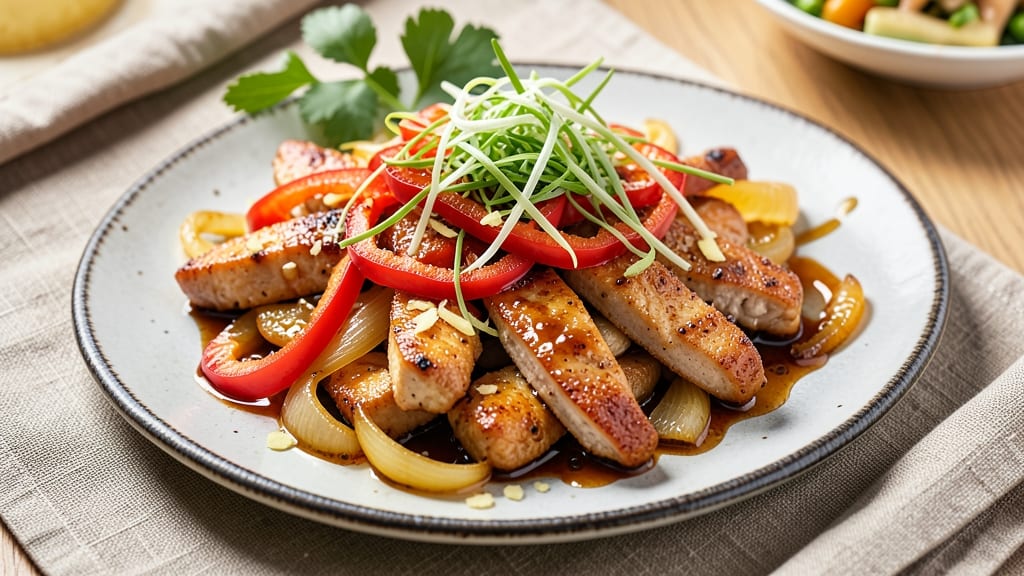
This awesome chicken stir fry recipe delivers restaurant-quality wok-tossed freshness in just 25 minutes, transforming simple ingredients into a vibrant, flavor-packed meal. The secret lies in high-heat stir-frying and a balanced sauce that marries savory, sweet, and umami notes without overpowering the natural taste of the chicken.
I've perfected this technique over years of testing, ensuring tender chicken, crisp vegetables, and a sauce that clings perfectly to every bite.
The recipe begins with a quick marinade of soy sauce, ginger, and garlic that tenderizes the chicken while building deep flavor. You'll slice the chicken thinly for even cooking, then stir-fry it in batches to avoid overcrowding the pan—a critical step for achieving that signature wok-tossed texture.
The vegetables follow, cooked just until crisp-tender to maintain their vibrant colors and satisfying crunch.
What sets this recipe apart is the sauce—a harmonious blend of soy, honey, and rice vinegar that adds brightness and depth without masking the fresh ingredients. The result is a dish that's equally at home on a weeknight dinner table or as part of a weekend spread.
Each forkful delivers perfectly balanced flavors and textures, with the chicken remaining juicy and the vegetables retaining their natural sweetness.
For those who love to experiment, I've included variations from classic soy-ginger to modern spicy peanut, ensuring this recipe adapts to any taste preference. The method is simple enough for beginners but flexible enough for seasoned cooks to customize. Let's get cooking!
Ingredients for awesome chicken stir fry
Restaurant-quality stir-fry starts with these precise ingredients—each playing a critical role in balancing texture and flavor.
| Ingredient | Amount | Notes |
|---|---|---|
| Boneless, Skinless Chicken Breast 🍗 | 1 ½ lb | Thinly sliced against grain |
| Extra-Virgin Olive Oil 🫒 | 2 tbsp | High smoke point preferred |
| Low-Sodium Soy Sauce 🍶 | ⅓ cup | Kikkoman preferred for balance |
| Fresh Ginger 🌿 | 2 tbsp | Finely minced, peeled |
| Garlic Cloves 🧄 | 4 cloves | Minced into fine paste |
| Honey 🍯 | 1 tbsp | Wildflower preferred |
| Rice Vinegar 🍶 | 1 ½ tbsp | Seasoned preferred |
| Sesame Oil 🫒 | 1 tsp | Toasted sesame preferred |
| Red Bell Pepper 🌶️ | 1 whole | Thinly sliced, seeds removed |
| Yellow Onion 🧅 | 1 whole | Thinly sliced, white part only |
| Broccoli Florets 🥦 | 2 cups | Small florets, stems trimmed |
| Carrot 🥕 | 1 whole | Julienned, peeled |
| Diamond Crystal Kosher Salt 🧂 | ½ tsp | For seasoning |
| Freshly Ground Black Pepper 🌶️ | ¼ tsp | For finishing |
| Toasted Sesame Seeds 🌾 | 1 tbsp | For garnish |
The chicken breast is non-negotiable for this recipe—look for uniform pieces at your local butcher or pre-sliced stir-fry chicken from Whole Foods or Trader Joe's. Slice it against the grain for maximum tenderness, and pat it completely dry before marinating. Fresh ginger and garlic are essential for authentic flavor, so invest in organic ginger root and garlic cloves from the produce section. The bell pepper should be firm and vibrant—avoid any with soft spots or dull coloring. For the broccoli, choose florets with tightly closed buds for that satisfying crunch.
No fresh ginger? Substitute with 1.5 teaspoons of ground ginger, but fresh is ideal. Running low on sesame oil? Avocado oil at half the amount works in a pinch, though it lacks the toasty depth. The honey can be swapped for maple syrup if you prefer a vegan option, though it slightly alters the flavor profile. For a spicier kick, add 1/2 teaspoon of chili flakes or 1 teaspoon of sriracha to the sauce. If you're short on time, pre-cut stir-fry vegetables from the grocery store's frozen section save prep time without sacrificing texture.
Marinated chicken keeps for up to 2 days in the fridge, making it perfect for meal prep. Store it in an airtight container with the marinade to maintain moisture. The vegetables should be prepped just before cooking to preserve their crispness—keep them dry and refrigerated until ready to use. This stir-fry reheats beautifully—use a non-stick pan over medium heat with a splash of water to revive that wok-tossed texture. Portion into containers with the sauce on the side for easy assembly when ready to eat.
Why You'll Love This Recipe
- One-Pan Magic: I swear by this recipe because it’s that simple—just chicken, a splash of olive oil, and a quick sear in the same pan you’ll stir-fry in. No extra dishes, no stress, and honestly? That crispy edge on the chicken with the tender inside? Chef’s kiss.
- Ginger-Garlic Punch: Between us, the fresh ginger and minced garlic in the sauce are the real MVPs here. They wake up the chicken in a way jarred sauce never could—bright, zesty, and just a little spicy kick that makes every bite feel like a hug.
- Lunchbox Hero: This stir-fry is my go-to for meal prep because it reheats like a dream and stays fresh for days. Pack it in containers, toss in some rice, and boom—you’ve got a lunch that’ll have coworkers asking for the recipe.
- Budget-Friendly Powerhouse: Skinless chicken breast is affordable, and a little olive oil plus soy sauce stretch this recipe far. I’ll be real: I’ve made this for six people on a Friday night, and there’s always leftovers for my lazy Sunday. No guilt, all flavor.
Step-by-step instructions for wok-tossed chicken stir fry
Master this technique and you'll achieve restaurant-quality stir fry with perfectly cooked chicken and vibrant vegetables every time.
Prepare Ingredients for Optimal Texture
Start by slicing the 1.5 lb boneless, skinless chicken breast against the grain into ¼-inch thick strips. This ensures tender, bite-sized pieces that cook quickly and evenly. While the chicken rests, thinly slice the red bell pepper and yellow onion—remove the seeds from the pepper and use only the white portion of the onion for cleaner flavor. Trim the carrot into ¼-inch thick matchsticks and cut the broccoli florets into small, even clusters.
Finely mince the fresh ginger and 4 cloves garlic into a paste using a microplane or mortar and pestle. This creates a smooth, aromatic base that distributes evenly throughout the stir fry. Keep all prepared ingredients in separate bowls until ready to use—this organized approach is called mise en place, and it prevents the chicken from overcooking while you prep.
Create the Flavor Base
In a small bowl, whisk together the 0.33 cup low-sodium soy sauce, 1.5 tbsp rice vinegar, 1 tbsp honey, and 1 tsp sesame oil. This mixture forms the backbone of your stir fry sauce, balancing salty, sweet, and umami flavors. Set aside while you prepare the wok.
Heat a large wok or skillet over high heat until it's smoking hot. Add the 2 tbsp extra-virgin olive oil and swirl to coat the surface evenly. The oil should shimmer but not smoke excessively—this indicates the perfect temperature for searing the chicken without burning the delicate vegetables.
Cook the Chicken to Perfect Doneness
Working in batches if needed, add the chicken strips to the wok in a single layer. Let them cook undisturbed for 1-2 minutes until they develop a golden crust on the bottom. This initial sear locks in juices and creates texture. Stir-fry for an additional 1-2 minutes until the chicken is no longer pink in the center and reaches an internal temperature of 165°F. Remove the chicken to a plate and set aside.
Here's the thing—don't overcrowd the wok. If you have to work in batches, cook the chicken completely before adding vegetables. Overcrowding steams the chicken instead of searing it, resulting in soggy, unevenly cooked pieces. The wok should have room to breathe for that signature stir fry texture.
Stir-Fry Vegetables with Precision Timing
Return the wok to high heat and add the yellow onion and red bell pepper. Stir-fry for 2 minutes until they begin to soften but still retain a slight crunch. Add the garlic-ginger paste and cook for 30 seconds until fragrant—this prevents the garlic from burning, which would make the dish bitter.
Add the broccoli florets and carrot matchsticks, stirring constantly for 2-3 minutes until the vegetables are bright green and crisp-tender with just a slight bite. The broccoli should be vibrant, not limp, and the carrots should offer a pleasant resistance when bitten. This quick cooking preserves their nutrients and texture.
Combine and Finish with Perfect Sauce Balance
Return the cooked chicken to the wok along with the reserved sauce. Toss everything together vigorously for 1-2 minutes until the chicken and vegetables are evenly coated and the sauce reduces slightly to a glossy consistency. The vegetables should be hot but still retain their texture—overcooking at this stage turns them mushy.
Season with the 0.5 tsp diamond crystal kosher salt and 0.25 tsp freshly ground black pepper, then drizzle with any remaining sesame oil from the jar. Garnish with 1 tbsp toasted sesame seeds just before serving. The final dish should have a perfect balance of sweet, salty, and umami flavors with each component cooked to its ideal doneness.
Pro Tips For Making Awesome Chicken Stir Fry
- Slice Chicken Thin: Grab your sharpest knife and cut those chicken breasts against the grain—no, not with the grain, against it. I used to ignore this and ended up with chewy strips that ruined the stir-fry texture. Thin slices cook faster and stay tender, so take the extra 2 minutes to do it right.
- Salt Chicken First: Toss the raw chicken with soy sauce and a pinch of salt before hitting the pan. The salt breaks down proteins, making the meat juicier when it cooks. I learned this the hard way after serving dry chicken—now I never skip it.
- Use High Heat, Then Lower: Crank your pan to maximum heat for the first 2 minutes to sear the chicken, then drop it to medium-high. High heat locks in flavor, but too much after that turns your stir-fry into a sad, greasy mess. Trust me, this is the thing that matters most for that restaurant-quality crust.
- Grate Ginger, Don’t Mince: Skip the tiny dice—grate the ginger with a microplane for maximum flavor without the texture fight. It blends smoother into the sauce and adds a bright kick that minced ginger can’t match. (Yes, even if you’re impatient like me.)
Perfect pairings for this recipe
Classic Rice Pairings
Steamed jasmine rice or short-grain white rice is the perfect canvas for this stir fry. I like to cook 1.5 cups of rice to serve with the stir fry, using a 1:1.25 rice-to-water ratio in my Instant Pot for fluffy, individual grains.
For extra authenticity, try forbidden black rice—its nutty flavor complements the dish beautifully. 🍚
For a heartier meal, serve with fried rice made from leftover rice. Sauté 2 cups cooked rice with 1 egg, 1 tbsp soy sauce, and 1 tsp sesame oil until crispy.
Add ½ cup peas and carrots for color and texture. This turns your stir fry into a complete meal with minimal effort.
Noodle Alternatives
Swap rice for rice noodles to create a quick stir-fry noodle dish. Cook 8 oz rice noodles according to package instructions, then toss them with the stir fry sauce and chicken.
I prefer vermicelli noodles for their delicate texture. For extra protein, add 1 cup cooked shrimp or ½ cup chopped peanuts at the end. 🍜
For a gluten-free option, use zucchini noodles instead of rice. Spiralize 2 medium zucchinis and sauté them for 1-2 minutes before adding to the stir fry. They absorb the sauce beautifully while adding a fresh, light element to the dish.
Sauce Variations
For a spicy peanut sauce, blend ¼ cup peanut butter, 1 tbsp sriracha, 1 tbsp soy sauce, and 1 tsp honey.
Drizzle this over the stir fry and top with 2 tbsp crushed peanuts. The creamy, nutty flavor contrasts perfectly with the crisp vegetables. 🥜
Try a teriyaki glaze by simmering 3 tbsp soy sauce, 1 tbsp honey, and 1 tsp grated ginger for 3 minutes. Brush this over the chicken before stir-frying for a caramelized finish. It adds a sweet, sticky element that pairs wonderfully with the dish's savory notes.
Beverage Pairings
A crisp green tea like japanese sencha complements the dish's fresh, vegetable-forward flavors. The light, vegetal notes of the tea cleanse your palate between bites. For a non-alcoholic option, try sparkling yuzu soda—its citrusy brightness balances the stir fry's umami richness. 🍵
For an alcoholic pairing, a dry Riesling or sake works beautifully. The acidity in Riesling cuts through the dish's richness, while sake's subtle sweetness enhances the soy and ginger flavors. If you prefer beer, a light lager like Asahi keeps the meal refreshing without overpowering the flavors.
Nutrition facts
Frequently asked questions
Can I use chicken thighs instead of breasts for stir fry?
Chicken thighs actually work beautifully for stir fry—they stay juicier and more flavorful than breasts. Use 1.5 lb bone-in, skin-on thighs and pat them completely dry before marinating. Slice against the grain into ½-inch thick pieces and cook for 3-4 minutes per side until golden and cooked through (165°F). The skin adds extra crispiness, but remove it if you prefer a lighter texture.
How do I prevent my stir fry from getting soggy?
Soggy stir fry happens when vegetables release too much moisture. First, pat all ingredients completely dry with paper towels before cooking. Second, cook vegetables in batches—start with the hardest (carrots), then softer ones (bell peppers). Finally, use high heat and stir constantly to prevent steaming. The sauce should be added at the very end to avoid making everything mushy.
What's the best way to reheat leftover stir fry?
Reheat your stir fry properly to maintain texture. Use a non-stick skillet over medium heat with 1 tsp oil. Add the stir fry and splash with 1 tbsp water, covering for 1-2 minutes to steam. Then uncover and stir-fry for 1-2 minutes until heated through. For microwave reheating, use 20-second bursts on high, stirring between each, to prevent drying out.
Can I make this stir fry ahead of time?
Yes, but with some adjustments. Prepare the marinated chicken up to 2 days ahead and store in an airtight container. Cook the vegetables fresh or blanch them for 1 minute in boiling water, then shock in ice water to preserve color. Reheat separately—chicken in the skillet and vegetables in the microwave—then combine with fresh sauce. The flavors actually improve after resting overnight!
What vegetables can I substitute if I don't have broccoli or carrots?
This stir fry is flexible! Try snap peas or snow peas for crunch, bok choy for a peppery bite, or mushrooms for meaty texture. For sweetness, add pineapple chunks or snap peas. Just ensure your veggies have similar cooking times—hard veggies (like carrots) should go in first, while delicate ones (like bell peppers) go last. Adjust cooking times by 30-second increments based on your choices.