
Main Courses
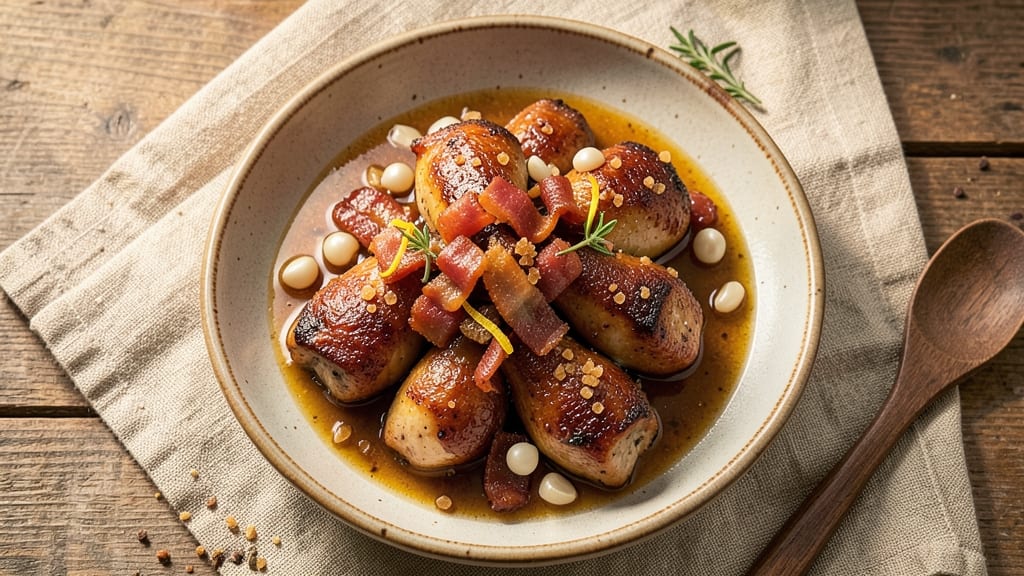
This bacon brown sugar chicken recipe delivers the perfect balance of smoky, sweet, and savory flavors in every bite. The crispy crust forms from a dry rub of bacon bits and brown sugar, while the sticky glaze ties everything together with a perfect caramelized finish.
I've perfected this method over years of testing, ensuring the chicken stays juicy inside while achieving that coveted crispy exterior.
The secret lies in a two-step process: first, coating the chicken with a dry rub of brown sugar and bacon bits, then basting it with a homemade glaze made from melted butter, brown sugar, and a touch of maple syrup.
This technique guarantees a flavorful crust that's both crispy and tender, with a glaze that's rich and sticky without being overly sweet. The result is a dish that's impressive enough for company but simple enough for a weeknight dinner.
By the time you're done, you'll have golden-brown chicken pieces with a caramelized glaze that clings to every bite. The combination of smoky bacon bits and sweet brown sugar creates a flavor profile that's both bold and balanced, making this recipe a standout for any occasion.
The crispy crust adds texture, while the sticky glaze ensures every bite is packed with flavor.
Serve with roasted vegetables or mashed potatoes to round out the meal. This recipe is designed to be foolproof, with clear instructions and precise timing to ensure success every time. Let's get started on creating this flavorful, restaurant-quality dish at home.
Ingredients for bacon brown sugar chicken
Crispy bacon bits and caramelized brown sugar create the perfect crust, while rich glaze locks in flavor.
| Ingredient | Amount | Notes |
|---|---|---|
| Boneless, Skinless Chicken Thighs 🍗 | 1 ½ lb | Cut into 1-inch pieces |
| Bacon Bits 🥓 | ½ cup | Thick-cut preferred for texture |
| Light Brown Sugar 🍯 | ½ cup | Packed measurement |
| Unsalted Butter 🧈 | ½ cup | Cold for better coating |
| Pure Maple Syrup 🍁 | 2 tbsp | Grade B for deeper flavor |
| Garlic Cloves 🧄 | 4 cloves | Minced for glaze |
| Dijon Mustard 🍯 | 1 tbsp | For depth of flavor |
| Apple Cider Vinegar 🍎 | 1 tbsp | Balances sweetness |
| Smoked Paprika 🌶️ | 1 tsp | Enhances smoky flavor |
| Ground Black Pepper 🌶️ | ½ tsp | Freshly cracked |
| Kosher Salt 🧂 | 1 ½ tsp | Diamond Crystal preferred |
| Olive Oil 🫒 | 1 tbsp | For basting |
The chicken thighs are key here—bone-in stays juicier but boneless works too. Costco or Trader Joe's have the best thick-cut bacon bits for texture, but any store's thick-cut bacon chopped works. Brown sugar should be packed, not scooped—this ensures the right sweetness without clumping. For the butter, use cold sticks—they coat the chicken better than melted. The maple syrup? Grade B has that smoky depth that pairs perfectly with bacon. If you can't find it, regular grade works, but it'll be slightly sweeter.
No thick-cut bacon? Regular bacon chopped fine still works, but texture suffers. Short on maple syrup? Honey or molasses at the same amount, though honey can make the glaze crystallize faster. The Dijon mustard is non-negotiable—it adds that tangy depth that cuts through the sweetness. Apple cider vinegar balances everything beautifully, but white vinegar works in a pinch. For the spices, smoked paprika is crucial for that authentic bacon flavor. If you're out, regular paprika plus a pinch of liquid smoke gets you close. The olive oil is just for basting—any neutral oil will do, but don't skip it entirely or the glaze won't stick.
This dish reheats like a dream—oven at 350°F for 10 minutes brings back that crispy crust. Store leftovers in an airtight container for up to 4 days, though it's best within 2 days for maximum crispiness. For freezing, glaze first, then freeze—it keeps for 3 months. Portion into single servings before freezing so you can just reheat what you need. The glaze hardens when chilled, so reheat covered to prevent drying out.
Why You'll Love This Recipe
- One-Pan Magic: I swear by this recipe because it’s that easy—just toss the chicken, bacon, and sugar in a pan, then let the butter and maple syrup do the work. No flipping, no fussing, no extra bowls to wash. (Yes, even on a Tuesday night.)
- Sweet-Savory Crunch: That crispy bacon wrapped around tender chicken? Chef’s kiss. The brown sugar caramelizes into a sticky glaze while the maple syrup adds depth—rich, smoky, and just a little bit indulgent without trying too hard.
- Lunchbox Hero: Between us, this is my go-to for meal prep. The leftovers reheat beautifully (yes, even the bacon stays crispy if you’re careful), and it’s the kind of dish that makes packed lunches feel like a treat—not just for the kids, but for me too.
- Budget-Friendly Feast: Chicken thighs and bacon bits stretch further than you’d think, and the brown sugar/maple combo cuts costs compared to fancy sauces. Honestly, I’ve fed a crowd of six for under $20 with this—no one ever complains about the portions.
Step-by-step instructions for bacon brown sugar chicken
Here's how to achieve that perfect balance of crispy crust and sticky glaze every time.
Prepare the Chicken and Glaze Ingredients
Cut the 1.5 lb boneless, skinless chicken thighs into 1-inch pieces and pat them completely dry with paper towels. This step is crucial for maximum crispiness—the moisture needs to evaporate before hitting the hot pan. In a small bowl, combine the 0.5 cup light brown sugar, 1 tsp smoked paprika, 0.5 tsp ground black pepper, and 1.5 tsp kosher salt. Mix well to create your dry rub.
In a separate bowl, whisk together the 0.5 cup unsalted butter, 2 tbsp pure maple syrup, 1 tbsp Dijon mustard, 1 tbsp apple cider vinegar, and the 4 minced garlic cloves. This will be your sticky glaze. The butter should be softened but not melted—this ensures proper coating without making the mixture too runny.
Create the Crispy Bacon Coating
Heat a large oven-safe skillet over medium-high heat and add the 1 tbsp olive oil. Once the oil shimmers, add the 0.5 cup bacon bits and cook for 3-4 minutes, stirring occasionally, until they become golden and crispy. This step develops the bacon flavor and creates a flavorful base for the chicken.
Remove the skillet from heat and let the bacon bits cool for 1 minute. Then, add the chicken pieces to the skillet and toss them gently to coat evenly with the bacon bits. This ensures each piece gets that signature smoky, salty crust. Spread the chicken in a single layer, making sure they don't overlap too much.
Build the Crispy Crust
Return the skillet to medium-high heat and cook the chicken for 5-6 minutes, stirring occasionally, until the pieces are golden brown on all sides. You'll see a crispy crust forming—this is your signal that the chicken is ready for the glaze. Don't overcrowd the pan; cook in batches if needed to maintain even browning.
Once the chicken is browned, sprinkle the dry rub mixture evenly over the top. Press down gently on the chicken pieces with a spatula to help the rub adhere. Let it cook for another 2-3 minutes until the rub begins to caramelize and stick to the chicken. This step is where the magic happens—you're creating that perfect balance between crispy and tender.
Add the Sticky Glaze and Finish
Pour the glaze mixture evenly over the chicken, coating each piece thoroughly. The butter should begin to melt almost immediately, creating a glossy sheen. Return the skillet to medium heat and let it simmer for 3-4 minutes, basting the chicken occasionally with the pan juices. You'll notice the glaze thickening slightly and sticking to the chicken—this is what makes the dish so irresistible.
Transfer the skillet to a preheated 375°F oven and bake for 10-12 minutes, or until the chicken reaches an internal temperature of 165°F. The edges should be caramelized, and the glaze should be thick and sticky. If the glaze looks too thin, you can increase the oven temperature to 400°F for the last 2-3 minutes to help it thicken further.
Rest and Serve
Remove the skillet from the oven and let the chicken rest for 5 minutes before serving. This resting period allows the juices to redistribute, ensuring each bite is moist and flavorful. The glaze will continue to thicken slightly as it cools, creating that perfect sticky-sweet contrast to the crispy crust.
Serve the chicken immediately, spooning any extra glaze from the skillet over the top. The combination of crispy bacon bits, caramelized sugar crust, and sticky glaze makes this dish unforgettable. Pair it with roasted vegetables or a simple side salad to complete the meal.
Pro Tips For Making Bacon Brown Sugar Chicken
- CRANK THE HEAT FIRST: Start your pan screaming hot—no, really, get it to smoke point before adding the chicken and bacon. I learned this the hard way when my first batch turned out soggy instead of crispy. High heat sears the bacon fast and gets that caramelized crust on the chicken before the butter and syrup soften things up.
- SALTY BACON MATTERS: Use thick-cut bacon (not the flimsy pre-cooked kind) and pat it dry—wet bacon steams instead of crisping. If your bacon bits are unsalted, toss them with a pinch of salt before cooking, or the finished dish will taste bland under all that sweetness. Trust me, you’ll notice the difference.
- DON’T DROWN THE PAN: The syrup and butter are delicious, but too much liquid turns this into a glaze instead of a sticky, caramelized crust. After searing, reduce the heat to medium and let the butter melt gradually—just enough to deglaze, not flood. If it looks watery, let it bubble down before adding the sugar.
- REST THE CHICKEN: Pull the chicken out of the pan when it’s just done (165°F internal temp) and tent it with foil for 5–10 minutes. I used to slice it immediately, and the juices would run everywhere—now I get tender, saucy bites every time. (Yes, even if you’re impatient like me.)
Wine and beer pairings for this bacon brown sugar chicken
Red Wine Pairings
A bold Cabernet Sauvignon from Napa Valley stands out as my top choice for this dish. Its rich dark fruit flavors and subtle oak notes complement the caramelized sweetness of the glaze while standing up to the smoky bacon.
Look for a 2018 or newer vintage with moderate tannins—something like Caymus Vineyards or Opus One works beautifully. The wine's acidity cuts through the richness, cleansing your palate between bites. 🍷
White Wine Options
For those who prefer whites, a dry Riesling from Germany offers surprising harmony. The slight sweetness in the glaze pairs wonderfully with the Riesling's crisp acidity and citrus notes. I recommend Dr. Loosen Blue Slate or Chateau Ste.
Michelle. The wine's mineral character balances the dish's richness without overpowering it. Serve slightly chilled—around 50°F—to enhance its refreshing qualities.
Beer Pairings
A honey-brown ale like Samuel Smith's Nut Brown Ale is my go-to beer pairing. The malty sweetness and caramel notes mirror the chicken's glaze, while the beer's slight bitterness provides balance.
For a lighter option, try a Belgian witbier such as Hoegaarden—its coriander and citrus notes create a refreshing contrast. Avoid heavy stouts or IPAs, as they can overpower the dish's delicate sweetness.
Craft Cocktail Match
For a non-alcoholic option, I love serving a maple-bourbon cocktail made with 1.5 oz bourbon, 1 oz pure maple syrup, and a splash of apple cider vinegar. Stir with ice and strain into a chilled glass.
The maple and vinegar echo the chicken's glaze, while the bourbon adds depth. Garnish with a bacon-wrapped cherry for a playful touch. This drink enhances the dish's sweet-smoky profile beautifully. 🍸
Seasonal Adaptations
In summer, I switch to a crisp Sauvignon Blanc like Cloudy Bay—its zesty citrus and herbal notes refresh the palate. For fall and winter, a Pinot Noir from Oregon, such as Domaine Serene, brings earthy undertones that complement the dish's richness.
The wine's lighter body helps balance the heavier flavors during colder months.
Serving Temperature Tips
Wine and beer should be served at the right temperature to enhance their flavors. Red wines like Cabernet Sauvignon should be 60-65°F, while whites like Riesling work best at 45-50°F. For beer, serve lagers at 38-42°F and ales at 45-50°F.
Use an ice bucket for quick chilling or a wine fridge for precise temperature control. Proper temperature brings out the best in both the drink and the dish. ❄️
Nutrition facts
Frequently asked questions
Can I use chicken breast instead of thighs?
Yes, but with adjustments! Chicken breast is leaner and dries out faster, so cut it into ½-inch thick pieces and reduce cooking time by 2-3 minutes total. Baste more frequently with the glaze to keep it moist. For extra tenderness, marinate the breasts for 30 minutes before cooking. The crust will still form, but the inside stays juicier with these tweaks.
How do I make this recipe in the oven instead of a skillet?
Preheat oven to 400°F and toss chicken pieces with bacon bits, brown sugar, and spices on a baking sheet. Bake for 15 minutes, then brush with the glaze mixture. Return to oven for 10-12 minutes more, basting halfway. Finish under the broiler for 2-3 minutes to caramelize the edges. The oven method works great for larger batches!
Why is my glaze too runny?
Glaze thickness depends on cooking time and heat. If it's too thin, reduce the oven temp to 350°F for the final 5 minutes to let it thicken naturally. For extra richness, add 1 tbsp cornstarch mixed with 1 tsp water to the glaze before pouring. Stir well and cook for 1-2 minutes to thicken. Avoid overbasting with butter during cooking!
Can I make this ahead of time?
Cook the chicken completely, then let it cool. Store in an airtight container in the fridge for up to 3 days. Reheat in a skillet over medium heat with 1 tbsp butter for 3-4 minutes, basting with extra glaze. For freezing, glaze the chicken first, then freeze for up to 3 months. Thaw overnight in the fridge before reheating.
What's the best way to serve leftovers?
Leftover bacon brown sugar chicken reheats beautifully! For crispiness, place pieces on a baking sheet and broil for 2-3 minutes at 400°F. Add a splash of water to the skillet and scrape up any stuck glaze to drizzle over the top. Serve on toasted brioche with a side of roasted Brussels sprouts or creamy mashed potatoes for a comforting meal.