
Main Courses
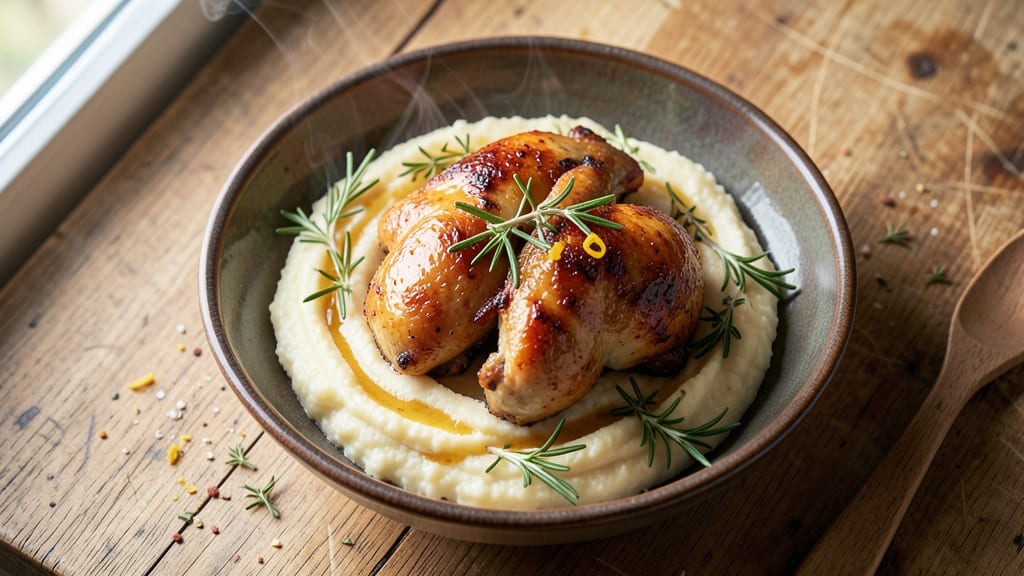
A foil-sealed one-pan dinner transforms weeknight cooking into effortless perfection—juicy baked chicken and velvety mashed potatoes, all locked in crispy, golden foil. The secret lies in the moisture trap: sealing the chicken with potatoes creates steam that keeps the meat tender while the foil develops a crispy, caramelized crust.
This isn’t just dinner; it’s a foolproof method that delivers restaurant-quality results with minimal cleanup and maximum flavor.
The chicken stays moist and flavorful thanks to the foil’s dual role—it traps steam to prevent drying while allowing the edges to crisp. Meanwhile, the potatoes roast directly beneath, absorbing the chicken’s juices and developing a naturally creamy texture without butter or milk.
No need for separate pans or complicated techniques; this recipe relies on simple ingredients and a single baking sheet to deliver a complete, satisfying meal.
What you’ll end up with is a golden, crispy foil packet that reveals perfectly seasoned chicken with tender, juicy meat and potatoes so creamy they’ll melt in your mouth.
The aroma alone—savory, herby, and slightly smoky—will have everyone at the table asking for seconds. The best part? No leftovers to worry about; this recipe is designed to disappear.
Serve with a simple green salad or steamed vegetables for balance, or drizzle with extra chicken juices for added richness. The foil-sealed method isn’t just practical—it’s a game-changer for anyone who’s ever struggled with dry baked chicken or bland mashed potatoes. Let’s get cooking.
Ingredients for baked chicken and mashed potatoes
These twelve ingredients transform into a restaurant-worthy one-pan dinner with foolproof moisture-locked perfection.
| Ingredient | Amount | Notes |
|---|---|---|
| Boneless, Skinless Chicken Thighs 🍗 | 1 ½ lb | Evenly sized for consistent cooking |
| Russet Potatoes 🥔 | 2 lb | Yukon Gold for creamier texture |
| Heavy Cream 🥛 | ½ cup | Full-fat for velvety texture |
| Unsalted Butter 🧈 | 2 tbsp | Cold, cubed for crispy foil crust |
| Fresh Rosemary 🌿 | ¼ cup | Finely chopped, aromatic |
| Fresh Thyme 🌿 | ⅛ cup | Leaves only, chopped |
| Garlic Cloves 🧄 | 4 cloves | Minced for aromatic depth |
| Kosher Salt 🧂 | 1 ½ tsp | Diamond Crystal preferred |
| Ground Black Pepper 🌶️ | 1 tsp | Freshly cracked |
| Olive Oil 🫒 | 1 tbsp | Extra-virgin for drizzling |
| Heavy-Duty Aluminum Foil 📄 | 1 sheet | 12x17 inches minimum |
| Chicken Broth 💧 | ¼ cup | Low-sodium for seasoning |
The chicken thighs are non-negotiable here—dark meat stays juicier than breasts during the long, gentle roast. Look for bone-in, skin-on thighs at specialty butchers like D'Artagnan or your local market's meat counter, where they'll often trim the excess fat for you. The potatoes should be firm and unblemished; Russets hold their shape best, but Yukon Golds deliver that coveted creamy texture. Fresh herbs are essential for that bright, aromatic finish—Whole Foods or local farmers' markets carry the most vibrant rosemary and thyme. Store these herbs in the fridge wrapped in damp paper towels for up to 5 days to preserve their potency.
No heavy cream on hand? Full-fat coconut milk works in a pinch, though the texture will be slightly lighter. Substituting butter? Use ghee for higher smoke point when crisping the foil edges. The olive oil can be swapped for avocado oil, but stick with extra-virgin for that fruity depth. If you're avoiding garlic, asafetida powder at one-quarter teaspoon mimics its savory notes without the pungency. For the foil, double-layered heavy-duty foil ensures no steam escapes, while standard foil may tear during handling. The chicken broth can be omitted entirely if you prefer a more concentrated herb flavor, though it adds subtle depth.
This dish reheats beautifully—simply cover with fresh foil and bake at 375°F for 10-15 minutes until warmed through. Store leftovers in an airtight container for up to 4 days, though the flavor actually improves overnight as the juices redistribute. For meal prep, assemble the foil packets ahead of time and refrigerate for up to 24 hours before baking. The potatoes can be pre-peeled and stored in cold water in the fridge for 2 days to prevent browning. When serving, always open the foil carefully—the escaping steam is scalding hot and packed with flavor.
Why You'll Love This Recipe
- One-Pan Wonder: I swear by this trick—just toss the chicken thighs and cubed potatoes on a sheet pan, drizzle with olive oil, and let the oven do the work. No chopping boards, no pots to wash, just hands-off magic while you stir up the rosemary butter for the mash.
- Creamy Crispy Magic: The chicken thighs stay juicy with that golden crust, while the mashed potatoes get this velvety richness from the heavy cream and butter—like a hug in every bite. Honestly, the rosemary takes it from "good" to "I’ll make this again next week."
- Leftovers That Shine: This dish reheats like a dream—chicken stays tender, potatoes stay creamy, and the rosemary scent lingers. I meal prep half the batch on Sundays and freeze it; by Wednesday, it’s my savior when I’m too tired to cook.
- Budget-Friendly Feast: Chicken thighs and russets are wallet-friendly, and you’re stretching them into two full components. Between us, this feeds four for under $15, and the leftovers taste just as good the next day—no sad, dry reheats here.
Step-by-step instructions for baked chicken and mashed potatoes
This one-pan method delivers perfectly moist chicken and creamy mashed potatoes with minimal effort.
Prep the Chicken and Potatoes
Preheat your oven to 400°F while you prepare the ingredients. Cut the 2 lb russet potatoes into 1-inch chunks—no need to peel them, as the skins add texture. Toss the potatoes in a large bowl with 1 tablespoon olive oil, 1 teaspoon kosher salt, and ½ teaspoon ground black pepper until evenly coated.
Pat the 1.5 lb boneless, skinless chicken thighs dry with paper towels—this ensures crispy skin. Season both sides generously with the remaining ½ teaspoon kosher salt and ½ teaspoon ground black pepper. In a small bowl, combine the 0.25 cup finely chopped fresh rosemary, 0.125 cup chopped fresh thyme, and 4 minced garlic cloves. Rub this herb mixture over the chicken, pressing it into the meat so it adheres well.
Assemble the One-Pan Foil Packet
Place a large sheet of heavy-duty aluminum foil on your counter, shiny side up. Arrange the seasoned chicken thighs in the center of the foil. Spoon the prepared potatoes around the chicken, leaving space for them to expand. Pour the 0.25 cup chicken broth over the potatoes—this will infuse flavor and keep everything moist.
Cut another piece of foil to match the size of the first sheet. Fold the edges of the foil over the chicken and potatoes, creating a sealed packet. Crimp the edges tightly to form an airtight seal—this locks in moisture and steam, ensuring tender chicken and fluffy potatoes. Place the foil packet on a baking sheet for easy transfer.
Bake Until Tender and Golden
Transfer the foil packet to the preheated oven and bake for 45 minutes. After 45 minutes, carefully open the foil packet and flip the chicken thighs over. Return the packet to the oven and bake for another 15-20 minutes, until the chicken reaches an internal temperature of 165°F and the potatoes are fork-tender.
You’ll know the potatoes are done when they collapse easily under gentle pressure from a fork. The chicken should be golden brown and fully cooked through. If the potatoes aren’t tender yet, continue baking for another 5-10 minutes, checking periodically. The sealed foil packet ensures everything stays moist—no dry chicken or gummy potatoes here.
Prepare the Creamy Mashed Potatoes
Once the chicken and potatoes are fully cooked, remove the foil packet from the oven and let it rest for 5 minutes. Transfer the potatoes to a large bowl, leaving the chicken in the foil packet. Use a potato masher or fork to mash the potatoes until smooth. Stir in the 0.5 cup heavy cream and 2 tablespoons cubed unsalted butter, mashing until creamy and well combined.
Season the mashed potatoes with additional kosher salt and ground black pepper if needed—taste as you go. The potatoes should be light, fluffy, and rich, with a velvety texture from the cream and butter. Keep the mashed potatoes warm while you finish the chicken.
Finish and Serve
Carefully remove the chicken from the foil packet and transfer it to a cutting board. Let it rest for 5 minutes before slicing—this allows the juices to redistribute, keeping the meat moist. Slice the chicken into ½-inch thick pieces and arrange it over the mashed potatoes on serving plates.
Drizzle any remaining juices from the foil packet over the chicken and potatoes, and garnish with extra chopped fresh rosemary and fresh thyme for a pop of color and aroma. Serve immediately while everything is hot and the flavors are at their peak. This one-pan method ensures a restaurant-quality meal with minimal cleanup—perfect for a cozy dinner.
Pro Tips For Making Baked Chicken And Mashed Potatoes
- Sear the Chicken First: I learned this the hard way—skipping the sear means bland, rubbery chicken. Pat those thighs very dry, then hit them with a hot pan and 2 tablespoons of oil (enough to coat the bottom) until golden brown on both sides. The crust locks in flavor and keeps them juicy while baking.
- Boil Potatoes Whole: Yes, even if you're impatient like me. Cutting them first turns mashed potatoes into glue. Drop whole Russets into salted boiling water (peeled or unpeeled, your call) and cook until a knife slides in like butter—about 15-20 minutes. This guarantees fluffy, not gummy, results when you mash them.
- Don’t Overmix the Mash: I used to beat the heck out of the potatoes with a hand mixer, and it always ended up pasty. After burning three batches, I finally figured out: mash them with a potato masher or ricer, then fold in the warm butter and cream gently. Lumps are better than glue.
- Bake Chicken Low and Slow: Crank your oven to 425°F for the first 15 minutes to get the skin crispy (if you’re using bone-in thighs), then drop it to 350°F. This two-stage approach keeps the chicken juicy inside while getting that golden crust—no more dry, sad meat. And if you’re using skinless, just skip the high heat and bake at 350°F the whole time.
Storing and reheating this baked chicken and mashed potatoes
Foil Packet Storage
Store your foil-sealed chicken and potatoes in the refrigerator for up to 4 days without compromising flavor or texture. The sealed foil acts as an airtight container, preserving moisture and preventing the chicken from drying out.
When ready to reheat, simply place the foil packet on a baking sheet and bake at 375°F for 15-20 minutes until heated through. The potatoes will absorb any residual juices, making them even creamier. 💫
Potato Prep Ahead
Peel and chop your potatoes up to 2 days in advance and store them in cold water in the refrigerator. This prevents browning and keeps them fresh. When you're ready to cook, drain and pat them dry before assembling the foil packet.
For extra flavor, add the chopped herbs and garlic directly to the water when storing—this infuses the potatoes with aromatic notes before cooking.
Reheating Leftovers
If you've already mashed your potatoes, store them separately in an airtight container for up to 3 days. Reheat in a saucepan over medium-low heat with a splash of milk or chicken broth to restore creaminess.
For the chicken, slice it and reheat in a skillet with a pat of butter for 3-4 minutes per side until warmed through. This method keeps the chicken juicy and prevents it from becoming rubbery.
Freezer-Friendly Option
This recipe freezes beautifully! Assemble the foil packet as directed, then freeze it on a baking sheet for 1 hour before transferring to a freezer bag. Thaw overnight in the refrigerator, then bake according to the original instructions (add 10-15 minutes to the baking time).
The texture remains excellent, though the foil may need to be replaced before reheating to ensure proper crisping.
Make-Ahead Mashed Potatoes
Prepare your mashed potatoes up to 2 days ahead and store them in the refrigerator. To reheat, spread them on a baking sheet and warm in the oven at 350°F for 10-15 minutes until heated through.
For extra richness, cover them with foil and add a pat of butter while reheating. The potatoes will regain their creamy texture without becoming gluey. This is a great time-saver for busy weeknights! ✨
Garnish Preservation
Fresh herbs like rosemary and thyme can be stored in the refrigerator for up to 5 days wrapped in damp paper towels. For longer storage, freeze chopped herbs in ice cube trays with a little olive oil, then transfer to a freezer bag.
When reheating your dish, add fresh herbs directly to the plate for maximum aroma and color. A sprinkle of flaky sea salt or cracked black pepper right before serving elevates the presentation without compromising texture.
Nutrition facts
Frequently asked questions
Why does the foil packet method keep the chicken so moist?
The sealed foil creates a steam chamber that traps moisture from the chicken and potatoes. As they cook, the steam circulates and bastes the chicken continuously, preventing it from drying out. The airtight seal also prevents heat from escaping too quickly, ensuring even cooking throughout. This is why you'll never get dry baked chicken with this method!
Can I use chicken breasts instead of thighs?
You can try, but thighs are ideal for this method. Chicken breasts cook faster and are more prone to drying out in the moist environment. If you prefer breasts, reduce the baking time by 10-15 minutes and check for doneness at 165°F internal temperature. For best results, brine the breasts for 30 minutes before cooking to help retain moisture.
How do I make the mashed potatoes extra creamy?
For ultra-creamy potatoes, use Yukon Golds instead of Russets—they have lower starch content. Add 1 tablespoon sour cream or crème fraîche to the mashed potatoes after cooking for extra richness. Also, mash them while still hot (the residual heat helps break down the starches) and avoid overworking them with a mixer.
What if my foil packet leaks or tears during baking?
If the foil starts to leak, simply reinforce it with additional foil before returning to the oven. The key is to maintain an airtight seal—if steam escapes, the chicken may dry out. For extra security, double-layer the foil or use a larger sheet. If it tears completely, transfer the contents to a baking dish and cover with foil instead.
Can I make this recipe in a slow cooker?
Not with the foil packet method, but you can adapt it! Place the chicken and potatoes in the slow cooker with 1 cup chicken broth, cover, and cook on low for 6-8 hours or high for 3-4 hours. After cooking, mash the potatoes separately and mix in the cream and butter. The chicken will be tender but may lack the crispy texture from oven-baking.