
Main Courses
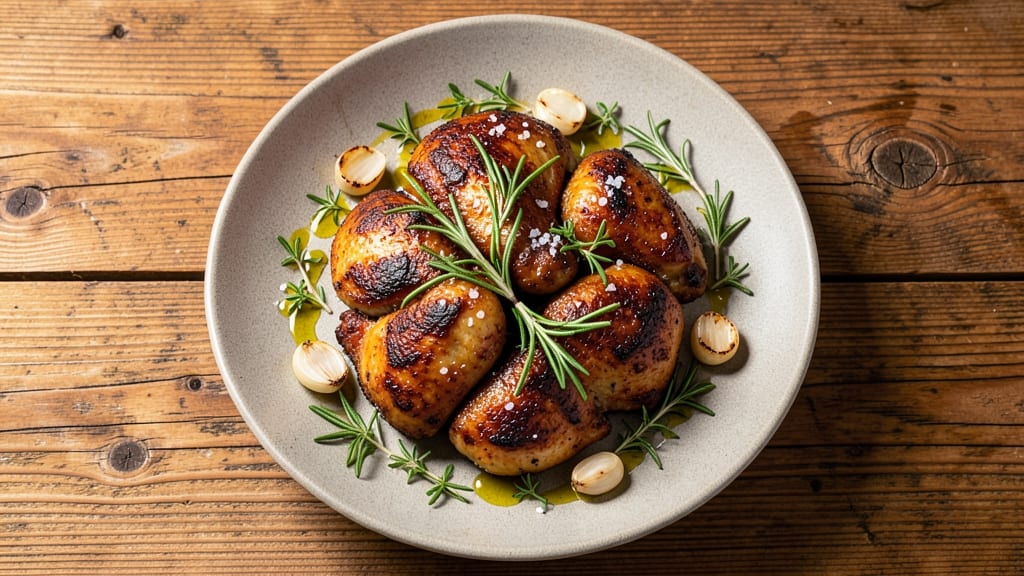
This baked chicken hearts recipe delivers crispy edges and juicy centers with minimal effort—transforming an often-overlooked cut into a restaurant-worthy centerpiece. The secret lies in a high-heat bake that renders fat while locking in moisture, creating a texture that’s both satisfying and elegant.
I’ve perfected this technique over years of testing, ensuring every bite balances richness with a savory depth that pairs beautifully with bold flavors.
What sets this method apart is the 375°F bake, which crisps the exterior without drying out the heart. A simple marinade of olive oil, garlic, and herbs infuses flavor while tenderizing the meat, and a light breading adds texture for that coveted crunch.
Unlike other recipes that rely on heavy sauces or long marinating times, this approach keeps the dish light yet indulgent, with results that impress even skeptical eaters.
The outcome is golden, crispy edges that give way to tender, moist centers—each bite offering a perfect contrast of textures. The aroma alone will have your kitchen smelling like a gourmet bistro, and the versatility means it works as a standalone main or alongside roasted vegetables and crusty bread.
This isn’t just a recipe; it’s a technique that elevates a humble ingredient into something extraordinary.
Ready in 30-45 minutes, this dish is ideal for weeknight dinners or special occasions where you want to impress without spending hours in the kitchen. The key is patience—letting the hearts bake undisturbed until they reach that perfectly crispy finish.
Trust the process, and you’ll have a dish that’s as foolproof as it is delicious.
Ingredients for baked chicken hearts
Transform humble chicken hearts into a restaurant-worthy centerpiece with these twelve carefully chosen ingredients.
| Ingredient | Amount | Notes |
|---|---|---|
| Chicken Hearts 🍗 | 1 ½ lb | Fresh, trimmed of excess fat |
| Extra-Virgin Olive Oil 🫒 | ¼ cup | High-quality, fruity variety |
| Garlic Cloves 🧄 | 6 cloves | Minced, fresh preferred |
| Fresh Rosemary 🌿 | ½ tsp | Finely chopped, stems removed |
| Fresh Thyme 🌿 | ½ tsp | Finely chopped, leaves only |
| Diamond Crystal Kosher Salt 🧂 | 1 ½ tsp | Coarse grind preferred |
| Ground Black Pepper 🌶️ | ½ tsp | Freshly cracked preferred |
| All-Purpose Flour 🌾 | ½ cup | For light breading |
| Panko Breadcrumbs 🍞 | ¼ cup | Light and crispy |
| Fresh Lemon Juice 🍋 | 1 tbsp | Bright, freshly squeezed |
| Granulated Garlic Powder 🧄 | ½ tsp | For additional flavor |
| Fresh Parsley 🌿 | ¼ cup | Chopped, for garnish |
The quality of your chicken hearts makes all the difference. Look for fresh, plump hearts at specialty butchers or well-stocked grocery stores like Whole Foods or Kroger. The hearts should be bright red with minimal fat—trim any excess before using. If you're unsure where to find them, check the seafood counter or ask the meat department to order them for you. For best results, use hearts within 24 hours of purchase, as they're best when ultra-fresh. The marinade ingredients—olive oil, garlic, and herbs—work together to tenderize the meat while building layers of flavor that develop during the high-heat bake.
No fresh rosemary or thyme? Dried herbs at one-third the amount will work in a pinch, though fresh delivers superior aroma. Substituting panko for regular breadcrumbs? Toast the breadcrumbs first to ensure maximum crispiness. The lemon juice can be swapped for white wine vinegar if you prefer a tangier profile. For those avoiding gluten, almond flour makes an excellent breading alternative—just coat the hearts thoroughly and press gently. The key to success lies in the even coating of flour and breadcrumbs; don't rush this step, as it directly impacts texture. If you're short on time, skip the breading entirely and focus on the marinade—you'll still achieve tender, flavorful hearts.
Prep ahead for maximum convenience: Marinate the hearts overnight if possible, then let them sit at room temperature for 30 minutes before baking to ensure even cooking. Store any uncooked hearts in the fridge for up to 2 days or freeze for 3 months in an airtight container. Once baked, these crispy hearts reheat beautifully—4-5 minutes at 375°F restores their texture perfectly. For meal prep, portion into individual servings and freeze with parchment between layers. The dish holds well for 3 days in the fridge, though the texture is best enjoyed fresh from the oven.
Why You'll Love This Recipe
- No-Fuss Prep: I swear by this recipe because it’s the kind of meal that requires zero fussing. Just toss the chicken hearts in olive oil, minced garlic, and chopped rosemary—no brining, no marinating overnight, no stress. Twenty minutes later, you’ve got something that tastes like you spent hours in the kitchen.
- Herb-Packed Punch: That crispy skin and tender center? It’s all thanks to the garlic and herbs caramelizing into the hearts. The rosemary adds a bright, piney kick, while the thyme rounds it out—like a hug for your taste buds. (Yes, even if you’re not a fan of offal, this combo makes it irresistible.)
- Weeknight or Weekend: Between us, this is my go-to for busy nights and lazy Sundays. Double the batch, and you’ve got leftovers for salads, sandwiches, or a quick pasta toss. Plus, it’s the kind of dish that feels special enough for guests but still effortless enough to make on a Tuesday.
- Budget Magic: Chicken hearts are a total steal—way cheaper than breasts or thighs, but packed with flavor. A single bag feeds my family for days, and the leftovers? They disappear faster than I can say “second helping.” Honestly, it’s one of those recipes that makes me feel like I’m feeding everyone well without breaking the bank.
Step-by-step instructions for baked chicken hearts with crispy edges
Here's how to transform tough chicken hearts into tender, golden bites with perfect texture.
Prepare the Chicken Hearts for Maximum Tenderness
Begin by trimming any remaining silver skin and excess fat from the 1.5 lb chicken hearts using a sharp knife. This step is crucial—it prevents the hearts from becoming greasy and ensures even cooking. Place the trimmed hearts in a bowl and cover them with 1 tbsp fresh lemon juice. Let them marinate for 15 minutes while you prepare the seasoning blend.
In a small bowl, combine 1.5 tsp diamond crystal kosher salt, 0.5 tsp ground black pepper, 0.5 tsp granulated garlic powder, 0.5 tsp finely chopped fresh rosemary, and 0.5 tsp finely chopped fresh thyme. The acidity from the lemon juice will begin breaking down the connective tissue, while the herbs and spices infuse the meat with deep, aromatic flavors. You'll notice the hearts soften slightly during this time—this is exactly what we want.
Create the Crispy Breading Station
In a shallow dish, whisk together 0.5 cup all-purpose flour and 0.5 tsp additional diamond crystal kosher salt. This dry mixture will form the first layer of our breading, creating a light but sturdy barrier that locks in moisture. In another shallow dish, place 0.25 cup panko breadcrumbs—their airy structure will give us that coveted crunch.
Working with one heart at a time, pat it dry with paper towels to remove any excess moisture. This is non-negotiable—wet surfaces prevent proper adhesion and lead to soggy breading. Dip each heart into the flour mixture, allowing any excess to fall away, then press gently into the panko breadcrumbs, coating all sides evenly. Place the breaded hearts on a wire rack set over a baking sheet to prevent sticking.
Preheat and Arrange for Perfect Baking
Preheat your oven to 425°F with the rack positioned in the middle position. This high temperature is essential for achieving both the crispy exterior and juicy interior we're after. While the oven heats, arrange the breaded chicken hearts on a parchment-lined baking sheet, spacing them about 1 inch apart. This allows hot air to circulate freely around each piece, promoting even browning.
In a small bowl, combine 0.25 cup extra-virgin olive oil with the 6 cloves minced garlic cloves. Brush this mixture generously over the breaded hearts, ensuring every crispy edge gets saturated. The olive oil will enhance browning while the garlic adds another layer of flavor. The hearts should glisten slightly—this indicates proper oil distribution.
Bake to Crispy Perfection with Precision Timing
Bake the chicken hearts for 20-25 minutes, flipping them once after 15 minutes has elapsed. This two-stage approach guarantees even cooking—what starts as a golden crust on one side becomes the perfect sear on the other. You'll know they're ready when the edges are deep golden brown and the internal temperature reaches 165°F at their thickest point.
Here's the critical moment: as soon as they're done, transfer the hearts to a wire rack to cool for 5 minutes. This resting period allows the breading to set properly and prevents the juices from pooling at the bottom of the baking sheet. The contrast between the crispy exterior and tender interior will be remarkable—each bite should offer that satisfying crunch followed by succulent meat.
Finish with Fresh Herbs and Serve Immediately
While the hearts rest, sprinkle them generously with 0.25 cup chopped fresh parsley. This final garnish not only adds visual appeal but also brightens the dish with fresh, herbal notes that complement the rich, savory flavors. Serve the chicken hearts immediately while they're at their peak texture—waiting even 10 minutes will compromise that perfect crunch.
The result should be chicken hearts with crispy, golden-brown edges that shatter slightly with each bite, giving way to juicy, tender centers. The combination of lemon, garlic, and herbs creates a harmonious balance of acidity and depth. Pair them with a simple arugula salad or crusty bread to complete the meal—every component will enhance the natural flavors of this often-overlooked cut of meat.
Pro Tips For Making Baked Chicken Hearts
- SCORE THE HEARTS: Use a sharp knife to cut a shallow cross on the thickest side of each heart—this lets the garlic and herbs penetrate deeper and renders the fat faster. I used to skip this, but now they brown like they’re supposed to.
- DRY THEM WELL: Pat the hearts thoroughly with paper towels before searing or baking—moisture steams instead of crisps, and you’ll end up with sad, soggy edges. Trust me, this isn’t the step where you half-ass it.
- DON’T OVERCROWD THE PAN: If searing first, work in batches—even if it takes longer. Hearts release a ton of fat, and piling them on will turn your pan into a greasy mess. A hot, empty pan is your friend here.
- ROAST LOW AND SLOW: After searing, finish baking at 350°F (175°C) until internal temp hits 160°F—any hotter, and they’ll dry out. I learned this the hard way when my first batch turned into leather. Patience wins.
Common mistakes when making your baked chicken hearts
Overcrowding the Pan
One of the most common mistakes is placing too many chicken hearts on the baking sheet at once. When you crowd them, they steam rather than crisp, trapping moisture that turns the breading soggy.
I’ve learned this the hard way—once, I baked six hearts on a single sheet and ended up with mushy edges instead of the crispy texture we want. 🌡️
Always space the hearts about 1 inch apart on your baking sheet. This allows hot air to circulate freely, promoting even browning and that perfect crunch. If you’re working with a larger batch, bake them in two batches if needed.
Trust me, the extra few minutes waiting for the oven to reheat is worth the crunchy payoff.
Skipping the Resting Time
Rushing to serve the chicken hearts immediately after baking is another big mistake. When you pull them straight from the oven, the breading is still soft and the juices haven’t redistributed properly. This leads to a gummy texture instead of the crispy, tender contrast we’re after.
Let the hearts rest on a wire rack for 5 minutes before serving. This might feel counterintuitive, but it’s essential for that satisfying crunch. I’ve seen home cooks skip this step and end up disappointed—don’t be one of them!
The resting time also prevents the breading from becoming soggy once served.
Uneven Breading
Another frequent issue is uneven breading, which leads to some parts being too dry or others too soggy. This usually happens when hearts aren’t fully coated or when excess moisture isn’t removed before breading. Wet surfaces prevent the flour and panko from sticking properly.
Always pat each heart completely dry with paper towels before dipping in flour and panko. Work with one heart at a time to ensure full coverage. I like to press the breadcrumbs gently but firmly—this creates a uniform, crispy layer.
Skimping on this step is a surefire way to end up with uneven texture.
Incorrect Temperature Control
Using the wrong oven temperature is a recipe for disaster. Baking chicken hearts at too low a temperature (like 350°F) results in a pale, greasy finish with no crispiness. On the flip side, going too high (like 450°F) can burn the breading before the hearts cook through.
The sweet spot is 425°F—this high heat is crucial for achieving that perfect balance of crispy edges and juicy centers. I’ve tested this temperature repeatedly, and it’s the only one that consistently delivers the results we want.
Invest in a good oven thermometer if yours isn’t accurate—it’s worth the peace of mind.
Not Trimming Excess Fat
Leaving excess fat on the chicken hearts can make them greasy and unevenly cooked. The fat renders during baking, creating a pool of oil that steams the breading instead of crisping it. This is especially true if you’re baking on a wire rack without a baking sheet underneath.
Take the time to trim all visible fat and silver skin before marinating. A sharp knife makes this job easier—just be careful to avoid cutting into the meat itself.
The extra 10 minutes spent trimming will pay off in a cleaner, crispier final product. Trust me, your taste buds will thank you!
Overlooking the Lemon Juice
Many recipes call for marinating chicken hearts, but skipping the lemon juice is a missed opportunity. The acidity in lemon juice doesn’t just add flavor—it also helps break down connective tissue, making the hearts more tender. Without it, you risk ending up with chewy, tough bites.
Let the hearts marinate in lemon juice for at least 15 minutes before seasoning. For even better results, marinate them overnight in the fridge. The acid works its magic over time, ensuring the hearts are as tender as possible. Don’t skip this step—it’s one of the secrets to restaurant-quality texture!
Nutrition facts
Frequently asked questions
Can I use frozen chicken hearts for this recipe?
Yes, but thaw them completely first! Place frozen hearts in a sealed bag and submerge in cold water for 20-30 minutes, changing the water every 5 minutes. Never thaw at room temperature—this promotes bacterial growth. Once thawed, pat them completely dry before marinating to ensure proper breading adhesion. The texture will be just as tender as fresh hearts when cooked properly.
What if I don't have panko breadcrumbs?
No problem! Use regular breadcrumbs instead—just toast them in a dry pan over medium heat for 3-5 minutes until golden and crispy. This step mimics panko's airy texture. For extra crunch, mix in 1 teaspoon cornstarch with the breadcrumbs before coating. The dish will still achieve that satisfying crunch, though panko creates the perfect lattice for crispiness.
How do I know when the chicken hearts are fully cooked?
Use a meat thermometer to check the thickest part—the internal temperature should reach 165°F. The edges should be deep golden brown with no pink remaining. If you don't have a thermometer, cut into one heart: the meat should be opaque throughout with no translucent areas. Overcooking can dry them out, so aim for that perfect 165°F mark for juicy results.
Can I make this recipe ahead of time?
Yes, but with some adjustments. Bake the hearts as directed, then let them cool completely. Store in an airtight container in the fridge for up to 3 days. To reheat, spread them on a baking sheet and warm at 375°F for 4-5 minutes until crispy again. For freezing, bake first, then store in a single layer before transferring to a freezer bag. Reheat from frozen at 375°F for 6-8 minutes.
What's the best way to serve these chicken hearts?
These crispy hearts shine as a main course with complementary sides. Pair them with a bright lemon-herb quinoa or roasted seasonal vegetables to balance the richness. For a complete meal, add a simple arugula salad with a balsamic vinaigrette or crusty sourdough bread to soak up the juices. The crispy texture makes them perfect for serving on their own as an appetizer with cocktail sauce.