
Main Courses
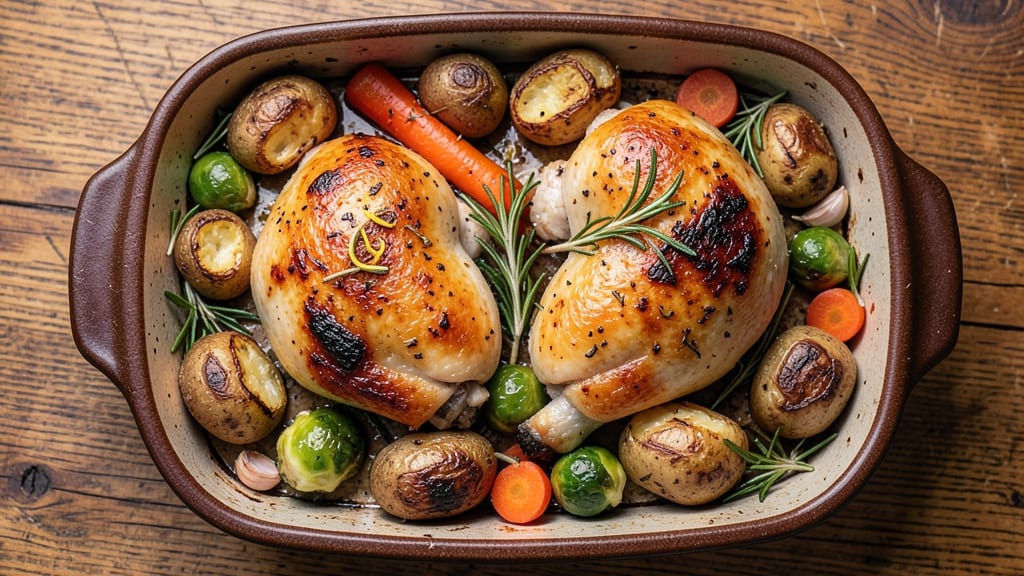
This baked chicken legs with vegetables recipe delivers restaurant-quality results with minimal effort—juicy, golden chicken and perfectly crispy vegetables all roasted together. The secret lies in foil-sealing the chicken legs with aromatic herbs and garlic, locking in moisture while the vegetables caramelize on the edges.
I've perfected this method over countless weeknight dinners, and it never fails to impress. What sets this recipe apart is the one-pan approach, where chicken legs and seasonal vegetables roast together for a cohesive meal with minimal cleanup.
The high-heat baking creates crispy, caramelized edges on the vegetables while keeping the chicken tender and flavorful. This method works with any combination of vegetables—potatoes, carrots, Brussels sprouts, or even asparagus—but the key is proper seasoning and timing.
By the time you pull this dish from the oven, you'll have crispy vegetables with charred edges and chicken that's golden brown and juicy inside. The aromas alone will have everyone gathering around the table, and the flavors are balanced perfectly—savory, slightly sweet, and herbaceous.
The foil-sealing technique ensures the chicken stays moist, while the vegetables develop that coveted caramelized texture that makes everything taste like it came from a professional kitchen. This recipe is designed for foolproof results, making it ideal for weeknight dinners or meal prep.
The components come together seamlessly, and the plating is effortless—just arrange the chicken and vegetables on a platter and serve. Here's how to make it happen.
Ingredients for baked chicken legs with vegetables
Restaurant-quality flavor starts with these carefully chosen ingredients for perfectly foil-sealed chicken legs and crispy roasted vegetables.
| Ingredient | Amount | Notes |
|---|---|---|
| Chicken Legs (Thigh-Drumstick) 🍗 | 4 whole | Bone-in, skin-on for best flavor |
| Baby Potatoes 🥔 | 1 ½ lb | Halved, unpeeled for texture |
| Carrots 🥕 | 4 whole | Cut into 2-inch chunks |
| Brussels Sprouts 🥬 | 1 lb | Trimmed, halved if large |
| Garlic Cloves 🧄 | 6 cloves | Minced for aromatic base |
| Fresh Rosemary 🌿 | ¼ cup | Chopped, stems removed |
| Fresh Thyme 🌿 | ¼ cup | Leaves only, finely chopped |
| Olive Oil 🫒 | ½ cup | Extra-virgin for richness |
| Dried Oregano 🌶️ | 1 tsp | For Mediterranean depth |
| Kosher Salt 🧂 | 2 tsp | Diamond Crystal preferred |
| Ground Black Pepper 🌶️ | 1 tsp | Freshly cracked for heat |
| Aluminum Foil 📄 | 1 sheet | Heavy-duty for sealing |
| Lemon Juice 🍋 | 2 tbsp | Freshly squeezed for brightness |
The chicken legs are the foundation—bone-in, skin-on thighs deliver unmatched flavor and moisture. Look for legs with a golden hue and good marbling at Whole Foods or your local butcher. The vegetables should be fresh but firm, especially the Brussels sprouts—avoid any with yellowing leaves. For the herbs, fresh rosemary and thyme elevate the dish beyond basic seasoning. If using frozen vegetables, thaw and pat dry thoroughly to ensure crispy edges. The olive oil should be extra-virgin with a peppery finish, as it carries the herb flavors during roasting.
No fresh rosemary? Dried rosemary at half the amount works in a pinch, though fresh is preferred. Substitute Brussels sprouts for asparagus or green beans if needed, adjusting cooking time accordingly. For a smokier flavor, add ½ tsp smoked paprika to the seasoning mix. The lemon juice can be swapped for white wine vinegar if you prefer a tangier profile. If your carrots are particularly large, cut them into even 2-inch chunks to ensure uniform cooking. The foil-sealing technique is non-negotiable—it locks in moisture while allowing the vegetables to caramelize beautifully.
Store any unused fresh herbs in a damp paper towel-lined container for up to 5 days. The chicken legs and vegetables can be prepped ahead and refrigerated for 24 hours before roasting, but assemble just before baking for best texture. Leftover chicken and vegetables reheat beautifully in a 400°F oven for 10-12 minutes, covered with foil. For meal prep, portion the chicken and vegetables separately and store in airtight containers for up to 3 days. The foil-sealed method ensures the chicken stays juicy even when reheated.
Why You'll Love This Recipe
- One-Pan Magic: I swear by this for lazy nights—just toss everything on a sheet pan, drizzle with olive oil, and let the oven do the work. No pots, no pans, no stress. The chicken thighs stay juicy while the veggies caramelize right next to them.
- Garlic Kiss: Between us, those minced garlic cloves roasted with the Brussels sprouts? Absolute flavor gold. The sprouts get crispy edges, the carrots turn tender-sweet, and the potatoes soak up all that garlic goodness. It’s like a hug for your taste buds.
- Budget-Friendly Feast: Chicken thighs are cheaper than breasts, and baby potatoes, carrots, and Brussels sprouts stretch a long way. I’ve fed four people for under $15, and everyone leaves happy. Plus, it’s the kind of meal where you can add whatever’s on sale—no waste, all flavor.
Step-by-step instructions for baked chicken legs with vegetables
Master the foil-sealing technique for perfectly juicy chicken and caramelized vegetables.
Prep the Chicken and Vegetables for Even Cooking
Pat the 4 whole chicken legs dry with paper towels—this is critical for crispy skin. Remove any excess skin from the thighs but leave it on the drumsticks for flavor. In a small bowl, combine the 0.25 cup fresh rosemary, 0.25 cup fresh thyme, 1 tsp dried oregano, 2 tsp kosher salt, and 1 tsp ground black pepper. Rub this mixture all over the chicken, pressing it into the meat so it adheres well.
While the chicken rests, prepare the vegetables. Halve the 1.5 lb baby potatoes (leave skins on for texture), cut the 4 whole carrots into 2-inch chunks, and trim the 1 lb brussels sprouts, halving any larger ones. In a separate small bowl, mix the 0.5 cup olive oil with the 6 minced garlic cloves and 2 tbsp lemon juice. Toss the prepared vegetables in this mixture until evenly coated.
Create the Foil-Sealed Packages
Preheat your oven to 400°F. Cut the 1 sheet aluminum foil into four 18-inch squares. Divide the seasoned chicken legs among the foil squares, placing one leg on each. Arrange the vegetables around each chicken leg, creating a single layer. Fold the foil up the sides of the pan, then bring the edges together and crimp tightly to seal—this traps steam and creates that signature juicy result.
Place the sealed packages on a baking sheet to catch any potential drips. The foil should be completely airtight—if you poke a small hole with a fork, steam should escape when you open it later. This technique ensures the chicken stays moist while the vegetables roast evenly.
Bake Until Golden and Tender
Bake the foil-sealed packages for 45 minutes. After this initial baking time, remove one package from the oven and carefully open it—you're looking for chicken that's cooked to 165°F internally and vegetables that are tender when pierced with a fork. If the chicken isn't quite there, return all packages to the oven for another 10-15 minutes.
Once the chicken reaches the proper temperature, transfer the packages to a cutting board. Let them rest for 5 minutes before serving—this allows the juices to redistribute. The vegetables should be caramelized with crisp edges, and the chicken skin should be golden brown and crispy, while the meat remains juicy and tender.
Serve with Fresh Herbs and Bright Flavor
Carefully open each foil package and arrange the chicken legs and vegetables on serving plates. Drizzle any accumulated juices from the foil over the top for extra flavor. Garnish with additional chopped fresh rosemary and thyme if desired, and serve immediately while everything is hot.
The result should be perfectly crispy chicken skin with succulent meat, paired with caramelized vegetables that have absorbed all the herby, citrusy flavors. This method delivers restaurant-quality results with minimal effort—just be patient with the foil sealing and resting steps.
Pro Tips For Making Baked Chicken Legs With Vegetables
- Preheat Like a Pro: Your oven should hit 425°F (220°C) and roast for at least 15 minutes before adding anything—this guarantees crispy chicken skin and caramelized veggies from the start. I used to skip this, and my Brussels sprouts always came out soggy instead of golden.
- Trim Brussels Sprouts: Cut the tough stems off Brussels sprouts and halve them (quarter if large)—this ensures even cooking and prevents some sprouts from staying undercooked while others burn. I learned this the hard way when I left a few whole and they turned into rubbery hockey pucks.
- Don’t Overcrowd the Pan: Leave space between chicken legs and veggies—at least ½ inch—so heat circulates properly. I used to cram everything in, and the potatoes ended up steamed instead of crispy. A single layer on a sheet pan is your friend.
- Rest the Chicken: Let baked chicken legs rest for 5-10 minutes under foil before serving—this keeps juices locked in instead of dripping out. I know, I know, but trust the process: cutting too soon turns your crispy skin into a sad, greasy mess.
Common mistakes when making this dish
Overcooking the Chicken
One of the biggest mistakes is leaving the chicken legs in the oven too long. Once they hit 165°F internal temperature, they'll keep cooking from residual heat. I've ruined perfectly good chicken by walking away and forgetting about it—overcooked chicken becomes dry and tough.
Always check with a meat thermometer and remove them promptly. 🌡️
Skipping the Resting Time
Rushing to serve the chicken immediately after baking causes juices to spill out, leaving you with dry meat. The 5-minute rest lets flavors settle and moisture redistribute. I learned this the hard way when I sliced into chicken right after pulling it from the oven—it was disappointing.
Trust me, patience pays off with juicy, flavorful results.
Uneven Vegetable Cooking
Placing all vegetables in one layer can lead to some pieces cooking faster than others. Smaller items like Brussels sprouts will crisp up while larger potatoes remain undercooked.
To fix this, arrange vegetables in even layers**—smaller pieces on top, larger ones on the bottom. This ensures everything cooks at the same rate.
Poor Foil Sealing
If the foil isn't properly sealed, steam escapes, and the chicken stays dry. I've seen people just loosely fold the foil, which defeats the whole purpose.
Using Wet Vegetables
Tossing vegetables in dressing or oil while they're still wet creates steam instead of crispy edges. Pat everything dry with paper towels before seasoning. I once used slightly damp Brussels sprouts and ended up with soggy, flavorless vegetables. A quick dry-off makes all the difference for that perfect caramelized texture. 🥬
Ignoring the Lemon Juice
Skipping the 2 tablespoons lemon juice robs the dish of its bright, fresh finish. The acidity cuts through the richness of the chicken and balances the earthy herbs. I've made this recipe without it, and while it's still good, that bright pop of citrus takes it from ordinary to extraordinary.
Don't skip this step—it's the secret to restaurant-quality flavor.
Nutrition facts
Frequently asked questions
Why does the foil-sealing method keep chicken legs juicy?
The foil creates a steam chamber that locks in moisture during baking. When the chicken releases its natural juices, they circulate around the meat instead of evaporating. This method is especially effective for bone-in chicken legs, which can dry out easily. The sealed environment also helps distribute the herb and garlic flavors evenly throughout the meat.
Can I use different vegetables in this recipe?
This recipe works with any combination of vegetables that hold up well to roasting. Try swapping in asparagus, green beans, bell peppers, or sweet potatoes. For best results, cut vegetables into similar-sized pieces so they cook evenly. Harder vegetables like carrots and potatoes should go on the bottom layer, while softer ones like Brussels sprouts can go on top.
How do I know when the chicken is fully cooked?
Use a meat thermometer to check the internal temperature—it should reach 165°F in the thickest part of the thigh. The skin should also be golden brown and crispy. If you don't have a thermometer, cut into the thickest part of the meat—it should be opaque with no pink juices. Never rely on color alone, as chicken can appear cooked while still being underdone.
Can I make this recipe ahead of time?
You can prep all the ingredients and season the chicken and vegetables up to 24 hours ahead, but assemble and bake them fresh for best texture. For leftovers, store components separately in airtight containers for up to 3 days. Reheat in a 400°F oven for 10-12 minutes, covered with foil, to maintain moisture. The foil-sealed method helps preserve juiciness even when reheating.
What if I don't have fresh herbs?
Use ½ tsp dried rosemary and ½ tsp dried thyme as substitutes (about ⅓ the amount of fresh). For even more flavor, add ½ tsp dried oregano or smoked paprika to enhance the depth. While fresh herbs are ideal, dried versions still deliver great results—just make sure they're finely ground for even distribution.