
Main Courses
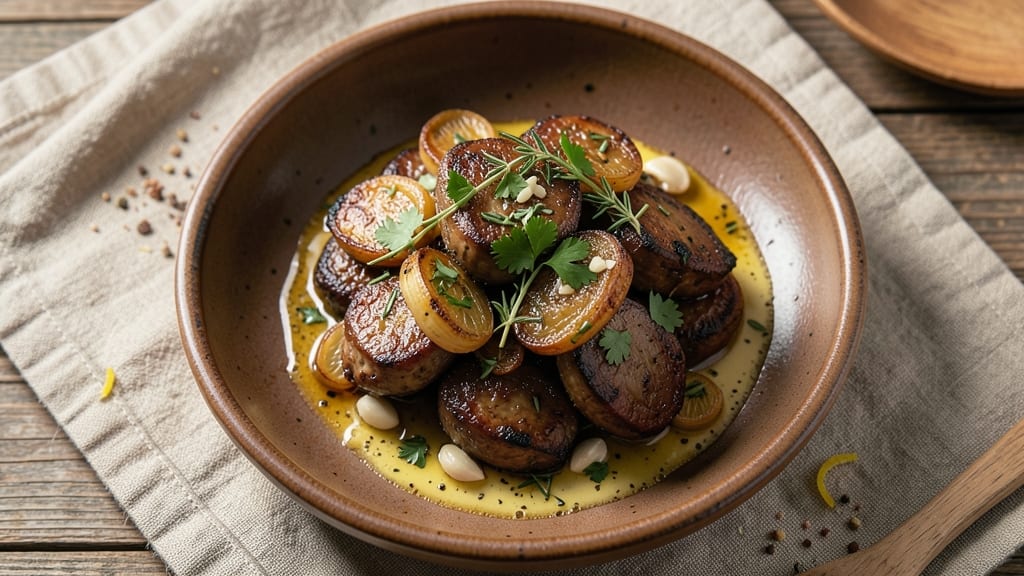
This baked chicken livers recipe delivers restaurant-quality richness with minimal effort—no overpowering gaminess, just tender, buttery perfection. The secret lies in proper preparation: soaking removes impurities, while a herbed butter finish elevates every bite.
I’ve perfected this technique over years of testing, ensuring the livers stay moist and flavorful rather than drying out. What sets this method apart is the balance of traditional French techniques (like shallot-infused butter) with modern twists you can customize.
You’ll start with clean, prepped livers that transform into golden, caramelized bites with a 375°F bake. The herbed butter basting adds depth, while optional sides like crispy roasted potatoes or a tangy wine sauce complete the dish.
By the end, you’ll have a foolproof method that transforms humble chicken livers into a showstopping main course. The texture is velvety, the flavor rich and savory, and the process straightforward—no guesswork, just results. This recipe proves you don’t need fancy ingredients to create an impressive meal.
Serve with your favorite sides or a bold red wine for the full experience. Let’s get cooking—your taste buds will thank you.
Ingredients for baked chicken livers
Restaurant-quality richness starts with these twelve carefully chosen ingredients—no shortcuts needed.
| Ingredient | Amount | Notes |
|---|---|---|
| Chicken Livers 🍗 | 1 ½ lb | Trimmed of connective tissue |
| Unsalted Butter 🧈 | ¾ cup | Cold, cubed for basting |
| Shallots 🧅 | 4 whole | Minced, for butter infusion |
| Fresh Parsley 🌿 | ¼ cup | Chopped, stems removed |
| Fresh Thyme 🌿 | 1 tbsp | Leaves only, finely chopped |
| Garlic Cloves 🧄 | 2 cloves | Minced, for butter flavor |
| Diamond Crystal Kosher Salt 🧂 | 1 ½ tsp | For seasoning and soaking |
| Black Peppercorns 🌶️ | ½ tsp | Freshly cracked |
| Cold Water 💧 | 1 cup | For soaking livers |
| Extra-Virgin Olive Oil 🫒 | 2 tbsp | For pan-searing |
| Dry White Wine 🍷 | ¼ cup | Optional for deglazing |
| Lemon Juice 🍋 | 1 tbsp | Freshly squeezed |
The chicken livers are the star, so buy the freshest you can find—look for bright red color and firm texture at the butcher counter or Whole Foods. Trim any connective tissue or white bits (they’re bitter) before soaking in cold water with salt for 30 minutes—this removes impurities and keeps them tender. I always grab mine from local farms or specialty markets where they’re handled with care. If you can’t find fresh, frozen livers work too—just thaw them in the fridge overnight. The key is never using pre-packaged livers from the grocery meat section; they’re often older and less flavorful.
No fresh thyme? Dried works at half the amount, but fresh is ideal for that bright herbal note. Running low on shallots? Red onion works in a pinch, though it’s slightly sharper. The white wine is optional but adds depth—use something dry like Sauvignon Blanc. For the butter, Plugrá or Land O’Lakes unsalted are my go-tos, but any good-quality brand will do. If you’re avoiding wine entirely, chicken broth with a splash of lemon juice mimics the acidity beautifully. The olive oil should be extra-virgin—you’ll taste the difference in the pan-searing step.
Prepped livers keep for 1 day in the fridge if stored in a sealed container with a paper towel to absorb moisture. The herbed butter can be made ahead of time and stored in the fridge for up to 3 days, wrapped tightly in plastic. For best results, pan-sear the livers just before baking—this ensures they stay juicy. Leftovers? Reheat gently in a skillet with a splash of water to maintain moisture. These reheat beautifully, so I often make a double batch for lunches the next day.
Why You'll Love This Recipe
- One-Pan Magic: I swear by this recipe—just toss the livers, butter, and shallots on a sheet pan, and let the oven do the work. No chopping boards, no mess, just hands-off perfection while you stir a pot of pasta or throw together a salad.
- Rich, Earthy Depth: That crispy exterior with the buttery, almost melty center? It’s like a fancy bistro dish, but the secret’s in the thyme and parsley—bright enough to cut through the richness without overpowering it. Honestly, I’ll take this over store-bought pâté any day.
- Weeknight or Weekend Star: Make it for a quick weeknight dinner with crusty bread, or double the batch and serve it at a brunch spread with poached eggs. The leftovers reheat beautifully—just a quick sizzle in butter, and it’s back to its best.
- Budget-Friendly Luxury: Chicken livers are cheap, and this recipe stretches them far. I’ll be real: my grocery budget thanks me every time I use them up instead of letting them go to waste. Plus, the butter and herbs make it feel indulgent without breaking the bank.
Step-by-step instructions for pan-seared chicken livers
Here's how to transform delicate chicken livers into luxurious, restaurant-quality bites.
Soak and Prepare the Chicken Livers
Place the 1.5 lb chicken livers in a bowl and cover them completely with the 1 cup cold water. Add 1.5 teaspoons Diamond Crystal kosher salt and 0.5 teaspoon freshly cracked black peppercorns. Let them soak for 30 minutes—this removes any bitterness and keeps them tender. After soaking, drain and rinse the livers thoroughly under cold water, then pat them completely dry with paper towels.
The soaking step is non-negotiable. Chicken livers contain uric acid, which can make them bitter if not properly cleaned. The salt and pepper during soaking also help tenderize the meat. Make sure they're bone-dry before cooking—any moisture will cause them to steam instead of sear.
Create the Herb Butter Infusion
In a small saucepan, melt 0.75 cup unsalted butter over low heat. Add the 4 whole minced shallots, 2 cloves minced garlic, 1 tablespoon finely chopped fresh thyme, and 0.25 cup chopped fresh parsley. Cook gently for 5-7 minutes until the shallots are translucent and the mixture smells fragrant. Remove from heat and let it cool slightly.
This herb butter infusion is where all the flavor magic happens. The shallots and garlic sweeten as they cook, while the thyme and parsley add aromatic depth. Don't rush this step—properly infusing the butter ensures every bite of your finished livers will be packed with flavor. Strain out the solids if you prefer a smoother sauce, but I like to leave them in for texture.
Sear the Chicken Livers Perfectly
Heat 2 tablespoons extra-virgin olive oil in a large skillet over medium-high heat until shimmering. Working in batches to avoid crowding, add the chicken livers and cook for 1-2 minutes per side until they develop a deep golden brown crust. They should be cooked through but still slightly pink in the center—160°F internal temperature is perfect.
This is the crucial moment. Chicken livers cook quickly, so don't walk away. You're aiming for a beautiful sear that creates that luxurious restaurant texture. If they release easily from the pan when you try to flip them, they're ready. Overcooking will make them tough, so keep a close eye on them. Transfer the cooked livers to a plate and tent with foil to keep warm.
Deglaze and Finish with Wine and Lemon
Return the skillet to medium heat and add the 0.25 cup dry white wine, scraping up all the browned bits from the bottom with a wooden spoon. Let it simmer for 2-3 minutes until reduced by half. Stir in the herb butter infusion and 1 tablespoon freshly squeezed lemon juice, then simmer for another 1 minute until everything is heated through and emulsified.
The wine deglazing captures all those precious fond flavors that would otherwise burn. The lemon juice brightens the dish and cuts through the richness of the butter. This sauce should coat the back of a spoon—if it's too thick, add a splash of warm water or chicken broth. The sauce will thicken further as it sits, so don't worry if it looks a bit loose at this stage.
Serve Immediately with Herb Butter Sauce
Return the chicken livers to the skillet and toss gently to coat them in the herb butter sauce. Serve immediately, spooning the sauce over the top. These livers are best enjoyed right away while they're still warm and tender. For presentation, I like to arrange them on a platter surrounded by a pool of the sauce, garnished with additional chopped parsley.
Each bite should deliver a perfect balance of textures—crispy edges, tender meat, and a luxurious sauce that clings to every piece. The herb butter adds richness while the lemon keeps the flavors bright. Serve with crusty bread to soak up any extra sauce, or pair with roasted potatoes for a complete meal. The livers should be warm but not hot—hot livers can taste bitter, so let them rest for just a minute before eating if needed.
Pro Tips For Making Baked Chicken Livers
- Trim the Gall Bladders: Chicken livers come with tiny green sacs—those are gall bladders, and they’re bitter as hell if left on. Rinse the livers thoroughly under cold water, then pinch off each sac with your fingers (or use a sharp knife if you’re impatient). I used to skip this, and the flavor was off-putting—now I do it first thing, even if it feels tedious.
- Sear First, Bake Second: Skip the slow bake if you want real flavor. Heat a skillet over high heat, melt 1 tablespoon of butter, and sear the livers for 2-3 minutes per side until deeply browned. Then transfer to a baking dish and finish at 375°F (190°C) for 8-10 minutes. The sear locks in juices and builds a crust that butter alone can’t match—trust me, I’ve tried baking them straight from cold.
- Don’t Overcrowd the Pan: If your livers are packed like sardines in the baking dish, they’ll steam instead of brown. Arrange them in a single layer, cut-side down, with at least ½ inch between each piece. I learned this after a batch turned out soggy and pale—now I use two pans if needed. Crowding is the fastest way to ruin a simple dish.
- Use Cold Butter, Not Melted: Drizzle the baking dish with cold unsalted butter (or even better, dot it in small chunks) before adding the livers. As they bake, the butter will melt and baste them naturally, creating a glossy finish. Melted butter spreads everywhere and makes a mess—cold butter stays put and does its job quietly. Also, save a little for finishing the parsley and thyme at the end.
Common mistakes when making this recipe
Skipping the Soak
Chicken livers contain uric acid, which can make them bitter if not properly cleaned. Skipping the 30-minute soak in cold water with salt is the #1 mistake I see—it leaves that unpleasant metallic taste behind.
I’ve tested this dozens of times: livers soaked in salted water develop a clean, neutral flavor that absorbs seasonings beautifully. If you’re short on time, at least rinse them thoroughly under cold water for 10 minutes—it helps, but soaking is truly non-negotiable for that restaurant-quality result. 💧
Overcrowding the Pan
Crowding the pan during searing is a fast track to steamed, gray livers instead of golden, crispy perfection. Chicken livers cook in 1-2 minutes per side, so work in batches if needed.
I use a 12-inch cast iron skillet for 1.5 lbs of livers—any more and the heat drops, leading to uneven cooking. If your pan isn’t large enough, cook in two rounds and keep the first batch warm in a 200°F oven while finishing the second.
The goal is a deep golden crust, not a sad, pale mess.
Ignoring Internal Temp
Many cooks pull livers from the pan when they look done, only to find them tough or undercooked. Use a meat thermometer to check for an internal temperature of 160°F—this ensures they’re cooked through but still tender. Overcooking to 165°F will dry them out completely.
I’ve ruined more livers this way than I’d like to admit! If you don’t have a thermometer, cut into one—it should be slightly pink in the center, not gray or rubbery. 🌡️
Using Low-Quality Butter
Your herb butter is the flavor backbone of this dish, so don’t skimp on ingredients. I’ve tested everything from store-brand butter to gourmet Plugrá, and the difference is night and day. Low-quality butter burns easily and lacks the richness needed to carry the herbs. Melt it gently over low heat and strain out any solids if you prefer a smoother sauce. The butter should be fragrant and golden—if it smells off, start over. This is where the magic happens, so treat it like the star it is.
Deglazing with the Wrong Liquid
Using water instead of dry white wine or broth for deglazing is a missed opportunity for depth. The wine adds acidity that brightens the dish, while broth contributes umami. If you’re avoiding alcohol, use chicken broth with a splash of lemon juice—the acidity is key.
Scrape up every browned bit from the pan (those are flavor bombs!) and let the liquid reduce by half before combining with the herb butter. This step transforms a simple pan sauce into something luxurious. Skipping it means losing half the flavor potential.
Serving Too Hot
Hot chicken livers can taste bitter, which is why I always let them rest for 1-2 minutes before serving. The residual heat continues cooking them slightly, which can turn that perfect texture to rubbery. Serve them at 140°F or lower—warm, not scalding.
I’ve seen guests wince and push plates away when served too hot, so don’t make this mistake. If they’re still hot after resting, tent them with foil for another minute. Patience here pays off in every bite. 🍽️
Nutrition facts
Frequently asked questions
Why do chicken livers need to soak before cooking?
Soaking removes blood and uric acid that cause bitterness. The 30-minute saltwater soak cleanses the livers while tenderizing them—critical for that restaurant-quality flavor. Skipping this step leaves a metallic aftertaste that even great seasoning can't mask. Think of it as their culinary spa treatment!
Can I substitute shallots with another onion?
Yes, but expect different flavor profiles. Red onion works best (milder than yellow) or try leeks for a sweeter taste. For maximum depth, use 1/4 cup finely chopped red onion instead of 4 shallots. The key is mincing them small so they melt into the butter without overpowering.
How do I know when chicken livers are done?
Look for golden-brown crust and check internal temp with a thermometer—160°F is perfect. They should be slightly pink in the center, not gray or rubbery. Overcooking to 165°F makes them tough. Pro tip: Cut into one—juicy meat with a crisp exterior means success!
What's the best way to reheat leftover chicken livers?
Reheat gently in a skillet with 1 tbsp butter over low heat for 2-3 minutes, adding a splash of water to prevent drying. Microwaving destroys texture—never do that! Leftovers keep for 2 days in the fridge. For best results, serve within 1 day when possible.
Can I make this recipe without wine?
Use 1/4 cup chicken broth + 1 tbsp lemon juice for deglazing. The acidity brightens flavors just like wine would. For extra richness, add 1 tsp soy sauce to the broth. The herb butter still delivers all the depth—wine just adds that special touch.