
Main Courses
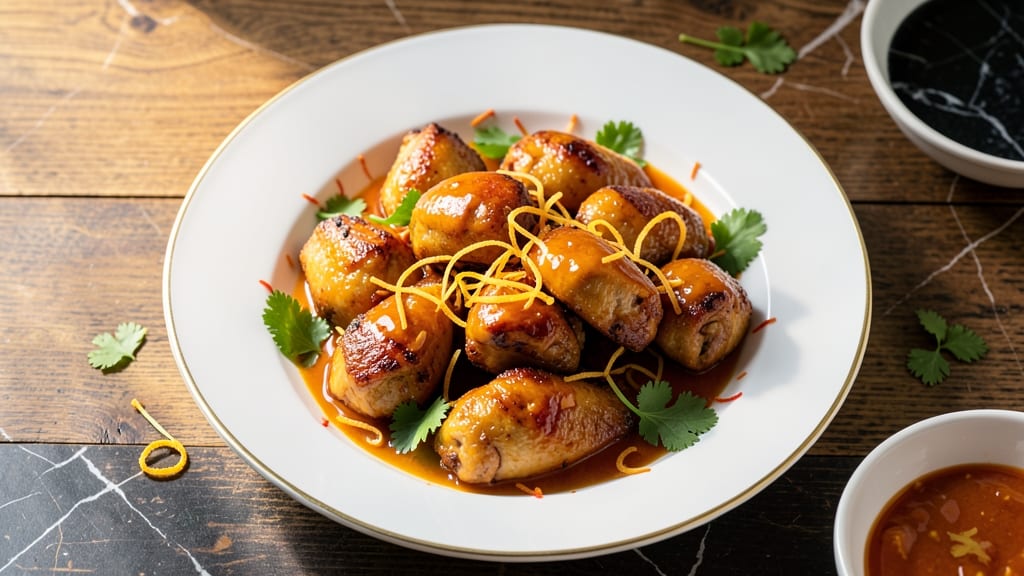
This baked Chinese orange chicken delivers restaurant-quality results with a honey-soy glaze that caramelizes into sticky, sweet perfection—no deep-frying required. The fusion of bright citrus, aromatic ginger, and savory soy creates tender, crispy edges that stay juicy inside, transforming weeknight dinners into standout meals.
I perfected this technique after years of testing, ensuring every bite balances tangy, caramelized sweetness with a satisfying crunch.
The secret lies in the marinade, where orange zest and fresh ginger infuse the chicken while the honey-soy glaze develops depth during baking. Unlike traditional fried versions, this method uses high heat in the oven to create that signature crispy texture without excess oil.
The result? A dish that’s equally impressive for family gatherings or solo cravings, with minimal cleanup and maximum flavor.
By the time you pull it from the oven, you’ll have golden-brown chicken pieces glistening with a glossy, caramelized glaze that clings to every bite. The aroma alone—warm citrus, smoky soy, and a hint of ginger—will have everyone asking for seconds.
This recipe proves you don’t need a wok or deep fryer to achieve authentic Chinese flavors at home.
Pair it with steamed jasmine rice and quick-pickled vegetables to complete the meal. The versatility of this dish means it works for lunch, dinner, or even meal prep—just reheat gently to maintain that sticky, caramelized perfection. Let’s get started on creating your own standout version.
Ingredients for baked chinese orange chicken
Bright citrus, aromatic ginger, and sticky honey-soy glaze transform simple chicken into restaurant-worthy perfection.
| Ingredient | Amount | Notes |
|---|---|---|
| Boneless, Skinless Chicken Thighs 🍗 | 1 ½ lb | Cut into 1-inch pieces |
| Orange Juice 🍊 | ½ cup | Freshly squeezed preferred |
| Orange Zest 🍊 | 1 tbsp | From 1 large orange |
| Fresh Ginger 🌿 | 2 tbsp | Finely grated, aromatic |
| Low-Sodium Soy Sauce 🥫 | ⅓ cup | Kikkoman preferred |
| Honey 🍯 | ⅓ cup | Wildflower preferred |
| Brown Sugar 🍚 | ¼ cup | Packed, light variety |
| Cornstarch 🌾 | 2 tbsp | For crispy coating |
| Vegetable Oil 🫒 | 2 tbsp | For tossing chicken |
| Garlic Cloves 🧄 | 3 cloves | Minced for marinade |
| Sesame Oil 🫒 | 1 tsp | For finishing |
| Salt 🧂 | 1 ½ tsp | Diamond Crystal preferred |
| Black Pepper 🌶️ | ½ tsp | Freshly ground |
| White Vinegar 🍶 | 1 tbsp | For brightness |
The chicken thighs are the star—boneless, skinless, and cut into even pieces for consistent cooking. Look for thighs with good marbling at your local butcher or grocery store's meat counter. I always grab mine from Whole Foods or Trader Joe's where they're pre-cut for convenience. Fresh ginger and orange zest are non-negotiable for that authentic Chinese restaurant aroma. If you're using jarred ginger, grate it fresh—it makes a world of difference. The orange juice should be freshly squeezed; bottled versions lack that bright citrus punch. For the soy sauce, Kikkoman is my go-to, but any low-sodium brand works. The honey? Wildflower variety adds subtle floral notes that complement the citrus beautifully.
No fresh ginger? Powdered ginger at half the amount works in a pinch, though it won't have the same depth. Substituting orange juice? Grapefruit juice with a splash of lemon gives similar tang. Running low on sesame oil? Toasted sesame seeds sprinkled at the end provide the same nutty aroma. The cornstarch is crucial for that crispy texture—don't skip it. For a gluten-free version, use tamari instead of soy sauce. The white vinegar might seem odd, but it balances the sweetness beautifully. If you're sensitive to acidity, reduce it to 1 teaspoon. This dish reheats wonderfully, so consider making extra for leftovers.
Marinate the chicken for at least 30 minutes (overnight is best) to maximize flavor infusion. Store any unused marinade in the fridge for up to 3 days—it makes a fantastic stir-fry sauce. The cooked chicken keeps well in the fridge for 4 days and freezes beautifully for 3 months. I always portion mine into airtight containers before freezing for easy reheating. To maintain that crispy texture when reheating, pop it in the oven at 350°F for 5-10 minutes. The glaze will caramelize again, creating that same restaurant-quality finish.
Why You'll Love This Recipe
- One-Pan Magic: That’s right—just toss the chicken thighs, sauce, and veggies on a sheet pan, then forget about it. No pots, no pans, no stress. The orange zest clings to the meat like it’s glued on, and the ginger? It infuses everything without you having to babysit it.
- Citrus Kiss: Honestly, the moment that orange juice hits the baking tray, my kitchen smells like a sunlit grove. The zest adds this bright, almost floral note that cuts through the richness of the chicken—like a little vacation in every bite. (Yes, even on a Tuesday night.)
- Lunchtime Hero: This recipe is my secret weapon for busy days. Pack the leftovers for lunch, and it’s still ridiculously good cold the next day—crispy edges, sticky glaze, all of it. My kids actually eat their veggies when I serve this, so… win.
- Budget-Friendly Crunch: Chicken thighs are cheaper than breasts, and this method uses them to their full potential—juicy, flavorful, and no one misses the skin. Plus, the soy sauce and orange juice stretch the ingredients further than you’d think. Three meals out of one batch? Done.
Step-by-step instructions for baked Chinese orange chicken
This method delivers that signature sticky-sweet glaze while keeping the chicken juicy and crispy.
Marinate the Chicken for Maximum Flavor
Cut the 1.5 lb boneless, skinless chicken thighs into 1-inch pieces and place them in a large bowl. Add the 0.5 cup orange juice, 1 tbsp orange zest, 2 tbsp finely grated fresh ginger, 0.33 cup low-sodium soy sauce, 1 tbsp white vinegar, 1.5 tsp salt, and 0.5 tsp black pepper. Stir gently to coat the chicken completely, ensuring the marinade penetrates every piece.
Let the chicken marinate in the refrigerator for at least 30 minutes—this allows the citrus and soy to tenderize the meat and infuse it with flavor. For even better results, marinate overnight. The acidity from the orange juice and vinegar will break down the proteins, ensuring juicy, flavorful chicken.
Toss with Cornstarch for a Crispy Coating
Remove the chicken from the marinade (reserve the marinade for later) and pat it dry with paper towels. This step is crucial—dry chicken creates a better sear and crispier coating. In a separate bowl, toss the chicken pieces with 2 tbsp cornstarch until evenly coated. The cornstarch will create a light, crispy crust as it bakes.
Heat 2 tbsp vegetable oil in a large oven-safe skillet over medium-high heat. Add the cornstarch-coated chicken in a single layer and cook for 2-3 minutes per side until golden brown. This initial searing builds flavor and ensures the chicken doesn’t dry out during baking. Transfer the chicken to a plate and set aside.
Build the Glaze and Bake to Sticky Perfection
Reduce the heat to medium and add the reserved marinade to the skillet. Stir in the 0.33 cup honey, 0.25 cup packed brown sugar, and 3 minced garlic cloves. Bring the mixture to a gentle simmer, stirring constantly for 3-4 minutes until it thickens slightly and coats the back of a spoon. This is where the magic happens—the honey and brown sugar caramelize, creating that signature sticky glaze.
Return the chicken to the skillet, spooning the glaze over the top. Transfer the skillet to a 400°F preheated oven and bake for 15-18 minutes, or until the chicken reaches an internal temperature of 165°F. The glaze should be thick and glossy, clinging beautifully to the chicken. If it’s too thin, bake for an additional 2-3 minutes to reduce it further.
Finish with Sesame Oil for Depth of Flavor
Remove the chicken from the oven and let it rest for 5 minutes before serving. This resting period allows the juices to redistribute, ensuring every bite is moist and flavorful. Drizzle with 1 tsp sesame oil just before serving—this adds a nutty aroma and ties all the flavors together.
Serve the orange chicken immediately with steamed rice and a side of steamed vegetables. The glaze should be sticky, slightly caramelized, and perfectly balanced between sweet, tangy, and savory. Each bite should deliver juicy, crispy chicken with a glossy, flavorful coating that’s irresistibly sticky.
Pro Tips For Making Baked Chinese Orange Chicken
- PAT THE THIGHS DRY: After tossing the chicken in marinade, grab paper towels and press firmly—really press—until they’re bone-dry. I learned this the hard way: wet skin traps steam, and your sauce will just slide off instead of caramelizing into a sticky, glossy crust. (Yes, even if you’re impatient like me.)
- ZEST FIRST, JUICE LATER: Grate that orange zest before juicing, and toss it directly into the marinade. The oils in the zest dissolve better when mixed early, and you’ll get brighter flavor—not just a sad, watery afterthought. Skip this, and your dish tastes like it’s missing something.
- BAKE IN TWO BATCHES: Crowd the tray, and your chicken steams instead of browns. Use two sheets if needed—even if it means an extra trip to the oven. I used to ignore this, and my first batch always came out pale and soggy while the second batch crisped perfectly. Not worth the risk.
- GINGER PASTE SAVES TIME: Mince fresh ginger fine, then blend it with a splash of orange juice until it turns into a smooth paste. Spread it under the chicken before baking—it clings better than minced pieces and infuses more evenly. (Your future self will thank you for not picking out chunks later.)
Perfect pairings for baked chinese orange chicken
Rice Pairings
Steamed jasmine rice is the classic choice—its delicate floral aroma complements the citrusy-sweet glaze beautifully. I use a 1:1.5 rice-to-chicken ratio (about 1.5 cups uncooked jasmine rice for this recipe) to ensure everyone gets enough.
For extra fluffiness, rinse the rice 3-4 times before cooking and use a bamboo steamer basket for even heat distribution. 🍚
For a heartier option, try brown rice or forbidden black rice—both add nutty depth that stands up to the glaze. If you're short on time, microwaveable minute rice works in a pinch, though it lacks the authentic texture.
Always cook rice to a slightly firmer-than-usual consistency since the sticky glaze will add moisture.
Vegetable Sides
Quick-pickled green beans cut through the richness with their bright tang. Toss 1 lb green beans with 2 tbsp rice vinegar, 1 tsp sugar, and ½ tsp red pepper flakes for a simple yet striking contrast.
For a more traditional pairing, serve steamed bok choy—its mild bitterness balances the sweet glaze perfectly. I like to blanch the bok choy for 2-3 minutes until just tender. 🥬
Roasted snow peas with garlic and chili add a satisfying crunch. Toss 1 lb snow peas with 1 tbsp vegetable oil, 2 minced garlic cloves, and ½ tsp chili flakes, then roast at 400°F for 8-10 minutes.
The slight char enhances their natural sweetness, creating a perfect harmony with the orange chicken.
Dipping Sauces
A simple hoisin sauce dip elevates the dish instantly. Mix 2 tbsp hoisin, 1 tsp sesame oil, and 1 tsp rice vinegar for a glossy, slightly tangy sauce that clings to every bite.
For extra heat, add ½ tsp sriracha or 1 tsp chili crisp. I keep this sauce warm in a small saucepan on the stovetop while serving. 🍜
For a lighter option, blend ½ cup Greek yogurt with 1 tbsp soy sauce, 1 tsp honey, and ½ tsp grated ginger for a creamy, protein-rich dip.
This works especially well if you're serving the chicken on a bed of lettuce for a low-carb meal. The cool yogurt contrasts beautifully with the warm, sticky chicken.
Beverage Pairings
A crisp green tea like japanese sencha complements the citrus and ginger notes without overpowering them. I prefer hot tea for a comforting contrast to the warm chicken, but iced green tea with lemon works perfectly for summer meals. The slight astringency cleanses the palate between bites. ☕
For alcohol lovers, a dry Riesling or Sauvignon Blanc enhances the dish’s bright acidity. The wine’s citrus undertones mirror the orange glaze, while its crisp finish cuts through the richness. If you prefer beer, a light lager like Asahi keeps the meal refreshing without competing flavors.
Nutrition facts
Frequently asked questions
Can I use chicken breast instead of thighs for this recipe?
Chicken breast works, but thighs are ideal for this baked method. Thighs stay juicier with longer cooking times and have more flavor. If using breast, cut into ½-inch thick pieces and bake for 12-15 minutes at 400°F. The cornstarch coating helps prevent dryness, but thighs still win for texture and richness.
How do I make the glaze extra sticky and caramelized?
For maximum stickiness, reduce the glaze on the stovetop until it reaches 235°F (soft-ball stage) before baking. Add 1 tbsp extra brown sugar to the skillet while simmering. Bake at 400°F for 18-20 minutes, then broil for 1-2 minutes at the end to intensify caramelization. The glaze should coat the back of a spoon like thick syrup.
Can I make this recipe ahead of time?
Yes! Cook the chicken fully, then store it in an airtight container. Reheat in a 350°F oven for 10-12 minutes with a splash of water or broth to restore moisture. The glaze may thicken further—brush with a little honey to revive its shine. For best texture, serve within 2 days of baking. Freeze for up to 3 months by wrapping pieces individually.
What if my chicken isn't crispy enough?
Crispiness comes from two steps: the cornstarch coating and proper baking. For extra crunch, toss baked chicken with 1 tsp cornstarch and 1 tsp oil before serving. Alternatively, broil for 1-2 minutes at the end (watch closely!). If using an air fryer, crisp at 400°F for 3-4 minutes after baking. The oven's dry heat is crucial—don't cover during baking.
Can I substitute honey with another sweetener?
Yes! For 1:1 substitution, use maple syrup or agave. For a lighter option, try ½ cup sugar + 2 tbsp water (simmered until dissolved). Avoid corn syrup—it lacks the floral notes that complement citrus. If using sugar, reduce the brown sugar by 2 tbsp to maintain balance. The glaze may set slightly faster with alternative sweeteners.