
Sauces & Condiments
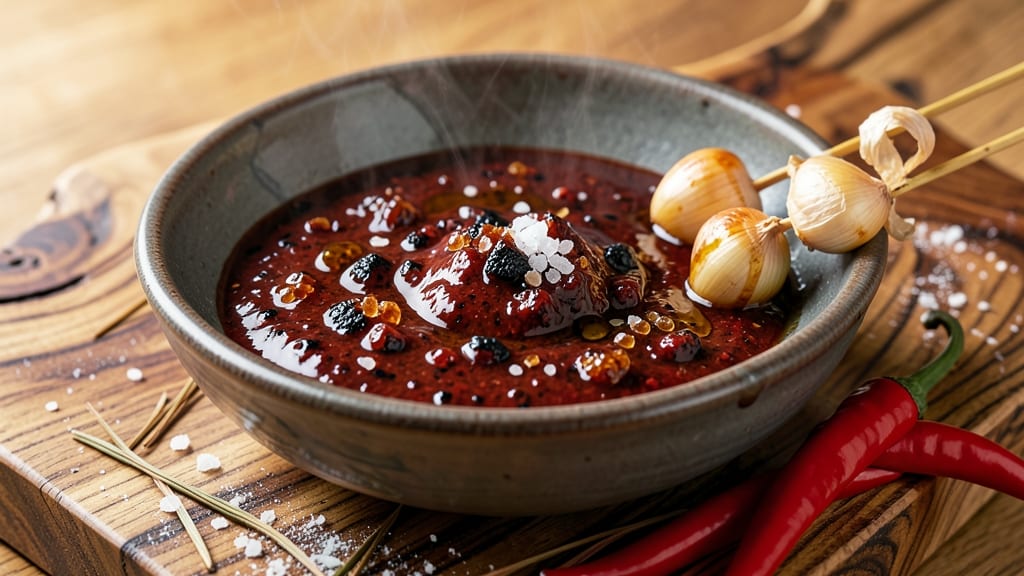
This Barberton Chicken Hot Sauce recipe delivers the smoky, cayenne-kissed heat that makes it a cult favorite—no fermentation required. The secret lies in slow-cooked chicken broth, charred peppers, and a blend of spices that build complexity while keeping the process simple.
I developed this recipe after years of tweaking, balancing heat and depth without overwhelming the palate.
The sauce starts with a base of smoked chicken broth, which infuses the heat with subtle savory notes. Charred cayenne peppers and garlic provide the signature kick, while a touch of brown sugar and apple cider vinegar create a smooth, slightly sweet finish.
The key is simmering the mixture until it thickens just enough to coat the back of a spoon—never reducing it to syrup.
What sets this apart is the adjustable heat level: start with mild cayenne, then add more if you crave fire. The smoky depth from the chicken broth makes it versatile—drizzle on wings, tacos, or even pizza crust for an instant flavor boost.
No fermentation means it’s ready in under an hour, but the flavors develop even more over time.
The result is a bold, balanced hot sauce that’s smoky, slightly sweet, and packed with heat—without being one-dimensional. Perfect for gifting, meal prep, or keeping on hand for quick flavor upgrades. Let’s make it.
Ingredients for barberton chicken hot sauce
Nine simple ingredients transform into smoky, cayenne-kissed heat—no fermentation needed.
| Ingredient | Amount | Notes |
|---|---|---|
| Smoked Chicken Broth 🍗 | 2 cups | Homemade or quality store-bought |
| Cayenne Peppers 🌶️ | 3 whole | Charred for smoky depth |
| Garlic Cloves 🧄 | 4 cloves | Charred with peppers |
| Apple Cider Vinegar 🍎 | ¼ cup | For tangy balance |
| Brown Sugar 🍚 | 2 tbsp | Lightly sweet finish |
| Extra-Virgin Olive Oil 🫒 | ¼ cup | For richness |
| Salt 🧂 | 1 ½ tsp | Kosher or sea salt |
| Ground Black Pepper 🌶️ | ½ tsp | Freshly cracked |
| Smoked Paprika 🌶️ | 1 tsp | For smoky complexity |
| Fresh Ginger 🌿 | 1 tbsp | Grated, optional for depth |
The smoked chicken broth is where the magic happens—it’s the backbone of that signature smoky flavor. Homemade is ideal (simmer chicken bones with smoked paprika for 4+ hours), but Annie’s or Pacific Foods store-bought versions work too. For the cayenne peppers, charring them over a gas flame (or under a broiler) adds that smoky depth—don’t skip this step. Garlic gets charred right alongside them, so grab a head with plump cloves. If you’re short on time, Trader Joe’s sells pre-charred garlic in the freezer section—game-changer for weeknights.
No smoked paprika? Regular paprika plus a pinch of liquid smoke gets you close. The ginger is optional but adds a nice warmth—if you’re feeling adventurous, try a tiny bit of fresh turmeric too. For vinegar, stick with apple cider, but white vinegar or balsamic work in a pinch. The brown sugar is key for balancing the heat—don’t use white sugar, or the sauce will taste flat. And if you’re worried about the sauce being too thin, simmer it longer—it’ll thicken up naturally as it cools.
This sauce tastes even better the next day as the flavors meld. Store it in a clean glass jar in the fridge for up to 2 weeks, or freeze portions for 3 months. I like to make a big batch and give it away—it’s always a hit. For gifting, use a small amber bottle with a cute label. The sauce thickens when chilled, so give it a quick stir before using.
Why You'll Love This Recipe
- I’ll be real: this sauce comes together with stuff I already have. Smoked chicken broth and apple cider vinegar? That’s my pantry’s happy place. No last-minute grocery runs—just open, simmer, and go.
- Pantry Magic: I’ll be real: this sauce comes together with stuff I already have. Smoked chicken broth and apple cider vinegar? That’s my pantry’s happy place. No last-minute grocery runs—just open, simmer, and go.
- Sweet Heat Balance: The brown sugar and cayenne peppers team up for a flavor that’s dangerously addictive. It’s got a slow-building burn, but the sweetness keeps it from being overwhelming. (Yes, even my picky husband asks for seconds.)
- Game for Any Meal: Slather it on wings, drizzle it over fries, or toss it with rice—this sauce is my weeknight MVP. It’s the kind of thing that turns a simple grilled chicken breast into something special without trying too hard.
Step-by-step instructions for Barberton chicken hot sauce
Here's how to make this smoky, cayenne-forward hot sauce that balances heat with depth.
Char the Cayenne Peppers and Garlic
Heat a dry skillet over medium-high heat. Add the 3 whole cayenne peppers and 4 cloves garlic (peeled) and cook until the peppers blister and blacken in spots—about 5-7 minutes. The skin should be charred in places while still holding together. This charring adds that signature smoky depth that makes Barberton-style hot sauce so special.
Watch them closely—they burn quickly once charred. Once done, transfer the peppers and garlic to a bowl and cover with a towel to steam for 10 minutes. This steaming makes them easier to peel and softens their intensity slightly. Peel off the charred skins, then roughly chop the peppers and mince the garlic. Set aside for the next step.
Build the Sauce Base
In a medium saucepan, combine the 2 cups smoked chicken broth, 0.25 cup apple cider vinegar, 2 tbsp brown sugar, and 0.25 cup extra-virgin olive oil. Bring to a gentle simmer over medium heat, stirring occasionally. You want the mixture to bubble softly—not a rolling boil—so the flavors meld without losing too much liquid.
Once simmering, add the charred peppers, garlic, 1 tbsp grated fresh ginger, 1.5 tsp salt, 0.5 tsp ground black pepper, and 1 tsp smoked paprika. Stir well to incorporate all the spices. Let the sauce simmer uncovered for 20-25 minutes, stirring occasionally, until it thickens slightly and reduces by about one-third. You're looking for a consistency that coats the back of a spoon but isn't syrupy.
Blend and Strain for Smoothness
Remove the saucepan from heat and let the mixture cool for 5 minutes. Transfer everything to a blender (don't overfill—leave room for the lid). Blend on high until completely smooth, about 30-45 seconds. The heat from the sauce will help emulsify the olive oil naturally, creating a silky texture.
Strain the blended sauce through a fine-mesh sieve into a clean jar or bowl to remove any remaining bits of pepper skin or garlic. This step ensures your hot sauce is silky smooth with no texture surprises. Taste and adjust seasoning—add a pinch more salt or a splash of vinegar if needed. The sauce should be bold, smoky, and fiery with a touch of sweetness from the brown sugar.
Rest and Store for Maximum Flavor
Let the hot sauce cool completely to room temperature, then transfer it to a clean, airtight jar. Refrigerate for at least 24 hours before using—this resting period allows the flavors to meld and deepen. The colors will also intensify, giving you that rich, smoky red hue that's characteristic of Barberton-style hot sauces.
This sauce will keep in the refrigerator for up to 2 weeks. For longer storage, transfer to a sterilized glass jar and refrigerate for up to 3 months. The flavor actually improves over time as the spices infuse further. Use it to spice up grilled chicken, dipping sauces, or even as a marinade for meats—just remember, a little goes a long way with this heat-packed sauce!
Pro Tips For Making Barberton Chicken Hot Sauce
- Simmer Low and Slow: This isn’t a race—drop the heat to a bare simmer after the first 10 minutes. I used to blast it on high and ended up with a bitter, vinegary mess. The sauce needs time to marry those flavors, not burn them.
- Seed Cayennes Carefully: If you want heat without pain, remove seeds and membranes—but don’t go overboard. Leave a few seeds in 1-2 peppers to keep depth. I learned this after making a batch so spicy my roommate cried.
- Reduce Vinegar Gradually: Add apple cider vinegar in stages, tasting as you go. Dump it all in at once and you’ll overpower the smoky broth. Start with half, simmer, then adjust. Trust me, you’ll regret rushing this.
- Strain Twice for Smoothness: First pass through a fine-mesh strainer catches garlic bits, then a cheesecloth catches the last of the fuzz. Skimp here and you’ll get a mouthful of texture. Yes, it’s extra work—but the result is worth it.
Serving suggestions for leftovers
Drizzle Perfectly
Start with just ½ teaspoon of this hot sauce and taste—it packs serious heat! For wings or fried chicken, drizzle 1-2 teaspoons per pound of food, then toss gently to distribute evenly.
I like to finish with a light coating of extra-virgin olive oil to help the sauce cling better. 🍗
Sauce for Dips
Thin your hot sauce with 1-2 tablespoons of water per ¼ cup of sauce to create a perfect dipping sauce. Serve it with crudités like celery sticks, carrot slices, or cucumber rounds for a refreshing contrast.
For extra richness, mix in 1 tablespoon of sour cream or Greek yogurt per ¼ cup of sauce. 🥕
Marinade Magic
Combine 2 tablespoons of this hot sauce with ¼ cup olive oil and 1 tablespoon soy sauce for a fiery marinade. Use it on chicken thighs, pork chops, or tofu for 30-60 minutes before grilling or baking.
The smoky depth carries through beautifully, while the heat adds a kick. 🍗
Pizza Crust Boost
Brush a thin layer of this sauce onto your pizza crust before adding toppings. The heat and smokiness will shine through, especially with pepperoni or spicy sausage. For a sweeter contrast, add pineapple chunks or caramelized onions. Finish with a sprinkle of fresh parsley for brightness. 🍕
Garnish Like a Pro
Use this sauce as a finishing touch for tacos, nachos, or loaded fries. Drizzle lightly over the top and garnish with pickled jalapeños or crumbled feta cheese for a perfect balance of heat and tang. A squeeze of lime adds freshness that cuts through the richness. 🌶️
Flavor Booster
Stir 1 teaspoon into your favorite chili, stew, or soup during the last 5 minutes of cooking to infuse heat. For soups, add a splash of heavy cream afterward to mellow the intensity slightly. This works especially well with tomato-based dishes like gazpacho or minestrone. 🍲
Nutrition facts
Frequently asked questions
Can I adjust the heat level in this hot sauce?
Start with 2 whole cayenne peppers for mild heat, or add 1 extra pepper for medium, and up to 5 peppers for extreme heat. For even more control, remove the seeds and membranes before charring—they contain most of the capsaicin (the compound that makes peppers hot). If you accidentally make it too spicy, balance it with an extra 1 tbsp of brown sugar or 1 tsp of honey.
What if I don’t have smoked chicken broth?
No problem! Use regular chicken broth and add ½ tsp of liquid smoke or 1 tsp of smoked paprika to mimic the smoky flavor. For extra depth, simmer the broth with a smoked paprika-infused chicken bone (simmer a bone in broth with 1 tsp smoked paprika for 30 minutes) before straining. The sauce will still be delicious—just with slightly less authentic smokiness.
Can I make this hot sauce without a blender?
Yes! If you don’t have a blender, finely chop the charred peppers and garlic with a knife, then simmer them with the broth and other ingredients for an extra 5-10 minutes to soften. After simmering, strain through a fine-mesh sieve to remove any remaining texture. The sauce will be slightly chunkier but still packed with flavor. For a smoother result, press the mixture through a garlic press before straining.
How do I store and reheat leftover hot sauce?
Store your hot sauce in an airtight glass jar in the fridge for up to 2 weeks. For longer storage, freeze portions in ice cube trays or small jars for up to 3 months. To reheat, gently warm in a saucepan over low heat for 2-3 minutes—never microwave, as it can alter the texture and intensity. Stir well before using, as the sauce may thicken slightly when chilled.
Can I substitute apple cider vinegar with something else?
You can use white vinegar, red wine vinegar, or even rice vinegar, but apple cider vinegar adds a subtle sweetness that balances the heat. If using white vinegar, add an extra ½ tsp of brown sugar to compensate for the lack of natural sweetness. Balsamic vinegar works too, but it’ll give the sauce a slightly richer, deeper flavor profile. Always taste as you go!