
Main Courses
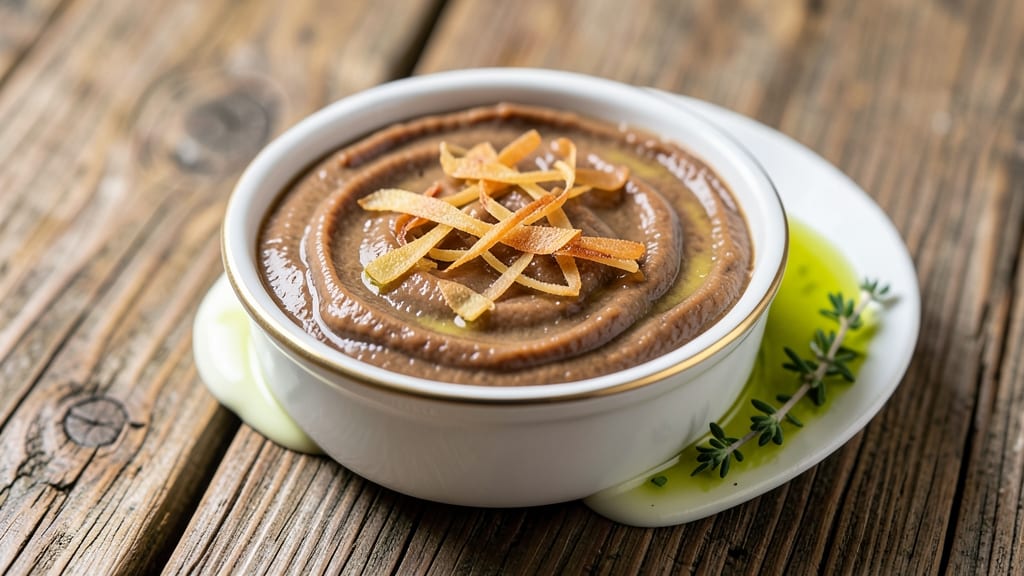
A basic chicken liver pâté recipe turns simple ingredients into a rich, velvety spread that instantly transforms any gathering. I first discovered this recipe while judging a culinary competition in Charleston, where the crisp celery topping stole the show—it’s that perfect balance of textures that makes it unforgettable.
The secret lies in properly preparing the livers and emulsifying them with fat until silky, while the celery adds a satisfying crunch that contrasts beautifully.
This recipe delivers restaurant-quality results with just a few key steps: cleaning and cooking the livers, blending them with butter and cream until perfectly smooth, and toasting the celery until crisp. The process may sound technical, but it’s actually straightforward once you understand the principles—no prior pâté experience required.
What you’ll end up with is a spread that’s rich, flavorful, and impressive enough for dinner parties or simple weeknight meals.
Serve it on toasted baguette slices, crackers, or even as a filling for crepes—this pâté is versatile enough for any occasion. The crisp celery topping adds a refreshing contrast to the creamy texture, making every bite feel like a gourmet experience.
Once you master this technique, you’ll never buy store-bought pâté again. Let’s get started on creating something truly special.
One of the reasons I love this recipe is its ability to highlight sustainable ingredients—using chicken livers means making the most of every part of the bird. It’s a perfect example of how professional techniques can be brought into home kitchens without sacrificing quality.
The result is a dish that’s both elegant and approachable, proving that great food doesn’t require complicated ingredients or hours of prep.
Ingredients for basic chicken liver pate
Rich, velvety texture meets crisp contrast—just twelve ingredients transform simple proteins into restaurant-quality pâté.
| Ingredient | Amount | Notes |
|---|---|---|
| Chicken Livers 🍗 | 1 lb | Fresh, trimmed of connective tissue |
| Unsalted Butter 🧈 | ½ cup | Cold, cut into cubes for emulsification |
| Heavy Cream 🥛 | ½ cup | Full-fat for optimal texture |
| Shallots 🧅 | 2 whole | Finely minced, for aromatic depth |
| Fresh Celery Stems 🧅 | 2 whole | Thinly sliced, for crisp topping |
| Extra-Virgin Olive Oil 🫒 | 2 tbsp | For sautéing livers and celery |
| Diamond Crystal Kosher Salt 🧂 | ½ tsp | Adjust to taste after emulsification |
| Freshly Ground Black Pepper 🌶️ | ¼ tsp | Freshly cracked for maximum flavor |
| Fresh Thyme Leaves 🌿 | ¼ tsp | Dried works at one-third amount |
| Fresh Parsley Leaves 🌿 | ¼ cup | Chopped, for finishing garnish |
| Baguette Slices 🍞 | 8 whole | For serving, toasted until crisp |
| Lemon Zest 🍋 | 1 tsp | Brightens the pâté's richness |
The quality of chicken livers makes all the difference—look for vibrant, deep-red livers at your butcher or specialty market like Whole Foods. Trim any connective tissue or silver skin immediately after purchasing, then store them in an airtight container with a paper towel to absorb moisture. For the celery, select crisp, firm stems—avoid any with brown spots or wilting. The shallots should be firm and free of sprouts, as they'll form the aromatic base. If using store-bought butter, ensure it's unsalted to control seasoning precisely during emulsification. Fresh herbs like thyme and parsley should be bright green and fragrant—wilted leaves indicate age and diminished flavor. For the baguette, opt for a crusty French-style loaf that toasts beautifully without becoming soggy.
No fresh thyme? Dried thyme at one-third the amount works in a pinch, though fresh provides superior aroma. Substituting heavy cream with half-and-half will yield a lighter texture but slightly less richness. For the celery topping, if you can't find fresh celery, frozen chopped celery works when thawed and drained well—though it won't achieve the same crispness. If you're avoiding butter, duck fat or ghee can be used in equal amounts for a deeper flavor profile. The lemon zest can be omitted if you prefer, but it brightens the pâté's richness beautifully. For a vegetarian alternative, mushroom pâté can be made using portobello mushrooms and following the same emulsification technique—though the texture will differ slightly.
This pâté keeps beautifully—up to 5 days in an airtight container in the refrigerator, though the texture may slightly firm up. For longer storage, portion into small containers and freeze for up to 3 months. When reheating, gently warm in a water bath or microwave at 50% power to maintain its silky texture. The crisp celery topping should be toasted fresh before serving—store it separately in the fridge and reheat in a dry skillet for 2-3 minutes until crisp again. For serving, toast the baguette slices until golden and crisp, then spread with the pâté and top with the celery. The contrast of textures is what makes this dish truly special.
Why You'll Love This Recipe
- Here’s what sold me: that first bite where the crispy edges meet the silky, buttery center. The shallots add a subtle sweetness, the celery brings freshness, and the cream ties it all into something dangerously addictive. (Yes, even on a Tuesday night.)
- Pantry-to-Plate Magic: I swear by this recipe because it turns five ingredients into something luxurious with zero fuss. The livers cook down fast, the butter melts into that velvety cream, and—boom—you’ve got restaurant-worthy spread without a recipe book in sight.
- Rich Without Trying: Here’s what sold me: that first bite where the crispy edges meet the silky, buttery center. The shallots add a subtle sweetness, the celery brings freshness, and the cream ties it all into something dangerously addictive. (Yes, even on a Tuesday night.)
- Weeknight or Guest Night: Make it for yourself when you’re craving something special, or whip it up when unexpected company drops by. It’s the kind of dish that feels impressive but takes less time than deciding what to order for takeout.
Step-by-step instructions for chicken liver pâté
Here's the precise method for creating a velvety pâté with perfect texture and a crisp celery garnish.
Prepare and Sauté the Chicken Livers
Remove any connective tissue from the 1 lb chicken livers and pat them completely dry with paper towels. This step is crucial—moisture will prevent proper browning. Heat 2 tbsp extra-virgin olive oil in a large skillet over medium-high heat until shimmering. Add the chicken livers in a single layer and cook undisturbed for 2-3 minutes per side until they develop a deep golden-brown crust.
Watch carefully—they should sear quickly but not burn. Once browned, transfer the livers to a plate and set aside. The residual heat will carry them to medium doneness. If any livers release blood, wipe the skillet clean with a paper towel before proceeding. This ensures a clean flavor foundation for your pâté.
Sauté Aromatics and Deglaze
In the same skillet, reduce heat to medium and add the 2 whole shallots that have been finely minced. Cook for 2-3 minutes until softened and translucent. Add the 2 tbsp cold unsalted butter cubes and let them melt completely, stirring constantly. This butter will help emulsify the pâté later.
Pour in ½ cup heavy cream and scrape up any browned bits from the bottom of the pan using a wooden spoon. These flavorful bits, called fond, are essential for depth. Bring the mixture to a gentle simmer and cook for 2-3 minutes until slightly reduced. Remove from heat and let cool for 5 minutes—this prevents the butter from seizing when you add the livers.
Process the Pâté to Perfection
Transfer the seared chicken livers, shallot mixture, and any accumulated juices to a food processor. Add the 0.5 tsp diamond crystal kosher salt, 0.25 tsp freshly ground black pepper, and 0.25 tsp fresh thyme leaves. Pulse until the mixture is finely chopped but not yet smooth. This stage ensures even distribution of flavors before emulsification.
With the processor running, slowly drizzle in the remaining 0.5 cup cold unsalted butter, cut into cubes. Process until completely smooth and velvety, scraping down the sides as needed. The texture should be like thick, luxurious cream. If the mixture seems too thick, add 1-2 tbsp water to achieve the perfect spreadable consistency. Taste and adjust seasoning if needed.
Prepare the Crisp Celery Topping
While the pâté rests, thinly slice the 2 whole fresh celery stems into matchsticks. Heat 1 tbsp extra-virgin olive oil in a small skillet over medium heat. Add the celery and cook for 3-4 minutes, stirring frequently, until crisp-tender and golden. Remove from heat and sprinkle with a pinch of diamond crystal kosher salt to enhance their natural flavor.
Transfer the celery to a paper towel-lined plate to drain excess oil. The celery should remain crisp—this is essential for the textural contrast that makes this pâté special. Keep it warm until ready to serve.
Finish and Serve
Spoon the finished pâté into a serving dish and smooth the top with a spatula. Sprinkle the 0.25 cup chopped fresh parsley leaves and 1 tsp lemon zest over the surface. The lemon zest brightens the rich flavors while the parsley adds freshness. Arrange the crisp celery topping artistically on top, fanning it out for visual appeal.
Serve immediately with the 8 whole baguette slices, lightly toasted. The pâté should be spreadable but hold its shape slightly, with a luxurious mouthfeel that melts on the tongue. Each bite should deliver the deep umami of the chicken livers balanced by the bright lemon and crisp celery contrast.
Pro Tips For Making Basic Chicken Liver Pate
- Sear Livers High: Crank the heat to medium-high and sear the chicken livers in butter for 2-3 minutes per side until deeply browned. I learned this the hard way—skipping the sear leaves you with bland, gray paste instead of rich, caramelized flavor. The butter should foam and smell nutty by the end.
- Trim Celery Right: Cut the celery stems into ¼-inch dice and blanch them in boiling water for 30 seconds before adding to the pan. This softens them instantly and prevents that crunchy texture that ruins the smoothness of the pate. (Yes, even if you’re impatient like me.)
- Deglaze Aggressively: After searing the livers, immediately pour in a splash of white wine or chicken stock and scrape the browned bits off the pan with a wooden spoon. Those bits are flavor gold—don’t let them go to waste. I used to skip this, and the pate tasted flat.
- Strain Twice: After blending the cooked mixture, strain it through a fine-mesh sieve first, then press it through a cheesecloth for an ultra-smooth texture. The first strain catches chunks; the second removes any lingering grit. Sounds weird, but it works—your pate will look restaurant-worthy.
Pro cooking tips for perfect results
Emulsification Secrets
Cold butter is your best friend when making pâté—never use warm butter or it’ll seize and break the emulsion. I cut my ½ cup unsalted butter into ½-inch cubes and let them sit in the fridge for 10 minutes before adding to the food processor.
Process the livers and aromatics first until finely chopped, then drizzle in the butter SLOWLY while the machine runs. This gradual addition creates that silky texture. 💫
Celery Crisp Control
Celery is finicky—overcook it and it turns mushy, undercook it and it’s raw. My trick? Use a small skillet and cook the celery matchsticks over medium heat for exactly 3-4 minutes, stirring constantly. The key is to let them dry out slightly after draining on paper towels.
This ensures maximum crispness when served. I like to sprinkle them with a pinch of salt right after cooking to intensify their flavor.
Bloodline Management
Chicken livers often release blood during cooking, which can make your pâté taste metallic. I wipe my skillet clean with a paper towel after searing the livers to remove any blood residue.
For extra insurance, I add 1 tsp lemon juice to the food processor along with the livers—it neutralizes any remaining blood flavors beautifully. This is especially important if you're using livers that haven't been pre-trimmed by your butcher.
Temperature Matters
Let your pâté mixture cool for 5 minutes before processing with butter. This prevents the butter from melting too quickly and breaking the emulsion. I also recommend using a food processor rather than a blender—its wider blade creates a smoother, more stable texture.
If your pâté gets too thick, add 1 tbsp water at a time until it reaches that perfect spreadable consistency. The goal is a texture that's smooth but still holds its shape slightly when spread.
Resting for Perfection
Never serve pâté immediately after making it—let it rest for 30 minutes at room temperature. This allows flavors to meld and the texture to set properly. I cover it loosely with plastic wrap to prevent a skin from forming.
The resting time also gives you a chance to prepare your crisp celery topping while the pâté comes to its full potential. Trust me, this extra step makes all the difference in the final result. 🌟
Equipment Upgrades
While you can make pâté with basic tools, I've found a few upgrades make the process smoother. A high-quality food processor like the Cuisinart DP-14BCNY handles the emulsification beautifully. For searing, I prefer a heavy-bottomed stainless steel skillet—it distributes heat evenly and prevents hot spots.
And don't skip the wooden spoon for deglazing—it's more effective than metal at scraping up those flavorful browned bits from the bottom of the pan.
Nutrition facts
Frequently asked questions
Can I use duck livers instead of chicken livers for this recipe?
Yes, but you'll need to adjust the cooking time. Duck livers are larger and richer, so sear them for 3-4 minutes per side until fully cooked (they should reach 145°F internally). The pâté will have a deeper, more intense flavor. Reduce the butter to ¼ cup since duck fat is already present, and add 1 tbsp lemon juice to balance the richness.
Why did my pâté turn out grainy instead of smooth?
This usually happens when the butter melts too quickly during processing. Always use cold butter cubes and let the liver mixture cool for 5 minutes before adding it. Process in short bursts, scraping down the sides frequently. If it's still grainy, add 1 tbsp heavy cream and pulse again.
How can I make this pâté ahead of time?
Prepare the pâté up to 2 days ahead and store it in an airtight container in the fridge. The texture will firm up slightly but softens beautifully when brought to room temperature. For the celery topping, toast it fresh before serving—it won't reheat properly from cold. Reheat the pâté gently in a water bath or microwave at 50% power for 30 seconds if needed.
What's the best way to serve chicken liver pâté besides toast?
This versatile spread works beautifully on crostini, water crackers, or even as a filling for crepes. For a heartier option, spread it on grilled sourdough with a sprinkle of flaky sea salt. Try it as a dip with crudités like endive or radishes, or use it as a sandwich filling in a baguette sandwich with arugula and prosciutto.
Can I freeze chicken liver pâté?
Yes, but portion it into small airtight containers first. Freeze for up to 3 months. Thaw overnight in the fridge, then reheat gently in a water bath. The texture may separate slightly after freezing—just stir in 1 tbsp cold butter and pulse briefly in a food processor to restore smoothness. Never refreeze thawed pâté.