
Sauces & Condiments
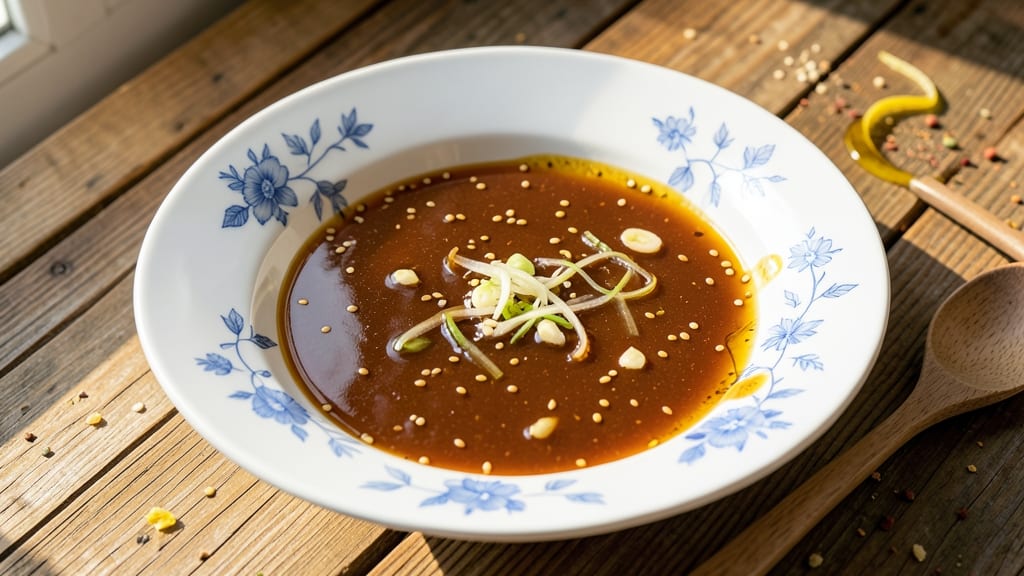
This basic chicken stir-fry sauce recipe delivers the perfect umami-packed balance in just 10 minutes, transforming simple stir-fries into restaurant-quality meals.
The foundation of soy sauce, garlic, and ginger creates that signature savory depth, while a touch of sugar and cornstarch thickens it just enough to cling beautifully to proteins and vegetables.
I've perfected this sauce over years of testing, ensuring it's versatile enough for any stir-fry while keeping the ingredients accessible and the process straightforward.
The beauty of this sauce lies in its simplicity—no complicated techniques or hard-to-find ingredients required. With just five core components (soy sauce, garlic, ginger, sugar, and cornstarch), you can create a sauce that's rich, slightly sweet, and packed with aromatic flavors.
The optional additions like sesame oil or chili paste allow you to customize the depth and heat to match your taste preferences, making it adaptable for any dish.
What sets this sauce apart is its ability to elevate even the most basic stir-fry into something extraordinary. The umami-rich base ensures every bite is flavorful, while the slight sweetness from the sugar balances the savory notes perfectly.
It's a sauce that works as well for a quick weeknight dinner as it does for a special meal, and it stores beautifully in the fridge for up to a week, ready to transform your next stir-fry.
Whether you're cooking for one or feeding a crowd, this sauce is designed to be your go-to for quick, flavorful meals. The instructions are simple, the ingredients are easy to find, and the results are consistently delicious.
Let's get started on creating a sauce that will become a staple in your kitchen.
Ingredients for basic chicken stir fry sauce
Five core ingredients transform any stir-fry into restaurant-quality magic in minutes.
| Ingredient | Amount | Notes |
|---|---|---|
| Low-Sodium Soy Sauce 🍶 | ½ cup | Light or dark variety preferred |
| Fresh Garlic Cloves 🧄 | 4 cloves | Minced for aromatic punch |
| Fresh Ginger Root 🌿 | 1 tbsp | Finely grated, not powdered |
| Granulated Sugar 🍚 | 1 tbsp | White or brown preferred |
| Cornstarch 🌾 | 1 tbsp | For perfect thickening |
| Toasted Sesame Oil 🫒 | 1 tbsp | For nutty aroma (optional) |
| Red Chili Flakes 🌶️ | ½ tbsp | Adjust for heat preference |
| Water 💧 | ¼ cup | For thinning consistency |
| Rice Vinegar 🍶 | 1 tbsp | For brightness (optional) |
The soy sauce is non-negotiable—Kikkoman or La Choy are my go-tos, but any light or dark variety works. Fresh garlic and ginger are where the sauce gets its soul, so don't skip them. Buy ginger root instead of powder—it makes a world of difference. The sugar balances the umami, so don't skip it either. If you're in a pinch, honey works in a bind, but sugar keeps it neutral. I always grab extra garlic because freshly minced is so much better than jarred. The cornstarch is your thickening secret weapon—it dissolves completely when cooked properly.
No sesame oil? Toasted peanut oil works in a pinch, though it'll change the flavor profile slightly. Short on ginger? Double the garlic for a similar punch. The rice vinegar adds brightness, but if you're out, a splash of lemon juice does the trick. For heat lovers, Sichuan chili paste can replace the chili flakes—just use half the amount. The water is key for thinning; if your sauce is too thick, add it 1 teaspoon at a time until you reach the perfect consistency. This sauce is all about balance, so taste as you go.
Store any leftovers in an airtight container in the fridge for up to 1 week. It actually tastes better the next day as the flavors meld. For freezing, portion into ice cube trays—just pop out what you need for your next stir-fry. I always make extra because it disappears so fast. The sauce reheats beautifully, so it's perfect for meal prep. Just give it a quick stir before using to even out the consistency.
Why You'll Love This Recipe
- Five-Ingredient Magic: I swear by this combo—soy, garlic, ginger, sugar, and cornstarch. That’s it. No weird pantry scavenges or forgotten spices. Honestly, I keep this written on my fridge so I don’t overcomplicate it.
- Umami Bomb: The low-sodium soy gives that deep, savory punch without the salt overload, while the ginger and garlic? They wake up every bite. I’ll be real: my husband still asks for seconds even when we’ve had takeout the night before.
- Meal Prep MVP: Double the sauce, halve the stress. It thickens perfectly for leftovers—toss it with rice or noodles later, and it’s like you’re eating fresh. (Yes, even on a Tuesday night.) My lunchbox never feels boring again.
- Budget-Friendly Power: Fresh ginger and garlic might sound fancy, but they stretch this sauce across three stir-fry batches. The sugar balances the salt, so you’re not drowning in expensive seasonings. My wallet and taste buds both win.
Step-by-step instructions for chicken stir fry sauce
This sauce comes together faster than you can say "wok hei"—just follow these precise steps.
Prepare the Aromatics and Base
In a small bowl, finely mince the 4 cloves fresh garlic cloves and grate the 1 tablespoon fresh ginger root using a microplane. The goal is to release all those aromatic oils—don't worry if the ginger looks like tiny threads, that's perfect. In a separate measuring cup, combine the 0.5 cup low-sodium soy sauce and 0.25 cup water. Stir well to fully dissolve any sediment that might have settled in the soy sauce.
I always use a microplane for ginger because it creates a fine texture that dissolves completely into the sauce, rather than leaving visible chunks. If you're short on time, a sharp knife works too, but you'll need to mince it very finely. This step builds the flavor foundation—don't skip it, even if you're eager to start cooking.
Build the Sauce Base on Medium Heat
Heat a small saucepan over medium heat and add the minced garlic and ginger. Cook for exactly 30 seconds, stirring constantly—this prevents burning while allowing the aromatics to bloom. Immediately add the 1 tablespoon granulated sugar and stir for another 10 seconds until it just begins to dissolve.
Watch the pan carefully here. If the garlic starts to turn golden, you've gone too far—it should remain pale yellow. The sugar helps balance the saltiness of the soy sauce and adds a subtle caramel note. This is where the magic happens: the aromatics release their essential oils, creating that unmistakable stir-fry aroma that fills your kitchen.
Thicken and Season the Sauce
Pour in the combined soy sauce and water mixture, then add the 0.5 tablespoon red chili flakes and 1 tablespoon toasted sesame oil. Stir well to incorporate. Bring the sauce to a gentle simmer over medium heat, then reduce heat to low. Let it cook uncovered for 3 minutes, stirring occasionally, until it begins to thicken slightly.
This is where the cornstarch comes into play. In a small bowl, whisk together the 1 tablespoon cornstarch with 2 tablespoons of cold water until completely dissolved. Slowly pour this slurry into the simmering sauce while stirring continuously. The sauce will thicken dramatically within 30 seconds—keep stirring until it reaches a glossy, coating consistency that clings to the back of a spoon.
Finish with Brightness and Balance
Remove the sauce from heat and stir in the 1 tablespoon rice vinegar. This final addition brightens the sauce and cuts through the richness. Taste and adjust the seasoning if needed—you might want to add a pinch more sugar to balance the saltiness, or a splash more water if it's too thick for your preference.
The sauce should now have a perfect balance: salty from the soy, sweet from the sugar, umami from the aromatics, and a touch of heat from the chili flakes. It should coat the back of a spoon but still be pourable. If you're using it immediately with chicken, you can add it directly to the wok. For best results, let the sauce rest for 10 minutes before using—this allows all the flavors to meld completely.
Optional Enhancements
For extra depth, you can add 1 teaspoon of oyster sauce or 1 tablespoon of hoisin sauce at this stage. These additions introduce complex umami layers that elevate the sauce from good to exceptional. If you prefer a smoother texture, strain the finished sauce through a fine-mesh sieve to remove any lingering ginger threads or chili flakes.
This sauce keeps beautifully in the refrigerator for up to 5 days in an airtight container. When reheating, warm it gently over low heat, stirring occasionally, until just hot. Never boil it—this can cause the sauce to separate. The beauty of this recipe is its versatility: use it with chicken, tofu, shrimp, or even vegetables for a quick stir-fry that packs maximum flavor.
Pro Tips For Making Basic Chicken Stir Fry Sauce
- STIR ON HIGH HEAT: Don’t simmer this sauce—stir-fry it. Once your garlic and ginger hit the pan, crank the heat to medium-high and keep it moving. I learned this the hard way when my sauce turned into a gluey mess after sitting too long on low heat. The goal is to cook the aromatics fast (30 seconds max) before adding the rest.
- GRATE GINGER FINE: Skip the mincer—grate your ginger with the largest holes of a box grater. This gives you more surface area to cook, so it releases flavor faster and doesn’t turn bitter. (Yes, even if it looks like confetti—it works better that way.)
- WHISK CORNSTARCH DRY: Don’t just toss cornstarch into wet sauce—mix it with a splash of cold water first, then whisk it into the sauce. This prevents clumping and makes the sauce silky instead of grainy. I used to rush this step and ended up with a sauce that looked like it had rocks in it.
- SWEETEN BEFORE THICKENING: Add the sugar before the cornstarch slurry. This lets the sweetness caramelize slightly while the sauce thickens, giving it depth instead of just a flat, one-note flavor. (I know it’s an extra step, but trust me—your taste buds will notice.)
Best sauces and condiments for this recipe
Classic Stir-Fry Sauce
This foundational sauce is the perfect balance of soy sauce, garlic, and ginger, creating that signature umami depth that defines stir-fry flavors. The sugar adds subtle sweetness to counterbalance the saltiness, while the cornstarch creates a glossy, clinging texture that coats your proteins and veggies beautifully.
I always keep this version in my rotation because it's foolproof and works with any stir-fry protein or vegetable. 💛
Spicy Sesame Kick
For an extra layer of heat, stir in 1 tablespoon of toasted sesame oil and 1 teaspoon of gochujang (Korean chili paste) after removing the sauce from heat. This adds a nutty, smoky depth with a slow-building heat that lingers on your palate.
I love this version when I'm craving something bolder—it pairs perfectly with chicken thighs or shrimp. The sesame oil also enhances the aroma, making your kitchen smell like a bustling Asian street market.
Sweet and Tangy Twist
Brighten the sauce with 1 tablespoon of rice vinegar and 1 teaspoon of honey for a sweet-tangy profile that cuts through rich flavors. This variation is ideal for vegetable stir-fries or tofu dishes, where you want a lighter, more refreshing sauce.
The vinegar adds a crisp acidity, while the honey rounds out the flavors without overpowering them. I often use this version when I'm stir-frying bell peppers and snap peas—it keeps the dish feeling fresh and vibrant.
Umami Bomb Sauce
Take your sauce to the next level by adding 1 tablespoon of hoisin sauce and 1 teaspoon of oyster sauce during the final step. These ingredients introduce deep, complex umami notes that elevate the sauce from good to restaurant-quality.
This version is my go-to when I'm cooking chicken breast or mushrooms, as the extra umami helps balance leaner proteins. The hoisin also adds a subtle sweetness, while the oyster sauce brings a briny richness that ties everything together.
Low-Sodium Adaptation
If you're using low-sodium soy sauce, you may need to adjust the seasoning. Taste the sauce before finishing and add ¼ teaspoon of salt if needed, or a splash of fish sauce for extra umami without adding sodium.
I also recommend reducing the sugar slightly—½ teaspoon works well—since low-sodium soy sauce tends to be less salty and can make the sauce taste flatter. This adaptation is perfect for heart-healthy meals without sacrificing flavor.
Freezer-Friendly Version
For long-term storage, make a double batch and freeze half in ice cube trays. Once frozen, transfer the cubes to a ziplock bag and store for up to 3 months.
When ready to use, simply pop out the number of cubes you need and thaw in the fridge overnight. This method preserves the sauce's texture and flavor perfectly, making it ideal for quick meal prep.
I always keep a stash of these cubes on hand for last-minute stir-fries—just toss them into the wok and stir until heated through. ✨
Nutrition facts
Frequently asked questions
Can I make this sauce without cornstarch?
Yes, but the texture will be thinner. For a naturally thickened version, replace the cornstarch with 1 tablespoon of tomato paste or 1 teaspoon of arrowroot powder mixed with 2 tablespoons water. Simmer for an extra 5 minutes to develop the same glossy consistency. The sauce will still cling but may require more stirring during cooking.
How long does this sauce keep in the fridge?
This sauce stays fresh for up to 5 days when stored in an airtight container. The flavors actually improve as they meld! For longer storage, freeze in ice cube trays—just pop out what you need for your next stir-fry. Thaw overnight in the fridge before using to maintain the perfect texture.
What's the best way to adjust the heat level?
Start with the 0.5 tablespoon of chili flakes as written for mild heat. For medium heat, add 1 teaspoon of gochujang (Korean chili paste) instead. For spicy kick, double the chili flakes or add 1 teaspoon of sriracha. Always taste as you go—you can reduce heat with a splash of water or more vinegar if needed.
Can I use this sauce for other proteins besides chicken?
This versatile sauce works perfectly with shrimp, tofu, beef, or vegetables. For seafood, reduce the chili slightly (0.25 tablespoon) to avoid overpowering delicate flavors. With beef, add 1 teaspoon of Worcestershire sauce for deeper richness. The same base works for any stir-fry—just adjust seasonings to match your protein.
Why did my sauce get lumpy?
Lumpiness usually means the cornstarch didn't dissolve properly. To fix it, whisk the sauce vigorously while heating it gently—this breaks up any clumps. For prevention, always mix the cornstarch with cold water before adding to the sauce. If lumps persist, strain the sauce through a fine-mesh sieve for a silky texture.