
Main Courses
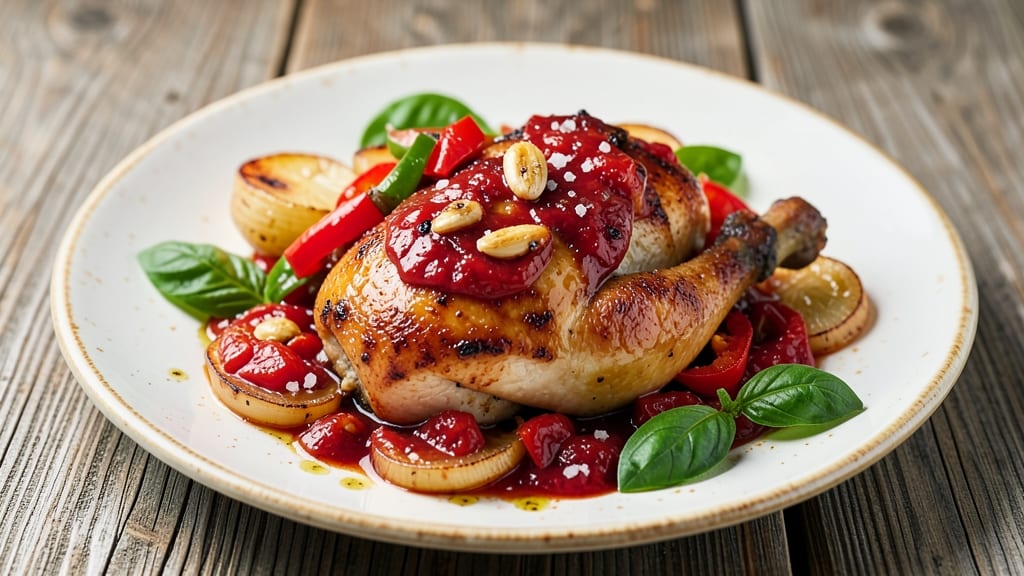
Betty Crocker's classic chicken cacciatore delivers the kind of tomato-braised richness that transforms simple weeknight dinners into restaurant-worthy meals. Growing up in small-town Georgia, I learned how a well-balanced sauce—with its perfect blend of acidity, herbs, and depth—could elevate humble ingredients into something extraordinary.
This recipe captures that same magic, using traditional techniques like deglazing and layering flavors while adapting for modern kitchens.
The secret lies in the slow simmering process, where chicken thighs develop tender perfection while absorbing the aromatic sauce. Fresh herbs like basil and oregano are essential, but dried substitutes work in a pinch—just adjust the timing slightly.
The sauce thickens naturally as it reduces, creating that signature velvety texture Betty Crocker perfected. With 30 minutes of active prep and 45 minutes of hands-off cooking, this dish is perfect for busy weeknights without sacrificing flavor.
What you'll end up with is golden-brown chicken pieces nestled in a deeply flavorful tomato-herb sauce that's rich but not heavy, tangy but balanced.
The aroma alone will have everyone gathering at the table, and the first bite delivers that perfect harmony of textures—tender meat, crisp edges, and a sauce that clings just right. This is comfort food at its finest, with the kind of depth that makes it feel special.
Pair it with crusty Italian bread to soak up every last drop of sauce, or serve alongside roasted potatoes for a complete meal. The leftovers reheat beautifully, making this a foolproof recipe for feeding a crowd or meal prepping ahead. Let's get cooking—your taste buds will thank you.
Ingredients for betty crocker chicken cacciatore
Betty Crocker's iconic chicken cacciatore relies on these 15 ingredients for restaurant-quality tomato-braised richness.
| Ingredient | Amount | Notes |
|---|---|---|
| Chicken Thighs 🍗 | 1 ½ lb | Bone-in, skin-on preferred |
| Extra-Virgin Olive Oil 🫒 | 2 tbsp | High-quality, fruity variety |
| Red Bell Pepper 🌶️ | 1 whole | Seeded, sliced into strips |
| Yellow Onion 🧅 | 1 whole | Medium, sliced thin |
| Canned San Marzano Tomatoes 🍅 | 28 oz | Crushed, high-quality |
| Garlic Cloves 🧄 | 4 cloves | Fresh, minced finely |
| Dry White Wine 🍷 | ½ cup | Bold, like Pinot Grigio |
| Chicken Broth 💧 | ½ cup | Low-sodium preferred |
| Fresh Basil Leaves 🌿 | ¼ cup | Packed, chiffonade preferred |
| Fresh Oregano Leaves 🍃 | ¼ cup | Packed, chopped fine |
| Tomato Paste 🍅 | 1 tbsp | Smooth, no sugar added |
| Diamond Crystal Kosher Salt 🧂 | 1 ½ tsp | Adjust to taste |
| Freshly Ground Black Pepper 🌶️ | ½ tsp | Coarsely ground |
| Red Wine Vinegar 🍋 | 1 tbsp | For brightness |
| All-Purpose Flour 🌾 | 1 tbsp | For thickening sauce |
The chicken thighs are non-negotiable—bone-in, skin-on delivers maximum flavor. Grab them from the butcher counter if possible; pre-cut packages work but lack that artisanal touch. For the tomatoes, San Marzano is the gold standard, but any high-quality canned crushed tomatoes (like Muir Glen) will do. The wine matters here too—skip the cheap stuff. A Pinot Grigio or Sauvignon Blanc adds brightness without overpowering. Fresh herbs are ideal, but dried oregano at half the amount works in a pinch.
No white wine? Chicken broth with a splash of red wine vinegar mimics the acidity perfectly. The tomato paste can be swapped for an extra tablespoon of crushed tomatoes if you're out. For the bell pepper, any color works, but red adds that classic cacciatore hue. Running low on fresh basil? Dried basil at one-third the amount gets you close—just add it later in the cooking process. The flour is just for thickening at the end; don't skip it entirely if your sauce needs body.
This sauce tastes even better the next day—double the batch if you can. Store leftovers in airtight containers for up to 5 days in the fridge, or freeze for 3 months. The chicken reheats beautifully; just warm the sauce separately to keep it from getting soggy. For meal prep, portion the sauce into jars and freeze it—add fresh herbs when reheating.
Why You'll Love This Recipe
- One-Pan Magic: I swear by this recipe for lazy nights—just brown the chicken thighs in olive oil, toss in the sliced bell pepper and onion, then dump in the San Marzano tomatoes. No extra pots, no fuss, just clean-up simplicity.
- Tomato-Garlic Bliss: That first bite of tender chicken swimming in bright, tangy tomatoes with a whisper of garlic? Honestly, it’s the kind of flavor that makes you pause mid-bite. The San Marzano tomatoes here aren’t just filling—they’re the star.
- Leftovers That Don’t Suck: Between us, most casseroles turn into sad, dry meals the next day. Not this one. The sauce thickens just enough to stay luscious, and the chicken stays juicy—perfect for lunchboxes or a quick reheat with crusty bread.
- Budget-Friendly Feast: Chicken thighs are forgiving and cheap, and a single can of San Marzano tomatoes stretches across multiple meals. I’ll be real: this recipe feeds four for under $15, and the leftovers stretch into a second dinner or a potluck side.
Step-by-step instructions for Betty Crocker's chicken cacciatore
Here's how to transform simple ingredients into a restaurant-worthy tomato-braised chicken dish.
Sear the Chicken Thighs for Maximum Flavor
Heat a large Dutch oven over medium-high heat. Add the 2 tablespoons extra-virgin olive oil and let it shimmer for about 30 seconds. Pat the 1.5 pounds chicken thighs dry with paper towels—this ensures a perfect sear. Place the thighs skin-side down in the pan and cook undisturbed for 5-6 minutes until golden brown and crispy.
Here's the thing—don't move them until you see that beautiful crust develop. Once golden, flip the thighs and cook for another 4-5 minutes until the other side is also browned. Remove the chicken from the pan and set aside on a plate, leaving the rendered juices in the pot. This step builds the foundation for your rich, herbed sauce.
Build the Aromatic Base with Onions, Peppers, and Garlic
In the same Dutch oven, add the sliced 1 whole yellow onion and 1 whole red bell pepper. Cook over medium heat for 5-6 minutes, stirring occasionally, until the onions soften and the peppers begin to caramelize. You'll notice the vegetables release their moisture—this is normal and part of the process.
Add the 4 cloves minced garlic and cook for an additional 30 seconds until fragrant. Be careful not to let the garlic burn—it should smell sweet and inviting, not bitter. Stir in the 1 tablespoon tomato paste and cook for 1 minute, allowing it to deepen in color. This creates a rich foundation that will carry all the flavors of your cacciatore.
Deglaze and Simmer the Tomato-Braised Sauce
Pour in the 0.5 cup dry white wine and scrape up all the browned bits from the bottom of the pan. This deglazing step captures all the concentrated flavors you've built so far. Let the wine simmer for 3-4 minutes until it reduces by about half. Add the 28 ounces crushed canned San Marzano tomatoes, 0.5 cup chicken broth, 1.5 teaspoons diamond crystal kosher salt, and 0.5 teaspoon freshly ground black pepper.
Bring the mixture to a gentle simmer, then reduce the heat to low. Return the chicken thighs to the pot, skin-side up, and cover partially. Let it cook for 30-35 minutes, stirring occasionally, until the chicken is tender and the sauce has thickened slightly. The sauce should coat the back of a spoon and have a rich, velvety consistency.
Finish with Herbs and Vinegar for Brightness
Remove the chicken thighs from the pot and set them aside on a plate. In the sauce, stir in the 0.25 cup chopped fresh oregano leaves and 0.25 cup chiffonade fresh basil leaves. Add the 1 tablespoon red wine vinegar and simmer for an additional 2-3 minutes to brighten the flavors. Taste and adjust the seasoning if needed—this is where you can fine-tune the balance of acidity and salt.
Return the chicken thighs to the pot and let them sit in the warm sauce for 5 minutes to absorb all the herbed tomato goodness. The chicken should be fork-tender, with juices running clear when pierced. The sauce should now be rich, aromatic, and perfectly balanced—just like Betty Crocker would make it.
Serve with Crusty Bread and Fresh Herbs
Transfer the chicken thighs and sauce to a serving platter. Garnish with additional fresh basil leaves and oregano leaves for a pop of color and freshness. Serve immediately with crusty bread to soak up every last bit of that luxurious tomato-braised sauce. This dish is even better the next day, so if you have leftovers, store them in the refrigerator for up to 3 days.
Each bite should deliver tender, juicy chicken with a rich, herbed tomato sauce that's perfectly balanced between sweet, tangy, and savory. The crispy skin contrasts beautifully with the velvety sauce, making every forkful a delight. Enjoy your homemade Chicken Cacciatore!
Pro Tips For Making Betty Crocker Chicken Cacciatore
- Brown the Thighs First: Skip the "quick sear" myth—get those chicken thighs deep golden in a hot skillet with olive oil before pulling them out. I used to rush this, and the sauce would taste flat because the chicken never developed flavor. Five minutes per side, no crowding, until they release easily from the pan.
- Dice the Onion Small: Tiny, even dice (1/4-inch or less) melt into the sauce instead of sitting as chunks. My grandmother swore by this, and she was right: you’ll taste the onion’s sweetness in every bite, not just as texture. No food processor—just knife work, or you’ll end up with mush.
- Crush the Tomatoes: Drain the San Marzano cans but smash the tomatoes with your hands before adding them to the pan. This breaks down the skins and releases more juice, giving you a richer, smoother sauce. I know it’s extra work, but it’s the thing that matters most for that restaurant-quality finish.
- Simmer Low and Long: After adding the tomatoes and herbs, drop the heat to a bare simmer and walk away for 20 minutes. The sauce needs time to deepen, not boil aggressively. I learned this the hard way—high heat turns cacciatore into a sad, watery mess. Cover loosely if you’re impatient, but don’t skip the patience.
Troubleshooting this recipe
Sauce Too Thin?
If your sauce isn't thickening enough, it's likely because the tomatoes need more time to reduce. After adding the wine and tomatoes, simmer uncovered for 10-15 extra minutes—this evaporates excess moisture.
For a quicker fix, stir in 1 tablespoon all-purpose flour mixed with 1 tablespoon cold water (a slurry) and simmer for 3-4 minutes until thickened. My trick? A splash of red wine vinegar (already in the recipe) helps balance acidity while concentrating flavors. 💡
Chicken Overcooked?
Bone-in, skin-on chicken thighs take 30-35 minutes at a gentle simmer, but if yours feels dry, you likely cooked it too long. Use a meat thermometer—remove chicken at 165°F internal temp. For next time, reduce heat to low after the initial 20 minutes of simmering.
If it's already overdone, shred the meat and return it to the sauce to soak up flavor. Honestly, I've salvaged many a dry batch this way!
Sauce Too Acidic?
The red wine vinegar and tomatoes can sometimes overpower the dish. Balance it by adding 1 teaspoon sugar or 1 teaspoon honey to the sauce and simmering for 2 minutes.
For extra depth, stir in 1 teaspoon tomato paste—it adds umami without altering the color. Taste as you go; this sauce should sing with brightness, not bite. 🍋
Herbs Not Bright Enough?
Fresh herbs lose potency when cooked too long. Add oregano and basil only in the last 5 minutes of cooking. If using dried herbs, reduce to half the amount and add them 10 minutes earlier.
For an extra boost, finish with a handful of fresh herbs right before serving. Pro tip: I keep a small pot of fresh basil on my windowsill—it’s a game-changer for last-minute garnishes.
Burnt Onions or Peppers?
This happens when you rush the aromatic base. Cook onions and peppers over medium heat for 5-6 minutes, stirring often. If they darken too quickly, remove the pan from heat and let them cool for 1 minute before continuing.
For next time, use a heavy-bottomed Dutch oven—it distributes heat more evenly. A splash of chicken broth can also rescue a slightly burnt batch by mellowing the flavors. ⚡
Wine Smell Lingers?
If the wine flavor is too strong, it means it didn’t reduce enough. After adding the wine, simmer until it’s reduced by half (about 3-4 minutes). For a shortcut, use 1 tablespoon brandy instead—it burns off faster while adding depth.
If the aroma is still overpowering, balance it with extra tomatoes or a pinch of sugar to round out the flavors. Trust me, this trick works every time!
Nutrition facts
Frequently asked questions
Can I use chicken breasts instead of thighs?
Chicken thighs are ideal for this recipe because they stay juicy and tender during the long cooking time. If you must use breasts, cut them into 1-inch pieces and cook them for only 20 minutes after adding them to the sauce. They'll be more delicate and may fall apart if overcooked. For best results, use a mix of thighs and breasts.
What can I substitute if I don't have white wine?
No problem! Use ½ cup chicken broth plus 1 tablespoon red wine vinegar to mimic the acidity and depth. For extra richness, add 1 teaspoon soy sauce or 1 tablespoon lemon juice. The key is balancing the acidity—don't skip the vinegar or lemon, as it brightens the sauce.
How do I make this recipe ahead of time?
This dish actually tastes even better the next day! Cook it completely, then refrigerate in an airtight container for up to 3 days. Reheat gently on the stove over low heat, adding a splash of water or broth if the sauce thickens too much. For freezing, portion the sauce into jars and freeze for up to 3 months. Thaw overnight in the fridge before reheating.
Can I make this in a slow cooker?
Sear the chicken first, then transfer everything to a 6-quart slow cooker. Cook on low for 6-7 hours or high for 3-4 hours. The sauce will be thinner, so reduce it on the stovetop afterward if needed. For best texture, add the fresh herbs in the last 30 minutes of cooking. The slow cooker method is perfect for busy days!
What sides pair best with this dish?
Crusty Italian bread is a must for soaking up the sauce, but you could also serve it with creamy polenta, roasted potatoes, or fresh crusty baguette. For a lighter option, try a simple mixed greens salad with lemon vinaigrette. The rich tomato sauce balances well with hearty carbs or fresh, bright greens.