
Main Courses
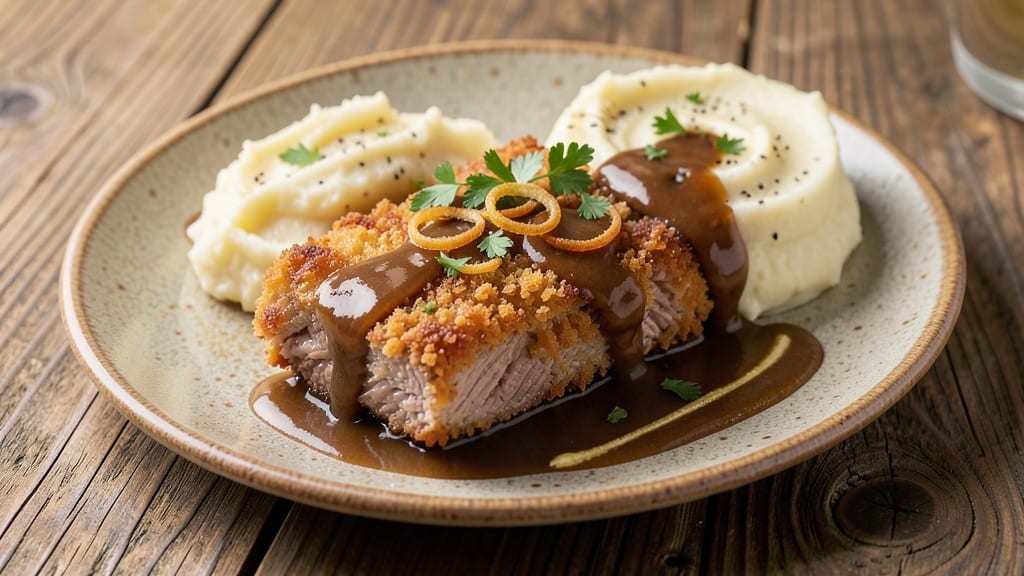
Betty Crocker's chicken fried steak recipe delivers that perfect combination of crispy golden crust and juicy tender meat that feels like a home-cooked hug. 🌟 I first discovered this classic while flipping through my grandmother's recipe cards—her handwritten notes about "dredging just right" and "low heat for gravy" became my guide to recreating this Southern comfort dish.
The secret lies in the flour mixture and slow frying technique that Betty Crocker perfected. You'll work with a blend of flour, spices, and milk to create that signature breading, then fry the steak just until golden before making a rich, velvety gravy.
This isn't just a recipe—it's a weeknight dinner tradition that brings restaurant-quality results to your home kitchen.
What you'll end up with is a perfectly breaded steak with a crispy exterior that shatters at the touch and a juicy center that melts in your mouth. The gravy ties everything together, creating a sauce that's rich enough to coat every bite without being heavy.
It's the kind of meal that makes your house smell like home and leaves everyone asking for seconds.
Pair it with classic sides like creamy mashed potatoes and buttery green beans for the full experience. The beauty of this recipe is its versatility—easy enough for weeknights but impressive enough for company. Let's get started on creating this timeless comfort dish that's been a family favorite for generations.
Ingredients for betty crocker chicken fried steak
Nine simple ingredients transform into crispy, juicy chicken fried steak that tastes like home.
| Ingredient | Amount | Notes |
|---|---|---|
| Cube Steak 🥩 | 1 ½ lb | 1-inch thick cuts preferred |
| All-Purpose Flour 🌾 | 2 cups | White flour for classic texture |
| Buttermilk 🥛 | 1 cup | Full-fat for best flavor |
| Salt 🧂 | 2 tsp | Kosher salt preferred |
| Ground Black Pepper 🌶️ | 1 tsp | Freshly ground for best flavor |
| Garlic Powder 🧄 | 1 tsp | Freshly ground preferred |
| Onion Powder 🧅 | 1 tsp | For subtle depth |
| Vegetable Oil 🫒 | 3 cups | For frying, 350°F |
| Beef Broth 🍲 | 2 cups | Low-sodium preferred |
| Cornstarch 🌾 | 2 tbsp | For gravy thickening |
| Whole Milk 🥛 | ½ cup | Full-fat for rich gravy |
| Butter 🧈 | 2 tbsp | Unsalted for flavor control |
| Fresh Parsley 🌿 | 2 tbsp | Chopped, for garnish |
The cube steak is the star—1-inch thick cuts from the butcher section (ask for 'arm steak' if they don't have pre-cut cubes). Kroger or Walmart usually carry them pre-cut, but if you find whole steaks, pound them to even thickness. The buttermilk soak is non-negotiable for that tender interior—full-fat is key—and you can prep this up to 24 hours ahead. My grandmother swore by Great Value brand for consistency, but any full-fat buttermilk works. For the flour, Gold Medal all-purpose gives that perfect light crust, but any white flour in a pinch.
No buttermilk? Substitute 1 cup milk + 1 tbsp vinegar, let it sit 5 minutes. Short on beef broth? Chicken broth plus 1 tsp soy sauce works. The cornstarch is crucial for gravy—Arrowhead brand is my go-to, but any cornstarch will do. For a quicker version, use self-rising flour (skip salt and baking powder) but add extra milk to thin. The parsley is just for garnish, but if you're feeling fancy, add a pinch of smoked paprika to the flour mix for depth. And trust me on the low-sodium broth—you'll thank yourself when seasoning the gravy.
This keeps beautifully—3 days refrigerated or 3 months frozen. Reheat gently in the oven at 300°F to keep the crust crispy. Gravy reheats best on the stovetop over low heat, stirring constantly. I always make extra gravy—it freezes perfectly in ice cube trays for quick future meals. The steaks reheat best wrapped in foil to keep them moist. Store the dry flour mix in an airtight container for up to 1 month—just add fresh buttermilk when ready to use.
Why You'll Love This Recipe
- Pantry Magic: I swear by this one—just cube steak, flour, buttermilk, and pepper. That’s it. No fancy ingredients, no last-minute grocery runs. The buttermilk tenderizes the steak overnight (or even a few hours), so when you pan-fry it, it’s ridiculously forgiving.
- Crispy-Creamy Magic: Here’s what sold me—the double-dip in flour and buttermilk gives you that golden, shatteringly crisp crust with a buttery, melt-in-your-mouth center. Honestly, it’s the kind of texture that makes you close your eyes and groan.
- Weeknight Workhorse: Between us, this is my go-to when I’ve got a houseful of people or zero energy. Serve it with mashed potatoes and gravy for a full meal, or slice it thin for sandwiches the next day. My daughter picks out the leftovers, but I always sneak a piece.
- Budget Dinner Win: Cube steak is cheap, and this recipe stretches it far. I feed four for under $10, with enough leftovers for lunches. Not the prettiest, but the taste makes up for it—and my wallet thanks me every time.
Step-by-step instructions for Betty Crocker-style chicken fried steak
Here's the classic method that delivers that legendary golden crust and tender interior every time.
🍳 Step 1: Create the Buttermilk Batter
In a shallow dish, combine the 1 cup buttermilk, 2 tsp salt, 1 tsp ground black pepper, 1 tsp garlic powder, and 1 tsp onion powder. Stir until the seasonings dissolve completely. Here's the thing—this batter needs to be at room temperature for best results, so if it's chilled, let it sit for 15-20 minutes while you prep the steak.
I like to use a wide, shallow dish because it allows the steak to develop that perfect crust without getting soggy. The buttermilk's acidity tenderizes the meat while creating a light, airy coating that crisps beautifully. Don't skip the seasoning in the batter—it's what gives that classic flavor in every bite.
👨🍳 Step 2: Dredge and Fry the Steak
Pat the 1.5 lb cube steak dry with paper towels—this is crucial for that crispy crust. Place the 2 cups all-purpose flour in a separate shallow dish. Dip each steak into the buttermilk mixture, letting any excess drip off, then immediately coat both sides thoroughly in the flour, pressing gently to help the coating adhere.
Heat the 3 cups vegetable oil in a large skillet over medium heat until it reaches 350°F—use a thermometer for accuracy. Fry the steaks for 3-4 minutes per side until they're golden brown and the internal temperature reaches 160°F. You'll know they're ready when the crust looks deep golden and the steak releases easily from the pan. Don't overcrowd the pan or the temperature will drop and you'll get greasy steaks instead of crispy ones.
🍳 Step 3: Make the Creamy Gravy
Remove the fried steaks to a paper towel-lined plate to drain excess oil. Reduce the heat to medium-low and pour in the 2 cups beef broth, scraping up any browned bits from the bottom of the pan. Bring to a gentle simmer, then whisk in the 2 tbsp cornstarch mixed with 0.5 cup whole milk until smooth.
Simmer for 3-5 minutes until the gravy thickens to a creamy consistency that coats the back of a spoon. Stir in the 2 tbsp butter and taste—you might want to add a pinch more salt or pepper if needed. Here's where it gets fun: the gravy should be rich but not gluey, and it should cling beautifully to those crispy steaks. If it's too thick, whisk in a splash more broth or milk to reach your desired consistency.
🍽️ Step 4: Finish and Serve
Return the steaks to the skillet and spoon the creamy gravy over them, letting it coat evenly. Cover and let sit for 2-3 minutes to let the steaks absorb some of that delicious gravy. This resting step is what makes the difference between dry steaks and perfectly juicy ones.
Garnish with 2 tbsp chopped fresh parsley and serve immediately with buttery mashed potatoes or fluffy biscuits. The contrast of the crispy crust with the tender, juicy center and rich gravy is what makes this dish legendary. Real talk: the first bite is always the best—don't wait to dig in!
Pro Tips For Making Betty Crocker Chicken Fried Steak
- Pound Steaks Even: Use a meat mallet or heavy pan to tap each cube steak to an even ½-inch thickness—this guarantees consistent cooking and a golden crust. I learned this the hard way after one side was raw and the other dry.
- Chill the Buttermilk: Let the buttermilk marinade sit in the fridge for at least 30 minutes before dipping—this keeps the flour from absorbing too fast and turning your breading into a gluey mess. (Yes, I’ve seen it happen.)
- Skip the Overcrowding: Fry steaks in batches of 2-3 at most—packing the pan steams the breading instead of browning it. After burning three batches, I finally figured out: patience here saves cleanup later.
- Rest Before Slicing: Tent the finished steaks with foil and let them rest for 5 minutes—this traps heat and keeps them from falling apart when you cut. I know, I know, but trust the process.
Pro cooking tips for great betty crocker chicken fried steak
Perfect Steak Prep
Start with 1-inch thick cube steaks—this thickness ensures even cooking and maximum tenderness. I always ask my butcher for arm steaks if they don’t have pre-cut cubes, then pound them to uniform thickness using a meat mallet.
Pat them completely dry with paper towels before dredging—this step is non-negotiable for that crispy crust. 🥩
Let the steaks sit at room temperature for 20-30 minutes before cooking. This prevents cold spots in the center that can lead to uneven cooking. While they’re resting, prepare your buttermilk batter—room temperature works best, but if it’s chilled, let it sit for 15 minutes to thicken slightly.
The batter should coat the back of a spoon but not be too thin.
Breading Like a Pro
Use two shallow dishes—one for buttermilk, one for flour. Dip each steak into the buttermilk, let excess drip off, then immediately coat both sides in flour, pressing gently to help the coating adhere.
For extra crispiness, I like to double-dredge: dip in buttermilk again, then coat with flour a second time. This creates a double-layered crust that shatters beautifully.
Don’t skip the resting step after breading. Let the steaks sit on a wire rack for 5 minutes before frying. This allows the flour to adhere better and prevents a soggy crust. If you’re short on time, even 2 minutes helps—just don’t skip it entirely.
Temperature Control
Use a deep-fry thermometer to maintain 350°F oil temperature—this is critical for even cooking. If the oil isn’t hot enough, your steaks will absorb oil instead of getting crispy. I use a cast-iron skillet because it retains heat well, but a heavy stainless steel pan works too.
Fry the steaks in batches if needed—overcrowding lowers the oil temperature and leads to greasy results.
Cook for 3-4 minutes per side until the internal temperature reaches 160°F. The crust should be deep golden brown, and the steak should release easily from the pan.
If it’s sticking, your oil isn’t hot enough—adjust and try again. Pro tip: Place a wire cooling rack over a baking sheet to drain excess oil after frying.
Gravy Secrets
Scrape up every browned bit from the bottom of the pan—this adds deep, rich flavor to your gravy. Use a wooden spoon for best results. For a smoother gravy, whisk the cornstarch and milk mixture vigorously before adding it to the broth.
Simmer on medium-low heat to avoid lumps, and stir constantly until it thickens to a creamy consistency that coats the back of a spoon.
Finish with 2 tbsp butter for richness, then taste and adjust seasoning. If the gravy is too thick, whisk in 1 tbsp milk or broth at a time until it reaches your desired consistency.
The gravy should be velvety but not gluey—it should cling to the steaks without being heavy. 💫
Nutrition facts
Frequently asked questions
Can I use regular milk instead of buttermilk for the batter?
No, buttermilk is essential for the tenderizing effect and that signature flavor. If you're fresh out, mix 1 cup milk + 1 tbsp vinegar or lemon juice, let it sit 5 minutes to curdle, then use as a substitute. The acidity is what makes the difference in texture and taste.
Why does my chicken fried steak turn out greasy instead of crispy?
Greasy results usually mean your oil wasn't hot enough or you overcrowded the pan. Use a thermometer to maintain 350°F oil and fry steaks in batches. Also, make sure to pat the steaks completely dry before breading—any moisture will create steam and prevent crispiness.
How do I make the gravy thicker or thinner?
For thicker gravy, simmer longer or add 1 tsp cornstarch mixed with 1 tbsp cold water. For thinner gravy, whisk in 1-2 tbsp milk or broth at a time. The key is slow simmering—rushing it creates lumps. Always taste and adjust as you go.
Can I bake this instead of frying for a healthier version?
Preheat oven to 425°F, place breaded steaks on a wire rack over a baking sheet, and bake for 15-20 minutes until golden. For crispiness, broil for 2-3 minutes at the end. The gravy can be made stovetop as usual. This cuts calories but keeps that satisfying texture.
What's the best way to reheat leftovers?
Wrap steaks in foil and reheat in a 300°F oven for 10-15 minutes to keep the crust crispy. For gravy, warm on the stovetop over low heat, stirring constantly. Microwaving works in a pinch but can make the crust soggy. Store leftovers for up to 3 days refrigerated.