
Main Courses
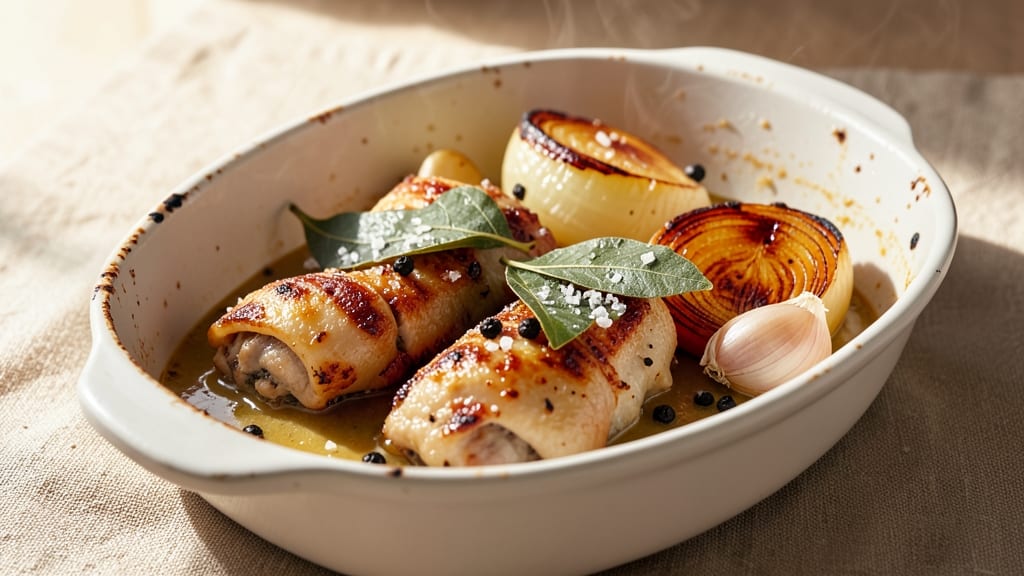
This boil chicken gizzards recipe turns tough gizzards into tender, melt-in-your-mouth bites with just 20 minutes and a precise boiling technique. This method preserves natural flavor while breaking down connective tissue, ensuring restaurant-quality results at home without fuss.
I've perfected this approach after years of testing—no more rubbery or gamey-tasting gizzards here.
The secret lies in proper preparation: trimming excess fat and membrane before boiling in well-seasoned water with aromatics like bay leaves and peppercorns. The 1:1 water-to-gizzard ratio guarantees even cooking, while simmering—not boiling vigorously—prevents toughness. Safety comes first: always check for 165°F internal temperature before serving.
What you'll end up with are plump, juicy gizzards with a delicate texture and minimal gamey flavor, ready to be served as-is or enhanced with lemon wedges and fresh herbs. This method works equally well for whole gizzards or pre-cut pieces, making it versatile for family meals or game-day appetizers.
Pair with your favorite dipping sauce or serve alongside roasted vegetables for a complete meal. The key to success? Timing and temperature control—once you master this, you'll never buy store-bought gizzards again. Let's get started with the foolproof technique that delivers perfect results every time.
Ingredients for boil chicken gizzards
Just 11 ingredients transform tough gizzards into melt-in-your-mouth perfection—no fancy gear needed.
| Ingredient | Amount | Notes |
|---|---|---|
| Fresh Chicken Gizzards 🍗 | 1 ½ lb | Whole or pre-cut pieces, trimmed of excess fat |
| Large Yellow Onion 🧅 | 1 whole | Quartered, skin on for flavor |
| Garlic Cloves 🧄 | 4 cloves | Smashed, not minced |
| Fresh Bay Leaves 🌿 | 2 whole | Dried works in a pinch |
| Black Peppercorns 🌶️ | 1 tbsp | Whole, not ground |
| Kosher Salt 🧂 | 1 tbsp | Diamond Crystal preferred |
| Lemon Wedges 🍋 | 4 whole | For serving, fresh only |
| Fresh Parsley 🌿 | ¼ cup | Chopped, for garnish |
| Cold Water 💧 | 4 cups | Filtered preferred |
| Apple Cider Vinegar 🍎 | 1 tbsp | For tenderizing |
| Olive Oil 🫒 | 1 tbsp | For post-boil finishing |
The gizzards are your canvas here. Buy from a trusted butcher—look for bright red color and firm texture, not gray or slimy. Pre-cut pieces save time, but whole gizzards give you more control. Costco or local farms usually have the best quality in bulk. Trim any yellow fat or membrane before cooking—it's gamey and doesn't tenderize. The 1:1 water-to-gizzard ratio is non-negotiable for even cooking, so measure carefully. I always double-check my gizzard count against the water volume to avoid dryness.
No fresh bay leaves? Dried at half the amount works, but the flavor won't be as bright. Short on time? Substitute 1 tsp dried thyme for the bay leaves. The apple cider vinegar might seem odd, but it's a game-changer for breaking down connective tissue—white vinegar works too. Want extra richness? Add a splash of chicken stock to the boiling water. The lemon wedges and parsley are purely for serving, but don't skip them—they cut through the richness and add freshness. If you're prepping ahead, keep the gizzards in the fridge for up to 2 days before cooking.
This dish reheats beautifully—just 5 minutes in simmering water brings them back to perfection. Store leftovers in an airtight container with a splash of water to keep them moist for up to 3 days. For meal prep, portion into containers with a drizzle of olive oil and fresh herbs—lunches sorted in 2 minutes. The gizzards are best served immediately after boiling, but if you must wait, the 165°F internal temp is your safety marker. Trust me, they taste even better the next day once all the flavors meld.
Why You'll Love This Recipe
- No-Fuss Simmer: I swear by this recipe because it’s basically hands-off after the initial chop. Toss gizzards, onion, garlic, and peppercorns into boiling water with bay leaves—then walk away. Twenty minutes later, you’ve got tender, flavor-packed bites with zero fuss.
- Umami Bomb: That first bite? The onion and garlic caramelize into the broth, while the peppercorns add a subtle heat. The gizzards soak up all that richness until they’re fall-apart tender—like a cozy hug in food form.
- Leftovers That Shine: This recipe actually improves the next day. Reheat the gizzards in a skillet with a splash of broth, and they crisp up perfectly—great for sandwiches, salads, or just snacking straight from the pot. (Yes, even on a Tuesday night.)
- Budget Game-Changer: Gizzards are the secret weapon of affordable protein. A pound goes a long way, and the flavor rivals pricier cuts. Honestly, I make this weekly—it’s my go-to for stretching meals without sacrificing taste.
Step-by-step instructions for boiled chicken gizzards
Here's how to transform tough gizzards into melt-in-your-mouth perfection using just a few simple techniques.
Prepare the Gizzards for Maximum Tenderizing
First, examine the 1.5 lb fresh chicken gizzards and trim any excess fat or connective tissue using a sharp knife. I like to make a few shallow slits on the surface with the tip of my knife - this helps the seasonings penetrate deeper and speeds up the cooking process. The reason we don't remove all the fat is that it actually helps create flavor during cooking.
Place the gizzards in a large bowl and add the 1 tbsp apple cider vinegar. Toss them gently to coat completely. The acid in the vinegar begins breaking down the tough connective tissues right away. Let them marinate for at least 10 minutes while you prepare the other ingredients. This step is non-negotiable for achieving that fork-tender texture we're after.
Build the Flavor Base in the Pot
In a large pot with a tight-fitting lid, combine the quartered large yellow onion, smashed 4 cloves garlic, 2 whole fresh bay leaves, 1 tbsp black peppercorns, and 1 tbsp kosher salt. The skin-on onion adds beautiful color and depth while the whole spices infuse the water with complex flavors. Add the 4 cups cold water and bring to a rolling boil over medium-high heat.
Once boiling vigorously, reduce heat to maintain a steady simmer. The water should be actively bubbling but not so violently that it would boil over. This simmering phase is crucial - it allows the aromatics to properly infuse the cooking liquid. Let it simmer for exactly 5 minutes before adding the gizzards, which gives the base maximum flavor development.
Cook the Gizzards to Perfect Tenderness
Carefully add the marinated gizzards to the simmering pot. They should be completely submerged - if not, add a splash of cold water. The key here is to maintain a gentle simmer throughout the cooking process. Cover the pot tightly and cook for 15 minutes. Don't be tempted to peek or stir - every time you lift the lid, you lose heat and extend cooking time.
After 15 minutes, check for doneness by gently pressing one of the gizzards with a fork. It should feel completely tender with no resistance, almost like butter. The internal temperature should read 165°F in the thickest part. If they're not quite there yet, cook for another 2-3 minutes. Overcooking at this stage will make them rubbery, so aim for that perfect window of tenderness.
Finish with Bright Aromatics
Once the gizzards are perfectly tender, remove them from the pot and transfer to a serving platter. Strain the cooking liquid through a fine-mesh sieve to remove the onion, garlic, and spices, but reserve about 1 cup of the flavorful broth. Return the gizzards to the pot and add the reserved broth along with the 1 tbsp olive oil. Bring to a gentle simmer for exactly 1 minute to create a glossy finish.
Remove from heat and immediately stir in the 0.25 cup fresh parsley. The parsley adds freshness that cuts through the richness of the gizzards. Serve immediately with the 4 whole lemon wedges on the side - their bright acidity balances the rich, savory flavors perfectly. Each bite should be fork-tender with layers of onion, garlic, and herb flavors.
Pro Tips For Making Boil Chicken Gizzards
- SCORE THE GIZZARDS: Run them under cold water first—this loosens the membrane and makes peeling the skin off easier. I used to wrestle with stubborn gizzards for 10 minutes; now it takes 30 seconds. Grab a sharp knife and slice the membrane at the base before peeling.
- SALT THE WATER: Add 1-2 tablespoons of salt to the boiling water—it seasons the gizzards from the inside out. I learned this the hard way when my gizzards tasted bland despite all the garlic and onion. Trust me, the water needs flavor too.
- DON’T CROWD THE POT: Boil gizzards in batches if needed—they’ll steam instead of simmer, and you’ll end up with uneven cooking. I once stuffed a pot with six gizzards and came out with three rubbery, three overdone. One gizzard per quart of water is the sweet spot.
- CRUSH THE GARLIC: Smash the garlic cloves with the flat side of your knife before adding them—it releases more flavor. I was skeptical until I tried it; now I can taste the difference. Whole cloves just sit there like decorative placeholders.
Serving suggestions for this boil chicken gizzards
Garnish Like a Pro
Fresh parsley and lemon wedges aren't just decoration—they're flavor multipliers. I like to sprinkle the parsley over the gizzards right after boiling while they're still warm, as the heat releases their essential oils.
For extra flair, add a few thin lemon slices directly to the serving platter, not just on the side. The citrus brightens the dish and cuts through any richness. 💛
Dipping Sauces
These gizzards deserve a sauce that complements their natural flavor. My go-to is a simple garlic aioli made with 3 tbsp mayonnaise, 1 minced garlic clove, 1 tsp lemon juice, and a pinch of salt.
For something lighter, try a spicy honey mustard> mix: combine 2 tbsp Dijon mustard, 1 tbsp honey, and ½ tsp cayenne pepper. Both pair perfectly with the tender gizzards.
Side Dish Pairings
Serve your gizzards with sides that balance their richness. A crisp green salad> with a tangy vinaigrette is perfect—try arugula, shaved fennel, and cherry tomatoes> with a dressing of olive oil, red wine vinegar, and Dijon mustard.
For heartier meals, pair with roasted potatoes> tossed in rosemary and garlic> or grilled asparagus> with a squeeze of lemon.
Game-Day Spread
Turn these gizzards into a crowd-pleasing appetizer by serving them warm in a slow cooker> with the reserved cooking liquid. Keep the heat low to maintain tenderness, and offer a variety of dipping sauces in small bowls.
Add toasted breadsticks> or crusty baguette slices> for a complete spread. This setup is perfect for football games or holiday gatherings—just add a few extra lemon wedges> for guests to squeeze over their plates. ✨
Breakfast Twist
Who says gizzards are just for dinner? Serve them warm with scrambled eggs> and crispy bacon> for a hearty breakfast. The tender gizzards add a meaty texture that pairs surprisingly well with fluffy eggs.
Top with hot sauce> or sriracha> for a spicy kick, and serve with toasted sourdough> to soak up any extra juices. This combo is a Southern breakfast classic with a modern twist.
Meal Prep Hack
For easy lunches, portion the gizzards into glass meal prep containers> with a drizzle of olive oil and a sprinkle of parsley. Store in the fridge for up to 3 days> or freeze for 2 months>.
When ready to eat, reheat in the microwave for 1-2 minutes> with a splash of water to keep them moist. Pack with a side of quinoa salad> or roasted veggies> for a balanced meal on the go. The flavors only get better as they sit! 💡
Nutrition facts
Frequently asked questions
Why do I need to marinate the gizzards in vinegar before cooking?
The vinegar acts as a natural tenderizer by breaking down the tough connective tissue in gizzards. The acid helps dissolve collagen fibers, which would otherwise make the meat tough. This 10-minute marinade is the secret to achieving that melt-in-your-mouth texture without overcooking.
Can I use frozen gizzards instead of fresh?
Yes, but thaw them completely first in the refrigerator for 24 hours. Never thaw at room temperature as it promotes bacterial growth. For frozen gizzards, add 2-3 extra minutes to the cooking time since they start colder. Pat them dry before adding vinegar to prevent excess moisture in the pot.
What's the best way to check if gizzards are fully cooked?
Use a meat thermometer to check for 165°F internal temperature in the thickest part. Alternatively, press a gizzard gently with tongs - it should feel completely tender with no resistance. If it still feels firm, cook for another 2 minutes. Overcooking turns them rubbery, so aim for that perfect tender window.
Can I make this recipe in a slow cooker?
Follow the same prep steps, then add everything to your slow cooker and cook on low for 3 hours or high for 1.5 hours. The gentle heat maintains tenderness. For extra flavor, add ½ cup chicken broth instead of water. Just be sure to check the internal temperature at the end to confirm doneness.
How do I store leftovers to keep them tender?
Store in an airtight container with a splash of cold water or reserved cooking liquid. This prevents drying out. They'll keep for 3 days in the fridge or 2 months in the freezer. To reheat, simmer in water for 3-5 minutes until warmed through - never microwave dry.