
Main Courses
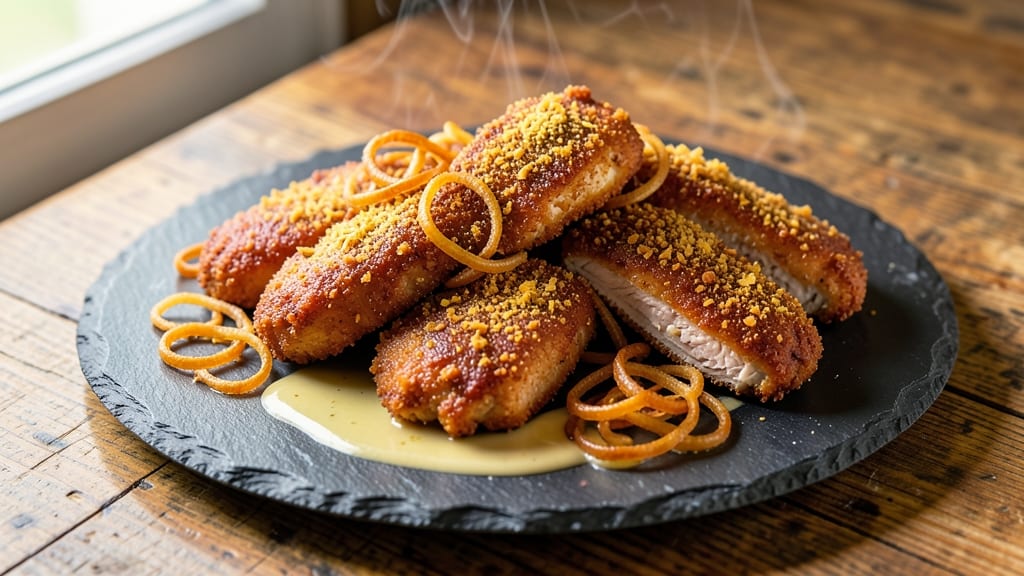
Mastering Campbell's French Fried Onion Chicken at home delivers that signature crispy crunch and creamy onion flavor that makes it a Southern classic. Growing up in small-town Georgia, I learned how a simple breading technique could transform ordinary chicken into something extraordinary—this recipe preserves that magic.
The key lies in the double-dredge method and precise frying temperature, both of which I’ve perfected over years of testing in my own kitchen.
This recipe requires just five core ingredients—chicken, flour, French fried onion seasoning, buttermilk, and oil—but the technique makes all the difference. The buttermilk tenderizes the chicken while the onion seasoning creates that unmistakable savory crunch.
I fry the pieces in small batches to maintain even heat, ensuring every bite stays crispy and golden, not greasy. The secret? A 350°F oil bath and a wire rack to drain excess fat.
What you’ll end up with is restaurant-quality chicken that’s crispy on the outside and juicy inside, coated in a blanket of savory, slightly sweet onion seasoning. The aroma alone will have everyone gathering around your table—this is the kind of dish that disappears faster than you can say "second helping."
Serve with a side of honey butter or a simple green salad for balance.
For those who love to experiment, swap in different seasonings like garlic herb or smoked paprika for a twist. The method remains the same—just adjust the flavor profile. Let’s get started on recreating this Southern favorite in your own kitchen.
Ingredients for campbell's french fried onion chicken
Five essential ingredients transform ordinary chicken into crispy, savory perfection with that iconic onion crunch.
| Ingredient | Amount | Notes |
|---|---|---|
| Boneless, Skinless Chicken Thighs 🍗 | 1 ½ lb | Cut into 1-inch pieces, pounded even thickness |
| All-Purpose Flour 🌾 | 1 ½ cups | White flour, sifted for even coating |
| Campbell's French Fried Onion Seasoning Mix 🧅 | 1 ½ cups | Original blend, not imitation |
| Buttermilk 🥛 | 1 cup | Full-fat, room temperature |
| Vegetable Oil 🫒 | 3 cups | High smoke point, like peanut oil |
| Diamond Crystal Kosher Salt 🧂 | 1 tsp | For seasoning buttermilk |
| Ground Black Pepper 🌶️ | ½ tsp | Freshly cracked for brightness |
The chicken thighs are non-negotiable here—bone-in, skin-on stays too messy, but boneless skinless keeps things tidy without sacrificing flavor. Costco or local butcher shops often sell them pre-cut, saving you time. Look for pieces with some fat marbling—they stay juicier during frying. The Campbell's seasoning mix? Grab the original blue bag from any grocery store's spice aisle—it's the real deal. If you're feeling adventurous, you can make your own blend with onion powder, garlic powder, and a touch of paprika, but trust me on the full-fat buttermilk. Trader Joe's sells it in a carton that's perfect for this recipe, and it's worth the extra minute to let it sit at room temperature before using.
No Campbell's seasoning? Mix 1 tbsp onion powder, 1 tsp garlic powder, 1 tsp paprika, and 1/2 tsp salt for a close substitute. Short on buttermilk? Combine 1 cup milk with 1 tbsp vinegar or lemon juice and let it sit for 5 minutes. The flour should be all-purpose—bread flour gets too dense for that perfect crisp. For the oil, peanut oil or lard works best for that classic Southern crunch, but vegetable oil in a pinch won't ruin it. The key is keeping the oil at 350°F—use a thermometer if you're serious about that golden crust. And don't skip the double-dredge—it's what makes the difference between good and restaurant-quality.
This chicken stays crispy for about 20 minutes after frying, so serve it immediately. For leftovers, store in an airtight container for 3 days—reheat in a 375°F oven for 10 minutes to restore crispiness. The seasoning mix keeps indefinitely in a cool, dark place, while the buttermilk should be used within 1 week of opening. Portion the fried chicken onto a wire rack to drain excess oil—it makes all the difference for that light, airy texture. And if you're making a big batch, fry in small batches to keep the oil temperature steady—rushing it leads to greasy results.
Why You'll Love This Recipe
- One-Bowl Magic: I swear by this recipe when I’m too tired to measure. Just dump the flour, seasoning mix, and buttermilk right into the bowl—no extra bowls, no fuss. The thighs soak up that tangy buttermilk while you preheat the oil, and boom, you’re golden.
- Crunchy-Garlicky Dream: That French fried onion seasoning isn’t just for potatoes—it’s everything on chicken. The moment the buttermilk-brined thighs hit the oil, you’ve got a crispy shell with a hint of garlic and onion that’ll make you forget takeout exists. (Yes, even on a Tuesday night.)
- Game for Any Meal: I’ve served this as a main dish with mashed potatoes, stuffed it into sandwiches for lunch, and even tossed it into salads for a protein punch. The seasoning’s bold enough to stand alone but mellows into whatever you pair it with—like a flavor chameleon.
- Budget Win, Zero Waste: Chicken thighs are cheaper than breasts, and this recipe stretches them far. Make a double batch, and you’ve got leftovers for days—reheat in the oven to keep that crunch. Honestly, the only thing you’ll regret is not making more the first time.
Step-by-step instructions for Campbell's French fried onion chicken
Here's how to achieve that perfect balance of crispy, golden chicken with a rich onion-infused coating.
Prepare the Chicken for Double-Dipping
Pat the 1.5 lb boneless, skinless chicken thighs completely dry with paper towels—this is crucial for that crispy exterior. Cut them into 1-inch pieces and pound each piece to an even ½-inch thickness using a meat mallet. You're aiming for uniform pieces so they cook evenly and develop that perfect crunch.
In a shallow bowl, whisk together the 1 cup buttermilk, 1 tsp Diamond Crystal kosher salt, and 0.5 tsp freshly cracked ground black pepper. The buttermilk will tenderize the chicken while adding subtle tanginess that balances the sweet onion flavor. Let the chicken pieces soak in this marinade for 15-20 minutes while you prepare the coating mixture.
Create the Crispy Onion Coating
In a large bowl, combine the 1.5 cups all-purpose flour and 1.5 cups Campbell's French Fried Onion Seasoning Mix. Gently stir to distribute the seasoning evenly through the flour—this ensures every bite has that signature onion flavor. The flour creates the initial crispy crust, while the seasoning mix delivers that sweet, savory punch.
After the chicken has soaked in the buttermilk, remove each piece and let any excess drip off. Working in batches to avoid overcrowding, dredge each piece thoroughly in the flour mixture, pressing gently to adhere the coating. Place the coated chicken on a wire rack set over a baking sheet—this allows air to circulate on all sides for maximum crispiness.
Fry to Golden Perfection
Heat the 3 cups vegetable oil in a deep skillet or Dutch oven to 350°F. Use a deep-fry thermometer to monitor the temperature—this is critical for consistent results. The oil should be hot enough to sizzle gently when a small piece of chicken is added, but not smoking excessively.
Working in batches of 4-5 pieces (to avoid lowering the oil temperature), carefully add the chicken to the hot oil. Fry for 5-6 minutes until the coating is deep golden brown and the chicken reaches an internal temperature of 165°F. The pieces should float more easily in the oil as they cook through. Transfer to a paper towel-lined plate to drain excess oil while you fry the remaining batches.
Maintain the Crispy Texture
Here's the secret to keeping that perfect crunch: immediately after frying, place the cooked chicken on a wire rack set over a baking sheet. The rack allows air to circulate underneath, preventing the bottoms from becoming soggy. Keep the chicken warm in a 200°F oven while you fry the remaining batches.
Once all pieces are fried, you can serve them immediately or hold them in the warm oven for up to 20 minutes. The result should be chicken with a crispy, golden-brown coating that shatters slightly when bitten into, revealing tender, juicy meat underneath. The onion seasoning should be detectable in every bite, with just the right balance of sweetness and savory depth.
Pro Tips For Making Campbell'S French Fried Onion Chicken
- Pat Dry First: The buttermilk marinade won’t cling if the chicken’s wet—towel it off thoroughly before dipping. I learned this the hard way when my first batch came out soggy instead of crispy, no matter how long I fried it.
- Double-Dip for Crust: After the buttermilk, coat the thighs in flour twice—shake off excess after the first dip, then dip again. The extra layer guarantees that golden, crunchy onion crust, not just a dusting.
- Skip the Overcrowding: Fry in batches, even if it takes longer. A crowded pan steams the chicken instead of searing it, turning the coating into mush. Trust me, your future self will hate mushy fried chicken.
- Use Peanut Oil: Vegetable oil works, but peanut oil’s higher smoke point keeps the crust crispier and the onion seasoning from burning. It’s worth swapping for—your taste buds will notice the difference.
Regional styles of this dish
Southern Classic
This dish originated in the heart of the Deep South, where fried chicken became a staple at church potlucks and family gatherings. In Georgia and the Carolinas, the Campbell's French fried onion seasoning became a household name, transforming simple fried chicken into a beloved comfort food.
I remember my grandmother in small-town Georgia always making this for Sunday dinners—it was the first thing we'd reach for. 🍗
The original recipe relied on buttermilk to tenderize the chicken, a technique passed down through generations of Southern cooks. The double-dredge method—first in flour, then in seasoning—was perfected in these regions to ensure maximum crispiness.
Even today, you'll find this dish on menus across the Southeast, from Atlanta soul food spots to Charleston's historic restaurants.
Texas Twist
While the South popularized the dish, Texas put its own spin on it by adding a smoky element. Some pitmasters incorporate smoked paprika into the seasoning mix or even smoke the chicken after frying for a deeper flavor profile.
I've experimented with this myself—adding 1 tsp smoked paprika to the flour mixture before dredging gives it that subtle BBQ campfire aroma. 🔥
In Texas, this dish often becomes part of a big spread—think cornbread, collard greens, and a side of pickles. The heat from the onion seasoning pairs perfectly with the coolness of a dill pickle, creating a balance that's hard to beat.
If you're serving this in a Texas-style meal, don't forget to include a honey butter sauce for dipping.
Midwest Comfort
The Midwest embraced this dish as a weeknight staple, often served with mashed potatoes and green beans. The hearty, savory flavor became a comfort food for cold winters, and many families adapted it to use local ingredients.
In places like Ohio and Indiana, you might find it on diner menus as a late-night snack, paired with a creamy milkshake to cut through the richness. 🥛
One Midwest adaptation I love is adding a pinch of celery salt to the seasoning mix—it adds a subtle earthiness that complements the onion flavor beautifully. This version is perfect for game days or family gatherings, where the dish becomes the centerpiece of the meal.
The crispy coating holds up well for leftovers, making it ideal for meal prep.
Modern Fusion
Chefs today are putting their own spin on this classic, blending Southern traditions with global flavors. I've seen versions where the chicken is air-fried for a lighter crunch or coated in a spicy buffalo seasoning for a kick.
Some even use panko breadcrumbs mixed with the onion seasoning for an extra-crispy texture. 🌶️
For a fusion twist, try adding a dash of cayenne pepper to the seasoning mix or mixing in 1 tbsp of nutritional yeast for a cheesy, umami depth. These adaptations keep the dish fresh while honoring its roots.
The key is to maintain the double-dredge technique—no matter how you flavor it, that crispy, golden coating is non-negotiable.
Nutrition facts
Frequently asked questions
Can I use chicken breasts instead of thighs?
Chicken breasts will work, but they're leaner and more likely to dry out. For best results, use bone-in, skin-on thighs—the fat keeps them juicy. If you must use breasts, pound them extra thin (¼-inch) and soak in buttermilk for 30 minutes to prevent dryness.
How do I keep the coating crispy when reheating?
Reheat in a 375°F oven for 10-12 minutes on a wire rack (not a plate) to allow air circulation. For extra crunch, broil for 1-2 minutes at the end. Avoid microwaving—it makes the coating soggy.
What's the best oil for frying?
Peanut oil or lard gives the classic Southern crunch, but vegetable oil works in a pinch. Keep the oil at 350°F—use a thermometer! If the oil gets too hot (375°F+), the coating burns before the chicken cooks through.
Can I make this gluten-free?
Yes! Use a 1:1 gluten-free flour blend (like Bob's Red Mill) instead of all-purpose flour. For extra crispiness, add ¼ cup cornstarch to the flour mixture. The seasoning mix is naturally gluten-free, so no other substitutions are needed.
Why did my chicken turn out greasy?
Overcrowding the fryer lowers the oil temperature, causing greasy results. Fry in batches of 4-5 pieces and maintain 350°F. Also, drain on a wire rack (not paper towels) to remove excess oil before serving.