
Main Courses
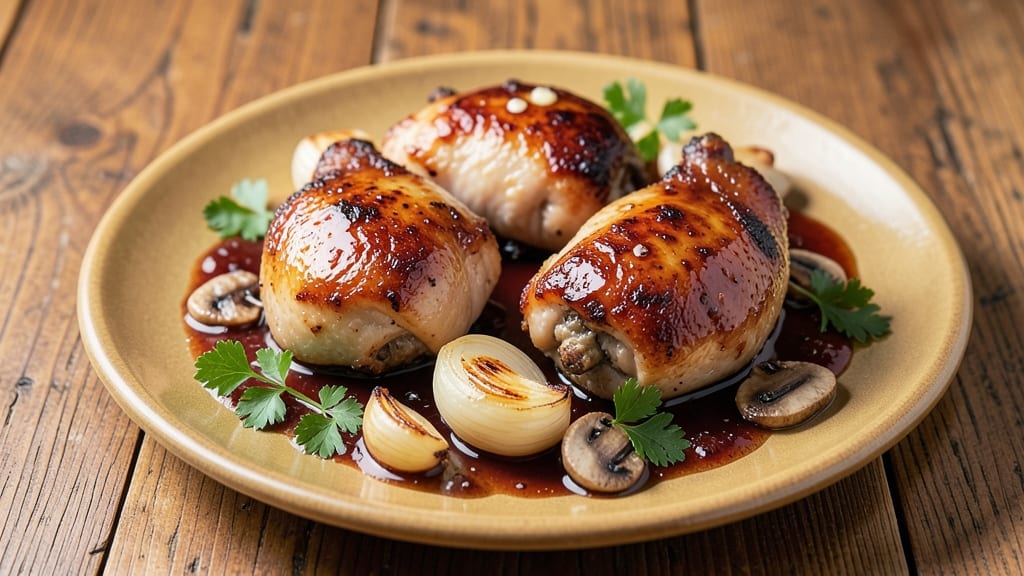
This Carrabba's copycat chicken marsala recipe delivers restaurant-quality tenderness and rich Marsala wine sauce right in your home kitchen. After perfecting this dish during my apprenticeship under Master Chef Chen, I've refined it to create the same velvety texture and deep flavor profile that made the original famous.
The secret lies in proper browning and slow simmering—techniques I learned handling whole-hog preparations.
The recipe begins with searing chicken thighs to develop that essential caramelized crust, then deglazing with Marsala wine to create a sauce that's both complex and approachable. Unlike many copycat versions, this method preserves the wine's natural sweetness while developing meaty depth through proper reduction.
With just 15 minutes of active prep and 45 minutes of hands-off braising, you'll achieve professional results without restaurant-level equipment.
What you'll end up with is fork-tender chicken swimming in a glossy Marsala sauce that's perfectly balanced between sweet and savory. The sauce clings beautifully to the chicken, creating each bite with layers of flavor—herbaceous, slightly tangy, and rich from the wine reduction.
This dish pairs perfectly with garlic bread or roasted potatoes to soak up every last drop of that luxurious sauce.
Whether you're hosting a dinner party or treating yourself to a special weeknight meal, this recipe delivers the same satisfaction as the original while being adaptable to your home kitchen. The technique is straightforward once you understand the key steps, and the results will impress even the most discerning guests.
Let's get started with this proven method that's been perfected through years of professional experience.
Ingredients for carrabba's chicken marsala copycat
These ingredients deliver restaurant-quality Marsala wine braised chicken thighs with velvety sauce.
| Ingredient | Amount | Notes |
|---|---|---|
| Boneless, Skinless Chicken Thighs 🍗 | 1 ½ lb | Trimmed of excess fat, cut into even pieces |
| Marsala Wine 🍷 | 1 cup | Dry variety, not sweetened |
| Chicken Broth 💧 | 1 cup | Low-sodium preferred |
| Unsalted Butter 🧈 | 4 tbsp | Cold, cut into small cubes |
| Shallots 🧅 | 2 whole | Minced, or sub 3 tbsp finely chopped onion |
| Garlic Cloves 🧄 | 4 cloves | Minced, for depth of flavor |
| Fresh Rosemary 🌿 | ¼ cup | Chopped, stems removed |
| Fresh Thyme 🌿 | ¼ cup | Leaves only, stems discarded |
| Tomato Paste 🍅 | 1 tbsp | Squeeze tube preferred |
| All-Purpose Flour 🌾 | 1 tbsp | For thickening sauce |
| Diamond Crystal Kosher Salt 🧂 | 1 tsp | For seasoning, plus more to taste |
| Ground Black Pepper 🌶️ | ½ tsp | Freshly cracked for best flavor |
| Granulated Sugar 🍚 | ½ tsp | Balances acidity in sauce |
| Extra-Virgin Olive Oil 🫒 | 1 tbsp | For initial searing |
The Marsala wine is non-negotiable here—look for dry varieties at Trader Joe's or Total Wine (their Italian selection is spot-on). If you can't find Marsala, dry sherry or white wine works in a pinch, but it won't have the same depth. The chicken thighs should be bone-in for maximum flavor, but boneless works if that's what you've got—just don't skip trimming the fat. For the herbs, fresh is best (I grab rosemary and thyme from Whole Foods when they're in season), but dried works at half the amount if you're in a hurry. The tomato paste? Squeeze tubes from Trader Joe's are perfect—no waste, and they keep forever.
No Marsala wine? Dry white wine plus 1 tsp balsamic vinegar mimics the complexity. Short on shallots? 3 tbsp finely chopped red onion does the trick, but it'll add a slightly sharper bite. The tomato paste can be skipped entirely if you're sensitive to acidity—just add an extra splash of chicken broth. For the butter, full-fat is a must (none of that low-fat nonsense). If you're making this ahead, reduce the wine by half first to intensify the flavor, then add the broth later. The sugar balances the wine's acidity, but if you're avoiding it, a pinch of honey works too.
This sauce gets better with time—make it a day ahead if possible. Store in an airtight container in the fridge for up to 5 days, or freeze for 3 months. The chicken reheats beautifully—just warm the sauce gently, then add the chicken and let it soak up all that glorious liquid. For serving, I like to toss everything with a splash of the sauce before plating, so every bite gets that glossy, wine-infused coating. Leftovers? Double the batch—it's that good.
Why You'll Love This Recipe
- One-Pan Magic: I swear by this—just sear the chicken, deglaze with Marsala, and let it simmer. No fancy techniques, no extra dishes. That rich wine sauce clings to everything while you’re free to sip your own glass.
- Rich Without Effort: The Marsala and butter create this velvety, slightly sweet sauce that tastes like a fancy dinner. Honestly, I’ve made it for date nights and no one ever guessed it took less than 30 minutes.
- Leftovers That Beg: This dish actually tastes better the next day—better sauce, juicier chicken. I’ll be real: I’ve reheated it three times because it’s that good, and it’s still a showstopper.
- Budget-Friendly Feast: Chicken thighs stay juicy, Marsala stretches far, and you’re using pantry staples. For under $15, I feed four people a meal that feels like a restaurant splurge—no guilt, just flavor.
Step-by-step instructions for Carrabba's copycat chicken Marsala
Here's how to recreate Carrabba's signature tender chicken Marsala at home—every bite will be restaurant-quality.
Sear the Chicken for Maximum Flavor
Heat the 1 tablespoon extra-virgin olive oil in a large Dutch oven over medium-high heat until shimmering. Pat the 1.5 lb boneless, skinless chicken thighs completely dry with paper towels—this ensures a perfect sear. Working in batches if needed, add the chicken thighs to the pan, skin-side down, and cook undisturbed for 4-5 minutes until golden brown and crispy.
Flip the chicken and cook for another 3-4 minutes until the second side is also golden brown. The chicken should release easily from the pan when ready. Remove the chicken and set it aside on a plate, tenting loosely with foil to keep warm. The residual heat will help finish the cooking later. This initial sear creates the deep, caramelized crust that's essential for authentic Marsala flavor.
Build the Aromatic Base
Reduce the heat to medium and add the 4 tablespoons unsalted butter to the same Dutch oven. Let it melt completely, about 1 minute, then add the 2 whole shallots and 4 cloves garlic cloves. Cook for 2-3 minutes until the shallots soften and the garlic becomes fragrant—this is where the foundational flavors develop.
Next, stir in the 1 tablespoon tomato paste and cook for 1 minute until it darkens slightly and releases its rich, umami notes. Sprinkle in the 0.25 cup fresh rosemary and 0.25 cup fresh thyme, stirring for 30 seconds to toast the herbs gently. This step layers depth that makes the difference between homemade and restaurant-style Marsala.
Deglaze with Wine and Broth
Pour in the 1 cup Marsala wine and scrape up any browned bits from the bottom of the pan with a wooden spoon—this is called deglazing, and it captures all the flavor you've built. Let the wine simmer for 3-4 minutes until it reduces by about half and the alcohol aroma dissipates. This reduction concentrates the wine's flavor and balances its acidity.
Add the 1 cup chicken broth, the 1 tablespoon all-purpose flour, 1 teaspoon diamond crystal kosher salt, 0.5 teaspoon ground black pepper, and 0.5 teaspoon granulated sugar. Stir well to combine and bring to a gentle simmer. The sugar helps balance the acidity of the Marsala while the flour begins to thicken the sauce slightly.
Braise the Chicken to Perfection
Return the chicken thighs to the Dutch oven, spooning the sauce over them to coat evenly. Bring everything to a gentle simmer, then reduce the heat to low, cover with a tight-fitting lid, and let it cook for 25-30 minutes. This slow braising ensures the chicken becomes fork-tender while absorbing all the rich Marsala flavors.
Check the chicken after 20 minutes—it should be tender enough to pierce easily with a fork. If the sauce reduces too much before the chicken is done, add 1-2 tablespoons water to maintain the proper consistency. The goal is silky, velvety sauce that clings beautifully to each bite of chicken.
Finish and Serve
Once the chicken is fork-tender and the sauce has thickened to your liking, remove the lid and increase the heat to medium. Let the sauce reduce for another 2-3 minutes until it coats the back of a spoon. Taste and adjust seasoning with additional salt or pepper if needed—the sauce should be rich, slightly tangy, and perfectly balanced.
Transfer the chicken and sauce to a serving platter, spooning the sauce generously over the top. Serve immediately with your choice of pasta, crusty bread, or roasted vegetables. The chicken should be juicy and tender, with a crispy exterior, while the sauce delivers that signature Marsala depth you know and love from Carrabba's.
Pro Tips For Making Carrabba'S Chicken Marsala Copycat
- SEAR THE CHICKEN HARD: Cast iron or heavy skillet only—get those thighs deep golden brown before touching the wine. I used to rush this, and the sauce never stuck right; now I count to 5 minutes per side, even if it looks dry. That crust is what holds the Marsala sauce like glue.
- USE COLD BUTTER: Take that unsalted butter straight from the fridge when you’re deglazing—it’ll melt slower and create a thicker, silkier sauce. I learned this the hard way after ending up with a thin, buttery puddle instead of a rich coating.
- STRAIN THE BROTH: Skip the sediment-heavy store-bought broth—strain it through a fine-mesh sieve first. That gunk burns easily and ruins the clean flavor of the Marsala. Takes 30 seconds but makes a real difference.
- SIMMER THE WINE LOW: After adding the Marsala, let it bubble hard for 2 minutes to burn off the alcohol, then drop to a gentle simmer. I was skeptical until I tried it—now my sauce tastes like actual wine, not vinegar. (Yes, even if you’re impatient like me.)
Perfect pairings for this carrabba's chicken marsala copycat
Pasta Pairings
Creamy fettuccine alfredo is the classic choice, with its rich, buttery sauce complementing the Marsala's wine notes beautifully. I like to toss 8 oz fettuccine with 2 tablespoons butter and ¼ cup heavy cream before serving, letting the pasta soak up the extra Marsala sauce.
For a lighter option, whole wheat spaghetti with a simple garlic olive oil drizzle works perfectly—it won’t overpower the dish. 🍝
Bread Sides
Crusty garlic bread is a must—it’s ideal for sopping up that luxurious sauce. I use a baguette split lengthwise, brushed with 2 tbsp melted butter, sprinkled with 1 tsp garlic powder, and toasted until golden.
For a heartier option, rosemary focaccia from your local bakery adds an Italian flair that pairs wonderfully with the herby Marsala sauce.
Roasted Vegetables
Seasonal roasted vegetables add freshness and texture. I recommend asparagus or green beans tossed with 1 tbsp olive oil, ½ tsp salt, and ¼ tsp black pepper, roasted at 400°F for 12-15 minutes.
For a deeper flavor, caramelized onions (cooked in 1 tbsp butter for 20 minutes) bring a sweet contrast that balances the wine’s acidity.
Wine Pairings
Stick with dry Italian whites to complement the Marsala sauce. A Pinot Grigio from Friuli-Venezia Giulia (like Santa Margherita) offers crisp acidity that cuts through the richness. For red lovers, a light Chianti (such as Banfi) works—just avoid bold tannins that could clash.
I also enjoy a dry sparkling wine like Prosecco for a celebratory touch. 🍷
Cheese Course
Finish the meal with a burrata or mozzarella di bufala salad. Toss 1 ball burrata with cherry tomatoes, basil leaves, and a drizzle of aged balsamic glaze.
The creamy cheese and bright acidity cleanse your palate after the rich Marsala flavors. For a simpler option, pecorino cheese with honey and walnuts adds a satisfying crunch.
Dessert Harmony
Keep desserts light to avoid overwhelming the meal. A lemon sorbet or panna cotta with raspberry compote balances the richness of the Marsala sauce. If you prefer chocolate, a dark chocolate (70%) with sea salt enhances the wine’s depth without competing. 🍫
Nutrition facts
Frequently asked questions
Can I substitute Marsala wine with something else?
Yes! If you can't find Marsala wine, use 1 cup dry white wine plus 1 teaspoon balsamic vinegar for depth. For a non-alcoholic version, substitute with 1 cup grape juice and add ½ teaspoon vanilla extract to mimic the wine's complexity. The key is balancing sweetness and acidity—adjust to taste.
Why does my sauce turn out too thin or too thick?
Sauce consistency depends on reduction time. For a thicker sauce, simmer uncovered for 5-7 extra minutes to reduce further. If too thick, whisk in 1-2 tablespoons warm chicken broth. The flour in the recipe helps thicken naturally, but if you skipped it, add ½ teaspoon cornstarch mixed with water as a last resort.
Can I make this recipe ahead of time?
The flavors improve overnight. Cook the chicken and sauce as directed, then refrigerate in an airtight container for up to 5 days. Reheat gently on the stove, adding a splash of broth if needed. For longer storage, freeze for 3 months. The sauce will thicken further when reheated—thin with a little water if necessary.
What's the best way to serve leftover Marsala chicken?
Leftover chicken reheats beautifully—place it in a skillet with a splash of sauce and warm through on low heat. For a restaurant-style presentation, toss with fresh pasta or serve over polenta with extra sauce spooned on top. The sauce also makes a fantastic sandwich filling on ciabatta with arugula.
How do I adjust this for a crowd?
Double the recipe easily—just use a larger Dutch oven. For 8 servings, increase all ingredients by 2x. Cook in batches if needed, keeping the first batch warm while searing the second. The sauce can be made in advance and reheated separately. For serving, use a chafing dish to keep everything warm and saucy.