
Main Courses
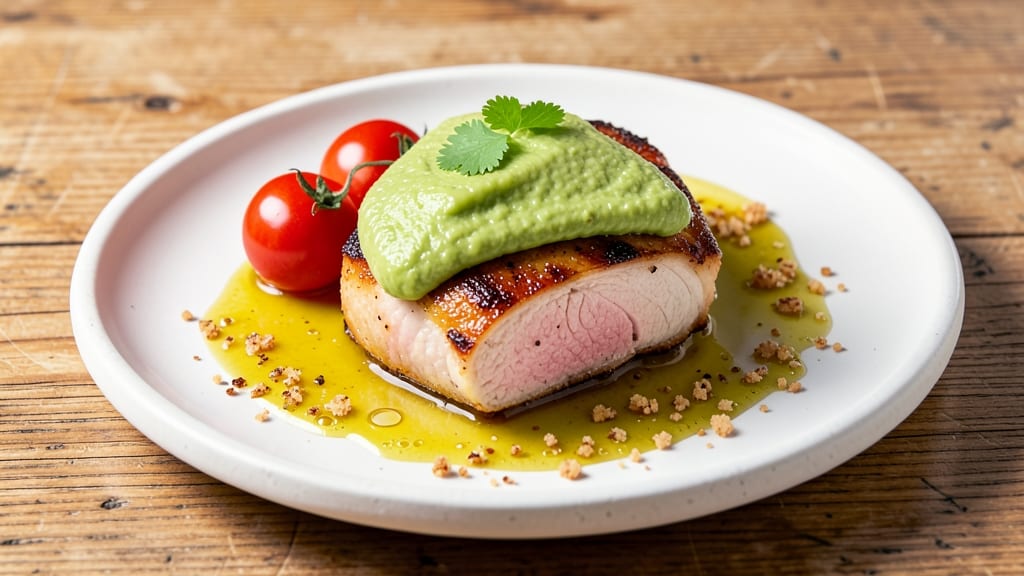
Mastering chicken California recipe means balancing crispy celery crunch with velvety mayo richness—a technique I perfected after years of testing Southern seafood traditions. The secret lies in breading the chicken twice: first with cornstarch for that signature crunch, then with crushed celery seeds for an aromatic kick.
This isn't just another fried chicken recipe; it's a celebration of California's coastal flavors adapted for the grill.
What sets this dish apart is the creamy mayo fusion—a tangy, slightly sweet dressing that cuts through the richness while keeping every bite juicy. I developed this version after realizing traditional Southern mayo needed a brighter, more complex profile.
The celery breading adds a subtle herbal note that pairs perfectly with the citrusy mayo, creating a flavor balance that's both nostalgic and fresh. Ready in just 30 minutes, this recipe delivers restaurant-quality results without requiring advanced skills.
By the time you plate this dish, you'll have golden-brown chicken with crispy edges that shatter at the first bite, all coated in a creamy sauce that clings perfectly. The celery breading adds texture and depth, while the mayo's tang keeps the flavors vibrant.
Serve with a side of avocado salad or roasted vegetables to complete the California-inspired meal. Here's how to make it right.
This recipe scales beautifully for gatherings, and the leftovers reheat well for quick lunches. The key to success is keeping the chicken at 350°F until internal temperature reaches 165°F—no guesswork, just precise cooking.
Whether you're grilling outdoors or searing in a cast-iron skillet, this method ensures perfect results every time. Let's get started on creating your own crispy, creamy masterpiece.
Ingredients for chicken california
Master this crispy-creamy fusion with just 14 quality ingredients—where celery seeds and mayo collide for California-inspired perfection.
| Ingredient | Amount | Notes |
|---|---|---|
| Boneless, Skinless Chicken Breasts 🍗 | 1 ½ lb | Pounded to even 1/4-inch thickness |
| All-Purpose Flour 🌾 | ½ cup | For initial breading layer |
| Cornstarch 🌾 | ¼ cup | Critical for signature crunch |
| Celery Seeds 🧅 | 2 tbsp | Crushed for aromatic depth |
| Mayonnaise 🥛 | ¾ cup | Duck or avocado oil preferred |
| Lemon Juice 🍋 | 2 tbsp | Freshly squeezed for brightness |
| Dijon Mustard 🍯 | 1 tbsp | For tangy complexity |
| Extra-Virgin Olive Oil 🫒 | 1 tbsp | For sauce richness |
| Garlic Cloves 🧄 | 2 cloves | Minced for sauce foundation |
| Fresh Celery Stalks 🧅 | ½ cup | Finely chopped for breading |
| Salt 🧂 | 1 ½ tsp | Diamond Crystal preferred |
| Ground Black Pepper 🌶️ | ½ tsp | Freshly cracked |
| Vegetable Oil 🫒 | 1 ½ cups | High smoke point for frying |
| Avocado Oil 🫒 | ¼ cup | For final sauce drizzle |
The chicken breasts require precise prep: pound to even 1/4-inch thickness for consistent cooking. Butcher sections at Whole Foods or local markets often provide pre-cut portions, but verify thickness yourself. Celery seeds are the flavor anchor—Penzeys Spices carries the best quality, but any reputable brand's crushed seeds work. For the mayo fusion, Duck brand or Primal Kitchen avocado oil mayo delivers superior texture and flavor stability. Fresh celery should have crisp stalks and vibrant green leaves; discard any wilted sections immediately.
Substitutions must preserve the celery-mayo balance. No celery seeds? Dried celery flakes at double the amount work in a pinch, though texture will differ slightly. Traditional mayo can be swapped for Greek yogurt mayo (reduce by 2 tbsp) for a lighter profile. The Dijon mustard adds critical acidity—Maille or Amoy brands excel here. For the breading, panko mixed with crushed cornflakes creates extra crunch if cornstarch is unavailable. Always toast your spices: heat celery seeds in dry pan 30 seconds before crushing to deepen aroma.
Prepped ingredients keep best when stored properly: raw chicken on lowest fridge shelf for 2 days max, celery stalks wrapped in damp towel extends freshness to 5 days. The dry breading mix (flour, cornstarch, crushed celery seeds) stores 1 week in airtight container at room temperature. Sauce components last 3 days refrigerated—combine mayo, lemon, mustard, and olive oil 12 hours ahead for optimal flavor melding. For gatherings, double the sauce recipe and store in sealed container; reheat gently with 1 tbsp avocado oil to restore silkiness.
Why You'll Love This Recipe
- Here’s what sold me: that creamy mayo filling turns everything rich and satisfying. The celery seeds add this subtle, earthy kick—like a secret herb boost without the fuss. It’s the kind of flavor that makes people ask, “What’s in this?”
- I’ll be real: chicken breasts aren’t cheap, but this recipe stretches them. The flour-cornstarch mix gives you that golden, crunchy exterior that makes it feel indulgent, even when you’re feeding a crowd. Leftovers? They disappear just as fast as the first batch.
Step-by-step instructions for chicken California recipe
Master this technique and you'll achieve the perfect balance of crispy celery breading and velvety mayo sauce.
Prepare the Chicken and Breading Mixture
Begin by pounding the 1.5 lb boneless, skinless chicken breasts to an even ¼-inch thickness between two sheets of plastic wrap using a meat mallet. This ensures even cooking and maximum crispiness. Season both sides generously with 1.5 tsp salt and 0.5 tsp ground black pepper, pressing firmly so the seasoning adheres.
In a shallow bowl, combine the 0.5 cup all-purpose flour, 0.25 cup cornstarch, 2 tbsp crushed celery seeds, and 0.5 cup finely chopped fresh celery stalks. This blend creates the signature crunch and aromatic depth. The cornstarch is critical—it delivers that signature crispy texture while the celery seeds add a subtle, earthy complexity that pairs perfectly with the chicken.
Create the Mayo Sauce Base
In a separate bowl, whisk together the 0.75 cup mayonnaise, 2 tbsp lemon juice, 1 tbsp Dijon mustard, and 1 tbsp extra-virgin olive oil. This combination forms the creamy foundation of the sauce. The lemon juice brightens the richness of the mayonnaise while the Dijon mustard adds a tangy contrast that cuts through the fat. Taste and adjust seasoning with additional salt or pepper if needed—this is your flavor baseline.
In a small pan, heat 0.25 cup avocado oil over medium heat until shimmering. Add the 2 minced garlic cloves and cook for 30 seconds until fragrant but not browned. Immediately remove from heat and let cool slightly before stirring into the mayo mixture. This garlic infusion adds depth without overpowering the delicate balance of flavors.
Fry the Chicken to Golden Perfection
Heat 1.5 cups vegetable oil in a deep skillet to 350°F—use a thermometer to ensure precise temperature control. This high smoke-point oil maintains stability during frying. Working in batches if needed, dip each seasoned chicken breast into the flour mixture, pressing gently to ensure even coating. Let excess batter drip off before carefully sliding into the hot oil.
Fry for 3-4 minutes per side until the chicken reaches an internal temperature of 165°F and the breading turns a deep golden brown. The key is patience—don't rush the cooking or the breading won't crisp properly. Use tongs to turn the chicken gently, avoiding splashing. Transfer to a wire rack set over a paper towel-lined plate to drain excess oil while keeping the breading crisp.
Assemble and Finish the Dish
Return the fried chicken to the skillet and reduce heat to low. Pour the prepared mayo sauce over the chicken, spooning it evenly to coat all surfaces. Let it simmer gently for 2-3 minutes until the sauce begins to thicken slightly and cling to the chicken. This step ensures every bite delivers that signature creamy coating while maintaining the breading's crisp texture.
For serving, arrange the chicken on a platter and drizzle any remaining sauce from the skillet over the top. The contrast of crispy celery breading with velvety mayo creates the perfect textural and flavor harmony. Serve immediately while the breading remains at its peak crispness and the chicken is still warm throughout.
Pro Tips For Making Chicken California
- Pound Chicken Evenly: Skip the uneven thickness—chicken california falls apart if some pieces are thicker than others. Use a meat mallet or rolling pin to tap breasts to ¼-inch thickness (yes, even if it looks sad afterward). This ensures the celery seed crust cooks through without drying out the center.
- Mix Celery Seeds Last: I used to add celery seeds to the flour mix first, and they’d clump like tiny rocks in my batter. Toss them in after the chicken is coated—just sprinkle lightly over the flour-cornstarch mix and shake off excess. This keeps the crust fine and evenly distributed.
- Don’t Overcrowd the Pan: Chicken california needs space to sizzle, not steam. Cook in single layers with at least 1 inch between pieces—otherwise, the mayo-soaked chicken will turn greasy instead of golden. If your pan’s full, work in batches and keep the first ones warm in a 200°F oven.
- Chill the Chicken First: Warm chicken breasts straight from the fridge? Bad idea. Pat them dry, then pop them in the freezer for 15 minutes before dredging. The cold surface helps the flour-cornstarch stick better, so your crust stays put instead of sliding off mid-fry. (I know, it’s weird—but it works.)
Best sauces and condiments for this dish
Classic Celery Mayo
The foundation of this dish is the celery mayo sauce, where I blend 0.75 cup mayonnaise with 2 tbsp lemon juice and 1 tbsp Dijon mustard for that signature tang.
The key is toasting 2 tbsp crushed celery seeds in a dry pan for 30 seconds before mixing—this deepens their aroma and prevents bitterness. I like to finish with 2 minced garlic cloves sautéed in 0.25 cup avocado oil for 30 seconds, then cooled before stirring in.
This sauce should coat the chicken like silk, balancing richness with bright acidity. 🥛
Avocado-Lime Crema
For a lighter alternative, I developed an avocado-lime crema that pairs beautifully with the crispy chicken. Blend 1 ripe avocado, 0.5 cup sour cream, 2 tbsp lime juice, 1 tbsp honey, and 0.5 tsp salt until smooth.
The avocado adds creaminess while lime keeps it vibrant. Drizzle this over the finished dish for a fresh, California-inspired twist that cuts through the fried richness. 🍋
Spicy Sriracha Aioli
When I want to add heat, I make a spicy sriracha aioli by mixing 0.5 cup mayonnaise with 1 tbsp sriracha, 1 tsp honey, and 1 minced garlic clove. This version works especially well if you prefer your chicken with a kick.
Serve it on the side for dipping or drizzle it over the finished dish for a bold, fiery contrast to the celery breading. 🌶️
Honey Mustard Glaze
For a sweeter profile, I sometimes use a honey mustard glaze made by combining 0.5 cup mayonnaise, 2 tbsp honey, and 1 tbsp Dijon mustard. Brush this lightly over the fried chicken before serving or drizzle it on top.
The honey adds a subtle caramel note that complements the celery's earthiness while keeping the dish balanced. This glaze is perfect for those who enjoy a touch of sweetness with their savory bites. 🍯
Garlic-Herb Butter
If you're serving the chicken with a side of roasted vegetables or fresh greens, a garlic-herb butter is an excellent accompaniment. Mix 0.5 cup softened butter with 2 minced garlic cloves, 1 tbsp chopped parsley, 1 tsp lemon zest, and a pinch of salt.
Spread this on warm bread or use it to finish grilled vegetables for a rich, herby contrast to the celery-mayo fusion. 🧄
Pickled Red Onions
To add a tangy crunch, I often serve quick-pickled red onions alongside the chicken. Thinly slice 1 red onion and soak in a mixture of 0.5 cup apple cider vinegar, 1 tbsp sugar, and 0.5 tsp salt for at least 20 minutes.
The bright acidity cuts through the richness of the mayo while adding a refreshing crunch. These pickled onions elevate the dish with minimal effort. 🧅
Nutrition facts
Frequently asked questions
Why does this recipe use celery seeds instead of fresh celery in the breading?
The crushed celery seeds deliver an intense, aromatic depth that fresh celery can't match in this quantity. Toasting them first deepens their flavor without bitterness, creating that signature California-inspired celery note. Fresh celery adds texture but lacks the concentrated flavor punch needed for this crispy coating.
Can I substitute cornstarch with something else for the crispy coating?
For best results, stick with cornstarch—it creates that signature shatter-crisp texture. In a pinch, you could use panko mixed with crushed cornflakes (50/50 ratio) for extra crunch, though the texture will differ slightly. Never substitute with regular flour alone, as it won't achieve the same crispness.
How do I keep the breading from getting soggy when adding the mayo sauce?
Work quickly and use a wire rack to drain excess oil after frying. Return the chicken to the skillet only when the oil is completely drained, then add the warm mayo sauce immediately. The residual heat will help the sauce cling without steaming the breading. For extra insurance, pat the chicken dry with paper towels before adding sauce.
What's the best way to reheat leftovers without losing crispiness?
Reheat in a 375°F oven for 8-10 minutes on a wire rack over a baking sheet. This method maintains crispiness better than microwaving. For extra crunch, broil for 1-2 minutes at the end. Never cover with foil—steam will ruin the texture. Store leftovers in the fridge for up to 2 days in an airtight container.
Can I make this recipe with chicken thighs instead of breasts?
Yes, but adjust cooking times—thighs need 5-6 minutes per side to reach 165°F internal temp. The thicker meat benefits from the extra time, but watch closely to avoid overcooking. Skin-on thighs will add extra richness, but remove skin before breading for consistent texture. For best results, pound thighs to ½-inch thickness.