
Sauces & Condiments
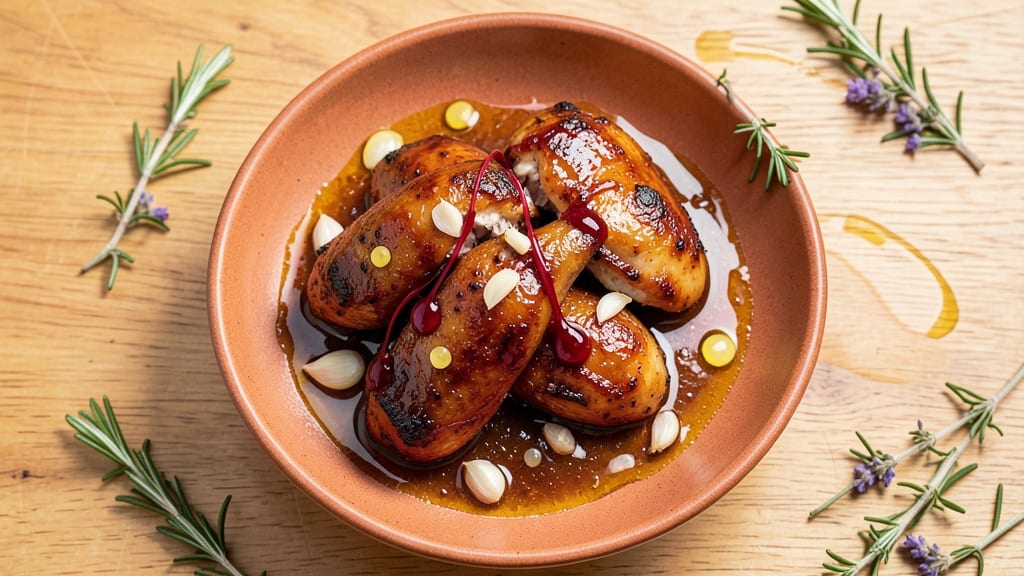
A chicken heart marinade transforms tough, gamey cuts into tender, umami-rich bites that elevate any protein dish. This bold blend of soy sauce, garlic, and citrus cuts through natural flavors while adding depth that lingers long after the first bite.
I developed it after discovering how marinating chicken hearts for just 4 hours unlocks their full potential—no longer an afterthought, but the star of the plate.
The secret lies in balancing acidity, salt, and sweetness—soy sauce for umami, garlic for sharpness, and a touch of honey to mellow the edges. A splash of vinegar tenderizes the meat while keeping the marinade from turning slimy.
This isn’t just for chicken hearts; it works equally well on tougher cuts of beef or pork, making it a versatile tool for any home cook.
What you’ll get is a marinade that infuses meat with layers of savory, slightly sweet, and tangy notes—ideal for grilling, roasting, or pan-searing. The result? Juicy, flavorful bites that melt in your mouth, with a crust that’s crispy enough to satisfy even the most discerning palates.
No more bland or chewy leftovers—just restaurant-quality texture every time.
Use this marinade as a base and customize it with herbs, spices, or a dash of hot sauce for extra kick. Perfect for meal prep or last-minute dinners, it’s the one sauce that turns simple proteins into showstoppers.
Let’s dive into the ingredients and techniques that make this marinade a game-changer.
Ingredients for chicken heart marinade
Six core ingredients plus a few powerhouse extras—this marinade cuts through gamey flavors while adding layers of umami and brightness.
| Ingredient | Amount | Notes |
|---|---|---|
| Soy Sauce 🥢 | ½ cup | High-quality, preferably Japanese |
| Extra-Virgin Olive Oil 🫒 | ¼ cup | For richness and moisture |
| Fresh Garlic Cloves 🧄 | 6 cloves | Peeled and minced finely |
| Honey 🍯 | 2 tbsp | Raw or local preferred |
| Red Wine Vinegar 🍷 | ¼ cup | For acidity and tenderness |
| Fresh Lemon Juice 🍋 | ¼ cup | Brightens and tenderizes |
| Ground Black Pepper 🌶️ | 1 tbsp | Freshly cracked for intensity |
| Salt 🧂 | 1 ½ tsp | Kosher or sea salt preferred |
| Fresh Ginger Root 🌿 | 1 tbsp | Grated finely for warmth |
| Sesame Oil 🫒 | 1 tbsp | For nutty aroma (optional) |
The soy sauce is non-negotiable here—Japanese brands like Kikkoman or Tamari bring the best umami punch. I grab mine at Whole Foods or the Asian market, but any quality soy sauce works. Fresh garlic and ginger are worth the extra minute to grate—pre-minced loses flavor fast. The honey? Raw or local adds subtle floral notes, but regular works too. Red wine vinegar is key for tenderness; if you’ve got balsamic, use that instead for a sweeter edge. Sesame oil is optional but adds that signature nutty aroma that makes this marinade feel special.
No fresh ginger? Ground ginger at half the amount works, but it’s not the same. Short on soy sauce? Coconut aminos in a pinch, though it’ll taste slightly different. Want more heat? Add a dash of hot sauce or red pepper flakes. The lemon juice can be bottled, but fresh is brighter. If you’re marinating beef or pork, you might want to double the garlic and ginger—those cuts need extra flavor love. And trust me, the sesame oil is worth it, even if it’s just a splash.
This marinade keeps for 5-7 days in the fridge, sealed tight in a jar. For longer storage, freeze it in ice cube trays—just thaw overnight before using. The garlic and ginger can be prepped ahead and stored in the freezer for up to 3 months. I like to make a big batch and use it on everything from chicken thighs to steak—it’s the secret weapon in my cooking arsenal. Just don’t over-marinate; 4 hours max for chicken hearts, or the texture gets mushy.
Why You'll Love This Recipe
- Five-Ingredient Magic: This marinade is my secret for turning tough chicken hearts into something tender and irresistible. Honestly, the combination of soy sauce and honey does all the work—no fancy techniques needed.
- Umami Bomb: That first bite? The garlic and red wine vinegar cut through the richness, leaving behind a punch of savory-sweet flavor. It’s the kind of taste that makes you reach for seconds without thinking.
- Weeknight Hero: I use this marinade for everything—grilled chicken hearts on weekends, stir-fries on busy nights, or even as a quick topping for rice bowls. Between us, it’s my go-to when I don’t want to overcomplicate dinner.
- Budget Upgrade: Chicken hearts are cheap, but this marinade makes them feel like a splurge. A little goes a long way, and the leftovers? Even better the next day—just reheat and enjoy. My wallet (and taste buds) thank me.
Step-by-step instructions for chicken heart marinade
Here's how to blend this bold marinade—perfect for transforming tough chicken hearts into tender, flavorful bites.
Combine Wet Ingredients in a Bowl
In a large mixing bowl, start by whisking together the 0.5 cup soy sauce and 0.25 cup extra-virgin olive oil. The soy sauce will begin to emulsify with the oil, creating a silky base. I like to use a fork first to break up any clumps in the soy sauce before adding the oil—this ensures everything blends smoothly from the start.
Next, add the 0.25 cup red wine vinegar and 0.25 cup fresh lemon juice. These acidic ingredients will tenderize the chicken hearts while adding brightness to the marinade. Stir well to combine, and you'll notice the mixture start to take on a rich, reddish hue from the vinegar and soy sauce. The lemon juice will give it a fresh, citrusy aroma that cuts through the richness of the oil.
Add Sweet and Aromatic Elements
Pour in the 2 tablespoons honey and stir until fully dissolved. The honey will balance the acidity and add a subtle sweetness that complements the umami flavors. You'll see the mixture become slightly thicker and more cohesive as the honey integrates.
Now, add the 6 cloves minced fresh garlic cloves, 1 tablespoon grated fresh ginger root, 1 tablespoon ground black pepper, and 1.5 teaspoons salt. Stir everything together until the garlic and ginger are evenly distributed. The mixture should smell vibrant—garlicky, slightly spicy, and tangy. If you're using sesame oil, add the 1 tablespoon sesame oil now and stir again. This optional ingredient adds a nutty depth that pairs beautifully with the other flavors.
Let the Marinade Rest and Develop
Transfer the marinade to a resealable container or a bowl with a lid. Seal it tightly and let it rest at room temperature for at least 30 minutes—this allows the flavors to meld together. You'll notice the aroma intensify as the garlic and ginger release their oils, and the soy sauce deepens in color. If you have time, let it sit for up to 2 hours in the refrigerator for even more complex flavor development.
Before using, give the marinade a final stir. The texture should be smooth and well-balanced, with no separated ingredients. If the mixture looks too thick, you can thin it slightly with a splash of water or additional lemon juice. This marinade is incredibly versatile—use it for chicken hearts, tofu, or even grilled vegetables to infuse them with bold, umami-packed flavor.
Pro Tips For Making Chicken Heart Marinade
- MINCE GARLIC FINELY: DESCRIPTION: Chicken hearts need garlic to soften their tough texture, so don’t be lazy—use a knife instead of a press. I learned this the hard way when my marinade tasted like garlic paste instead of blended flavor. Aim for a paste so smooth it looks like it’s part of the sauce, not just chunks floating around.
- MARINATE 4+ HOURS: DESCRIPTION: Soy sauce and vinegar need time to break down collagen, so skip the 30-minute "quick soak." I used to rush it, and the hearts stayed chewy no matter how I cooked them. Let them sit uncovered in the fridge overnight if possible—the acid works its magic while you sleep.
- BALANCE SWEET AND ACID: DESCRIPTION: Too much honey makes the marinade cloying; too little vinegar dulls the flavor. Start with a 1:1 ratio of honey to vinegar (about 2 tablespoons each) and adjust after tasting. The goal is a glossy, tangy-sweet coating that clings to the hearts like syrup.
- WHISK IN OIL LAST: DESCRIPTION: Olive oil separates when mixed with vinegar, so add it after everything else is emulsified. Stir vigorously for 30 seconds—yes, even if it looks weird at first. This ensures the marinade coats the hearts evenly instead of pooling in greasy patches. (Trust me, you’ll notice the difference.)
Pro cooking tips for this recipe
Acidic Balance Secrets
The vinegar-to-lemon juice ratio (1:1) is critical for tenderizing without over-acidifying. I’ve found that red wine vinegar works best for chicken hearts because its mild tang preserves the meat’s natural texture better than white vinegar.
For extra brightness, add 1 tsp of orange zest—it enhances the citrus notes without overpowering. 🍋
Honey’s Dual Role
The 2 tbsp honey isn’t just for sweetness—it also acts as a natural preservative, preventing the marinade from growing bacteria. I prefer raw honey because it retains more enzymes, but even store-bought works.
If your honey crystallizes, warm it gently in a bowl of hot water (don’t microwave) to restore its liquid form before mixing.
Garlic and Ginger Prep
Freshly minced garlic and grated ginger release their oils faster than pre-minced or ground versions. For maximum flavor, use a microplane for ginger—it creates finer particles that disperse evenly. If you’re short on time, blend the ginger with 1 tbsp water in a food processor for a smoother texture.
The key is to avoid clumps, which can make your marinade unevenly flavored.
Salt Timing Matters
Adding 1.5 tsp salt at the end of mixing ensures even distribution throughout the marinade. If you add it too early, the salt can draw out moisture from the garlic and ginger, making them watery.
For extra depth, I sometimes add ½ tsp of fish sauce (like Red Boat)—it amplifies the umami without overpowering the other flavors.
Marinating Time Rules
Chicken hearts are delicate—marinate for no more than 4 hours to avoid turning them mushy. For tougher proteins like beef, extend to 6-8 hours. I always use ziplock bags for marinating because they allow the meat to fully submerge in the liquid.
If you’re short on time, a 30-minute marinade still adds flavor, though the texture won’t be as tender.
Sesame Oil Substitutes
If you skip sesame oil, replace it with 1 tbsp toasted sesame seeds (lightly crushed) for texture. For a smoky twist, add ½ tsp smoked paprika. The sesame oil is optional but adds that signature nutty aroma that makes this marinade feel special.
If you’re using it, add it last—its strong flavor can overpower if mixed too early. 🌶️
Nutrition facts
Frequently asked questions
Can I use this marinade on other meats besides chicken hearts?
This marinade works beautifully on tougher cuts like beef short ribs, pork shoulder, or even duck breast. For beef and pork, you may want to marinate for 6-8 hours to fully tenderize the meat. The umami-rich flavors complement these proteins perfectly, though you might want to reduce the honey slightly if using sweeter cuts.
How long can I store the marinade before using it?
The marinade stays fresh for 5-7 days in the refrigerator when stored in an airtight container. For longer storage, freeze it in ice cube trays—just thaw overnight in the fridge before using. The flavors actually develop more depth over time, making it perfect for meal prep. Just be sure to use it within a week for best results.
What if I don't have red wine vinegar?
No problem! Substitute with apple cider vinegar or balsamic vinegar in equal amounts. Apple cider adds a subtle sweetness, while balsamic gives a richer depth. White wine vinegar works too, though it may be slightly sharper. The key is maintaining that acidic balance for tenderizing the meat.
Can I marinate chicken hearts for too long?
Yes—chicken hearts are delicate and should never marinate for more than 4 hours. Over-marinating can break down the meat's texture, making it mushy. For quick flavor infusion, even 30 minutes will add great taste, though the texture won't be as tender. If you're short on time, focus on a quick sear after marinating to lock in juices.
How do I prevent the marinade from turning slimy?
Store the marinade in the fridge, not at room temperature, and always use clean utensils when mixing. The honey and vinegar help preserve freshness, but contamination can still happen. If you notice sliminess, discard it immediately—this is a sign of bacterial growth. For extra safety, add 1 tsp of lemon juice when storing to boost preservation.