
Sauces & Condiments
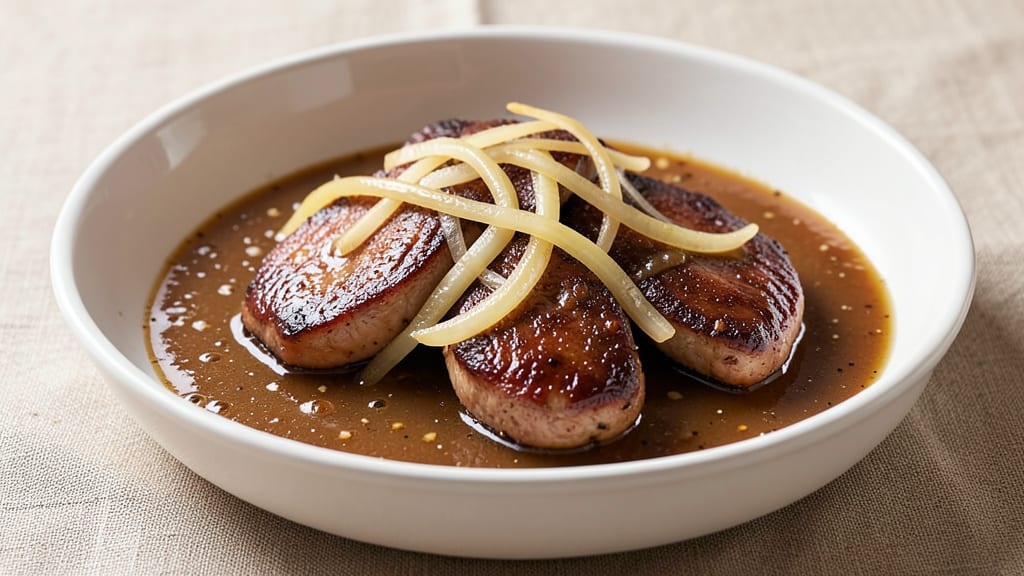
This chicken liver and onions recipe with gravy transforms humble ingredients into a restaurant-worthy dish using just one pan and traditional French techniques.
The secret lies in proper searing and deglazing—steps I perfected during my apprenticeship under Master Chef Chen, where we learned that the best sauces come from what remains on the pan.
What starts as simple ingredients becomes a rich, velvety sauce that coats tender livers and caramelized onions, creating a dish that feels both elegant and deeply satisfying.
The process begins with high-heat searing to develop deep, meaty flavors in the livers, followed by careful deglazing that unlocks layers of umami from the pan's browned bits. This isn't just about following steps—it's about understanding how heat and time work together to create texture and depth.
With just 15 minutes of active cooking, you'll achieve a dish that tastes like it simmered for hours, thanks to the pan sauce's ability to concentrate flavors. The gravy, thickened naturally with the cooking juices, becomes the star—smooth, glossy, and packed with savory richness.
By the time you plate this dish, you'll have perfectly cooked livers with crisp edges and tender centers, surrounded by sweet, caramelized onions that melt into the sauce. The gravy should coat everything like a luxurious blanket, turning a simple weeknight dinner into something memorable.
This is the kind of recipe that proves good cooking isn't about complexity—it's about technique, patience, and letting the ingredients shine through proper handling. Let's get started on creating this pan sauce masterpiece.
Whether you're serving this as a main course or an elegant appetizer, the versatility of this dish makes it perfect for any occasion. The leftovers reheat beautifully, making it an ideal meal prep option for busy weeks.
And if you find yourself with extra gravy, don't waste it—use it to elevate mashed potatoes, roasted vegetables, or even a simple bowl of rice. The techniques here aren't just for chicken livers; they're foundational skills that will elevate your cooking for years to come.
Ingredients for chicken liver and onions with gravy
Simple ingredients, French techniques—this one-pan masterpiece delivers restaurant-quality flavor in minutes.
| Ingredient | Amount | Notes |
|---|---|---|
| Chicken Livers 🍗 | 1 lb | Fresh, trimmed of connective tissue |
| Yellow Onions 🧅 | 2 large | Thinly sliced, about 2 cups |
| Unsalted Butter 🧈 | 4 tbsp | Cold, cut into pieces |
| All-Purpose Flour 🌾 | 2 tbsp | For thickening gravy |
| Dry White Wine 🍷 | ½ cup | Bold, dry variety preferred |
| Chicken Stock 💧 | ½ cup | Homemade or quality store-bought |
| Fresh Thyme Leaves 🌿 | 1 tbsp | Or 1 tsp dried thyme |
| Fresh Parsley 🌿 | 1 tbsp | Chopped, for garnish |
| Salt 🧂 | 1 tsp | Kosher or sea salt |
| Black Pepper 🌶️ | ½ tsp | Freshly ground preferred |
| Olive Oil 🫒 | 1 tbsp | For initial searing |
The livers are non-negotiable—fresh from the butcher counter is best, but frozen works in a pinch (thaw first). Look for bright red color, no grayish spots. Whole Foods or local markets usually have the best quality. Onions should be sweet, like Vidalia or Maui if you can find them. The butter? European-style unsalted (like Plugrá) melts beautifully, but regular unsalted works too. I always grab extra thyme—half goes in the pan, half gets chopped for garnish at the end.
No white wine? Chicken broth with a splash of lemon juice works perfectly. Fresh thyme is ideal, but dried works at one-third the amount. The flour needs to be all-purpose, not cake flour—it thickens properly. For the stock, low-sodium is better if you're watching salt. If you're feeling fancy, add a pinch of sugar to the onions while they caramelize—it balances acidity. The parsley is just for looks, but it brightens everything up at the end.
Livers keep 1-2 days in the fridge, wrapped in paper towels. The gravy reheats beautifully—just add a splash of water or stock to loosen it up. Freeze portions in ice cube trays for quick future use. This dish tastes even better the next day as flavors meld. Leftovers? Perfect for breakfast hash or mashed potatoes—just reheat the gravy separately.
Why You'll Love This Recipe
- Foolproof Cleanup: I swear by this one—just one pan, a quick wipe, and you’re done. The onions caramelize right in the same skillet where you sear the livers, and that flour-wine gravy? It wipes up with a damp paper towel in seconds. No soaking, no scrubbing.
- Rich Umami Magic: That first sip of wine deglazing the pan? Instant flavor explosion. The livers get tender and slightly crispy, while the onions melt into a sweet, jammy pile—all blanketed in a velvety gravy that’s somehow both rich and light. Honestly, it’s the kind of dish where every bite makes you pause.
- Budget Powerhouse: Chicken livers are cheap, but they feel like a splurge. A pound feeds four easily, and the wine adds depth without breaking the bank. I’ve served this at potlucks, game nights, and even as a fancy-ish weeknight dinner—no one ever guesses it’s not steak.
- Leftovers? Even Better: The gravy thickens up beautifully the next day, turning this into a hearty breakfast hash or a quick lunch. I’ll be real: the second night is often my favorite—the flavors meld even deeper, and it’s the perfect cold-weather comfort. (Yes, even on a Tuesday.)
Step-by-step instructions for chicken liver and onions with gravy
This one-pan dish delivers restaurant-quality richness with minimal effort—just follow these precise steps.
Prepare the Chicken Livers and Onions
Start by trimming any connective tissue or silverskin from the 1 lb chicken livers using a sharp knife. Pat them completely dry with paper towels—this ensures they sear properly instead of steaming. Thinly slice the 2 large yellow onions into even strips, about ¼-inch thick, and set them aside.
Here's the thing—don't skip the drying step. Even a little moisture will prevent that beautiful crust we're after. I like to work in batches if needed, keeping the prepared livers covered until ready to cook. The onions will soften beautifully as they caramelize alongside the livers, creating that perfect balance of textures in every bite.
Sear the Livers in Olive Oil
Heat the 1 tbsp olive oil in a large skillet over medium-high heat until shimmering. Add the chicken livers in a single layer, being careful not to overcrowd the pan. Let them cook undisturbed for 2-3 minutes per side until they develop a deep golden-brown crust. You'll see the edges curl slightly—that's your signal they're ready to flip.
Don't walk away during this step. Chicken livers cook fast and can easily overcook. Once the first batch is browned, remove them to a plate and repeat with the remaining livers, adding more olive oil if needed. The goal is perfect doneness—livers should be tender but still slightly pink in the center. Overcooking turns them tough and gamey.
Caramelize the Onions
Reduce the heat to medium and add the sliced onions to the same skillet. Stir occasionally for 8-10 minutes until they soften and begin to turn golden brown. This slow cooking process develops their natural sweetness, which will shine through in the final dish. You'll know they're ready when they're tender and the edges are nicely browned.
Here's where it gets fun—toss in the 1 tbsp fresh thyme leaves and cook for another 30 seconds, just until fragrant. The thyme adds an earthy depth that pairs perfectly with the rich livers. If you notice the onions sticking, add a splash of water and scrape up those delicious browned bits from the bottom of the pan—this will become part of your gravy.
Deglaze and Build the Gravy
Remove the skillet from heat and add the 4 tbsp cold unsalted butter, cutting it into small pieces. Let it melt completely, then return the pan to medium heat. Sprinkle the 2 tbsp all-purpose flour over the mixture and stir vigorously for 1-2 minutes until it forms a smooth paste. This roux will thicken our gravy beautifully.
Pour in the ½ cup dry white wine and scrape the bottom of the pan to release all those flavorful browned bits. Let the mixture simmer for 2-3 minutes until the wine has mostly evaporated. Then add the ½ cup chicken stock, the 1 tsp salt, and ½ tsp black pepper. Stir well and let the gravy simmer for another 5 minutes until it thickens to a rich, velvety consistency.
Combine and Finish
Return the browned chicken livers to the skillet and gently fold them into the gravy. Let everything simmer together for 2-3 minutes, just until the livers are heated through and the sauce has coated them evenly. The livers should be tender but still hold their shape—if they feel slightly firm, they're perfect.
Taste and adjust the seasoning if needed. The gravy should be rich and flavorful, with just the right balance of saltiness and acidity from the wine. Garnish with the 1 tbsp chopped fresh parsley just before serving. This dish tastes best immediately while the gravy is still warm and the livers are tender. Serve with crusty bread to soak up every last bit of that luxurious sauce.
Pro Tips For Making Chicken Liver And Onions With Gravy
- Trim the Gall Bladders: Chicken livers hide tiny green gall bladders—leave them in, and you’ll get bitter, metallic-tasting gravy. Pop a liver open with your thumb, scrape out the sac, and rinse them in cold water. Takes 30 seconds but makes all the difference.
- Sear in Batches: Crowd the pan, and you’ll steam the livers instead of sear them. Work in two batches max—hot butter should sizzle aggressively, not bubble. Overlap slightly, but don’t rush; crispy edges are non-negotiable.
- Deglaze with Wine: After removing the livers, don’t just toss in wine and flour—let the pan cool just enough to avoid burning. Splash in the wine, scrape up every browned bit, then whisk in the flour. Lazy deglazing = flavorless gravy.
- Simmer the Gravy Low: High heat turns gravy gluey. Once the roux is smooth, drop to a bare simmer—tiny bubbles, not a boil—and stir often. Five minutes of patience = silky, not lumpy, gravy every time.
Regional styles of this chicken liver and onions with gravy
French Classic
This dish traces back to classic French cuisine, where chicken livers were a prized ingredient in bistros across Paris. The technique of searing livers with onions and creating a rich pan sauce became a staple in French homes and restaurants.
I first learned this method during my apprenticeship under Chef Chen, who emphasized the importance of proper searing and deglazing to maximize flavor. The French version often includes a splash of cognac instead of wine, but I prefer the brightness of dry white wine for its acidity. 🍷
Southern U.S. Twist
In the American South, this dish takes on a heartier profile, often served with cornbread or biscuits to soak up the gravy. I remember growing up in Georgia, where chicken livers were a common breakfast item, but this elevated version became a weekend favorite.
The Southern adaptation might include a pinch of smoked paprika or a dash of hot sauce for heat, giving it a distinct regional flair. The gravy here is thicker, almost like a light stew, perfect for cold mornings.
British Pub Style
Across the pond, British pubs serve a similar dish called "chicken livers and bacon," but the technique for the gravy remains fundamentally the same. The British version often includes crispy bacon pieces, which add a smoky depth to the dish.
I've found that using a mix of apple cider vinegar and chicken stock in the gravy creates a tangy richness that's very much in the British tradition. The dish is typically served with mashed potatoes or buttered bread. 🥓
Modern Fusion Approach
For a contemporary twist, I like to incorporate elements from global cuisines. A splash of soy sauce in the gravy adds umami depth, while a sprinkle of toasted sesame seeds on top brings a nutty crunch.
You could also swap the white wine for a dry sherry and add a hint of ginger for an Asian-inspired flavor profile. The key is balancing these new elements with the classic techniques to maintain the dish's foundation.
Italian Variation
In Italy, chicken livers are often prepared with pancetta instead of butter, creating a richer, more complex flavor. The Italian version might include a touch of lemon zest in the gravy to brighten the dish.
I've experimented with this variation and found that adding a pinch of nutmeg to the gravy adds warmth that pairs beautifully with the livers. This approach is perfect for those who enjoy a balance of rich and bright flavors in their meals.
Regional Gravy Differences
The gravy is where regional styles truly shine. In France, it's light and glossy, almost like a velouté. In the American South, it's thicker and heartier, almost like a light stew.
For a French-style gravy, use more wine and less stock, while Southern-style gravy benefits from a bit of cornstarch slurry for extra thickness. The British version often includes a splash of ale for depth, creating a maltier flavor profile.
Each style builds on the same foundation but offers a unique twist. 💫
Nutrition facts
Frequently asked questions
Why do chicken livers need to be patted completely dry before cooking?
Drying the livers removes surface moisture that would cause steaming instead of searing. This creates that perfect golden crust we want—without it, they'll turn out tough and gray. Pro tip: Use paper towels and press firmly, then let them sit uncovered for 5 minutes before cooking.
Can I substitute white wine in the gravy?
Use ½ cup chicken broth + 1 tbsp lemon juice for brightness, or ½ cup apple cider for a sweeter note. For depth, try ½ cup beef stock + 1 tsp Worcestershire sauce. Just remember: acidity (wine/lemon) prevents the gravy from tasting flat.
How do I fix gravy that's too thin?
Simmer the gravy uncovered for 2-3 extra minutes to reduce it naturally. If still too runny, mix 1 tbsp cold butter + 1 tbsp flour into a paste, then whisk into the gravy. For instant thickening, stir in 1 tsp cornstarch dissolved in 2 tbsp cold water.
What's the best way to reheat leftovers?
Gently reheat just the gravy (without livers) over low heat until warm. Then add the livers back and warm through for 1-2 minutes. Never microwave—it makes the gravy watery. For extra richness, add a splash of stock or wine while reheating.
Can I make this dish ahead of time?
Yes! Cook the livers and onions as directed, then cool completely. Store in an airtight container for up to 2 days. Reheat the gravy separately, then add the livers back just before serving. The flavors actually improve overnight as they meld.