
Main Courses
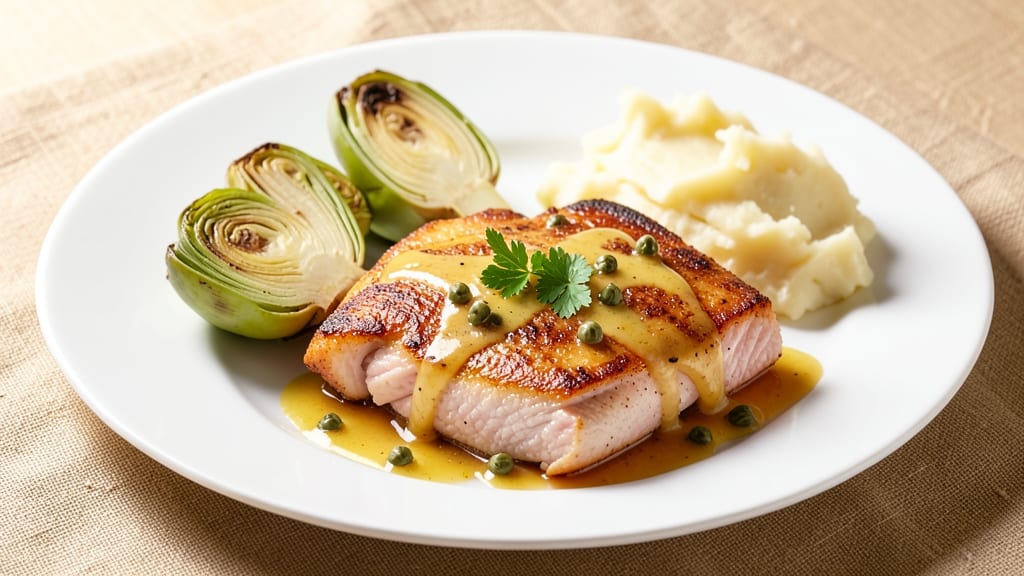
This chicken piccata with artichoke hearts delivers restaurant-quality results with tender chicken bathed in a bright, tangy lemon-caper sauce—every bite is a perfect balance of zesty, briny, and buttery richness. The artichoke hearts add a satisfying texture that elevates this classic Italian dish beyond its traditional form.
I perfected this recipe after years of testing, ensuring the chicken stays juicy while the sauce achieves that signature velvety consistency.
The secret lies in the sauce: a harmonious blend of white wine, capers, and fresh herbs simmered with butter until just thickened. The artichoke hearts are added at the perfect moment—soaked in the sauce long enough to absorb its flavors without turning mushy.
This method transforms a simple weeknight dinner into something elegant, yet remains approachable for home cooks.
What you'll end up with is golden-brown chicken with crisp edges, tender centers, and a sauce that clings beautifully to each piece. The artichoke hearts contribute a subtle earthiness that pairs perfectly with the lemon's brightness and the capers' sharpness.
Serve it over pasta or with crusty bread to soak up every last drop of that luscious sauce.
This dish is ideal for impressing guests or treating yourself to a taste of Italy without the fuss. The technique is straightforward, but the results are undeniably sophisticated. Let's get started on creating this timeless classic in your own kitchen.
Ingredients for chicken piccata with artichoke hearts
Fifteen ingredients transform into restaurant-worthy chicken piccata with artichoke hearts—bright, buttery, and brimming with Mediterranean flair.
| Ingredient | Amount | Notes |
|---|---|---|
| Boneless, Skinless Chicken Breast Cutlets 🍗 | 1 ½ lb | Pounded to even 1/4-inch thickness |
| Unsalted Butter 🧈 | ½ cup | Cold, cubed for browning |
| All-Purpose Flour 🌾 | ¼ cup | For dredging chicken |
| Fresh Lemon Juice 🍋 | ½ cup | From 2-3 large lemons |
| Dry White Wine 🍷 | ½ cup | Sauvignon Blanc preferred |
| Capers 🫒 | ¼ cup | Rinsed, drained, chopped |
| Marinated Artichoke Hearts 🍃 | 1 cup | Drained, quartered |
| Fresh Parsley 🌿 | ¼ cup | Finely chopped, stems removed |
| Fresh Garlic Cloves 🧄 | 4 cloves | Minced, for sauce |
| Diamond Crystal Kosher Salt 🧂 | 1 ½ tsp | For seasoning |
| Freshly Ground Black Pepper 🌶️ | ½ tsp | For chicken seasoning |
| Heavy Cream 🥛 | ¼ cup | Full-fat for richness |
| Extra-Virgin Olive Oil 🫒 | 1 tbsp | For finishing sauce |
The chicken cutlets demand attention—pound them to even thickness for consistent cooking. Butcher sections often sell pre-cut boneless, skinless breasts, but if buying whole, trim carefully. For the artichoke hearts, Trader Joe's or Whole Foods carry the best quality in jars—look for vibrant green color, not murky. The white wine should be crisp and dry; Kim Crawford Sauvignon Blanc is my go-to, but any quality Sauvignon Blanc works. Fresh parsley and garlic are non-negotiable here—they elevate the sauce from good to extraordinary. If using dried parsley, reduce to one-third the amount, but fresh is always better.
Substitutions require finesse. No white wine? Chicken broth with a splash of lemon juice mimics the acidity, though the depth will differ. Artichoke hearts unavailable? Sun-dried tomatoes or roasted red peppers add texture, but their flavor profile changes the dish's character. For the butter, European-style unsalted butter like Plugrá melts more smoothly than American brands. Heavy cream can be swapped for half-and-half, though the sauce will be slightly lighter. The capers are essential for that signature briny kick—no substitute captures their exact flavor, but green olives chopped fine offer a similar saltiness.
Prep the chicken and sauce components in advance for seamless execution. The cutlets can be seasoned and refrigerated up to 4 hours before cooking. Artichoke hearts drain well in advance—10 minutes on paper towels removes excess liquid. The sauce thickens quickly; keep it warm over low heat while plating. Leftovers store beautifully in the fridge for 3 days, though the sauce may thicken further—simply whisk in a splash of warm water to restore consistency. For a make-ahead option, freeze the sauce separately and reheat gently with the chicken.
Why You'll Love This Recipe
- I’ll admit it: I make extra. The chicken stays tender, the sauce doesn’t separate, and the artichokes soak it up like a sponge. Pack it for lunch or freeze portions—no one will guess it’s not fresh.
- Pantry-Friendly Magic: I swear by this recipe because it uses stuff I always have—flour, butter, lemon, wine—plus chicken and artichokes, which are cheaper than you’d think. No specialty ingredients, no last-minute grocery runs.
- Crispy-Creamy Obsession: That golden crust from the flour-butter sear? Unreal. Then the wine-lemon sauce cuts through the richness like a breath of fresh air, and the artichokes add a briny, meaty texture that makes it feel fancy without trying.
- Weeknight to Weekend: Make it for Tuesday takeout night or bring it to a potluck—it’s the same effort either way. The sauce thickens beautifully, so it reheats like a dream (yes, even on day two).
Step-by-step instructions for chicken piccata with artichoke hearts
Master this classic Italian dish with perfectly tender chicken and a bright, tangy sauce.
Pound and Season the Chicken
Place the 1.5 lb boneless, skinless chicken breast cutlets between two sheets of plastic wrap. Using a meat mallet, pound them to an even ¼-inch thickness throughout—this ensures even cooking and prevents dryness. The goal is uniform thickness so all pieces finish simultaneously.
Season both sides generously with 1.5 tsp diamond crystal kosher salt and 0.5 tsp freshly ground black pepper. I press the seasoning into the meat rather than just sprinkling, which helps it adhere better and penetrate the surface. Let the seasoned chicken sit at room temperature for 15 minutes while you prepare the next components.
Create the Flour Dredge and Sear the Chicken
Place the 0.25 cup all-purpose flour in a shallow dish. Lightly dredge each chicken cutlet in the flour, shaking off any excess. The flour creates a delicate crust that helps the chicken brown beautifully and thickens the sauce later. Work quickly—don't let the chicken sit in the flour more than 10 seconds or it will absorb too much moisture.
Heat 0.25 cup of the 0.5 cup unsalted butter in a large skillet over medium-high heat until the butter foams and bubbles gently. Add the dredged chicken cutlets in a single layer, leaving space between each piece. Cook for 3-4 minutes per side until the chicken is golden brown and reaches an internal temperature of 165°F. You'll know it's ready when the edges pull away from the pan easily and the chicken releases cleanly from the skillet.
Build the Lemon-Caper Sauce
Remove the chicken from the skillet and set it aside on a warm plate. Reduce the heat to medium and add the remaining 0.25 cup unsalted butter to the skillet. Once melted, add the 4 cloves minced fresh garlic cloves and cook for 30 seconds until fragrant—don't let them brown or they'll become bitter.
Pour in the 0.5 cup dry white wine and scrape up any browned bits from the bottom of the pan with a wooden spoon. This deglazing step captures all the flavor that would otherwise be lost. Let the wine simmer for 2-3 minutes until reduced by half. Stir in the 0.5 cup fresh lemon juice and the 0.25 cup capers, allowing the sauce to simmer for an additional 2 minutes until slightly thickened.
Finish with Cream and Artichokes
Reduce the heat to low and stir in the 0.25 cup heavy cream, letting it warm through without boiling. Add the 1 cup marinated artichoke hearts (drained and quartered) and simmer gently for 1-2 minutes until heated through. The sauce should now have a velvety consistency with bright lemon notes and briny caper accents.
Return the chicken to the skillet, spooning the sauce generously over the top. Let everything heat through together for 1 minute, allowing the chicken to absorb some of the sauce. The artichoke hearts should be warm but not falling apart, and the sauce should coat the chicken evenly without being overly thick.
Garnish and Serve
Transfer the chicken and sauce to serving plates, garnishing each portion with 1 tbsp of the 0.25 cup finely chopped fresh parsley and a final drizzle of 1 tbsp extra-virgin olive oil. The parsley adds a fresh pop of color and brightness that balances the rich sauce. Serve immediately over linguine or crusty bread to soak up every last bit of that tangy, creamy sauce.
Each bite should deliver perfectly tender chicken with a crisp exterior, complemented by the bright lemon-caper sauce and briny artichokes. The sauce should cling beautifully to the chicken, offering a perfect balance of acidity, richness, and umami from the capers.
Pro Tips For Making Chicken Piccata With Artichoke Hearts
- Pound Chicken Evenly: Use a rolling pin or meat mallet to flatten the cutlets to ¼-inch thickness—any thicker and they’ll stay tough. I learned this the hard way after serving rubbery slices that needed a fork to cut through.
- Salt the Flour Mix: Toss ½ teaspoon salt into the flour before dredging the chicken—it seasons the crust right away. Skipping this means relying on the butter alone, which won’t penetrate the flour coating.
- Deglaze with Wine First: Pour the white wine in as soon as the chicken hits the pan, then immediately scrape up those browned bits—this builds flavor faster than waiting. I used to rush the sauce and missed half the depth.
- Squeeze Lemon Last: Add the lemon juice after removing the chicken to keep the sauce bright and tangy. If you toss it in too early, the acid will dull the wine’s flavor before it even develops. (Yes, I’ve done it both ways.)
Pro cooking tips for chicken piccata with artichoke hearts
Perfect Browning
For golden-brown chicken, use a 12-inch cast-iron skillet—it retains heat perfectly and creates that signature crust. Heat the butter over medium-high heat until it foams but doesn't brown. If your pan isn't hot enough, the chicken will steam instead of sear.
I test by flicking a drop of water into the pan—if it sizzles immediately, it's ready. 🔥
Work in batches if needed—overcrowding the pan lowers the temperature and leads to soggy chicken. Two cutlets at a time is ideal in a 12-inch skillet. Press down gently with a spatula to ensure even contact with the hot surface for maximum browning.
Sauce Thickness
The sauce should coat the back of a spoon but remain silky, not gluey. If it thickens too quickly, whisk in 1-2 teaspoons warm water or white wine to loosen it.
For extra richness, I sometimes add 1 teaspoon cold butter at the end—it creates a luxurious sheen without breaking the sauce's balance. 💫
Never let the sauce boil after adding the cream—it will curdle. Keep the heat at low-medium and stir constantly. The artichoke hearts should warm through in just 1-2 minutes; overcooking turns them mushy and ruins the texture.
Artichoke Timing
Add the artichoke hearts after the cream but before returning the chicken to the pan. This ensures they absorb the sauce's flavors without absorbing too much moisture from the chicken. If using jarred artichokes, drain them well and pat dry with paper towels—excess liquid dilutes the sauce. 🍃
For extra texture, I sometimes toast the artichoke quarters in the skillet for 30 seconds before adding them to the sauce. This caramelizes their edges slightly, adding depth to each bite.
Wine Substitutes
If you don't have white wine, use ½ cup chicken broth + 1 tablespoon lemon juice—it mimics the acidity. For a non-alcoholic version, substitute with apple cider vinegar (reduce to 2 tablespoons) and add 1 teaspoon sugar to balance the sharpness.
The sauce will still shine, though the depth of flavor differs slightly. 🍷
For a richer sauce, deglaze with ½ cup dry vermouth instead of wine—it adds herbal complexity. Just ensure the vermouth is dry, not sweet, to maintain the dish's bright character.
Equipment Essentials
A wooden spoon is non-negotiable for stirring the sauce—metal reacts with the acid and can make the sauce taste bitter. I also recommend a meat thermometer to check the chicken's internal temperature (165°F).
A fine-mesh strainer helps drain artichoke hearts efficiently, and a microplane for garlic ensures even distribution without bitterness. 🧄
For the flour dredge, use a shallow dish or pie plate—it's easier to coat the chicken evenly. A kitchen twine or butcher's string helps secure the chicken for pounding without tearing the plastic wrap.
Nutrition facts
Frequently asked questions
Can I use boneless, skinless chicken thighs instead of breasts?
Chicken thighs work beautifully—they stay juicier and more forgiving during cooking. Use 1.5 lb of thighs, pat them dry, and adjust cooking time to 5-6 minutes per side until they reach 165°F internally. The skin adds richness, so you can skip the flour dredge if desired, though it still helps create that signature crust.
How do I prevent the artichoke hearts from getting mushy?
Drain and pat them dry thoroughly before adding to the sauce. Toast them briefly in the skillet for 30 seconds before incorporating into the sauce—this caramelizes their edges and prevents them from absorbing too much moisture. Also, add them after the cream but before returning the chicken to the pan.
What's the best way to reheat leftovers?
Gently reheat in a skillet over low heat with a splash of water or white wine to loosen the sauce. Avoid microwaving—it can make the chicken rubbery. For best results, warm the sauce separately and combine with the chicken at the last minute. Leftovers keep well for 3 days in the fridge or 3 months in the freezer.
Can I make this dish ahead of time?
Yes! Prep the chicken cutlets and sauce components separately up to 2 days ahead. Store the seasoned chicken in the fridge, and make the sauce (without the artichokes) separately. Reheat the sauce gently, then add the artichokes and chicken just before serving. The artichokes should be added fresh to maintain their texture.
What wine pairs best with this dish?
A crisp Sauvignon Blanc or Pinot Grigio complements the lemon-caper flavors perfectly. For red wine lovers, a light Pinot Noir works surprisingly well. Avoid heavy reds—they'll overpower the delicate sauce. Serve chilled to enhance the dish's bright acidity.