
Sauces & Condiments
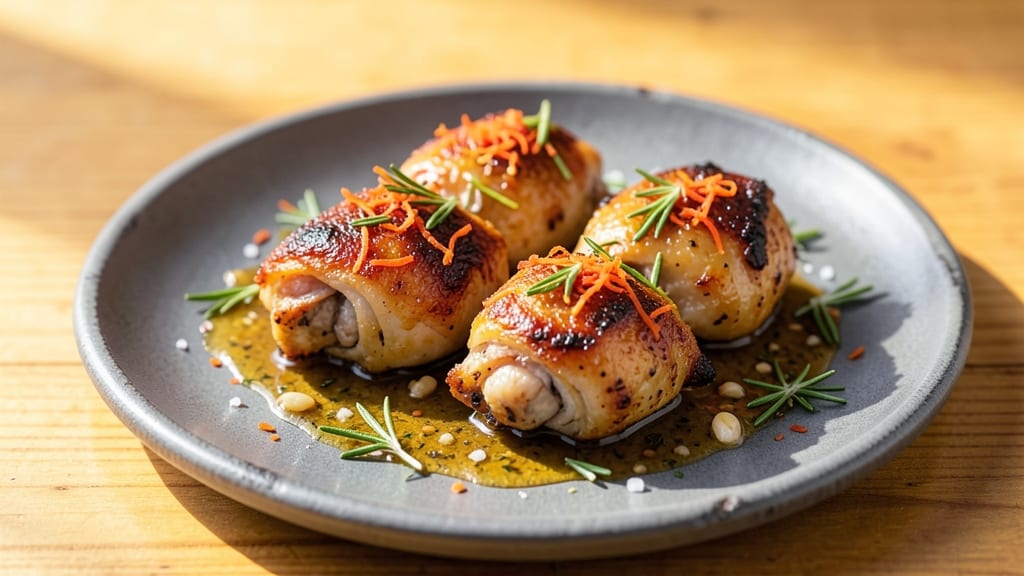
A juicy chicken thighs marinade transforms tough cuts into melt-in-your-mouth perfection with a bold garlic-herb blend that penetrates deep for maximum flavor. This recipe combines acidity, aromatic oils, and fresh herbs to tenderize while building a caramelized crust that locks in moisture—no overcooking required.
The balance of lemon juice and olive oil ensures the chicken stays succulent while developing rich, complex flavors during marinating.
What makes this marinade special is its versatility—it works equally well for grilling, baking, or pan-searing, and the ingredients are simple yet impactful. Garlic and rosemary provide depth, while a touch of Dijon mustard adds subtle tang.
The marinade develops best over 4-12 hours, allowing flavors to meld without breaking down the meat. Store leftovers in the fridge for up to 5 days, making it perfect for meal prep.
By the time your chicken hits the heat, you’ll taste the transformation: juicy, flavorful meat with a crisp, caramelized exterior that’s impossible to resist. The marinade’s acidity tenderizes while the fat in the oil keeps everything moist.
Whether you’re cooking for a crowd or a weeknight dinner, this blend elevates simple chicken thighs into a standout dish.
Use this marinade as a base and customize with your favorite herbs or spices—smoked paprika for depth, thyme for earthiness, or even a splash of soy sauce for umami. The possibilities are endless, but the foundation ensures restaurant-quality results every time. Let’s get started!
Ingredients for chicken thighs marinade
Eight bold ingredients blend into a marinade that transforms simple chicken thighs into restaurant-quality perfection.
| Ingredient | Amount | Notes |
|---|---|---|
| Extra-Virgin Olive Oil 🫒 | ½ cup | High-quality, fruity variety preferred |
| Fresh Garlic Cloves 🧄 | 6 whole | Peeled and smashed for maximum flavor |
| Fresh Rosemary Sprigs 🌿 | ½ cup | Finely chopped (stems removed) |
| Dijon Mustard 🍯 | 1 tbsp | Mild or strong, not prepared |
| Fresh Lemon Juice 🍋 | ¼ cup | Freshly squeezed, no pulp |
| Kosher Salt 🧂 | 1 ½ tsp | Diamond Crystal preferred |
| Ground Black Pepper 🌶️ | 1 tsp | Freshly cracked for best flavor |
| Honey 🍯 | 1 tbsp | Wildflower or clover preferred |
| Smoked Paprika 🌶️ | ½ tsp | For depth and subtle smokiness |
The olive oil is non-negotiable—look for extra-virgin with a fruity aroma, not that cheap grocery store stuff. Trader Joe's or Whole Foods carry great options, or grab a small bottle at a specialty market. Fresh garlic and rosemary are where the magic happens: smash your garlic cloves with the flat side of your knife for maximum surface area, and chop the rosemary as finely as possible—it releases more flavor. The Dijon mustard adds that subtle tang that cuts through the richness of the oil, while the honey balances everything with just a touch of sweetness. If you're using dried rosemary, reduce to one-third the amount—fresh is always better here.
No fresh rosemary? Dried thyme at half the amount works in a pinch, though it won’t have the same piney depth. Short on garlic? Garlic powder at one-third the amount gets you close, but fresh is worth hunting down. The smoked paprika can be swapped for regular paprika if you're avoiding smoke, but Penzeys or Spanish smoked paprika add that extra layer of complexity. For extra umami, add a teaspoon of soy sauce—trust me, it elevates everything. The lemon juice should be freshly squeezed; bottled just doesn’t cut it. If you’re prepping ahead, make this marinade 24 hours early—the flavors meld beautifully overnight.
This marinade keeps for up to 5 days in the fridge, sealed in an airtight container. The oil might separate slightly, but just give it a good stir before using. For longer storage, freeze in ice cube trays—thaw and shake before using. The honey and lemon juice help preserve freshness, so you won’t need to worry about spoilage. I always make a double batch—one for immediate use, one to stash in the freezer for lazy weeknights. The chicken stays juicy and flavorful for up to 3 days post-marinating, so don’t stress about cooking it right away.
Why You'll Love This Recipe
- Foolproof Pantry Mix: I swear by this marinade because it uses what’s already in my cupboard—no fancy ingredients, just olive oil, mustard, and lemon. The rosemary and garlic do all the heavy lifting, so I never stress about last-minute shopping.
- Crispy-Creamy Magic: That golden crust? It’s the Dijon and olive oil working together while the lemon keeps the meat juicy. Honestly, the first bite makes me forget about takeout—it’s just that good.
- Weeknight to BBQ Hero: Slap it on chicken thighs for a quick weeknight dinner or double the batch for summer grilling. I’ve used it for everything from sheet-pan suppers to picnic baskets, and it never lets me down.
- Budget Booster: Chicken thighs are my wallet’s best friend, and this marinade stretches every bite. Leftovers? Even better—toss them in salads, wraps, or reheat them for a lazy lunch. Zero waste, all flavor.
Step-by-step instructions for bold garlic-herb chicken thigh marinade
This marinade transforms tough chicken thighs into melt-in-your-mouth, caramelized masterpieces.
Prepare the Fresh Herb Base
Begin by finely chopping the 0.5 cup fresh rosemary sprigs, removing stems for maximum flavor. I use a sharp chef's knife and cut just above the leaf nodes to preserve the aromatic oils. The rosemary should end up with tiny, uniform pieces—think "confetti" rather than large chunks. This ensures even distribution throughout the marinade.
Next, peel and smash the 6 whole fresh garlic cloves with the flat side of your knife. You want to bruise them rather than mince—this releases their oils without creating a paste. The garlic should be soft enough to press into the chicken later, but still maintain some shape. Place both the chopped rosemary and smashed garlic in a medium mixing bowl.
Whisk the Wet Ingredients Together
Measure out the 0.5 cup extra-virgin olive oil and 0.25 cup fresh lemon juice into the bowl with the rosemary and garlic. The high-quality olive oil here is non-negotiable—its fruity notes will elevate the marinade. Use a whisk to combine everything thoroughly, breaking up any garlic clumps as you go. The mixture should start to emulsify slightly as the oils and acids begin to blend.
Add the 1 tbsp Dijon mustard, 1 tbsp honey, 0.5 tsp smoked paprika, 1.5 tsp kosher salt, and 1 tsp ground black pepper. The honey and mustard create a subtle sweet-savory balance that prevents the garlic from overpowering. Whisk continuously for 2-3 minutes until the mixture becomes smooth and homogeneous. You'll notice the color deepen to a rich amber—this is your signal that all ingredients are fully incorporated.
Marinate for Maximum Juiciness
Transfer the marinade to a large resealable plastic bag or shallow dish. Place the 4 bone-in, skin-on chicken thighs in the bag or dish, ensuring they're completely submerged in the marinade. Here's the thing—don't be shy with the marinade. If you're short, add a splash of water to the bag to help distribute the flavors evenly. Seal the bag or cover the dish, then refrigerate for at least 4 hours, but ideally overnight for best results.
The acidity from the lemon juice and the enzymes in the mustard will begin breaking down the chicken's proteins almost immediately, making it incredibly tender. The honey and olive oil work together to keep the meat moist while creating that coveted caramelized crust during cooking. I've found that thighs marinated overnight develop the most complex flavor profile—almost like they've been kissed by the Mediterranean sun.
Cook to Juicy Perfection
When ready to cook, remove the chicken from the marinade (don't discard it—simmer it for a quick sauce later). Pat the thighs dry with paper towels—this crucial step ensures a proper sear. Heat a large skillet over medium-high heat and add the chicken, skin-side down. Let it cook undisturbed for 5-6 minutes until the skin is golden brown and crispy, and the fat begins to render.
Flip the thighs and cook for another 4-5 minutes until the internal temperature reaches 165°F at the thickest part. The juices should run clear when you make a small cut. Here's where the marinade really shines—the combination of garlic, rosemary, and honey creates a sticky, caramelized crust that locks in all that juiciness you're after. For extra flavor, spoon the reserved marinade over the chicken during the last minute of cooking.
Pro Tips For Making Chicken Thighs Marinade
- Mince That Garlic: DESCRIPTION:
- Salt the Thighs First: DESCRIPTION:
- Whisk the Mustard: DESCRIPTION:
- Cover and Wait: DESCRIPTION:
Make-ahead tips for leftovers
Marinade Prep Ahead
Make this marinade 24-48 hours in advance—the flavors deepen significantly as the garlic, lemon, and honey meld together. Store it in an airtight glass jar in the fridge, where it’ll keep for up to 5 days.
I always double the batch: one portion for immediate use, another frozen in ice cube trays for quick future meals. The honey acts as a natural preservative, so you won’t need to worry about spoilage. 💡
Chicken Prep Timeline
Marinate the chicken thighs for at least 4 hours, but overnight is ideal—this allows the acidity to tenderize while the oils penetrate deeply. If you’re short on time, 2 hours minimum still works, though the flavor won’t be as complex.
For meal prep, marinate the chicken the night before and store it covered in the fridge until ready to cook. The marinade keeps the meat moist and flavorful for up to 3 days post-marinating, so you can prep ahead without stress.
Freezer-Friendly Prep
Freeze leftover marinade in 1-tablespoon portions using ice cube trays—thaw and shake before using. The oil may solidify, but it’ll re-emulsify when stirred.
For chicken thighs, marinate frozen thighs directly in the marinade (no thawing needed)—the cold meat will gradually absorb the flavors as it thaws in the fridge over 8-12 hours. This method saves time and keeps the chicken juicy. ❄️
Batch Cooking Tips
Double or triple the marinade recipe for large batches—it’s perfect for meal prep Sundays. Store marinated chicken in ziplock bags or glass containers with the marinade. Label with the date and cook within 3 days for best texture.
I often marinate 8-10 thighs at once, then portion them into individual bags for easy grab-and-go cooking. The marinade’s acidity helps preserve the chicken longer than unmarinated cuts.
Reviving Stale Marinade
If your marinade separates after refrigeration, simply whisk it vigorously for 1-2 minutes—the oil will re-emulsify. Add a splash of warm water if it’s too thick. For extra richness, stir in 1 teaspoon of melted butter before using.
I’ve revived marinades that sat for 5 days this way, and they still deliver restaurant-quality flavor. The key is keeping it sealed tightly to prevent oxidation.
Storage After Cooking
Cooked chicken thighs stay juicy for 3-4 days in the fridge when stored in airtight containers with a little of their marinade. For longer storage, freeze cooked thighs for up to 3 months. Reheat gently in a skillet with a splash of water or broth to restore moisture.
The caramelized crust might soften slightly, but the flavors remain bold. I love reheating these for quick lunches—just add a sprinkle of fresh herbs to revive the aroma. 🔥
Nutrition facts
Frequently asked questions
Can I use this marinade for chicken breasts instead of thighs?
While you can use it, chicken breasts are more delicate and leaner than thighs, so they'll absorb marinade faster and may become mushy if over-marinated. Limit marinating time to 2-3 hours max, and avoid using lemon juice (replace with apple cider vinegar) to prevent over-tenderizing. The honey and olive oil will still help keep them juicy, but monitor cooking time closely.
What's the best way to store leftover marinade?
Transfer any unused marinade to an airtight glass jar and refrigerate for up to 5 days. For longer storage, freeze it in 1-tablespoon portions using ice cube trays. When ready to use, thaw in the fridge and whisk vigorously to re-emulsify. The honey and lemon juice act as natural preservatives, so you won't need to worry about spoilage.
Can I make this marinade without fresh rosemary?
Substitute with 1 teaspoon dried rosemary or 1.5 teaspoons dried thyme for a similar earthy flavor. If you're avoiding herbs entirely, add 1 extra teaspoon of garlic powder and 0.5 teaspoon dried oregano for depth. The Dijon mustard and smoked paprika will still provide that rich, umami base you're after.
How do I prevent the chicken from becoming too acidic?
Balance the acidity by reducing the lemon juice to 2 tablespoons or replacing it with 1 tablespoon apple cider vinegar. The honey and olive oil already create a protective barrier, but for extra insurance, marinate for no longer than 8 hours. If you're concerned, reserve 1 tablespoon of marinade before adding chicken and mix it with 1 tablespoon olive oil for a finishing glaze.
Can I reuse this marinade after cooking chicken?
Never reuse marinade that's touched raw chicken to avoid cross-contamination. However, you can simmer the used marinade (without chicken) for 5-10 minutes to create a quick pan sauce. Strain out any solids and reduce until slightly thickened—it'll have a concentrated garlic-herb flavor perfect for drizzling over roasted veggies or pasta.