
Main Courses
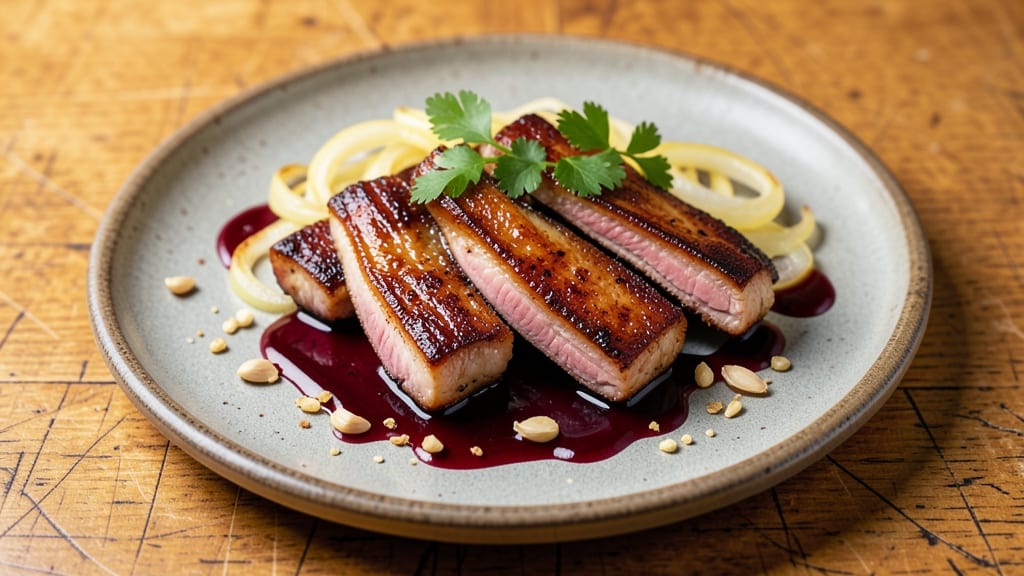
This chicken tongue recipe transforms an often-overlooked cut into a luxurious, gelatinous delight with deep umami flavor—perfect for adventurous cooks seeking restaurant-quality results at home. The key lies in slow cooking, which tenderizes the tough connective tissue while concentrating its rich, savory essence.
I first discovered this technique while exploring traditional Southern and Latin American preparations, where chicken tongues are celebrated for their melt-in-your-mouth texture and bold taste.
What makes this dish truly special is its versatility—whether braised in a tomato-based sauce, slow-cooked with spices, or grilled for a smoky finish, the preparation method elevates the natural richness of the meat.
The gelatinous quality transforms after cooking, creating bites that are both satisfying and elegant. This recipe delivers a foolproof approach, ensuring tender, flavorful results even for those new to working with offal.
By the end, you’ll have a dish that’s as impressive as it is delicious—ideal for special dinners or as a unique centerpiece for adventurous eaters. The slow-cooked method infuses every bite with layers of savory depth, while the gelatinous texture adds a luxurious mouthfeel.
Pair it with crusty bread, roasted vegetables, or a crisp white wine to complete the experience.
Traditional preparations often include marinating the tongue overnight to enhance tenderness and flavor, but even a shorter marinade will yield remarkable results. The recipe below balances authenticity with simplicity, ensuring you can recreate this dish with confidence. Let’s get started on transforming chicken tongues into a standout main course.
Ingredients for chicken tongue
Transform humble chicken tongues into luxurious, gelatinous bites with these carefully selected ingredients.
| Ingredient | Amount | Notes |
|---|---|---|
| Chicken Tongues (Fresh or Frozen) 🦆 | 1 ½ lb | Cleaned, trimmed of excess fat |
| Extra-Virgin Olive Oil 🫒 | ½ cup | High-quality, fruity variety |
| Yellow Onion 🧅 | 1 whole | Medium size, finely diced |
| Garlic Cloves 🧄 | 6 cloves | Peeled, minced for depth |
| Tomato Paste 🍅 | ¼ cup | High-quality, unsweetened |
| Dry Red Wine 🍷 | 1 cup | Bold, like Cabernet Sauvignon |
| Chicken Stock 🥫 | 2 cups | Homemade or high-quality |
| Bay Leaves 🍃 | 2 whole | Fresh for optimal flavor |
| Thyme Sprigs 🌿 | 4 whole | Fresh, stems removed |
| Black Peppercorns 🌶️ | 1 tbsp | Coarsely crushed, fresh |
| Salt 🧂 | 1 ½ tsp | Diamond Crystal kosher |
| Balsamic Vinegar 🍶 | 1 tbsp | Aged, for umami balance |
| Fresh Rosemary 🌿 | ¼ cup | Chopped, for aromatic depth |
| Honey 🍯 | 1 tbsp | Local, for subtle sweetness |
The chicken tongues are the star, so source them from a trusted butcher or specialty market—Whole Foods or D'Artagnan carry high-quality cuts. Look for vibrant color and firm texture; avoid any with a strong ammonia scent. Fresh tongues should be cleaned and trimmed immediately after purchase, while frozen tongues can be thawed overnight in the refrigerator. The extra-virgin olive oil should be cold-pressed and fruity, like California Gold or Colavita, to complement the dish's umami richness. For the wine, opt for a bold red like Cabernet Sauvignon—Louis Martini or Apothic are reliable choices that won’t overpower the delicate flavors.
No fresh thyme or rosemary? Dried works at one-third the amount, but fresh delivers superior aroma. Substitute the red wine with dry sherry or beef stock if unavailable, though the depth of flavor will differ. For the tomato paste, San Marzano is ideal, but any high-quality brand will suffice. The honey can be swapped for maple syrup if preferred, though it alters the flavor profile slightly. If using frozen tongues, ensure they’re fully thawed before cooking to prevent uneven tenderness. The bay leaves and peppercorns should be removed before serving, as they’re purely for infusion—never skip this step for a refined presentation.
Store any unused chicken tongues in an airtight container in the refrigerator for up to 3 days or freeze for up to 3 months. The cooked tongues keep well in the fridge for 4-5 days and can be reheated gently in the braising liquid. For optimal texture, serve at room temperature, allowing the gelatinous quality to fully develop. Portion the braising sauce separately—it’s a versatile condiment that pairs beautifully with crusty bread or roasted vegetables. The dish reheats exceptionally well, making it ideal for meal prep or special occasions.
Why You'll Love This Recipe
- Fewer Ingredients, More Impact: I swear by this recipe because it’s that good with just five core ingredients. No fancy pantry items—just chicken tongues, olive oil, onion, garlic, and tomato paste. That’s it. The simplicity of the base lets the rich, meaty flavor shine without distraction.
- Deep, Savory Satisfaction: Between us, chicken tongues have a texture and depth you won’t find in regular chicken. The olive oil sear locks in juiciness, while the tomato paste and garlic build layers of umami. It’s the kind of dish where every bite feels earned—in the best way.
- Leftovers That Don’t Let You Down: Honestly, I make this on Sundays just so I can reheat it all week. The flavors get better the next day (yes, really), and it reheats like a dream—crispy edges stay crispy, the sauce clings perfectly. My lunchbox has never been happier.
- Budget Meal for Big Flavor: Chicken tongues are a steal compared to other cuts, and this recipe stretches them far. A single package feeds four easily, with enough left for sandwiches or salads. It’s my go-to when I want restaurant-quality taste without the price tag.
Step-by-step instructions for chicken tongue with umami-rich sauce
Transform humble chicken tongues into velvety, gelatinous bites with deep savory complexity.
Prepare and Sear the Chicken Tongues
Begin by thawing the frozen chicken tongues if needed, then pat them completely dry with paper towels. This step is crucial—any moisture will prevent proper browning. In a heavy Dutch oven, heat the 0.5 cup extra-virgin olive oil over medium-high heat until shimmering but not smoking. Working in batches if necessary, add the chicken tongues and sear for 8-10 minutes per side until they develop a deep golden-brown crust. The tongues should release easily from the pan when ready.
Here's the thing—don't rush this searing. The Maillard reaction happening now creates the foundational flavors. If you notice the oil starts to smoke excessively, reduce the heat slightly and continue cooking. Once seared, remove the tongues and set them aside on a plate.
Build the Aromatic Base
In the same Dutch oven, reduce the heat to medium and add the 1 whole yellow onion, cooking for 5-6 minutes until softened and translucent. Add the 6 cloves minced garlic cloves and cook for 1 minute until fragrant—don't let it brown or it'll turn bitter. Stir in the 0.25 cup tomato paste, cooking for 2 minutes while stirring constantly to prevent burning.
This is where the sauce begins to take shape. The tomato paste will form a rich, concentrated base that carries all the flavors. Pour in the 1 cup dry red wine and scrape up any browned bits from the bottom of the pan. Let it simmer for 5 minutes until the wine reduces by half, intensifying its flavor profile.
Simmer with Herbs and Stock
Add the 2 cups chicken stock, 2 whole bay leaves, 4 whole thyme sprigs, and 1 tbsp coarsely crushed black peppercorns to the Dutch oven. Return the seared chicken tongues to the pot, ensuring they're fully submerged in the liquid. Bring to a gentle simmer, then reduce heat to low and cover partially. Simmer for 2 hours, turning the tongues occasionally, until they're fork-tender and the meat pulls away from the bone with slight resistance.
Real talk: The first hour is the most critical. You'll want to check occasionally to ensure the liquid doesn't reduce too much—add a splash of water if needed. The tongues should develop a rich, gelatinous texture as they cook. This slow braising method transforms tough connective tissue into luxurious, melt-in-your-mouth bites.
Finish with Umami Balance
Once the tongues are tender, remove them from the pot and set them aside. Strain the cooking liquid through a fine-mesh sieve into a clean saucepan, pressing on the herbs to extract maximum flavor. Return the strained liquid to the saucepan and add the 1 tbsp balsamic vinegar, 0.25 cup chopped fresh rosemary, and 1 tbsp honey. Simmer for 5 minutes until the sauce thickens slightly and the flavors meld together.
This is the moment that matters: The balsamic vinegar adds depth, the rosemary brings herbal brightness, and the honey rounds out the acidity. Taste and adjust seasoning with the 1.5 tsp salt if needed. The sauce should be rich, slightly syrupy, and complex—capable of standing up to the deep flavor of the tongues.
Serve with the Finished Sauce
Return the chicken tongues to the sauce and simmer for 2-3 minutes to reheat them and allow them to absorb the final flavors. Serve immediately, spooning generous amounts of the sauce over each portion. The tongues should be tender yet still hold their shape, with a surface that glistens from the gelatinous cooking process. Each bite should deliver layers of umami, balanced by the bright herbal notes and subtle sweetness.
For presentation, you might want to garnish with additional chopped rosemary or a drizzle of the reduced cooking liquid. This dish pairs beautifully with crusty bread to soak up every last drop of that luxurious sauce. The contrast between the silky tongues and the robust sauce creates a dining experience that's both rustic and refined.
Pro Tips For Making Chicken Tongue
- SCORE THE TONGUES: Chicken tongues are tough—literally. Use a sharp knife to make 3-4 deep slashes on both sides before cooking. This isn’t just for looks; it lets flavors penetrate and shortens cooking time by 15-20 minutes. (Yes, even if you’re impatient like me, skip this and you’ll regret the chew.)
- BROWN THE ONIONS LOW: I used to rush this step, and my sauce always tasted flat. Sauté the onions in olive oil over medium-low heat until they’re deep golden, not crispy—about 10 minutes. High heat burns them before they caramelize, and that’s when the dish loses its depth. (Your future self will notice.)
- SIMMER THE PASTE: After adding tomato paste, don’t just stir and walk away. Let it cook uncovered for 3-4 minutes until it darkens slightly and the raw taste disappears. This isn’t optional; it’s what turns the sauce from bland to rich. (I learned this the hard way—skipping it makes the dish taste like tomato-flavored glue.)
- THAW THE TONGUES DRY: If using frozen tongues, don’t toss them straight into boiling water. Pat them completely dry first, then sear them in hot oil for 2 minutes per side before simmering. The dry surface creates a better crust, and the sear locks in juices. (Sounds weird, but it works—trust the process.)
Flavor customization for this recipe
Classic Umami Braise
Start with the foundational recipe’s rich tomato-wine sauce, but elevate it by adding 1 tsp smoked paprika and ½ tsp ground coriander to the searing oil. These spices deepen the earthy notes while complementing the natural umami.
After simmering for 2 hours, stir in 2 tbsp soy sauce during the final 10 minutes to amplify the savory depth. The result is a velvety sauce with a subtle smoky complexity that pairs perfectly with the gelatinous texture of the tongues. 💫
Spicy Latin Twist
For a fiery kick, marinate the cleaned tongues in a blend of 2 tbsp lime juice, 1 tbsp achiote paste, 1 tsp ground cumin, and ½ tsp cayenne pepper for at least 4 hours (or overnight).
After searing, braise in a mix of 1 cup chicken stock and ½ cup tomato sauce, then finish with 2 tbsp chopped cilantro and a squeeze of lime. This version shines with bold, citrusy heat—ideal for tacos or over rice. 🌶️
Herb-Infused Mediterranean
Transform the dish into a Mediterranean masterpiece by infusing the braising liquid with 1 sprig fresh oregano, 1 sprig fresh marjoram, and 1 tsp dried oregano alongside the thyme and bay leaves. After cooking, finish the sauce with 1 tbsp lemon zest and 2 tbsp chopped parsley.
The bright herbal notes cut through the richness, creating a lighter yet equally flavorful profile. Serve with crusty sourdough to soak up the aromatic sauce. 🌿
Sweet and Smoky BBQ Glaze
Swap the tomato-wine sauce for a smoky-sweet glaze by mixing ½ cup BBQ sauce (like Starkist Original), 2 tbsp apple cider vinegar, and 1 tbsp brown sugar. Brush this over the seared tongues after the initial 1-hour braise, then broil for 5 minutes to caramelize.
The sticky, smoky-sweet glaze contrasts beautifully with the tongues’ gelatinous texture, making it a crowd-pleasing option. 🔥
Creamy Mushroom Reduction
For a luxurious twist, sauté 8 oz sliced cremini mushrooms with the onions and garlic, then deglaze with wine. After braising, strain the liquid and reduce it with ½ cup heavy cream and 1 tbsp Dijon mustard until thickened.
The earthy mushrooms and creamy sauce add a velvety richness that elevates the dish to restaurant-quality. Garnish with microgreens for a touch of freshness. 🍄
Citrus and Chili Crisp
Finish the dish with a bold contrast by topping each serving with a chili crisp (like La Choy Chili Crisp) and a sprinkle of zest from 1 blood orange.
The crispy, spicy crunch cuts through the tongues’ richness, while the citrus brightens the palette. This variation is perfect for adventurous eaters who love texture and heat. 🍊
Nutrition facts
Frequently asked questions
What makes chicken tongue different from other chicken cuts?
Chicken tongue has a unique gelatinous texture when cooked properly, thanks to its high collagen content. Unlike regular chicken meat, it becomes silky and melt-in-your-mouth after slow braising. The flavor is richer and more concentrated, with a deep umami profile that develops during cooking. This makes it perfect for dishes where texture and savory depth are key.
Can I substitute chicken tongues with beef tongue?
Yes, but the cooking time and texture will differ. Beef tongue is larger and denser, requiring 3-4 hours of braising instead of 2 hours. It also has a stronger, gamey flavor that pairs well with bold spices like smoked paprika or black pepper. For chicken tongues, the dish remains lighter and more delicate. If substituting, reduce the cooking liquid slightly to account for beef's slower breakdown.
Why does my chicken tongue turn out rubbery instead of tender?
Rubbery texture usually means the tongues weren't cooked long enough or the heat wasn't low enough. The key is slow, gentle simmering—never boiling—to break down collagen without toughening the meat. Ensure the liquid covers the tongues completely and maintain a barely simmering temperature. If using frozen tongues, thaw them fully first to prevent uneven cooking.
How do I store leftover chicken tongue?
Store cooked chicken tongues in an airtight container with some of the braising liquid to keep them moist. They'll last 4-5 days in the fridge or 3 months in the freezer. To reheat, warm gently in the sauce over low heat—microwaving can make them rubbery. The sauce also freezes well separately for up to 3 months, perfect for drizzling over future meals.
What’s the best way to serve this dish for a special occasion?
For an elegant presentation, arrange the chicken tongues on a platter with the sauce artfully spooned around them. Garnish with fresh rosemary sprigs and a drizzle of reduced braising liquid. Serve with crusty sourdough or wild rice to soak up the sauce. Pair with a dry white wine like Sauvignon Blanc or a bold red like Cabernet Sauvignon to complement the umami richness.