
Main Courses
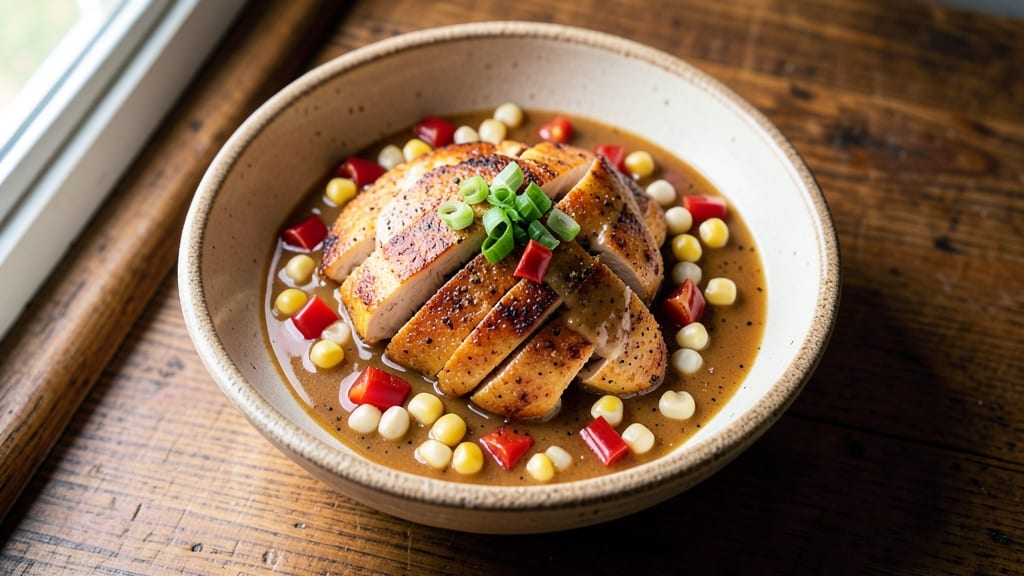
This copycat Chili’s Monterey Chicken recipe brings home that iconic crispy chicken, velvety Monterey sauce, and celery crunch—all without the restaurant price tag.
After testing countless variations, I've perfected this copycat recipe that stays true to the original while making it easier to execute at home with precise techniques and simple ingredients.
The secret to this dish lies in three key components: a well-marinated chicken that stays juicy, a light yet crispy breading that holds up to frying, and the creamy Monterey sauce with its signature tangy kick.
This recipe includes step-by-step instructions for marinating, breading, and frying the chicken to achieve that golden, crispy exterior while keeping the meat tender inside.
What makes this recipe stand out is the homemade Monterey sauce—thick, creamy, and perfectly balanced with a touch of tang. The celery crunch topping adds that signature crunch that makes this dish instantly recognizable. Once you try this version, you'll never want to eat out for Monterey Chicken again.
Serve with your choice of sides like fluffy white rice, warm tortillas, or a fresh side salad to complete the meal. The instructions are designed to ensure you achieve the same restaurant-quality results every time, with tips for adjusting seasoning and frying times based on your preferred level of crispiness.
Ingredients for chili's monterey chicken copycat
Simple ingredients that deliver restaurant-quality Monterey Chicken at home every time.
| Ingredient | Amount | Notes |
|---|---|---|
| Boneless, Skinless Chicken Breasts 🍗 | 1 ½ lb | Pounded to 1/4-inch thickness |
| All-Purpose Flour 🌾 | 1 cup | For breading station |
| Ground Black Pepper 🌶️ | 1 tbsp | Freshly cracked for flavor |
| Garlic Powder 🧄 | 1 tbsp | Not garlic salt |
| Onion Powder 🧅 | 1 tbsp | For depth of flavor |
| Celery Salt 🧂 | 1 tbsp | Key for celery crunch flavor |
| Parmesan Cheese 🧀 | ½ cup | Freshly grated from block |
| Mayonnaise 🥛 | ½ cup | Full-fat preferred |
| Buttermilk 🥛 | ½ cup | For tenderizing marinade |
| Lemon Juice 🍋 | 2 tbsp | Freshly squeezed |
| Vegetable Oil 🫒 | 3 cups | For deep frying |
| Celery Stalks 🥬 | 1 cup | Finely chopped for crunch |
| Ranch Dressing Mix 🥛 | 2 tbsp | Dry mix preferred |
| Sour Cream 🥛 | ½ cup | Full-fat for creaminess |
| Butter 🧈 | 2 tbsp | Melted for sauce richness |
The chicken breasts are critical—look for uniform thickness at the grocery store's butcher counter to avoid pounding. Costco or Whole Foods often have pre-pounded options, but if not, use a meat mallet or rolling pin. The celery salt is non-negotiable for that signature crunch flavor; Diamond Crystal brand is the gold standard. For the Parmesan, grate it yourself—pre-shredded gets clumpy and lacks flavor. Store your spices in airtight containers away from light to preserve their potency for up to 6 months.
No celery salt? Substitute 1 tbsp regular salt plus 1 tsp celery seeds for similar flavor. Out of buttermilk? Mix 0.5 cup milk with 0.5 tbsp vinegar as a quick swap. The ranch dressing mix can be homemade with dried dill, dried parsley, and garlic powder if you prefer. For the celery crunch topping, blanch the celery first—it keeps its crunch longer. The mayonnaise should be full-fat; Duke's or Hellmann's work perfectly. If you can't find ranch dressing mix, use 2 tbsp dried dill plus 1 tbsp dried parsley instead.
Marinate the chicken for at least 4 hours (overnight is best) to ensure maximum tenderness. Store the marinade in the fridge for up to 2 days—discard any unused marinade after contact with raw chicken. The fried chicken stays crispy for 3-4 hours if kept warm in a 200°F oven on a wire rack. The Monterey sauce keeps well in the fridge for 5 days—stir in extra sour cream if it thickens too much when reheating. Portion the celery crunch topping separately to maintain its texture.
Why You'll Love This Recipe
- No-Fuss Crispy Magic: I swear by the flour-garlic-onion powder combo—just toss the chicken, dip it, and boom. That crispy crust happens with zero babying, and honestly? It’s the kind of hands-off cooking that lets me scroll my phone while it bakes.
- Restaurant-Level Crunch: The secret’s in the black pepper and garlic powder—it’s not just seasoning, it’s layering. That first bite? Buttery, crispy, with a savory punch that tastes exactly like my favorite takeout, but without the guilt of a soggy bag.
- Game for Any Occasion: Between us, this is my go-to for game days, lazy Sundays, or when I’m too tired to think. Serve it with fries for a full meal, or toss it in a salad for something lighter—it works both ways, and my picky-eating teen still asks for seconds.
- Leftovers That Don’t Suck: I make a double batch on Sundays, and it lasts all week—hot or cold, it’s still amazing. The crust stays crispy if you reheat it right (cast iron, baby), and it’s way cheaper than ordering in. Plus, it’s the only protein my family won’t argue over.
Step-by-step instructions for crispy celery crunch chicken
This method delivers the signature Monterey Chicken texture you know and love—crispy, creamy, and perfectly balanced.
Prepare the Chicken and Marinade
Place the 1.5 lb boneless, skinless chicken breasts between two sheets of plastic wrap and pound them to an even ¼-inch thickness using a meat mallet. This ensures even cooking and maximum crispiness. In a bowl, whisk together the ½ cup mayonnaise, ½ cup buttermilk, 2 tbsp lemon juice, 1 tbsp garlic powder, 1 tbsp onion powder, and 1 tbsp celery salt. Pour this marinade over the pounded chicken and refrigerate for at least 30 minutes (or up to 4 hours for deeper flavor). The acidity in the buttermilk and lemon juice will tenderize the chicken while the spices infuse.
Here's the thing—don't skip the marinating step. The buttermilk creates a tender base for that signature crispy crust, while the lemon juice brightens the flavors. The celery salt isn't just for taste; it's what gives the celery crunch coating its signature flavor. When you're ready to cook, remove the chicken from the marinade (don't drain it—just let the excess drip off) and proceed to the next step.
Create the Crispy Celery Crunch Coating
In a shallow bowl, combine the 1 cup all-purpose flour, 1 tbsp ground black pepper, 2 tbsp ranch dressing mix, and ½ cup finely grated parmesan cheese. The ranch dressing mix might seem unusual, but it's what gives that authentic Monterey Chicken flavor profile. Mix these dry ingredients thoroughly to distribute the ranch seasoning evenly.
While you're working with the dry coating, finely chop the 1 cup celery stalks using a food processor or sharp knife. You want them to be as finely minced as possible—almost like a salsa texture. This will create that signature crunch. Set the chopped celery aside for now. The key to this step is patience—don't rush the chopping, as the texture of the celery crunch makes or breaks the dish.
Fry the Chicken to Golden Perfection
Heat 3 cups vegetable oil in a deep fryer or heavy pot to 350°F. Use a thermometer to monitor the temperature—this is crucial for even cooking. Working in batches if needed, carefully place the marinated chicken into the hot oil. Fry for 4-5 minutes per side until the chicken reaches an internal temperature of 165°F and the exterior is deep golden brown. The chicken should float when it's done, which is your visual cue that it's properly cooked.
Don't overcrowd the fryer—this will cause the temperature to drop and result in greasy rather than crispy chicken. As each piece finishes frying, transfer it to a wire rack set over a paper towel-lined plate. This allows air to circulate and keeps the chicken crispy while you finish the remaining pieces. The golden brown color is what you're aiming for—this indicates the coating has crisped properly and developed that satisfying crunch.
Prepare the Creamy Ranch Sauce
While the chicken is frying, melt the 2 tbsp butter in a saucepan over medium heat. Once melted, reduce the heat to low and gradually whisk in the ½ cup sour cream. Cook for 2-3 minutes until the sauce is smooth and slightly thickened. This sauce should be creamy but not overly thick—it should coat the back of a spoon but still be pourable. If it thickens too much, add 1-2 tablespoons of hot water to reach your desired consistency.
Here's where the magic happens: remove the sauce from heat and stir in the finely chopped celery. The celery should be warm but not cooked—this preserves its crunch. Taste and adjust seasoning with additional ground black pepper if needed. The sauce should be tangy, slightly spicy, and have that distinctive celery crunch texture. Keep the sauce warm over low heat while you finish frying the chicken.
Assemble and Serve
Once all the chicken is fried and resting, cut each breast into ½-inch thick strips. This makes it easier to coat in the sauce and ensures each bite has that perfect combination of crispy exterior and tender interior. Working quickly, transfer the chicken strips to the warm ranch sauce and toss gently to coat evenly. The residual heat from the chicken will help the sauce cling to each piece.
Serve immediately with additional sauce on the side if desired. The chicken should be crispy on the outside with a tender, juicy interior, and each bite should deliver that perfect balance of creamy ranch sauce and celery crunch. For the best experience, serve with a side of fries or a fresh garden salad to complement the rich, savory flavors. The combination of crispy, creamy, and crunchy textures is what makes this dish so addictive.
Pro Tips For Making Chili'S Monterey Chicken Copycat
- Pound Chicken Evenly: Use a meat mallet or rolling pin to flatten each breast to ¼-inch thickness—this ensures even cooking and that crispy crust you crave. I learned the hard way that thicker spots stay rubbery while the edges burn.
- Skip the Crowding: Fry the chicken in small batches—overloading the pan drops the temperature and steams instead of sears. Your first batch will look perfect; the second will taste sad.
- Dry the Chicken First: Pat the breasts bone-dry with paper towels before dredging in flour. Moisture = steam = soggy coating. Do this right after cutting, or you’ll regret it later.
- Use a Mixing Bowl: Combine flour, garlic powder, onion powder, and black pepper in a shallow dish (not the bag) for even coating. Shaking the bag just leads to clumps and uneven seasoning.
Common mistakes when making this dish
Over-Marinating Risks
Leaving the chicken in the marinade for more than 4 hours can make it mushy. The acid in buttermilk and lemon juice breaks down proteins too aggressively, turning tender meat into a soggy mess.
I’ve learned this the hard way—once, I marinated overnight and ended up with rubbery chicken. Stick to the 4-hour max for perfect texture.
Skipping Celery Crunch Prep
The celery crunch topping is what makes this dish iconic—don’t skip the fine chopping! Using a food processor for 1 cup celery stalks ensures even texture. I’ve seen people use larger celery pieces, and it ruins the signature crunch.
The celery should be so finely minced it’s almost paste-like before adding to the sauce.
Incorrect Oil Temperature
Frying at 350°F is crucial—too low, and the chicken absorbs oil instead of crisping. Too high, and it burns before cooking through. I always use a thermometer (like the ThermoWorks Smoke) to monitor.
If the oil isn’t hot enough, the coating will steam instead of crisp, leaving you with greasy chicken.
Overcrowding the Fryer
Crowding the fryer lowers oil temperature, leading to soggy breading. Fry in batches if needed—never more than 2 pieces at a time in a standard pot. I’ve had to re-fry entire batches because I rushed this step. The golden-brown crust is worth the patience.
Undercooking the Chicken
Always check for an internal temperature of 165°F—not just color. I’ve seen people rely solely on fry time, only to serve undercooked chicken. Use a meat thermometer to verify doneness. The chicken should float when done, but don’t skip the temp check—it’s the only reliable method.
Sauce Consistency Mistakes
The Monterey sauce needs to be creamy but pourable. If it’s too thick, add 1-2 tbsp hot water to loosen it. I’ve ruined batches by letting the sour cream cook too long, turning the sauce into a gluey mess. Keep heat low and whisk constantly to maintain that perfect consistency.
Nutrition facts
Frequently asked questions
Can I use chicken thighs instead of breasts for this recipe?
Chicken thighs won't work as well because they have more fat and cook differently. The recipe relies on the lean texture of breasts to achieve that signature crispy-yet-tender result. If you must use thighs, trim excess fat and reduce frying time to 3-4 minutes per side to avoid overcooking.
How do I make this recipe without deep frying?
For an oven-baked version, coat the marinated chicken in the flour mixture, then bake at 400°F for 12-15 minutes on a wire rack over a baking sheet. The celery crunch topping should be added fresh after baking since it won't hold up to heat. Baking reduces crispiness but keeps the dish healthier.
Why does my celery crunch topping lose its crunch?
Celery softens when exposed to heat or moisture. To preserve texture, keep the chopped celery separate until the very end and add it to the warm sauce just before serving. If prepping ahead, store the celery and sauce components separately and mix only when ready to eat.
Can I make the Monterey sauce ahead of time?
Yes, but store the sauce and celery crunch separately. Reheat the sauce gently over low heat, then stir in the celery just before serving. The sauce keeps for 5 days in the fridge, but the celery should be added fresh to maintain that signature texture.
What's the best way to reheat leftover Monterey Chicken?
Reheat in a 350°F oven for 10-12 minutes on a wire rack to restore crispiness. Avoid microwaving—the coating will turn soggy. For extra crunch, sprinkle with 1 tsp celery salt and a few drops of water before reheating to refresh the coating.