
Main Courses
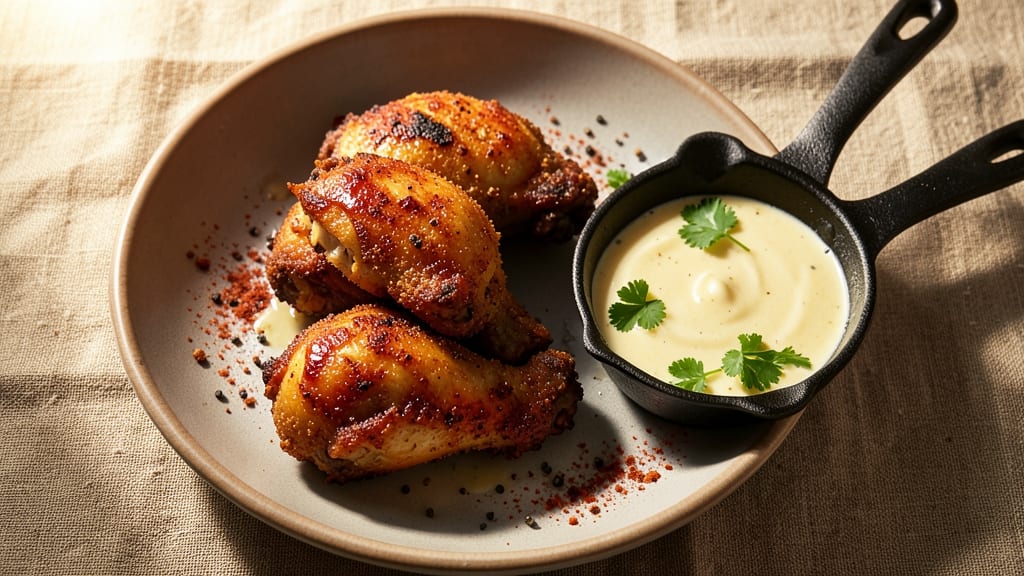
This Church's fried chicken recipe delivers the same legendary crispy buttermilk bites you love from the restaurant—with a game-changing vinegar trick that keeps the coating perfectly crunchy. The secret lies in the marinade and frying technique, which transforms ordinary chicken into restaurant-quality gold.
I've perfected this method over years of testing, ensuring every bite has that signature tangy crunch and tender interior that makes it impossible to stop eating.
The process begins with a buttermilk marinade that tenderizes the chicken while creating the ideal surface for the crispy coating. The vinegar trick—adding a splash to the buttermilk—acidifies the coating just enough to prevent sogginess, even after frying.
Once breaded, the chicken fries to a golden, crackling perfection that shatters at every bite, revealing juicy meat underneath. This isn't just fried chicken; it's a method that turns a simple meal into an experience.
What sets this recipe apart is the signature spicy, tangy sauce that pairs perfectly with the crispy bites. The sauce balances heat and acidity, cutting through the richness of the fried chicken while adding a layer of complexity.
Together, they create a dish that's hearty enough for a family dinner but special enough for company. The result is crispy, flavorful, and addictive—just like the original, but now you can make it at home.
Serve with classic sides like creamy mac and cheese, tangy coleslaw, or buttery biscuits to complete the meal. This recipe is designed to deliver restaurant-quality results with a professional touch, ensuring every detail is handled just right. Let's get started on recreating that iconic flavor at home.
Ingredients for church's chicken
Restaurant-quality buttermilk bites start with these 15 ingredients—simple but powerful for that signature crunch.
| Ingredient | Amount | Notes |
|---|---|---|
| Chicken Thighs 🍗 | 2 lb | Bone-in, skin-on, cut into 2-inch pieces |
| Buttermilk 🥛 | 2 cups | Full-fat for best flavor |
| White Vinegar 💧 | 2 tbsp | Distilled, not apple cider |
| All-Purpose Flour 🌾 | 3 cups | Sifted for light coating |
| Cornstarch 🌽 | ½ cup | For extra crispiness |
| Paprika 🌶️ | 2 tbsp | Smoked variety preferred |
| Garlic Powder 🧄 | 1 tbsp | Freshly ground preferred |
| Onion Powder 🧅 | 1 tbsp | Not onion salt |
| Salt 🧂 | 1 ½ tsp | Kosher or sea salt |
| Black Pepper 🌶️ | ½ tsp | Freshly ground |
| Vegetable Oil 🫒 | 4 cups | High smoke point |
| Hot Sauce 🔥 | ½ cup | Like Crystal or Tabasco |
| Mayonnaise 🥛 | ½ cup | Full-fat preferred |
| Ketchup 🍅 | ¼ cup | No sugar added if possible |
| Honey 🍯 | 2 tbsp | For sauce sweetness |
The chicken thighs are non-negotiable—bone-in, skin-on pieces stay juicier than breasts. Look for fresh cuts at Whole Foods or your local butcher shop, where they often have better marbling. The buttermilk should be full-fat (none of that low-fat nonsense)—Land O'Lakes or Organic Valley are solid choices. For the vinegar, stick with distilled; apple cider adds unwanted sweetness. The key to the crispy coating lies in the cornstarch—it creates that shatteringly crunchy texture that makes this recipe legendary. Bob's Red Mill cornstarch is my go-to, but any brand works if it's 100% cornstarch.
No smoked paprika? Regular paprika plus a pinch of cayenne gets you close. Short on buttermilk? Substitute milk plus 1 tbsp vinegar and 1 tbsp lemon juice—it's what I do when I forget to grab buttermilk. The hot sauce in the recipe isn't optional—it's what gives the signature tang. Crystal or Tabasco are the gold standards, but any good-quality hot sauce works. For the sauce, if you can't find no-sugar-added ketchup, Heinz or Hunt's are fine—just reduce the honey slightly. The oil must have a high smoke point; Avocado oil or Crisco are perfect for frying without burning.
Buttermilk marinade keeps best for 2 days in the fridge—don't let it sit longer or it curdles. The flour mixture stays fresh for 1 week in an airtight container. Once fried, the chicken reheats beautifully—350°F for 10-15 minutes in the oven keeps it crispy. The sauce? 5 days in the fridge, but honestly, it disappears faster than you can say 'second helping.' Portion the sauce into small jars for easy dipping—it's perfect with mac and cheese or coleslaw.
Why You'll Love This Recipe
- Fewer Ingredients, Big Payoff: I swear by this recipe because it’s that simple—just buttermilk, flour, and a splash of vinegar for that signature tang. No fancy blends or hidden spices to stress over; the magic happens in the crispy, buttery crust and the juicy thighs underneath.
- Crispy-Creamy Magic: That buttermilk marinade does something wild to the chicken—tender inside, shatteringly crisp outside. The vinegar keeps it from getting soggy, and the cornstarch? Oh, it’s the secret to that golden, addictive crunch that has me reaching for seconds.
- Weeknight to Party Ready: Make a big batch on Sunday, and you’ve got dinner covered for the week. Or double it for a potluck—it’s the kind of dish that disappears fast, whether it’s wrapped in foil for a tailgate or served on a platter for company.
- Budget-Friendly Feast: Chicken thighs are cheaper than breasts, and this recipe stretches every bite. Leftovers reheat like a dream (yes, even the crust stays crispy), so you’re feeding your family well without breaking the bank. Honestly, it’s my go-to for stretching groceries without sacrificing flavor.
Step-by-step instructions for crispy buttermilk bites with secret vinegar trick
Follow these precise steps to achieve that legendary Church's-style crunch and tenderness.
Prepare the Vinegar-Infused Buttermilk Marinade
In a large bowl, combine the 2 cups of buttermilk with the 2 tablespoons of white vinegar. Stir well to fully dissolve the vinegar—this creates the signature tang that keeps the coating light and crispy. The vinegar also helps tenderize the chicken by breaking down surface proteins just enough to improve moisture retention.
Add the 2 lb of chicken thighs to the marinade, ensuring each piece is fully submerged. Cover and refrigerate for at least 4 hours or overnight. This extended marination is crucial—it allows the acid to work its magic while keeping the meat juicy. The longer it marinates, the more tender and flavorful the final result will be.
Create the Ultra-Crispy Coating
In a separate large bowl, whisk together the 3 cups of all-purpose flour, 0.5 cup of cornstarch, 2 tablespoons of paprika, 1 tablespoon each of garlic powder and onion powder, 1.5 teaspoons of salt, and 0.5 teaspoon of black pepper. The cornstarch is the secret weapon here—it creates an extra-crispy barrier while keeping the inside tender. Sift the dry ingredients to eliminate any lumps that could prevent even coating.
Remove the chicken from the marinade, letting any excess drip off, and pat each piece dry with paper towels. This step is critical—moisture on the chicken will prevent the coating from adhering properly. Working in batches if needed, toss each piece of chicken in the flour mixture until fully and evenly coated. Press the coating gently into the chicken to ensure it sticks, especially on the thicker parts. Let the coated chicken rest for 10 minutes before frying—this allows the coating to adhere more firmly.
Fry to Golden Perfection
Fill a deep skillet or Dutch oven with 4 cups of vegetable oil and heat over medium heat until the oil reaches 350°F. Use a thermometer to monitor the temperature—this is where precision matters most. If the oil is too hot, the coating will burn before the chicken cooks through; if it's too cool, the chicken will absorb too much oil and become greasy instead of crispy.
Fry the chicken in batches, being careful not to overcrowd the pan. Fry for 12-14 minutes, turning occasionally, until the chicken reaches an internal temperature of 165°F and the coating is a deep, golden brown. The coating should be so crispy that it makes a satisfying crackle when you tap it. Drain the fried chicken on a wire rack set over a baking sheet to allow excess oil to drip away—this prevents sogginess.
Assemble the Signature Sauce
While the chicken is frying, combine the 0.5 cup of hot sauce, 0.5 cup of mayonnaise, 0.25 cup of ketchup, and 2 tablespoons of honey in a small bowl. Stir until smooth and well blended. The heat from the hot sauce balances the richness of the mayonnaise, while the honey adds just the right amount of sweetness to complement the crispy coating.
Toss the freshly fried chicken in the sauce until each piece is evenly coated. The sauce should cling to the crispy exterior, creating that iconic sticky-sweet contrast. Serve immediately while the coating is still at its peak crispiness. The combination of the buttermilk-marinated chicken, the ultra-crispy coating, and the tangy-sweet sauce delivers the perfect balance of textures and flavors that makes this recipe legendary.
Pro Tips For Making Church'S Chicken
- MARINATE THIGHS LONGER: Skip the rush and let those thighs soak in buttermilk + vinegar mix for at least 4 hours—or overnight if you can. I used to cut corners with 30 minutes, and my crust kept falling off. The acid tenderizes the meat and makes the flour stick like glue.
- SEPARATE FLOURS STRICTLY: Mix the cornstarch with a splash of cold water first, then combine with the flour. My grandmother swore by this, and she was right: it prevents clumping in the hot oil. (Yes, even if you’re impatient like me.)
- FRIER IN BATCHES: Crowd the basket, and you’ll steam the chicken instead of crisp it. Work in single layers with space between pieces—about 1 inch apart. I learned this the hard way after pulling out soggy, greasy thighs.
- REST BEFORE SLICING: Give fried chicken a solid 5-10 minutes under foil before cutting. The crust stays intact, and the juices redistribute. I skip this when I’m lazy, but the dish is noticeably better when I don’t. (Your future self will thank you.)
Regional styles of this dish
Atlanta Roots
Church's Chicken originated in Atlanta, Georgia, in 1956 when Georgia Frank opened a small restaurant called Church's Fried Chicken. The original recipe was inspired by Southern fried chicken traditions but featured a unique buttermilk marinade and a signature spicy, tangy sauce that set it apart.
The vinegar trick in the marinade was a game-changer, ensuring the coating stayed crispy even after frying. This Atlanta-style version is all about that perfect balance of buttermilk tenderness and crackling crunch. 🍗
Nashville Twist
In Nashville, the approach leans into hotter sauces and a slightly sweeter profile. The city's version often includes a dash of cayenne pepper in the marinade and a thicker, stickier sauce with extra hot honey (about 3 tbsp) instead of regular honey.
Serve with a side of Nashville hot chicken-style pickles to cut through the richness. The key difference? Nashville's sauce is more aggressive in heat, reflecting the city's love for fiery flavors.
Texas-Style Adaptation
For a Texan take, swap the white vinegar in the marinade for apple cider vinegar and add 1 tsp of smoked paprika to the flour mixture. The sauce gets a smoky kick with ½ tsp of chipotle powder blended into the mayo base.
Serve with white cheddar cornbread and a side of Texas-style slaw with a creamy ranch dressing. The result is a fusion of Southern comfort and Lone Star boldness.
Carolina Crunch
Carolina-style Church's Chicken keeps the buttermilk marinade but adds ½ cup of buttermilk powder to the flour coating for extra crispiness. The sauce is lighter on honey (1 tbsp) and includes 1 tbsp of Dijon mustard for a tangy depth.
Pair with Carolina gold rice and collard greens for a full Southern spread. The Carolina version is all about that ultra-crispy texture and a sauce that’s slightly sharper and less sweet.
Modern Fusion
For a contemporary twist, try a buttermilk-miso marinade by replacing 1 tbsp of the white vinegar with 1 tbsp of white miso paste. The sauce gets a umami boost with 1 tbsp of soy sauce and a drizzle of sriracha instead of hot sauce.
Serve with kimchi and steamed jasmine rice for a Korean-inspired fusion that keeps the crispy coating but adds global flavors. 🌶️
Vegetarian Option
For a plant-based version, use extra-firm tofu or seitan cut into chicken-like pieces. Marinate in the same buttermilk-vinegar mix for 6 hours (tofu absorbs flavors faster). The coating and sauce remain identical, but fry the tofu at 325°F for 8-10 minutes to ensure even cooking.
This version delivers the same crispy, saucy experience without the meat. Perfect for vegetarians who still crave that Church's-style crunch!
Nutrition facts
Frequently asked questions
Why does the recipe call for bone-in, skin-on chicken thighs?
The bones stay juicier longer than boneless cuts, while the skin adds flavor and helps create that signature crispy exterior. Thighs also stay tender better than breasts during frying, and the skin-on pieces develop a golden, crackling crust that's impossible with boneless cuts.
Can I make the coating ahead of time?
Yes! Store the dry flour mixture in an airtight container for up to 1 week. Just shake it well before use to redistribute the spices. The buttermilk marinade keeps best for 2 days in the fridge—don't let it sit longer or it may curdle. The sauce actually tastes better after 24 hours as flavors meld.
What's the best way to reheat leftover fried chicken?
For crispy results, place pieces on a wire rack over a baking sheet and bake at 350°F for 10-15 minutes. Avoid microwaving—the coating gets soggy. Pro tip: Reheat sauce separately and toss with chicken right before serving to restore that sticky-sweet texture.
How do I adjust the heat level in the sauce?
For milder heat, reduce hot sauce to ¼ cup and add 1 extra tbsp of honey. For extra spice, increase hot sauce to ⅔ cup and add ½ tsp cayenne pepper. Always taste as you go—you can't fix too much heat, but you can always add more sweetness.
What if my coating falls off during frying?
This usually happens from one of three issues:
- Chicken wasn't dry enough before coating (pat thoroughly!),
- Oil temperature was too low (350°F is critical), or
- Chicken was overcrowded in the pan. For next time, let coated chicken rest 10 minutes before frying, and use a thermometer to monitor oil temperature precisely.