
Main Courses
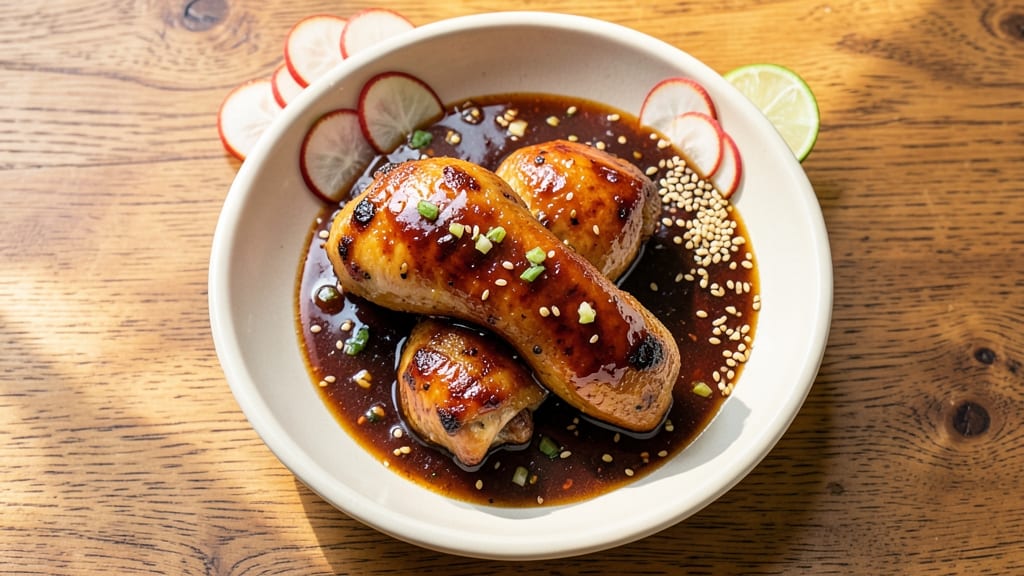
This copycat teriyaki chicken recipe delivers the same restaurant-quality balance of sweet, savory, and umami that makes it a crowd favorite. The secret lies in marinating the chicken for at least 4 hours—preferably overnight—to ensure deep flavor penetration while maintaining tender, juicy meat.
I’ve perfected the glaze to achieve that signature sticky-sweet finish without overpowering the natural taste of the chicken.
The recipe includes a homemade teriyaki sauce that’s easier than you’d think, with just five simple ingredients: soy sauce, brown sugar, ginger, garlic, and a touch of honey.
The sauce is brushed on in stages during cooking, creating crispy edges and a glossy, caramelized glaze that clings perfectly to the chicken. This method ensures every bite is packed with flavor, just like your favorite takeout spot.
By the time you’re done, you’ll have golden-brown chicken with a glossy, sticky glaze that’s both sweet and savory, served alongside steamed rice and sautéed vegetables for a complete, restaurant-worthy meal.
The sauce is versatile enough to double as a marinade for beef or pork, making this recipe a versatile addition to your weeknight rotation.
Whether you’re grilling, broiling, or baking, this technique guarantees foolproof results every time. The key is patience—letting the chicken marinate and the sauce reduce properly—so you can enjoy a dish that tastes like it came straight from a high-end restaurant. Let’s get started!
Ingredients for copycat teriyaki chicken
Five simple ingredients transform into the perfect teriyaki sauce, while juicy chicken thighs soak up every flavorful bite.
| Ingredient | Amount | Notes |
|---|---|---|
| Boneless, Skinless Chicken Thighs 🍗 | 1 ½ lb | Cut into 1-inch pieces |
| Low-Sodium Soy Sauce 🥫 | ½ cup | For marinade and sauce |
| Light Brown Sugar 🍯 | ½ cup | Packed, not scooped |
| Fresh Ginger 🌿 | 2 tbsp | Finely grated, aromatic |
| Garlic Cloves 🧄 | 6 cloves | Minced, fresh preferred |
| Honey 🍯 | 2 tbsp | Wildflower or clover |
| Sesame Oil 🫒 | 1 tbsp | Toasted sesame flavor |
| Cornstarch 🌾 | 1 tbsp | For thickening glaze |
| Vegetable Oil 🫒 | 2 tbsp | For searing chicken |
| Diamond Crystal Kosher Salt 🧂 | 1 tsp | For seasoning |
| Black Pepper 🌶️ | ½ tsp | Freshly cracked |
| Sesame Seeds 🌾 | 1 tbsp | Toasted for garnish |
| Green Onions 🧅 | 3 whole | Sliced, for garnish |
| Rice Vinegar 🍶 | 1 tbsp | For balance |
The chicken thighs are non-negotiable here—bone-in, skin-on pieces stay juicier during the long marinade. Trader Joe's and Costco often have the best prices for bulk packs. Look for thighs with a good layer of fat; that’s what keeps them tender. If you can’t find bone-in, skin-on, boneless thighs with skin work too, but pat them dry before marinating. The marinade needs to cling, and moisture is the enemy. For the soy sauce, Kikkoman or San-J are my go-tos—they’ve got that perfect balance of salt and umami without being overpowering.
No fresh ginger? Ground ginger works at half the amount, but you’ll lose some of that bright, zesty kick. The garlic can be pre-minced from a jar (I won’t judge), but fresh is worth the extra 30 seconds. Running low on honey? Maple syrup or agave will do in a pinch, though the flavor shifts slightly. The sesame oil might be tricky to find in regular grocery stores—Asian markets usually have it, or check the international aisle. If you can’t find toasted sesame oil, regular sesame oil plus a pinch of smoked paprika mimics the flavor. The cornstarch is key for that glossy glaze—don’t skip it, even if you’re in a hurry.
Marinated chicken keeps for 2 days in the fridge, but the flavor deepens overnight, so plan ahead. The teriyaki sauce can be made a day ahead—it actually tastes better after the flavors meld. Store it in an airtight container in the fridge for up to 1 week. For leftovers, reheat gently in a skillet or microwave with a splash of water to prevent drying. The sauce freezes beautifully too—just thaw in the fridge before using. Garnish with toasted sesame seeds and green onions right before serving, or they’ll lose their crunch.
Why You'll Love This Recipe
- Minimal Chopping Required: I swear by this—just mince the ginger and garlic (or use pre-minced if you’re really busy), toss in the chicken, and let the sauce do the work. No dicing onions, no julienning veggies, just pure, sticky-sweet satisfaction.
- Sweet-Savory Magic: That balance of brown sugar and soy sauce? Chef’s kiss. The ginger adds a little bite, but the garlic makes it sing—like a restaurant-quality glaze without the fuss. (Yes, even on a Tuesday night.)
- Leftover Hero: Make a double batch, and you’ve got lunch for days. The sauce clings to the chicken so well it reheats like it was just pulled from the pan—no dry, sad leftovers here.
- Budget-Friendly Feast: Chicken thighs stretch further than breasts, and the sauce costs pennies. Honestly, I’ve fed six people for under $15 with this—plus, the leftovers taste just as good the next day. Win.
Step-by-step instructions for glazed teriyaki chicken
Let's create restaurant-quality teriyaki chicken with a perfect balance of sweet and savory.
Marinate the Chicken for Maximum Flavor
In a large bowl, combine the 0.5 cup low-sodium soy sauce, 0.5 cup light brown sugar, 2 tablespoons finely grated fresh ginger, 6 minced garlic cloves, 2 tablespoons honey, and 1 tablespoon sesame oil. Whisk vigorously until the sugar dissolves completely and the mixture becomes smooth and aromatic.
Add the 1.5 lb boneless, skinless chicken thighs cut into 1-inch pieces to the marinade, ensuring each piece is fully coated. Cover the bowl with plastic wrap and refrigerate for at least 2 hours, or preferably overnight. This extended marinating time allows the flavors to deeply penetrate the chicken, creating that signature umami-sweet balance you crave. The longer it marinates, the more tender and flavorful your chicken will become.
Sear the Chicken for Irresistible Texture
Remove the chicken from the marinade (reserve the marinade for later) and pat the pieces dry with paper towels. This step is crucial for achieving that perfect sear. Heat 2 tablespoons vegetable oil in a large skillet over medium-high heat until shimmering.
Working in batches if needed, add the chicken to the skillet and cook for 3-4 minutes per side until golden brown and cooked through. You'll know it's ready when the edges are deeply caramelized and the internal temperature reaches 165°F. Don't overcrowd the pan—this ensures even browning rather than steaming. Transfer the seared chicken to a plate and tent loosely with foil to keep warm.
Create the Signature Glaze
In the same skillet (no need to clean it—the browned bits add flavor), reduce heat to medium and add the reserved marinade. Bring to a gentle simmer and let it cook uncovered for 5-7 minutes, allowing the liquid to reduce by about half. This reduction intensifies the flavors and creates that glossy, sticky glaze we all love.
In a small bowl, whisk together 1 tablespoon cornstarch with 2 tablespoons water to create a slurry. Slowly pour this into the simmering sauce while stirring constantly. The sauce will thicken dramatically—keep stirring until it reaches a smooth, glossy consistency that coats the back of a spoon. If it's too thick, add 1 tablespoon water at a time until you achieve the perfect glaze texture. Remove from heat and stir in 1 tablespoon rice vinegar.
Glaze and Finish the Chicken
Return the seared chicken to the skillet with the glaze and cook for 1-2 minutes, spooning the sauce over the chicken until everything is evenly coated. The chicken should be fully enrobed in that beautiful amber glaze. Here's the thing—this is where the magic happens. The residual heat from the chicken will help set the glaze perfectly without overcooking the meat.
Transfer the glazed chicken to a serving platter and garnish with toasted sesame seeds and sliced green onions. The contrast of the toasty sesame seeds against the glossy glaze and fresh green onions adds both visual appeal and a delightful crunch. Serve immediately while the glaze is still warm and sticky, pairing with steamed rice to soak up every last bit of that delicious sauce.
Pro Tips For Making Copycat Teriyaki Chicken
- Sear the Thighs First: Hit the chicken thighs with high heat for 3-4 minutes per side before adding sauce—this locks in flavor and keeps them juicy. I used to skip this and ended up with soggy, flavorless meat that tasted like it was swimming in sauce.
- Grate, Don’t Mince Ginger: Use a microplane or fine grater for the ginger—this releases more oil and aroma than mincing. I was skeptical until I tried it; the sauce now has that bright, zesty kick that store-bought versions miss.
- Simmer Sauce Low and Slow: Reduce the teriyaki sauce on medium-low heat until it thickens to a glaze, not a syrup—about 10-12 minutes. Rushing it turns the sugar into caramelized bits instead of a smooth, glossy coating.
- Pat Dry, Then Salt: Wipe the chicken thighs thoroughly with paper towels before seasoning—this guarantees a better sear and crispier edges. I learned this the hard way after dealing with sticky, uneven browning.
Health benefits of this recipe
Protein Powerhouse
This teriyaki chicken delivers a high-quality protein punch with about 45 grams per serving (based on 4 servings). Chicken thighs are particularly rich in iron and zinc, essential for energy production and immune function.
The marinade's soy sauce adds plant-based protein too, making this a complete protein source that supports muscle repair and growth. 💪
Balanced Carbs
The teriyaki sauce's brown sugar provides natural complex carbohydrates that fuel your body with sustained energy. The 1 tablespoon rice vinegar adds a touch of acidity that aids digestion, while the sesame oil contributes healthy fats> (about 3 grams per serving) that support brain function.
This combo makes it a satisfying meal that keeps you full for hours.
Antioxidant Boost
Fresh ginger and garlic in the marinade pack serious antioxidant power. Ginger contains gingerol, which fights inflammation, while garlic's allicin provides immune-boosting benefits. The honey used in the sauce also contains trace antioxidants, though it's best consumed in moderation.
Together, these ingredients help combat oxidative stress in your body.
Low-Calorie Option
For a lighter version, reduce the brown sugar to 0.3 cups> and use 1 tablespoon maple syrup instead of honey. This cuts calories by about 150 per serving> while maintaining the sweet-savory balance.
The chicken thighs remain the same, providing lean protein without sacrificing flavor. This makes it perfect for those watching their calorie intake but still craving restaurant-quality taste. 🌟
Gluten-Friendly Adaptation
If you need a gluten-free version, simply replace the soy sauce with tamari> (a gluten-free soy sauce alternative) or coconut aminos. Both work beautifully in this recipe and provide similar umami depth.
The rest of the ingredients remain unchanged, so you still get all the health benefits without the gluten. This adaptation works particularly well for those with celiac disease or gluten sensitivities.
Meal Prep Benefits
This recipe is perfect for meal prepping because the flavors actually improve overnight. The chicken marinates for at least 2 hours, but the longer it sits, the more tender and flavorful it becomes.
When stored in an airtight container> in the fridge, it keeps for 3-4 days, making it ideal for busy weeknights. The sauce can also be made ahead and reheated gently, preserving all its nutritional benefits. 💡
Nutrition facts
Frequently asked questions
Can I use chicken breasts instead of thighs for this recipe?
Chicken breasts work, but they require extra care to stay juicy. Use boneless, skinless breasts cut into 1-inch pieces, and marinate for no more than 4 hours (they can get mushy overnight). Cook them at 350°F for 15-18 minutes instead of searing, and baste with extra sauce to prevent drying. For best results, pound the breasts to even thickness before marinating.
How do I fix teriyaki sauce that's too thin or too thick?
For too-thin sauce, simmer uncovered for 2-3 extra minutes to reduce it further. If it's too thick, whisk in 1 teaspoon water at a time until smooth. For a quick fix, add ½ teaspoon cornstarch mixed with 1 teaspoon water and stir until glossy. The sauce should coat the back of a spoon but still drizzle lightly when tilted.
Can I bake this teriyaki chicken instead of pan-searing?
Preheat oven to 400°F and bake marinated chicken on a wire rack over a baking sheet for 20-25 minutes, flipping halfway. Brush with reserved marinade every 5 minutes for a sticky glaze. For extra crispiness, broil for 2 minutes at the end. Baking works especially well for large batches or when you're cooking for a crowd.
What's the best way to store leftovers?
Let the chicken cool completely, then store in an airtight container in the fridge for up to 4 days. Reheat gently in a skillet with 1 tablespoon water to prevent drying. The sauce can be frozen separately for 3 months—thaw in the fridge before using. For reheating, microwave for 30 seconds and finish under a broiler for 1-2 minutes to restore crispiness.