
Main Courses
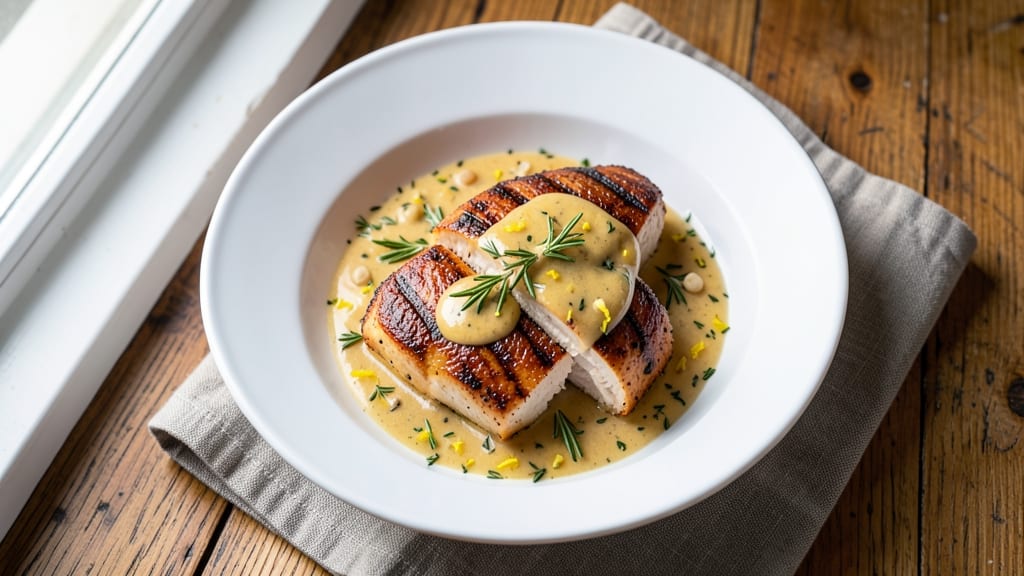
Gordon Ramsay's chicken recipe delivers restaurant-quality pan-seared perfection with a golden herbed butter crust that's impossible to resist. The secret lies in precise heat control and a technique that transforms ordinary chicken into a showstopping centerpiece—just like his Michelin-starred kitchens.
My version simplifies the process without sacrificing flavor, using simple ingredients that work every time.
This recipe focuses on achieving that signature crispy skin while keeping the meat juicy inside, a technique Ramsay himself emphasizes in his cooking. You'll start with a dry-brined chicken breast, ensuring maximum flavor retention, then sear it in a hot pan until golden.
The herbed butter crust adds an extra layer of richness that elevates this dish from ordinary to extraordinary.
The result is a perfectly seared chicken breast with a crispy, golden crust and tender, juicy meat inside. The herbed butter melts into every bite, creating a flavorful crust that's both elegant and satisfying.
This is the kind of dish that will impress even the most discerning dinner guests, making it perfect for special occasions or weeknight dinners.
Pair it with roasted vegetables or a fresh salad for a complete meal that's both balanced and impressive. The plating tips included will help you present the dish with the same professional flair Ramsay is known for. Let's get started on creating this restaurant-quality chicken at home.
Ingredients for gordon ramsay chicken
Simple yet transformative ingredients create Ramsay's signature golden crust and juicy perfection.
| Ingredient | Amount | Notes |
|---|---|---|
| Boneless, Skinless Chicken Breasts 🍗 | 2 whole | Pounded to even 1-inch thickness |
| Unsalted Butter 🧈 | ½ cup | Cold and cubed for crust |
| Fresh Rosemary 🌿 | 2 tbsp | Finely chopped, organic preferred |
| Fresh Thyme 🌿 | 1 tbsp | Leaves only, stems removed |
| Garlic Cloves 🧄 | 4 cloves | Minced into fine paste |
| Diamond Crystal Kosher Salt 🧂 | 1 ½ tsp | For dry brine |
| Extra-Virgin Olive Oil 🫒 | 1 tbsp | High smoke point preferred |
| Fresh Lemon Zest 🍋 | 1 tsp | From organic lemon |
| Black Peppercorns 🌶️ | ½ tsp | Freshly cracked |
| All-Purpose Flour 🌾 | 2 tbsp | For dredging |
| Butterflake Parsley 🌿 | 1 tbsp | Chopped for garnish |
The chicken breasts are non-negotiable—look for evenly sized cuts from the deli counter at Whole Foods or your trusted butcher. Free-range organic delivers superior texture, but standard quality works if pounded uniformly. The butter must be cold and cubed (freeze it 20 minutes if needed) to create that signature crust. Fresh herbs elevate the dish; Penzeys or local farmers' markets offer the best quality. For the garlic, peel and mince by hand—pre-minced lacks freshness. The kosher salt is critical; Diamond Crystal dissolves cleanly without graininess.
No fresh rosemary? Dried at half the quantity works in a pinch, though texture differs. Substitute thyme with oregano but reduce to 0.5 tbsp. For the olive oil, avoid light-tasting varieties—look for robust, peppery options like California Early Harvest. Lemon zest can be swapped for 1 tsp bottled lemon juice, but fresh zest adds aromatic depth. The flour dredge is optional but creates extra crispiness; use cake flour for a lighter texture. Black peppercorns must be freshly cracked—pre-ground loses potency quickly.
Store chicken breasts unwashed in the coldest part of the fridge for up to 2 days post-pounding. Fresh herbs keep 5 days wrapped in damp paper towels. The herbed butter mixture stays fresh 3 days refrigerated or 3 months frozen in portions. For presentation, plate on chilled slate boards with lemon wedges—Ramsay's signature touch. The dish reheats poorly; serve immediately after searing.
Why You'll Love This Recipe
- Same recipe, different vibes: toss it over pasta for a quick weeknight meal, or plate it with roasted veggies for a guest-worthy dish. The flavors hold up whether I’m feeding my family or hosting a last-minute dinner—no stress, just delicious.
- Pan-Fried in Minutes: I swear by this recipe when I’m starving after work—just sear those chicken breasts in butter until golden, then let the garlic and herbs work their magic. No fancy techniques, just a hot pan and 15 minutes of hands-off time.
- Butter-Basted Magic: That first bite? The crispy skin (even though it’s skinless!) meets the rich, herby butter—it’s like a restaurant-worthy finish without the fuss. The rosemary and thyme infuse into the chicken so deeply, every slice tastes like it’s been simmering for hours.
- Weeknight to Dinner Party: Same recipe, different vibes: toss it over pasta for a quick weeknight meal, or plate it with roasted veggies for a guest-worthy dish. The flavors hold up whether I’m feeding my family or hosting a last-minute dinner—no stress, just delicious.
Step-by-step instructions for gordon Ramsay's chicken recipe
Master this technique and you'll achieve restaurant-quality pan-seared chicken with a golden crust every time.
Prepare the Herbed Butter Crust
In a small mixing bowl, combine the 0.5 cup unsalted butter with the 2 tablespoons finely chopped fresh rosemary, 1 tablespoon fresh thyme leaves, 4 cloves minced garlic, 1 teaspoon fresh lemon zest, and 0.5 teaspoon freshly cracked black peppercorns. Mix thoroughly with a fork until the butter is evenly incorporated and the herbs are fully distributed. Here's the thing—this mixture should look like a vibrant green paste with visible herb flecks.
Press the herbed butter mixture into a flat disk and wrap it tightly in plastic wrap. Refrigerate for at least 30 minutes until firm. This cold butter will create the signature crust while keeping the chicken moist inside. If you're short on time, you can skip the chilling, but the texture won't be quite as perfect.
Pound and Season the Chicken
Place each of the 2 whole boneless, skinless chicken breasts between two sheets of plastic wrap. Using a meat mallet or rolling pin, pound the breasts to an even 1-inch thickness throughout. This ensures even cooking and prevents any part from being undercooked. The reason we pound is to create uniform thickness—you'll know it's right when you can see the muscle fibers running parallel.
Season both sides aggressively with 1.5 teaspoons diamond crystal kosher salt. I press the salt crystals into the meat rather than just sprinkling—this ensures maximum flavor penetration. Let the seasoned chicken rest at room temperature for 15 minutes while you prepare the pan. This step is crucial for developing a crisp crust and juicy interior.
Sear the Chicken to Golden Perfection
Heat a large skillet over medium-high heat until it's very hot—you should see a slight shimmer when you sprinkle a drop of water. Add 1 tablespoon extra-virgin olive oil and let it heat for 30 seconds until it's just about to smoke. Place one chicken breast in the pan and press down gently with a spatula for 10 seconds to ensure maximum contact with the hot surface.
Cook undisturbed for 4-5 minutes until the bottom develops a deep golden-brown crust. Here's where it gets critical—don't move the chicken until you see those beautiful Maillard reaction spots forming. Flip the chicken and immediately place the chilled herbed butter disk on top. Press down gently with a spatula to help it adhere, then cook for another 3-4 minutes until the other side is golden brown and the internal temperature reaches 155°F on an instant-read thermometer.
Rest and Garnish for Presentation
Transfer the cooked chicken to a cutting board and let it rest for 5 minutes before slicing. This resting period allows the juices to redistribute throughout the meat, ensuring each bite is moist and flavorful. While the chicken rests, wipe out the skillet with a paper towel to remove any excess butter, then return it to medium heat for 30 seconds to warm it slightly.
Slice the chicken breasts diagonally into ½-inch thick pieces and arrange them on the warmed skillet. Sprinkle generously with 1 tablespoon butterflake parsley and serve immediately. The herbed butter crust should be crisp and golden, with the chicken inside remaining juicy and perfectly cooked. Each piece should have that beautiful contrast of textures—crispy exterior, tender interior.
Pro Tips For Making Gordon Ramsay Chicken
- Salt the Chicken First: Toss those chicken breasts in salt and pepper before you even think about butter—at least 30 minutes ahead if you can. I used to skip this, and the seasoning always felt like an afterthought, no matter how much butter I slathered on later. Trust me, the salt works its magic by drawing out moisture, so the butter really clings when you sear it.
- Mince That Garlic Fine: Don’t just chop those garlic cloves—smash them with the flat side of your knife first, then mince into a paste. I learned this after my first batch tasted like it was missing something, even though I followed the recipe. The paste blends better with the butter and herbs, giving you that deep, aromatic flavor Ramsay’s version is known for.
- Don’t Overcrowd the Pan: If you’re pan-searing, cook the chicken in batches—even if it means an extra two minutes. I once tried to rush it and ended up with sad, steamed chicken instead of golden, crispy edges. A hot pan with just one breast at a time is the only way to get that perfect crust without turning the butter into soup.
- Rest Under Foil: As soon as the chicken hits 165°F, transfer it to a plate, tent it loosely with foil, and let it sit for 5-10 minutes. I know, it feels counterintuitive—you want to serve it now—but skipping this step means dry, stringy chicken. The foil traps the heat so the juices redistribute, and the herbs stay fragrant instead of wilting into the plate.
Serving suggestions for this recipe
Elegant Plating Techniques
Ramsay’s signature plating starts with a chilled slate board or white plate to highlight the golden crust. Arrange the sliced chicken in a fan shape, slightly overlapping the edges for visual appeal. The herbed butter should glisten slightly—this indicates perfect searing.
Garnish with butterflake parsley sprinkled in a delicate arc over the chicken, then add 2-3 lemon wedges on the side for both color contrast and acidity. 💫
Perfect Side Pairings
For a complete meal, serve with truffle mashed potatoes—their creamy texture balances the crispy chicken. I use ½ cup truffle oil (like La Tourangelle) mixed into 2 cups Yukon Gold potatoes mashed with ¼ cup heavy cream.
The earthy aroma complements the herbed butter beautifully. Alternatively, a roasted asparagus salad with lemon vinaigrette adds freshness without overpowering the main.
Wine & Beverage Matchups
A crisp Sauvignon Blanc from New Zealand—like Oyster Bay—cuts through the richness with its citrus notes. For red wine lovers, a Pinot Noir from Oregon (such as Domaine Serene) offers subtle earthiness that pairs elegantly.
Non-alcoholic? Sparkling San Pellegrino Aranciata with its bitter orange zest provides a refreshing contrast. 🍷
Make-Ahead Presentation
If prepping ahead, store the sliced chicken in an airtight container with a paper towel to absorb moisture. Reheat gently in a 350°F oven for 5-7 minutes—never microwave, or the crust will turn soggy.
Re-garnish with fresh parsley right before serving. For a restaurant-worthy touch, arrange the chicken on a warm cast-iron skillet (like Lodge) and serve family-style to keep the crust intact.
Dietary Adaptations
For a lighter version, replace butter with olive oil-infused garlic butter (mix ¼ cup olive oil with 2 minced garlic cloves). Swap regular chicken for turkey breast (pounded to ½-inch thickness) to reduce fat.
Gluten-free diners can skip the flour dredge entirely—the herbed butter alone creates enough crispiness. All adaptations maintain Ramsay’s emphasis on technique over shortcuts. 💪
Nutrition facts
Frequently asked questions
Can I use chicken thighs instead of breasts for this recipe?
Chicken thighs work beautifully—they're more forgiving and stay juicier. Use 2 bone-in, skin-on thighs and adjust cooking time to 12-15 minutes total (until internal temp reaches 165°F). Skip pounding since thighs are naturally thicker, and reduce salt slightly to 1 teaspoon per side. The skin will crisp up perfectly with the herbed butter.
Why does my chicken turn out dry even when I follow the recipe?
Overcooking is the #1 culprit—always use an instant-read thermometer! Chicken should reach 155°F for breasts and 165°F for thighs. Another common mistake is skipping the 5-minute rest—this lets juices redistribute. Also, avoid cutting into the meat immediately after cooking. If it's still dry, try brining the chicken for 30 minutes in ¼ cup salt per quart of water before cooking.
What's the best way to reheat leftover Ramsay-style chicken?
Never microwave—it ruins the crispy crust! Instead, slice the chicken and reheat in a 350°F oven for 5-7 minutes on a wire rack over a baking sheet. For extra crispiness, broil for 1-2 minutes at the end. To restore moisture, add 1 teaspoon chicken stock to the pan before reheating. Always regarnish with fresh parsley before serving.
Can I make this recipe ahead of time for a dinner party?
Yes, but with smart prep! Cook the chicken 1 day ahead, let it cool completely, then store in an airtight container with a paper towel to absorb moisture. Reheat in the oven as above. For the herbed butter, make it fresh 1 hour before serving—it loses crispness when reheated. Assemble plating elements (like lemon wedges) separately and arrange just before guests arrive.
What's the secret to getting that perfect golden crust like Ramsay?
Three key factors: hot pan (until oil shimmers), cold butter (chilled for at least 30 minutes), and patient searing. Don't move the chicken until you see deep golden-brown spots forming. The butter should sizzle but not burn. Ramsay's trick? Press the butter disk firmly onto the chicken with a spatula—this creates maximum contact for that signature crust.