
Main Courses
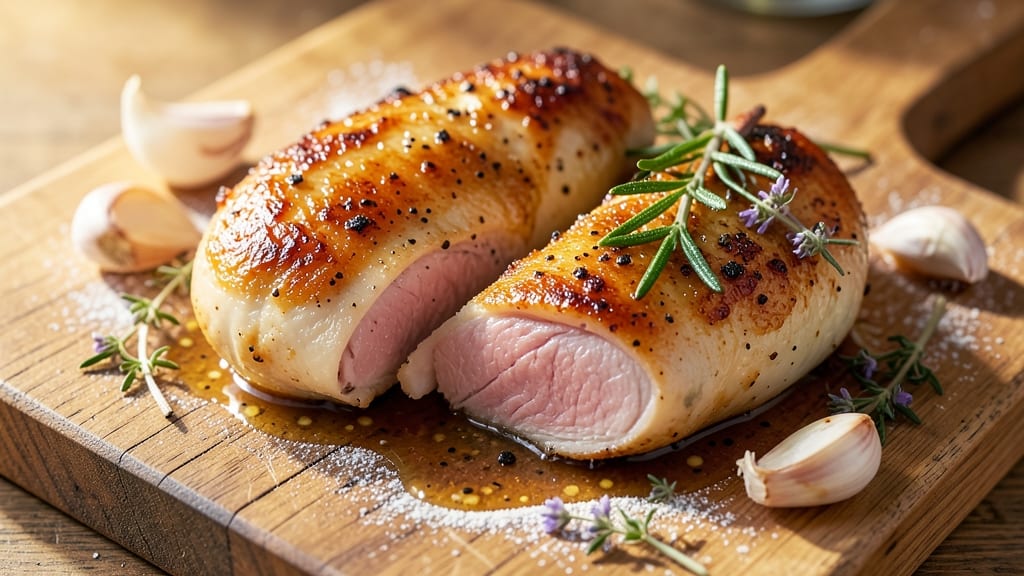
Grandma's chicken recipe always delivered that perfect balance of crispy skin and juicy meat—something I learned the hard way when my first attempt came out dry. The secret wasn't just the seasoning blend but how she transformed simple pan drippings into a rich, velvety sauce that made every bite unforgettable.
After years of perfecting her method, I've recreated it exactly as she taught me, ensuring every piece stays tender and flavorful.
This recipe relies on a few key techniques: starting with a hot pan to sear the chicken properly, then basting it with melted butter and herbs while it cooks.
The real magic happens when you deglaze the pan with chicken broth and a splash of lemon juice, creating that signature sauce that clings to every bite. It's the kind of dish that tastes even better the next day, when flavors have time to meld together.
What you'll end up with is golden-brown chicken pieces that are crispy on the outside and juicy on the inside, all swimming in a sauce that's rich yet bright.
The aroma alone will have everyone gathering around the table, and the first bite will transport you straight back to Grandma's kitchen. This is comfort food at its finest—simple enough for weeknights but special enough for company.
The best part? This recipe pairs beautifully with classic sides like buttery mashed potatoes, steamed green beans, or a fresh garden salad. Let's get cooking and bring a little bit of Grandma's love to your dinner table tonight.
Ingredients for grandma's chicken
Grandma's secret starts with these simple ingredients transformed into golden, juicy chicken with velvety sauce.
| Ingredient | Amount | Notes |
|---|---|---|
| Boneless, Skinless Chicken Thighs 🍗 | 1 ½ lb | Trimmed of excess fat |
| Unsalted Butter 🧈 | ½ cup | Cold, cut into chunks |
| All-Purpose Flour 🌾 | ¼ cup | For coating chicken |
| Fresh Rosemary 🌿 | ¼ cup | Chopped, stems removed |
| Fresh Thyme 🌿 | ¼ cup | Leaves only, chopped |
| Garlic Cloves 🧄 | 4 cloves | Minced, fresh preferred |
| Chicken Broth 💧 | 1 cup | Low-sodium preferred |
| Fresh Lemon Juice 🍋 | 2 tbsp | From 1 small lemon |
| Dijon Mustard 🍯 | 1 tsp | For sauce depth |
| Kosher Salt 🧂 | 1 ½ tsp | Adjust to taste |
| Freshly Ground Black Pepper 🌶️ | ½ tsp | For finishing |
| Olive Oil 🫒 | 2 tbsp | For searing |
| Fresh Parsley 🌿 | ⅛ cup | Chopped, for garnish |
The chicken thighs are the star—skinless but bone-in for juiciness (no dry surprises here). Grab them from the butcher counter if possible; they'll be fresher than the packaged ones. Look for even-sized pieces so they cook uniformly. I always ask for the thighs with skin still on—it crisps up beautifully, but if you prefer skinless, just trim it yourself. Costco or local markets often have the best prices for bulk chicken, but any grocery store's fresh case works. The herbs? Fresh is non-negotiable here—rosemary and thyme should smell vibrant, not dusty. If you're short on time, dried works at half the amount, but nothing beats the real deal for that Grandma touch.
No chicken broth? Low-sodium beef broth or even water in a pinch—just add a pinch of salt to compensate. Fresh lemon juice? Bottled works, but the flavor's brighter when fresh. The Dijon mustard adds that tangy depth—skip it if you're avoiding mustard, but I promise it makes the sauce sing. For the flour, all-purpose is fine, but if you're feeling fancy, bread flour gives a slightly thicker coating. The olive oil should be light, not extra-virgin—we're searing here, not making salad dressing. And if you're out of fresh parsley, chives or basil work in a pinch for garnish (though parsley's the classic).
This sauce is magic the next day—tastes even better reheated with a splash of broth. Store leftovers in the fridge for up to 4 days, covered tightly. For freezing, portion into single servings—just thaw overnight in the fridge, then reheat gently. The chicken reheats beautifully in a skillet with a splash of water or broth. Double the recipe if you're feeding a crowd—it's that good. And trust me, the extra effort of making the sauce from scratch? Worth every minute for that restaurant-quality finish.
Why You'll Love This Recipe
- One-Pan Magic: I swear by this recipe when I’m too tired to scrub pots—just brown the thighs, toss in the flour-butter-herb mix, and let the oven do the work. The rosemary and thyme cling to the chicken like a cozy hug, and the butter makes everything taste like it was simmered for hours.
- Herb-Packed Punch: That crispy flour crust meets tender meat, and the fresh rosemary and thyme? They turn a simple weeknight dinner into something that feels special. Honestly, the first time I made it, my partner asked if I’d hired a chef.
- Leftovers That Don’t Suck: This recipe actually improves the next day—reheated with a splash of broth, it’s even more flavorful. I make a double batch on Sundays because it’s the only chicken dish my kids will eat cold in their lunches (yes, even with the herbs).
- Budget-Friendly Comfort: Chicken thighs are forgiving and cheap, and this method uses just a handful of pantry staples. Between us, I’ve fed a houseful of guests with this—it’s the kind of dish that makes you look like a star without breaking the bank.
Step-by-step instructions for Grandma's chicken recipe
Grandma's secret lies in the pan sauce—here's how to recreate her juicy, flavorful chicken.
Season and Sear the Chicken Thighs
Pat the 1.5 lb boneless, skinless chicken thighs completely dry with paper towels. This step is crucial—moisture prevents proper browning. Season both sides generously with 1.5 tsp kosher salt and 0.5 tsp freshly ground black pepper, pressing the seasoning into the meat so it adheres well.
Heat 2 tbsp olive oil in a large skillet over medium-high heat until shimmering. Add the chicken thighs and cook for 5-6 minutes per side, until they develop a deep golden-brown crust. Don't rush this—you'll know they're ready when the edges release easily from the pan. Remove the chicken and set aside on a plate, leaving the rendered juices in the pan. These precious liquids are the foundation of Grandma's pan sauce.
Build the Herb Butter Sauce
Reduce the heat to medium and add the 0.5 cup cold unsalted butter cut into chunks to the skillet. Let it melt slowly, about 2 minutes, while you prepare the herb mixture. In a small bowl, combine the 0.25 cup chopped fresh rosemary, 0.25 cup chopped fresh thyme, and 4 minced garlic cloves. Sprinkle this aromatic blend over the melted butter.
Cook the herbs for 1-2 minutes until fragrant—you'll smell that unmistakable herbal aroma filling your kitchen. Be careful not to let the garlic burn, as it can turn bitter. Here's the thing—this is where Grandma's secret really shines. The herbs infuse the butter with their earthy, piney flavors, creating a rich base for the sauce.
Create the Pan Sauce
Sprinkle the 0.25 cup all-purpose flour evenly over the herb butter mixture. Stir immediately with a wooden spoon to prevent the flour from burning. Cook for 1-2 minutes, stirring constantly, until the mixture turns a light golden color. This process, called a roux, will thicken your sauce beautifully.
Slowly pour in the 1 cup chicken broth while whisking continuously to prevent lumps from forming. Add the 2 tbsp fresh lemon juice and 1 tsp Dijon mustard, then bring the mixture to a gentle simmer. Let it cook for 5-7 minutes, stirring occasionally, until the sauce thickens enough to coat the back of a spoon. The sauce should be velvety rather than gluey—if it's too thick, add 1-2 tablespoons of water to reach your desired consistency.
Finish and Serve
Return the chicken thighs to the skillet, spooning the pan sauce over them generously. Let everything simmer together for 3-4 minutes, allowing the chicken to absorb the rich, herby flavors. The internal temperature should reach 165°F—this is your final checkpoint for juicy, perfectly cooked chicken.
Transfer the chicken to a serving platter and ladle the remaining sauce over the top. Garnish with the 0.125 cup chopped fresh parsley just before serving. Grandma always said the parsley was "just for looks," but I've found it adds a fresh brightness that ties all the flavors together. Serve immediately while the chicken is still steaming hot and the sauce is at its peak flavor.
Pro Tips For Making Grandma'S Chicken
- Brown the Butter First: The rich, nutty flavor of browned butter is what makes this dish sing—don’t skip it. Melt the butter over medium heat until it turns golden and smells like caramel, then immediately take it off the heat. That extra step turns "good" into "grandma’s special."
- Pat Thighs Very Dry: Wet chicken skin won’t crisp, no matter how much flour you dredge it in. Use paper towels to dry the thighs thoroughly before seasoning—this is the thing that matters most for that golden crust. (Yes, even if you’re impatient like me.)
- Skip the Overcrowding: I learned this the hard way—dumping all the thighs in the pan at once just steams them. Cook in batches if needed, and give them space. A crowded pan turns crispy into soggy, and nobody wants that.
- Rest the Herbs: Fresh rosemary and thyme bruise easily, and bruised herbs taste bitter. Roughly chop the stems first, then let them sit in a bowl of warm water for 10 minutes before adding to the butter. It mellows their flavor and keeps the dish bright. (Your future self will notice.)
Regional styles of these flavors
Southern Comfort Style
In the Deep South, Grandma's chicken often gets a smoky twist using applewood chips or hickory smoke—something I picked up from my time in Charleston. The key is to add 2-3 smoked wood chips to the skillet during the final 3-4 minutes of cooking.
This infuses the pan sauce with a subtle smokiness that pairs beautifully with the herby butter. I like to use Storebrand Smoking Chips because they burn cleanly without overpowering the dish. For an extra Southern touch, serve with cornbread and collard greens—it's a full-on comfort food experience. 🌶️
Italian Herb Approach
My Italian friends swear by a variation where you swap the rosemary and thyme for fresh oregano and basil, adding 1 tsp red pepper flakes for heat. The sauce gets a brighter, almost Mediterranean vibe, and the lemon juice becomes even more prominent.
I've made this version with chicken breasts instead of thighs for a lighter option—just reduce the cooking time to 4-5 minutes per side to avoid drying them out. Pair it with garlic bread and a simple caprese salad for a fresh contrast. 🌿
Midwest Butter-Basting Classic
The Midwest version keeps it simple but rich, focusing on extra butter and white wine for the sauce. After searing the chicken, deglaze the pan with ½ cup dry white wine instead of broth, then proceed with the butter and herbs.
The wine adds a subtle acidity that cuts through the richness. I've found this works especially well with bone-in chicken thighs—the marrow adds depth to the sauce. Serve with creamy mashed potatoes and roasted Brussels sprouts for a hearty meal. 🍷
Texas-Style Spiced Version
For a Texas twist, I've added 1 tsp smoked paprika and ½ tsp ground cumin to the seasoning blend before searing. The pan sauce gets a deep, earthy note from the spices, and I like to finish with a splash of hot sauce (like Cholula) for a little kick.
This version pairs perfectly with white rice and black-eyed peas—a true Southern feast. The spices work especially well with bone-in, skin-on thighs for maximum flavor infusion. 🔥
French-Inspired Pan Sauce
If you're feeling fancy, take the basic recipe and turn it into a sauce au beurre blanc. After making the roux, replace the chicken broth with ½ cup dry vermouth and ½ cup heavy cream, then finish with 1 tbsp lemon juice.
The sauce becomes luxuriously rich and velvety. I've used this version with bone-in chicken thighs and served it with crusty baguette and steamed asparagus for an elegant dinner. The vermouth adds a sophisticated depth that elevates the dish to restaurant quality. 💫
Grandma's Own Georgia Tradition
Back in my hometown of Georgia, Grandma's chicken often included a splash of hot sauce in the pan sauce—just 1-2 teaspoons of Crystal Hot Sauce stirred in at the end. This gave the dish that signature tangy heat that made it unforgettable.
We'd serve it with buttermilk biscuits and sautéed okra for a true Southern spread. The hot sauce also helps balance the richness of the butter sauce, cutting through the fat for a cleaner finish. This version is my personal favorite for family gatherings. 💛
Nutrition facts
Frequently asked questions
Can I use chicken breasts instead of thighs for this recipe?
Yes, but you'll need to adjust the cooking time to avoid dryness. Sear breasts for only 4-5 minutes per side until golden, then reduce heat to medium-low when adding the sauce. The breasts will cook faster than thighs, so keep an eye on them and remove when they reach 165°F. For extra juiciness, brine them for 30 minutes before cooking.
How do I make this recipe without fresh herbs?
Use 1/4 teaspoon dried rosemary and 1/4 teaspoon dried thyme instead of fresh, but add them to the butter 1 minute earlier since dried herbs need more time to infuse. For garlic, 1/2 teaspoon garlic powder works, though fresh minced garlic gives the best flavor. The sauce will still taste delicious, just slightly less vibrant.
What's the best way to reheat leftovers?
Reheat in a skillet over medium-low heat with a splash of chicken broth or water to keep the sauce from drying out. Cover the pan for 3-4 minutes until warmed through. For microwave reheating, cover with a damp paper towel and heat in 30-second intervals until hot. The sauce actually tastes better the next day as flavors meld!
Can I make this recipe in the oven instead of a stovetop?
Sear the chicken in a skillet first, then transfer to a baking dish. Pour the sauce over the chicken and bake at 375°F for 15-20 minutes until the chicken reaches 165°F. The oven method works well for larger batches and keeps the chicken extra juicy. Just reduce the butter to 1/4 cup to prevent excessive browning.
Why did my sauce turn out too thick?
This usually happens when the roux cooks too long or the broth reduces too much. Thin with 1-2 tablespoons of warm water or broth while stirring constantly. For future attempts, simmer the sauce uncovered to prevent over-reduction. The ideal consistency should coat the back of a spoon but still be pourable.