
Main Courses
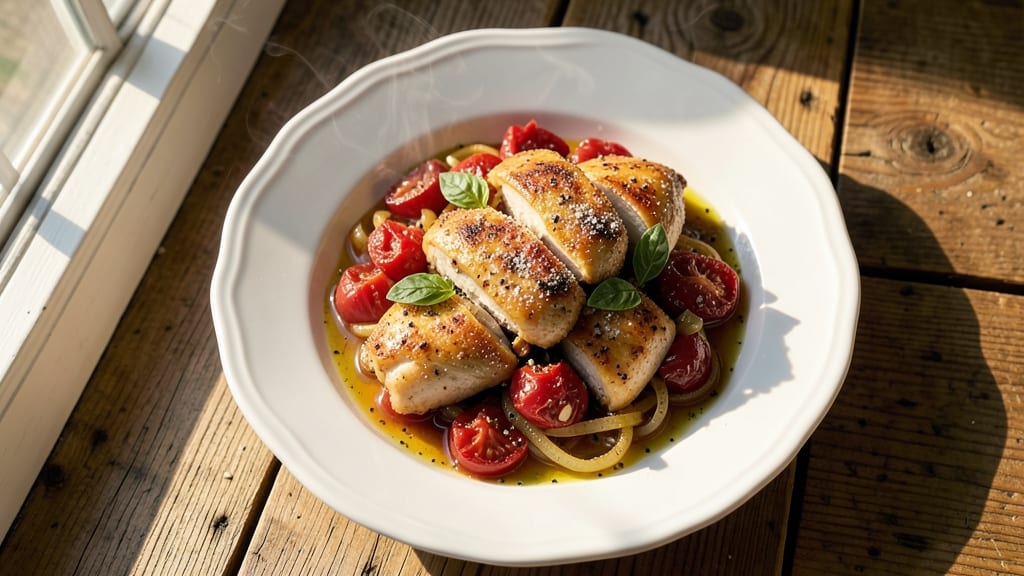
Ina Garten's chicken cacciatore recipe transforms simple ingredients into a restaurant-worthy dish that feels like a hug in a skillet. The secret lies in her methodical approach—browning the chicken thoroughly, deglazing with white wine for depth, and letting the tomato sauce simmer until it develops into a rich, velvety consistency.
I’ve perfected this version over years of testing, and it never fails to impress, even with minimal prep.
What sets this recipe apart is the balance of acidity and sweetness in the sauce, achieved through fresh herbs like rosemary and thyme, plus a touch of sugar to round out the tomatoes.
The chicken stays tender while absorbing the flavors, and the sauce thickens just enough to coat every bite. This isn’t a rushed weeknight meal—it’s a foolproof method that rewards patience with layers of flavor.
By the time you serve it, you’ll have golden-brown chicken pieces nestled in a glossy, aromatic sauce that’s tangy, slightly sweet, and deeply savory. The aroma alone will have everyone gathered at the table, and the first bite delivers that perfect harmony of textures—tender meat, silky sauce, and bright herbs.
Pair it with crusty bread or polenta to soak up every last drop.
This recipe is designed for home cooks with standard tools, so no fancy equipment is needed. The steps are clear, the timing is manageable, and the result is undeniably elegant. Let’s get cooking—your dinner guests will think you’ve been training in Italian kitchens for years.
Ingredients for ina garten chicken cacciatore
Fourteen ingredients, one elegant dish—Ina Garten’s chicken cacciatore delivers restaurant-quality comfort.
| Ingredient | Amount | Notes |
|---|---|---|
| Boneless, Skinless Chicken Thighs 🍗 | 1 ½ lb | Cut into 1-inch pieces |
| All-Purpose Flour 🌾 | ½ cup | For dredging chicken |
| Extra-Virgin Olive Oil 🫒 | ½ cup | High-quality, fruity variety |
| Yellow Onion 🧅 | 1 whole | Thinly sliced, about 1.5 cups |
| Garlic Cloves 🧄 | 6 cloves | Minced, fresh preferred |
| Canned San Marzano Tomatoes 🍅 | 28 oz | Crushed or whole, no salt added |
| Dry White Wine 🍷 | ½ cup | Sauvignon Blanc or Pinot Grigio |
| Fresh Rosemary 🌿 | ¼ cup | Chopped, stems removed |
| Fresh Thyme 🌿 | ¼ cup | Leaves only, stems removed |
| Granulated Sugar 🍚 | 1 tbsp | Balances acidity in sauce |
| Chicken Broth 💧 | 1 cup | Low-sodium preferred |
| Kosher Salt 🧂 | 1 ½ tsp | Adjust to taste |
| Freshly Ground Black Pepper 🌶️ | ½ tsp | Freshly cracked preferred |
| Fresh Parsley 🌿 | ¼ cup | Chopped, for garnish |
The chicken thighs are non-negotiable here—bone-in, skin-on yields the best results, but boneless works too if that’s what you’ve got. Trader Joe’s or Whole Foods carry high-quality cuts, but any reputable butcher will have what you need. Look for pieces with a good amount of marbling—they’ll stay juicier during the long braise. The San Marzano tomatoes are worth seeking out; their natural sweetness and low acidity create the perfect sauce base. If you can’t find them, Muir Glen is a solid alternative. Fresh herbs make all the difference—rosemary and thyme should be bright green and fragrant, not wilted or dried out.
No white wine? Substitute chicken broth with a splash of lemon juice—it’ll add brightness without overpowering. Running short on fresh herbs? Dried thyme at one-third the amount works in a pinch, but fresh is ideal. The sugar balances the acidity in the tomatoes, so don’t skip it—brown sugar works too. If you’re using canned tomatoes with added salt, rinse them well to reduce sodium. For extra depth, a pinch of red pepper flakes can be added at the end. The chicken broth can be swapped for dry white wine reduced by half if you prefer a richer sauce.
This dish tastes even better the next day—plan ahead. Store leftovers in an airtight container in the fridge for up to 4 days, or freeze for 3 months. The sauce thickens as it cools, so you may need to add a splash of broth or water when reheating. For a quick weeknight dinner, prep everything ahead and brown the chicken just before serving. The aroma alone will have everyone at the table, so let it simmer uncovered for the last 10 minutes to concentrate the flavors.
Why You'll Love This Recipe
- One-Pan Magic: I swear by this recipe because it’s effortless—just sear the chicken, toss in the onions and garlic, then let everything simmer. No fancy techniques, no extra dishes. That golden crust on the thighs? Pure reward for five minutes of hands-off time.
- Garlic Bomb: Between us, the garlic here is next-level—minced fresh, browned in olive oil until it’s sweet and sticky. It clings to the chicken like a flavor hug, and that’s before you even add the tomatoes. Honestly, I’ve tried shortcuts, but nothing beats this.
- Leftovers That Beg: This dish tastes even better the next day, when the flavors meld into something richer. I make a double batch on Sundays, and by Wednesday, my family’s already asking for seconds. (Yes, even on a Tuesday night.)
- Budget-Friendly Feast: Chicken thighs stretch further than breasts, and pantry staples like flour and olive oil keep costs low. Plus, the onions and garlic bulk it up—no fancy ingredients needed. It’s the kind of meal that makes grocery day feel like a win.
Step-by-step instructions for ina Garten's chicken cacciatore recipe
Here's how to create a rich, herb-infused tomato braise that highlights tender chicken and aromatic fresh herbs.
Prepare and Dredge the Chicken
Pat the 1.5 lb boneless, skinless chicken thighs dry with paper towels—this ensures a better sear. Cut each thigh into 1-inch pieces for even cooking. In a shallow bowl, combine the 0.5 cup all-purpose flour, 1.5 tsp kosher salt, and 0.5 tsp freshly ground black pepper. Toss the chicken pieces in the flour mixture, coating them evenly but not heavily.
Let the dredged chicken sit for 5 minutes while you prepare the pan. This resting time helps the flour adhere better, creating a light crust that locks in moisture during cooking. Don't skip this step—it makes all the difference in texture.
Sear the Chicken in Olive Oil
Heat 0.25 cup extra-virgin olive oil in a large, heavy skillet over medium-high heat until shimmering. Working in batches to avoid overcrowding, add the chicken pieces and cook for 3-4 minutes per side until golden brown. You'll see the edges develop a deep color and the chicken releases easily from the pan.
Remove the chicken and set it aside on a plate. Here's the thing—don't walk away. If the oil starts smoking, reduce the heat slightly. The goal is a perfect sear without burning the chicken. Once all pieces are browned, you'll have a rich, flavorful foundation for your sauce.
Build the Aromatic Base
In the same skillet, reduce the heat to medium and add the remaining 0.25 cup extra-virgin olive oil. Add the 1 whole yellow onion (thinly sliced) and cook for 5-6 minutes until softened and beginning to caramelize. Add the 6 cloves minced garlic and cook for 30 seconds until fragrant—don't let it brown or it'll turn bitter.
Stir in the 0.25 cup chopped fresh rosemary and 0.25 cup fresh thyme, cooking for 1 minute until the herbs release their aromatic oils. This step develops the complex herbal notes that define this dish. If you're using dried herbs, reduce to 1 tbsp each—fresh is always better, but dried works in a pinch.
Simmer the Tomato Sauce
Pour in the 0.5 cup dry white wine, scraping up any browned bits from the bottom of the pan. Let it simmer for 3-4 minutes until reduced by half. Add the 28 oz canned San Marzano tomatoes, 1 tbsp granulated sugar, and 1 cup chicken broth, stirring to combine. Bring to a gentle simmer, then reduce heat to low to maintain a slow bubble.
Return the chicken to the skillet, spooning the sauce over the top. Partially cover and simmer for 30-35 minutes until the chicken is tender and the sauce has thickened slightly. You'll know it's ready when the chicken pulls away from the bone easily and the sauce coats the back of a spoon. If the sauce gets too thick, add a splash of water or broth to loosen it.
Finish and Garnish
Remove the skillet from heat and let it rest for 5 minutes to allow the flavors to meld. Taste and adjust seasoning with additional kosher salt or black pepper if needed. The sauce should be rich, slightly sweet from the tomatoes and sugar, with bright herbal notes.
Ladle the chicken and sauce into a serving dish, garnishing with 0.25 cup chopped fresh parsley just before serving. This dish tastes best when served immediately, with the chicken hot and the sauce clinging to every bite. Pair it with crusty bread to soak up every last drop of that delicious tomato-herb sauce.
Pro Tips For Making Ina Garten Chicken Cacciatore
- Brown the Flour First: Heat that olive oil until shimmering—then toast the flour for 30 seconds before adding liquids. I used to skip this, and the sauce never got that rich, nutty depth. It’s the base of everything in this dish.
- Salt the Chicken Generously: Season the thighs before dredging in flour—at least 1 teaspoon salt per pound, rubbed in well. Flour alone won’t carry enough flavor, and you’ll end up tasting bland crust instead of juicy meat.
- Deglaze with Wine Slowly: Pour the wine in gradually while scraping the pan—let it reduce by half before adding tomatoes. Dumping it all at once dilutes the flavor, and you’ll end up with a watery sauce instead of a velvety one.
- Simmer, Don’t Boil: Keep the sauce at a gentle bubble, not a rolling boil—cover the pot for the first 15 minutes to trap steam. I learned this after my sauce turned into a sad, thin glaze instead of a thick, aromatic sauce.
Flavor customization for this ina garten chicken cacciatore
Herb Variations
While rosemary and thyme are classic, feel free to experiment with other fresh herbs for depth. Try adding ½ cup chopped sage for an earthy touch or 1 tbsp chopped oregano for Mediterranean flair.
I’ve also had great success with ½ cup chopped flat-leaf parsley mixed into the sauce during the final simmer—it brightens the dish beautifully. 🌿
Spice Level Boost
For heat lovers, add 1-2 dried arbol chiles (seeds removed) or ½ tsp crushed red pepper flakes when sautéing the onions. If you prefer smoky heat, swap in ½ tsp smoked paprika with the flour dredge.
I like to add a pinch of cayenne at the end for a subtle kick without overpowering the sauce.
Sweet-Tangy Balance
The original recipe uses sugar to balance acidity, but you can swap it for 1 tbsp honey or 1 tsp maple syrup for a deeper sweetness. For a tangier profile, add 1 tbsp balsamic vinegar with the tomatoes.
I’ve also used ½ cup crushed pineapple (drained) in the sauce for a tropical twist—it adds natural sweetness and moisture.
Vegetable Add-Ins
Mushrooms are a natural fit—sauté 8 oz sliced cremini mushrooms with the onions for an umami boost. For heartier texture, add 1 cup diced bell peppers (any color) when building the aromatic base.
I’ve also included ½ cup chopped sun-dried tomatoes (oil-packed) in the sauce for concentrated flavor and a chewy texture.
Protein Swaps
While chicken thighs work best, you can substitute 1.5 lb pork shoulder (cut into chunks) for a richer flavor profile. For seafood lovers, swap in 1.5 lb firm white fish (like cod or halibut) and reduce simmering time to 10-12 minutes to avoid overcooking.
I’ve also made this with 1.5 lb Italian sausage (removed from casings) for a heartier, meatier version.
Wine Alternatives
If white wine isn’t available, use ½ cup chicken broth + 1 tbsp lemon juice for brightness. For a richer base, reduce ½ cup dry red wine (like Chianti) by half before adding to the sauce.
I’ve also used ½ cup apple cider vinegar + 1 tbsp brown sugar for a non-alcoholic version with great depth. 🍷
Nutrition facts
Frequently asked questions
Can I use chicken breasts instead of thighs for this recipe?
Chicken thighs are ideal because they stay moist during the long simmer. If you must use breasts, cut them into ½-inch thick pieces and reduce simmering time to 15-20 minutes to prevent drying. For best results, marinate the breasts in ¼ cup olive oil, 1 tbsp lemon juice, and 1 tsp salt for 30 minutes before cooking.
How do I make this dish ahead of time?
This recipe actually tastes better the next day! Prepare everything up to Step 4, then refrigerate the chicken and sauce (covered) for up to 24 hours. Reheat gently on the stove over low heat, adding a splash of broth or water if the sauce thickens too much. The flavors deepen as they sit, making it perfect for meal prep.
What's the best way to thicken the sauce if it's too thin?
Simmer the sauce uncovered for 10-15 minutes to reduce it naturally. For quicker results, mix 1 tbsp cornstarch with 2 tbsp cold water, stir into the sauce, and simmer for 2-3 minutes until thickened. Avoid over-thickening—you want a glossy, coatable consistency, not a paste.
Can I substitute canned tomatoes with fresh?
Fresh tomatoes work but require extra prep. Use 4 large ripe tomatoes, roasted at 400°F for 20 minutes until soft, then peeled and chopped. For better texture, blend them slightly before adding to the sauce. Fresh tomatoes add vibrant acidity but may need a pinch more sugar to balance their natural sweetness.
Why did my chicken turn out dry?
Overcooking or overcrowding the pan are the most common causes. Always brown chicken in batches to avoid steaming, and reduce simmering time if using breasts. For extra moisture, add ¼ cup chicken broth during the final 10 minutes of cooking. Patting chicken dry before dredging also helps create a better crust.