
Main Courses
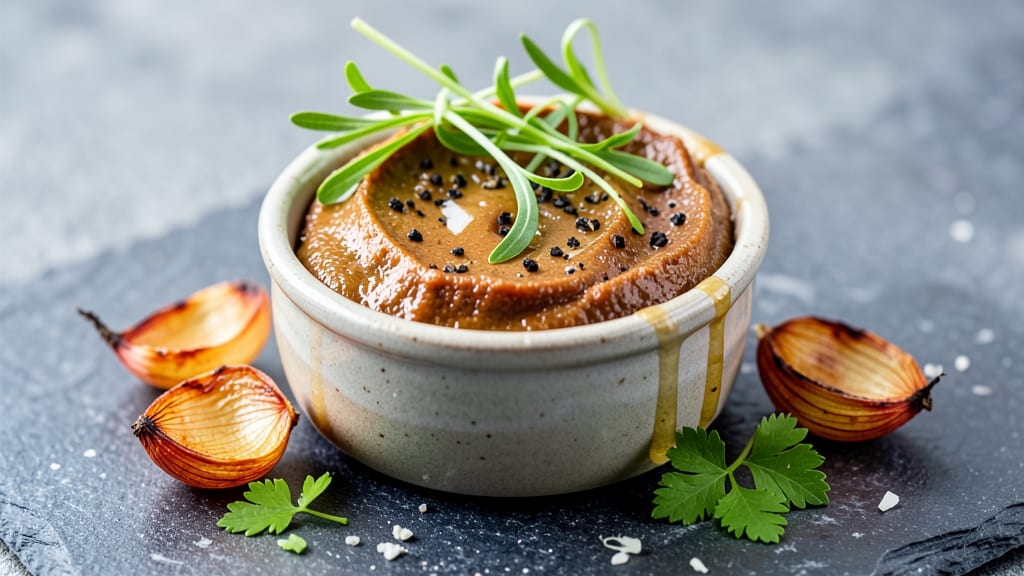
The joy of cooking chicken liver pâté begins with rendering fat from fresh livers, transforming rich, velvety texture into a spread that feels like a luxurious bite. This recipe—rooted in classic French technique—delivers a silky, herb-infused pâté that’s elegant enough for dinner parties but simple enough for weeknight meals.
I first mastered this method during my apprenticeship under Chef Chen, where we learned that patience in rendering fat makes all the difference.
What sets this recipe apart is the balance of earthy liver flavor with bright herbs and a touch of cream, creating depth without overpowering. The process involves carefully rendering fat, blending ingredients until smooth, and then either baking in a terrine or chilling in a mold—both methods yield professional results.
The key? High-quality livers and a slow, controlled approach to avoid bitterness, ensuring every spoonful is rich and harmonious.
By the end, you’ll have a pâté so smooth it melts on toasted baguette slices, its herbal notes shining through with every bite. Serve it with crusty bread, crackers, or even as a filling for crepes—this is the kind of dish that elevates any gathering.
Let’s get started on crafting something truly special.
For those who prefer modern twists, variations like adding smoked paprika or fresh tarragon can take this classic to new heights. The possibilities are endless once you master the foundation. Here’s everything you need to bring this recipe to life.
Ingredients for joy of cooking chicken liver pate
Fresh livers, rich butter, and aromatic herbs transform into velvety pâté with French finesse.
| Ingredient | Amount | Notes |
|---|---|---|
| Chicken Livers 🍗 | 1 lb | Fresh, trimmed of connective tissue |
| Unsalted Butter 🧈 | ½ cup | Cold, cubed for rendering |
| Heavy Cream 🥛 | ½ cup | Full-fat for richness |
| Fresh Parsley 🌿 | ¼ cup | Stems removed, finely chopped |
| Fresh Tarragon 🌿 | ⅛ cup | Finely chopped, optional but recommended |
| Shallots 🧅 | 2 whole | Minced, about 2 tbsp |
| Garlic Cloves 🧄 | 2 cloves | Minced, about 1 tsp |
| Diamond Crystal Kosher Salt 🧂 | ½ tsp | For seasoning, adjust to taste |
| Freshly Ground Black Pepper 🌶️ | ¼ tsp | Coarsely ground |
| Brandy or Cognac 🍷 | 1 tbsp | Optional, for depth |
| Baguette 🥖 | 1 whole | For serving, sliced and toasted |
| Egg Yolks 🥚 | 2 whole | Fresh, for binding |
| Cold Water 💧 | 2 tbsp | For thinning pâté as needed |
The foundation lies in fresh chicken livers—look for bright red, moist ones at your butcher or grocery store’s meat counter. Whole Foods or local specialty markets often carry the best quality, but standard grocery stores work too if you check for freshness. Trim any connective tissue or silver skin before use, as these can impart bitterness. For butter, European-style unsalted (like Plugrá or Kerrygold) renders beautifully, though standard brands work. The key is patience: rendering fat too quickly can cook the livers and ruin the delicate texture. Keep the heat low and steady—this is where the magic happens.
No fresh tarragon? Dried tarragon at half the amount works, though it lacks the bright, anise-like note. Substitute with fresh thyme or chives if needed, but the parsley is non-negotiable—it brightens the earthy liver flavor. For the shallots, red onion in a pinch adds a milder sweetness. Brandy or cognac is optional but recommended for depth; everclear or vodka can substitute if you prefer a neutral spirit. The egg yolks should be ice-cold when added to prevent curdling, and the cold water is your secret weapon for adjusting consistency—add it drop by drop until silky smooth.
This pâté keeps beautifully for 3-4 days in the fridge, sealed tightly in an airtight container. For longer storage, freeze in portions for up to 3 months—thaw overnight in the fridge before serving. The terrine or mold should be lightly oiled before filling to ensure easy release. Serve at room temperature, paired with toasted baguette slices or crusty crackers. Leftovers make excellent crostini toppings or sandwich fillings—just reheat gently in a warm water bath to restore its silky texture.
Why You'll Love This Recipe
- No Fuss, Big Payoff: I swear by this recipe when I’m too tired to fuss—just sear those livers in butter until they’re golden, then blend with cream and herbs. Five minutes of hands-on work, and the rest is just waiting.
- Rich Without Trying: That buttery liver base with heavy cream? It’s the kind of thing that makes you close your eyes. The tarragon and parsley add just enough brightness to cut through the richness—like a hug in spread form.
- Party or Pantry: Slather it on crusty bread for a charcuterie board, dollop it into a poached egg for brunch, or stash it in the fridge for a quick snack. Honestly, I’ve eaten it straight from the jar more times than I’ll admit.
- Budget Luxury: Chicken livers are cheap, but they taste like you spent hours. A pound feeds four, and leftovers keep for days—perfect for when you want to feel fancy without breaking the bank. (Yes, even on a Tuesday night.)
Step-by-step instructions for silky chicken liver pâté
Here's the method for a velvety pâté with perfect herbal balance and rich texture.
Prepare and Sear the Chicken Livers
Pat the 1 lb chicken livers completely dry with paper towels—this ensures they brown properly instead of steaming. Trim away any connective tissue or silver skin using a sharp knife. Cut each liver into ½-inch pieces for even cooking.
Heat a large skillet over medium-high heat and add the 0.5 cup unsalted butter, cubed. Once the butter foams but doesn't brown, add the liver pieces in a single layer. Cook undisturbed for 2-3 minutes until the edges turn golden brown and the centers remain slightly pink. Flip and cook another 2-3 minutes until just done—overcooking makes pâté bitter. Remove livers and set aside, leaving the rendered butter in the pan.
Sauté Aromatics and Deglaze
In the same skillet with the rendered butter, add the 2 whole minced shallots and cook for 2 minutes until translucent. Add the 2 cloves minced garlic and stir for 30 seconds until fragrant—don't let it brown or it'll turn bitter. Pour in the 1 tbsp brandy or cognac and scrape up any browned bits from the bottom with a wooden spoon. Let it simmer for 1 minute until the alcohol smell dissipates.
Stir in the 0.25 cup finely chopped fresh parsley and 0.125 cup finely chopped fresh tarragon. Cook for 1 minute to meld the flavors. Remove from heat and let cool slightly—this prevents scrambling when combined with the egg yolks later.
Process into a Silky Pâté
Transfer the cooked livers and aromatics to a food processor. Add the 2 whole egg yolks and pulse until combined. With the processor running, slowly drizzle in the 0.5 cup heavy cream while scraping down the sides. The mixture should become smooth but still slightly rustic.
For a perfectly smooth texture, add the 2 tbsp cold water 1 tablespoon at a time while processing. Stop when the pâté reaches your desired consistency—it should be thick enough to hold shape but still spreadable. Taste and adjust seasoning with the 0.5 tsp diamond crystal kosher salt and 0.25 tsp freshly ground black pepper.
Chill and Serve
Transfer the pâté to a serving dish and refrigerate for at least 2 hours—this allows flavors to develop and the texture to set properly. When ready to serve, spread on toasted slices of the 1 whole baguette or use as a filling for blinis. The pâté should be silky smooth with vibrant herbal notes and a rich, livery depth.
For best results, serve chilled. The pâté keeps well in the refrigerator for up to 5 days, making it perfect for entertaining or meal prep. Garnish with extra fresh parsley or tarragon if desired.
Pro Tips For Making Joy Of Cooking Chicken Liver Pate
- Soak Livers First: Toss them in cold water for 15 minutes—this removes that metallic taste and makes them tender. I learned this the hard way after serving a batch that tasted like a butcher shop.
- Sear Over High Heat: Get a screaming-hot pan and cook the livers until deeply browned—about 2 minutes per side. Skimp here, and your pâté will taste raw and gamey, no matter how much butter you add.
- Strain the Cream: After simmering, pour the cream through a fine-mesh sieve to remove any stray bits of liver or herbs. Sounds fussy, but it makes the texture silky—trust me, you’ll notice the difference.
- Chill Before Serving: Let the pâté cool completely, then refrigerate for at least 2 hours. Serving it too soon means a greasy, unappetizing mess—patience here guarantees a clean, elegant spread.
Common mistakes when making your joy of cooking chicken liver pate
Overcooking Livers
Chicken livers cook in a flash—once they turn gray, they’re ruined. I’ve seen beginners walk away for just a minute while searing, only to return to a bitter, rubbery mess.
Keep your heat at medium-high and cook the ½-inch pieces for exactly 2-3 minutes per side. The centers should stay slightly pink—this is your cue they’re done. 🔥
Skipping Fat Rendering
That golden butter rendered from the livers isn’t just flavor—it’s the soul of your pâté. If you drain it, you’re draining richness. I learned this the hard way during my apprenticeship when I accidentally poured out the butter, leaving me with a dry, flavorless spread.
Always cook the livers in their own rendered fat and use it in your aromatics step.
Rushing the Chill Time
Pâté needs time to set properly—at least 2 hours in the fridge. I once served a pâté after just 30 minutes because I was impatient, and it was still too soft and greasy.
The flavors also need time to meld. Plan ahead and let it chill overnight if possible—trust me, it’s worth the wait.
Ignoring Water Temperature
Adding cold water to your pâté is key for that silky texture, but the water itself must be ice-cold. Room-temperature water causes the fat to separate, leaving you with a broken emulsion.
Fill a glass with ice water and add just 2 tbsp at a time while processing. This keeps everything smooth and cohesive.
Using Dried Herbs Directly
Fresh herbs are non-negotiable here—they bring brightness that dried herbs can’t match. That said, if you must use dried, reduce the amount by half and rehydrate them in warm water for 5 minutes before adding.
I’ve seen pâtés with just dried parsley turn out flat and dull. Fresh tarragon, in particular, adds that anise-like lift that makes this dish special.
Overmixing in Processor
Once your pâté reaches the right consistency, stop processing immediately. Overmixing incorporates too much air, which can make it grainy. I’ve had to start over more times than I’d like to admit because I kept pulsing after the mixture was smooth.
Aim for 30-45 seconds of total processing time once the cream is added—just enough to blend, not emulsify like mayo.
Nutrition facts
Frequently asked questions
Can I substitute duck or pork livers for chicken livers?
Chicken livers are the most tender option, but duck or pork livers work too—just adjust cooking times. Duck livers need 1-2 minutes per side (they're darker and richer), while pork livers require 2-3 minutes per side like chicken. The pâté will have deeper umami notes, but the technique remains identical.
How do I fix pâté that's too thick or too thin?
For thick pâté, add 1 tbsp cold water at a time while processing until smooth. If too thin, chill it for 30 minutes to firm up naturally. Never add more cream—it'll break the emulsion. The goal is velvety, not runny.
What's the best way to store leftover pâté?
Transfer to an airtight container and refrigerate for up to 5 days. For longer storage, freeze in portions for 3 months. Thaw overnight in the fridge—never microwave. Reheat gently in a warm water bath to restore texture.
Can I make this pâté without a food processor?
Yes! Use a mortar and pestle for the aromatics, then mash the livers and yolks with a fork. Whisk in cream by hand until smooth, adding cold water gradually. The texture will be slightly rustic but still delicious. Perfect for small batches or when appliances aren't available.
What are the best serving suggestions beyond bread?
Try it as a filling for crepes, stuffed into blinis, or spread on toasted crostini. For a modern twist, layer with caramelized onions or serve with pickled vegetables. The pâté also elevates deviled eggs or works as a rich dip for crispy fries.