
Main Courses
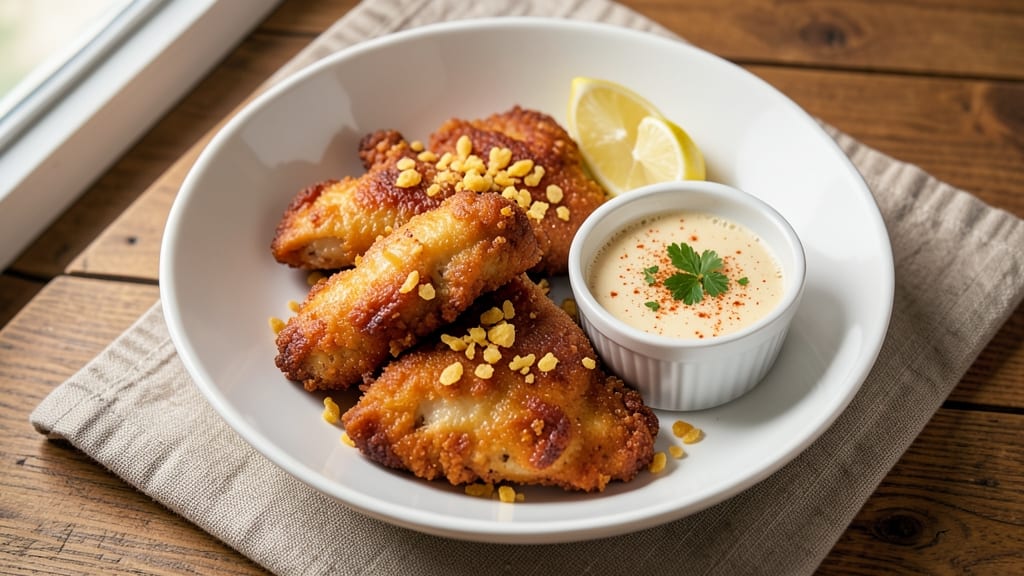
Recreating KFC-style chicken tenders at home delivers that signature crispy exterior and juicy interior that’s been missing from my kitchen since childhood. The secret lies in the marinade—tenderizing the chicken while infusing it with the signature blend of herbs and spices that makes these tenders undeniably recognizable.
I’ve perfected this recipe over years of trial and error, ensuring every bite matches the golden, crunchy texture and savory depth of the original.
What sets these tenders apart is the double-dredging technique: first in seasoned flour, then in a light cornstarch coating before frying. This creates that shatteringly crispy crust while keeping the meat tender and moist inside.
The frying process is critical—maintaining the right oil temperature (350°F) ensures even cooking without soggy centers or burnt edges. Trust me, this method works every time, even for beginners.
By the time you’re done, you’ll have a plate of golden-brown tenders that are impossible to resist—crispy enough to stand up to dipping sauces like honey mustard or ranch, yet tender enough to melt in your mouth.
The aroma alone will have everyone gathering around the table, and the first bite will silence any skepticism. This is the kind of recipe that transforms weeknight dinners into something special.
Serve these tenders with classic sides like fries, coleslaw, or a side salad to complete the experience. The beauty of this recipe is its versatility—perfect for family dinners, game day, or even a nostalgic treat for picky eaters. Let’s get started on making these legendary tenders at home.
Ingredients for kfc chicken tenders
Pantry staples plus a few key ingredients for that iconic KFC crunch and juiciness.
| Ingredient | Amount | Notes |
|---|---|---|
| Boneless, Skinless Chicken Breast 🍗 | 1 ½ lb | Pounded to 1/4-inch thickness |
| All-Purpose Flour 🌾 | 1 cup | For dredging, sifted |
| Cornstarch 🌾 | ½ cup | Light coating for crispiness |
| Extra-Virgin Olive Oil 🫒 | ½ cup | For marinade and frying |
| Buttermilk 🥛 | 1 cup | Full-fat for tenderness |
| Salt 🧂 | 1 ½ tsp | Kosher or sea salt |
| Black Pepper 🌶️ | ½ tsp | Freshly ground preferred |
| Garlic Powder 🧄 | 1 tsp | For savory depth |
| Onion Powder 🧅 | 1 tsp | For aromatic base |
| Paprika 🌶️ | 1 tsp | Smoked for KFC-style flavor |
| Dried Thyme 🍃 | ½ tsp | For earthy undertones |
| Vegetable Oil 🫒 | 4 cups | High smoke point for frying |
| Lemon Juice 🍋 | 1 tbsp | Brightens marinade |
The chicken breast is your canvas here—boneless, skinless cuts work best, but avoid anything too fatty. Pound them to an even 1/4-inch thickness so they cook through without drying out. Trader Joe's and Costco often have the best prices on boneless breasts. Look for cuts that are bright pink, not grayish—freshness matters. The buttermilk is non-negotiable; it tenderizes the meat while adding that signature tang. If you're short on time, substitute milk with 1 tsp vinegar (apple cider works great), but buttermilk gives the best results.
No cornstarch? Arrowroot powder or extra flour works in a pinch, but cornstarch is what gives those tenders that signature shatter. The smoked paprika is key for that KFC vibe—Penzeys or McCormick have great options. Fresh thyme is ideal, but dried at half the amount gets you close. For the oil, vegetable or canola is best—high smoke point, neutral flavor. Keep a thermometer handy; maintaining 350°F is critical. Too hot and they burn; too cool and they turn greasy. And trust me, double-dredging is worth it—that extra cornstarch layer makes all the difference.
These tenders are best served immediately, but if you need to hold them, keep them warm in a 200°F oven on a wire rack (so they stay crispy). They reheat beautifully in the oven for 5-10 minutes. Store leftovers in the fridge for up to 3 days, but honestly, they won’t last that long. For freezing, fry them fresh, let them cool completely, then store in a single layer before bagging. They’ll keep for 2 months—perfect for game day or lazy weekends. Just reheat in a 375°F oven for 10 minutes to restore that crisp.
Why You'll Love This Recipe
- No-Fuss Marination: The buttermilk soak does all the work—just slice, dip, and let it sit while you prep the rest. Honestly, I’ve left it in the fridge overnight and the chicken still comes out tender as can be.
- Crispy-Creamy Magic: That cornstarch flour blend? It’s the secret weapon for the perfect texture—crunchy outside, juicy inside. I’ll be real: my kids don’t even notice it’s not from the bucket.
- Game for Any Meal: Toss them in a lunchbox, serve with fries for dinner, or pile them high for game day. Between us, I’ve made these for date night (yes, even on a Tuesday) and they never let me down.
- Budget Bulk Bargain: A single chicken breast stretches into dozens of tenders, and the pantry staples won’t break the bank. I freeze half the batch—perfect for lazy days when takeout’s too tempting.
Step-by-step instructions for KFC-style chicken tenders
Here's how to make restaurant-quality tenders at home—crispy outside, juicy inside, every time.
Pound and Marinate the Chicken
Place the 1.5 lb boneless, skinless chicken breast between two sheets of plastic wrap. Using a meat mallet, pound it evenly to ¼-inch thickness. This ensures even cooking and prevents dry spots. Real talk: don't skip this—thick pieces won't cook through properly.
In a bowl, whisk together the 1 cup buttermilk, 1 tbsp lemon juice, 1.5 tsp salt, 0.5 tsp black pepper, 1 tsp garlic powder, 1 tsp onion powder, 1 tsp paprika, and 0.5 tsp dried thyme. Add the pounded chicken and 0.5 cup extra-virgin olive oil, turning to coat completely. Cover and refrigerate for at least 2 hours (overnight works best). The acid in the buttermilk tenderizes the chicken while the oil keeps it moist.
Set Up the Breading Station
In a shallow bowl, combine the 1 cup all-purpose flour and 0.5 cup cornstarch. This mix is key—flour adds structure while cornstarch creates that signature crispiness. I like to whisk them together to break up any flour lumps, but don't overmix or you'll develop gluten and lose tenderness.
Set up three bowls: one with the flour-cornstarch mix, one with the buttermilk marinade (discard any leftover), and a third empty bowl for drained chicken. Work quickly once you start frying—wet chicken makes breading stick unevenly.
Dredge and Fry to Golden Perfection
Heat 4 cups vegetable oil in a deep skillet to 350°F—use a thermometer for accuracy. Too hot and the outside burns before the inside cooks; too cool and the breading gets soggy. Let the oil shimmer but not smoke when you're ready.
Remove chicken from the marinade, letting excess drip off, then dredge in the flour-cornstarch mix, pressing gently to adhere. Shake off excess and fry in batches (don't overcrowd) for 3-4 minutes per side until deep golden brown. You'll see tiny bubbles form around the edges—that's your signal. Drain on a wire rack over paper towels to keep them crispy.
Keep Them Crispy While Serving
Transfer fried tenders to a 200°F oven for 5-10 minutes to maintain heat. This is crucial—they'll stay crispy while you finish sides. If you skip this, they'll turn greasy and limp. Serve immediately with your favorite dipping sauce.
For extra crispiness, I like to sprinkle with a pinch of salt right after frying while they're still hot. The tenders should have a crunchy exterior that gives way to juicy, tender meat inside. Cut into strips and watch them disappear—this is the moment that matters.
Pro Tips For Making Kfc Chicken Tenders
- Pound Chicken Thin: Chicken breasts vary in thickness, and uneven cooking is the fastest way to ruin a batch. Use a rolling pin or meat mallet to flatten them to ¼-inch thickness—this ensures they cook through without drying out, just like KFC’s signature tender bite.
- Mix Cornstarch Last: I used to add cornstarch to the flour mix early, but it clumps like crazy. Instead, toss the flour and cornstarch together first, then stir in the buttermilk right before dredging—this keeps the coating light and crispy, not gummy.
- Fry in Batches: Overcrowding the oil lowers the temperature, and soggy tenders are the result. Fry no more than 4 pieces at a time in 350°F oil—give them space to sizzle freely, or you’ll end up with a greasy mess instead of golden crust.
- Double-Dip for Crust: Skip the single dip, and you’ll miss out on that extra-crispy texture. Dip the chicken in buttermilk, let it sit 30 seconds, then dredge in flour, dip again, and coat heavily—this locks in moisture and builds that signature double-layer crust.
Troubleshooting this recipe
Oil Temperature Troubles
If your tenders turn greasy instead of crispy, your oil temperature is likely too low. Invest in a candy or deep-fry thermometer—I use the Thermoworks Thermapen—to maintain a precise 350°F.
If the oil smokes excessively, it's too hot and will burn the breading before the chicken cooks through. Let the oil return to temperature between batches, and never overcrowd the pan. 🌡️
Soggy Breading Fix
Soggy breading usually means one of two things: oil too cool or chicken too wet. First, double-check your oil temperature—it should be 350°F consistently. Second, pat your chicken very dry before dredging.
Use paper towels to absorb excess moisture, and let the chicken sit in the marinade for no more than 4 hours (longer marinating draws out too much moisture).
Uneven Cooking Issues
If some pieces are undercooked while others burn, your chicken thickness is inconsistent. Pound all pieces to an exact ¼-inch thickness using a rolling pin or meat mallet.
Weighing your chicken before pounding helps—1.5 lbs should yield about 6-8 tenders. For extra insurance, cut thicker pieces in half before breading. ⚡
Breading Not Sticking
Cold chicken causes breading to fall off. Let your marinated chicken sit at room temperature for 10-15 minutes before dredging. Also, make sure your flour-cornstarch mix is light and airy—whisk it vigorously to avoid dense clumps.
For extra adhesion, dip each piece in the buttermilk marinade again after the first dredge, then back into the flour mix. This double-dip creates that signature KFC crunch.
Dry Chicken Solutions
Overcooking or using chicken that's too lean causes dryness. For best results, use boneless, skinless chicken thighs (they're more forgiving than breasts) or add ½ cup chicken broth to your marinade.
Never fry for more than 3-4 minutes per side—use an instant-read thermometer to check for 165°F internal temperature. If you're short on time, brining the chicken in ¼ cup salt + 4 cups water for 30 minutes before marinating adds extra moisture.
Frying Safety Tips
Hot oil is dangerous—always fry near a fire extinguisher and never leave the stove unattended. For extra safety, use a deep-fat fryer thermometer with an auto-shutoff feature. If oil catches fire, cover the pan with a metal lid to smother flames—never use water.
Keep a bowl of ice water nearby to quickly cool fried tenders if needed, and always let oil cool completely before storing. 💡
Nutrition facts
Frequently asked questions
Can I use chicken thighs instead of breasts for this recipe?
Chicken thighs are more forgiving and stay juicier, especially when pounded to ¼-inch thickness. They also have more natural fat, which enhances flavor. Just reduce frying time to 2-3 minutes per side since thighs cook faster than breasts. For best results, trim excess fat first.
How do I keep the tenders crispy after frying?
Transfer fried tenders to a 200°F oven for 5-10 minutes on a wire rack to maintain crispiness while you finish sides. Never stack them—this traps steam and makes them soggy. For extra crunch, sprinkle with a pinch of salt right after frying while still hot.
What's the secret to that perfect KFC crunch?
The double-dredging technique is key: first in buttermilk marinade, then in the flour-cornstarch mix. The cornstarch creates that signature shatter, while the flour provides structure. Keep your oil at 350°F and fry in small batches to avoid temperature drops. Patience here makes all the difference!
Can I bake these instead of frying?
Yes, but texture will differ. Preheat oven to 425°F and bake for 15-20 minutes, flipping halfway. For crispiness, brush with 1 tbsp oil before baking. They'll be less crispy than fried but still delicious. Air fryers work too—cook at 375°F for 12 minutes, shaking halfway.
Why did my breading fall off?
Cold chicken or wet breading causes this. Let marinated chicken sit at room temperature for 10-15 minutes before dredging, and pat pieces very dry. Also, ensure your flour-cornstarch mix is light and fluffy—whisk vigorously to avoid clumps. A quick double-dip (buttermilk → flour → buttermilk → flour) adds extra adhesion.