
Side Dishes
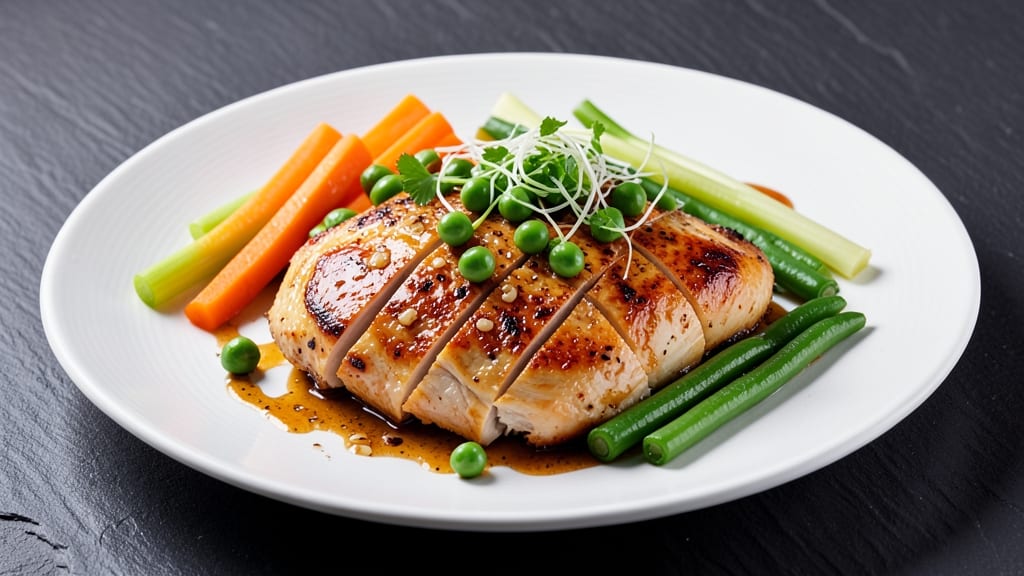
Transforming a simple Knorr Chicken and Garden Vegetables recipe into a one-pot meal prep masterpiece starts with balancing the seasoning mix just right. This dish delivers restaurant-quality flavor with minimal effort—perfect for busy weeknights when you need nourishing meals without the fuss.
The secret lies in using fresh vegetables alongside the Knorr blend, which adds depth while keeping the process straightforward and foolproof.
The beauty of this recipe is its versatility—it works as a standalone meal or pairs effortlessly with rice or bread. You’ll achieve tender chicken and vibrant vegetables in under 30 minutes, thanks to a simple boiling-and-simmering technique that locks in flavor.
The Knorr seasoning mix handles the base seasoning, but adding herbs like thyme or bay leaves elevates it to a whole new level of homemade quality.
What you’ll end up with is a hearty, aromatic dish where the chicken stays juicy and the vegetables retain their natural texture. The broth reduces into a savory sauce that coats every bite, making it impossible to resist.
This is the kind of meal that tastes even better the next day, making it ideal for meal prep and leftovers.
Whether you’re feeding a family or prepping for the week, this recipe delivers professional results with grocery-store ingredients. Let’s get started—your one-pot dinner solution is just a few steps away.
Ingredients for knorr chicken and garden vegetables
Pantry staples meet fresh produce for this effortless one-pot chicken masterpiece.
| Ingredient | Amount | Notes |
|---|---|---|
| Boneless, Skinless Chicken Breast 🍗 | 1 ½ lb | Cut into bite-sized pieces |
| Knorr Chicken and Garden Vegetables Seasoning Mix 🧂 | 2 tbsp | Original blend preferred |
| Fresh Carrots 🥕 | 1 lb | Cut into 1-inch chunks |
| Fresh Celery 🧅 | 2 cups | Chopped into 1-inch pieces |
| Fresh Green Beans 🌱 | 1 lb | Trimmed and cut into 2-inch lengths |
| Fresh Peas 🌿 | 1 cup | Frozen works perfectly |
| Yellow Onion 🧅 | 1 whole | Diced into 1/4-inch pieces |
| Garlic Cloves 🧄 | 4 cloves | Minced for aromatic depth |
| Fresh Thyme Sprigs 🌿 | 2 whole | Leaves stripped from stems |
| Bay Leaves 🌿 | 2 whole | For subtle earthy flavor |
| Extra-Virgin Olive Oil 🫒 | 1 tbsp | For sautéing aromatics |
| Chicken Broth 💧 | 2 cups | Low-sodium preferred |
| Water 💧 | 2 cups | For simmering vegetables |
| Diamond Crystal Kosher Salt 🧂 | ½ tsp | For seasoning to taste |
| Fresh Lemon Juice 🍋 | 1 tbsp | Brightens final flavor |
The Knorr seasoning mix forms the flavor foundation, but fresh herbs elevate it significantly. Whole Foods or local markets often carry superior-quality thyme and bay leaves—look for vibrant, fragrant sprigs. For celery, organic varieties from the grocery store's produce section work best, but avoid wilted stalks. The carrots should be firm and crisp; organic or conventional both work equally well when fresh. Chicken breast quality matters here—premium cuts from the butcher section yield better texture than store-brand options. Pre-cut vegetables save time, but whole vegetables hold up better during storage and cooking.
Substitutions are flexible when maintaining balance. Fresh parsley can replace thyme at equal amounts, though it lacks the same earthy depth. No bay leaves? Oregano at half the quantity provides a similar aromatic profile. Swap green beans for asparagus or broccoli florets, adjusting cook time accordingly. The peas can be omitted entirely if unavailable—simply reduce the broth by half to maintain liquid balance. For a deeper flavor, mushroom broth can replace chicken broth, though the dish will take on a more umami character. Always ensure your vegetables are uniformly chopped to promote even cooking throughout the one-pot process.
This dish reheats beautifully, maintaining its savory sauce and tender chicken. Store leftovers in an airtight container for up to 4 days in the refrigerator, or freeze for 3 months in portion-sized containers. The vegetables will soften further upon reheating, so consider adding a splash of water or broth when warming. For meal prep, double the recipe and freeze individual portions—simply thaw and reheat for convenient weeknight meals. The dish tastes even better the next day as flavors meld, making it ideal for batch cooking.
Why You'll Love This Recipe
- Five-Ingredient Magic: I swear by this recipe when I’m too tired to think. Just chicken, a few veggies, and that Knorr seasoning mix—no fancy prep, no measuring headaches. The mix does all the heavy lifting, so I’m left with a meal that tastes like it took hours.
- Crispy-Tender Perfection: That seasoning? It’s the secret weapon—herbs, garlic, and just enough salt to make the chicken stay juicy while the edges get that golden, slightly crispy finish. The carrots and celery soften just enough to melt in your mouth, but the green beans stay bright and snappy. Honestly, it’s the kind of balance that makes me want to eat it straight from the pan.
- Lunchbox Hero: Between us, this is my go-to for meal prep. Cook a big batch on Sunday, portion it into containers, and you’ve got lunch sorted for the week. The flavors actually improve the next day—yes, even on a Tuesday night—because the chicken gets more tender and the veggies soak up all the goodness.
- Budget Meal, Big Payoff: I buy chicken breasts in bulk, and the Knorr mix stretches a long way. Fresh carrots, celery, and green beans are cheap staples, so this feeds four for under $10. It’s the kind of recipe that makes me feel like I’m treating my family without breaking the bank—or my willpower.
Step-by-step instructions for Knorr chicken and garden vegetables
A simple, efficient one-pot method that delivers restaurant-quality flavor with minimal cleanup.
Sauté Aromatics and Brown Chicken
Heat the 1 tablespoon extra-virgin olive oil in a large, deep skillet or Dutch oven over medium-high heat until shimmering. Add the 1 whole yellow onion and 4 cloves garlic cloves, cooking for 3-4 minutes until the onion softens and the garlic becomes fragrant but doesn't brown.
Push the aromatics to one side of the pan and add the 1.5 lb boneless, skinless chicken breast cut into bite-sized pieces. Cook undisturbed for 4-5 minutes until the chicken develops a light golden crust on all sides. This initial searing locks in juices and builds foundational flavor. Stir occasionally to ensure even browning, but avoid overcrowding the pan.
Add Vegetables and Seasoning
Return the sautéed aromatics to the pan and add the 1 lb fresh carrots, 2 cups fresh celery, 1 lb fresh green beans, 1 cup fresh peas, 2 whole fresh thyme sprigs, and 2 whole bay leaves. Stir to combine, ensuring the vegetables are evenly distributed in the pan.
Sprinkle the 2 tablespoons Knorr Chicken and Garden Vegetables Seasoning Mix evenly over the chicken and vegetables. Stir once more to coat everything uniformly. The seasoning blend will infuse the vegetables with its savory, herby notes while complementing the chicken's natural flavor. Let the mixture cook for 2-3 minutes to allow the seasoning to bloom and the vegetables to begin softening slightly.
Simmer in Liquid
Pour in the 2 cups chicken broth and 2 cups water, then add the 0.5 teaspoon Diamond Crystal kosher salt. Stir gently to combine, ensuring the liquid covers about two-thirds of the ingredients. Bring the mixture to a gentle simmer over medium heat, then reduce the heat to low to maintain a steady, rolling simmer.
Partially cover the skillet with a lid and let it simmer for 20-25 minutes, stirring occasionally. The vegetables should soften to a tender yet crisp texture, and the chicken should reach an internal temperature of 165°F. If the liquid reduces too quickly, add 1-2 tablespoons water as needed to prevent drying out. The goal is a balanced consistency where the vegetables are cooked through but retain their natural texture.
Finish and Brighten
Once the chicken is fully cooked and the vegetables are tender, remove the skillet from heat. Stir in the 1 tablespoon fresh lemon juice, which brightens the flavors and cuts through any richness. The acidity also enhances the natural sweetness of the carrots and peas, creating a well-rounded dish.
Taste and adjust seasoning if needed, adding a pinch more salt or a splash of lemon juice if desired. Let the one-pot dish rest for 2-3 minutes before serving, allowing the flavors to meld and the juices to redistribute. This step ensures every bite is cohesive and flavorful.
Pro Tips For Making Knorr Chicken And Garden Vegetables
- Trim the Chicken Properly: Cut those chicken breasts into 1-inch chunks before seasoning—thicker pieces stay dry while thinner ones cook unevenly. I learned this the hard way when my first batch turned out rubbery on the outside and raw inside.
- Prep Veggies Uniformly: Slice carrots into ½-inch rounds, celery into ½-inch pieces, and trim green beans to the same length—this ensures everything cooks at the same pace. Uneven sizes mean some veggies turn mushy while others stay crunchy.
- Don’t Crowd the Pan: Cook the chicken in batches if needed—overcrowding steams the meat instead of searing it, and the seasoning mix won’t stick properly. A slightly charred crust is what makes this dish taste homemade.
- Deglaze After Browning: After searing the chicken, splash in ¼ cup water or broth and scrape up those browned bits—this adds depth to the sauce. Skipping this step leaves you with a flat-tasting mix instead of a rich, flavorful one.
Storing and reheating this knorr chicken and garden vegetables
Refrigerator Storage
Store leftovers in an airtight glass container with a tight-sealing lid to preserve freshness. This dish stays flavorful for up to 4 days in the fridge, with the vegetables softening slightly but maintaining their vibrant taste.
I always let it cool completely before storing to prevent condensation, which can make the chicken soggy. 💫
Freezer Prep Tips
For longer storage, freeze portions in single-serving glass containers or heavy-duty freezer bags. Leave ½-inch headspace for expansion and label with the date—this meal keeps quality for 3 months. Thaw overnight in the fridge for even reheating, or use the microwave's defrost setting for quicker prep.
Stovetop Reheating
My preferred method is stovetop reheating to maintain texture. Transfer the dish to a skillet over medium-low heat and add 2-3 tablespoons water or broth to prevent drying.
Cover and heat for 5-7 minutes, stirring occasionally, until everything reaches 165°F. The sauce will thicken beautifully, restoring that restaurant-quality consistency. 🔥
Microwave Method
For quick reheating, cover the dish with a microwave-safe lid or damp paper towel. Heat on medium power (70%) for 2-3 minutes, then stir and continue in 30-second intervals until hot.
Add a splash of water if the vegetables look dry—they'll absorb moisture and soften evenly. This method takes about 4-5 minutes total.
Leftovers Enhancement
Use reheated leftovers as a filling for wraps or sandwiches with crusty bread. The tender chicken and vegetables pair perfectly with a dollop of Greek yogurt or sour cream for added creaminess. For extra flavor, sprinkle with fresh parsley or a crack of black pepper before serving. 💡
Meal Prep Strategy
Double the recipe and store components separately for flexible meal prep. Keep the chicken and vegetables in one container, and store the broth separately to reheat fresh.
This approach lets you customize portions—add rice or quinoa when serving, or use the broth as a base for soups later in the week. The Knorr seasoning mix keeps flavors consistent even after reheating. ✨
Nutrition facts
Frequently asked questions
Can I use frozen vegetables instead of fresh?
Frozen peas and green beans work perfectly—they're pre-cut and convenient. Just avoid thawing them first, as adding frozen veggies directly maintains texture better. For carrots and celery, fresh is ideal, but frozen will work if you add 2-3 extra minutes to the simmering time. The Knorr seasoning mix will still infuse flavor beautifully.
How can I make this dish creamier?
Stir in ¼ cup heavy cream or ½ cup Greek yogurt during the last 5 minutes of cooking for richness. Alternatively, add 1 tablespoon butter at the end and toss to coat. The lemon juice will still brighten the dish while balancing any added creaminess. For a lighter option, use coconut milk.
What if my chicken turns out dry?
Overcooking is the usual culprit—chicken should reach 165°F but not simmer too long. To fix it, add ¼ cup broth or water and cover for 2-3 minutes off heat. For next time, cook chicken separately for 5 minutes before adding vegetables, then combine with the simmered veggie mix at the end.
Can I substitute the Knorr seasoning?
Yes! Mix 1 tbsp chicken bouillon powder, ½ tsp dried thyme, ½ tsp dried parsley, and ¼ tsp black pepper for a similar profile. For extra depth, add ½ tsp smoked paprika. The Knorr blend is convenient, but homemade versions let you adjust salt levels to taste.
Is this dish kid-friendly?
Absolutely—it's mild, flavorful, and packed with veggies! For picky eaters, serve the chicken and peas separately from the carrots and celery. The Knorr seasoning is gentle enough for children (check for allergies first), and you can reduce the lemon juice to ½ tablespoon if preferred.