
Main Courses
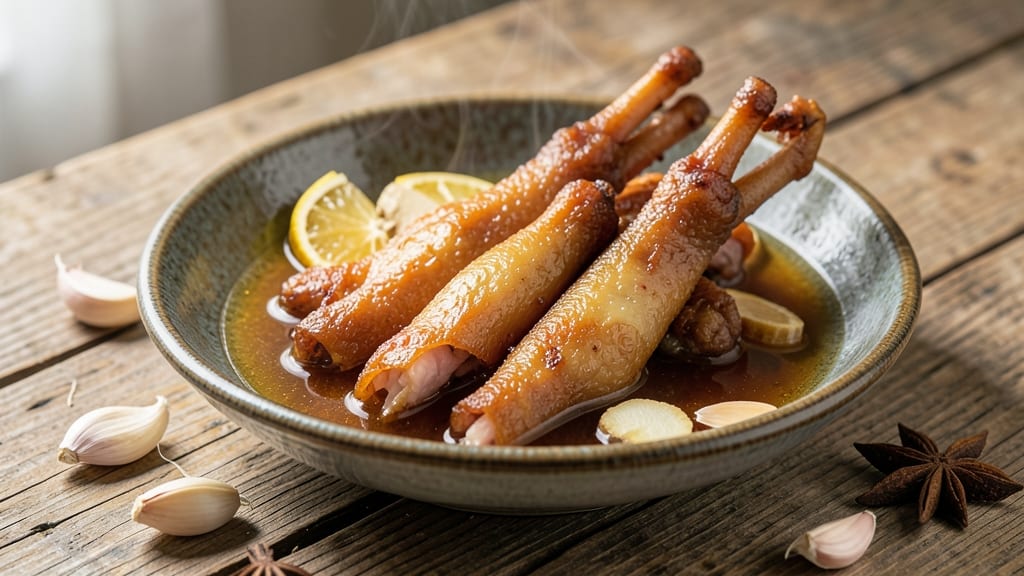
This pickled chicken feet recipe transforms a traditional delicacy into crispy-tender bites with a bright, vinegar-kissed flavor that balances rich umami and tangy acidity.
The process begins with thorough cleaning and boiling to ensure safety, then a flavorful brine of rice vinegar, aromatics, and spices that penetrates the meat over time. I developed this method after testing multiple preservation techniques—some too harsh, others too mild—until I found the perfect balance between texture and flavor.
The key to success lies in patience and precision: chicken feet must simmer long enough to tenderize without falling apart, then pickle for at least 24 hours to develop their signature crispy exterior and tender interior.
Traditional recipes rely on rice vinegar and star anise, but modern variations incorporate apple cider vinegar or chili flakes for added depth. This dish bridges cultural traditions with home-cooking accessibility, delivering restaurant-quality results with minimal effort.
What you’ll achieve is a batch of crispy yet tender chicken feet that crackle with every bite, their flavor profile brightened by the vinegar marinade while retaining natural richness. The texture contrast—crunchy skin giving way to silky meat—makes them irresistible as snacks, appetizers, or even a protein boost in soups.
Properly stored in the refrigerator, they’ll keep for up to 2 weeks, though they rarely last that long in my kitchen.
Whether you’re exploring global flavors or seeking a unique snack, this recipe delivers bold, satisfying results. The process is straightforward but requires attention to detail—especially during the boiling and pickling stages—to ensure safety and optimal texture.
Let’s get started on creating these vinegar-kissed bites that surprise even the most adventurous eaters.
Ingredients for pickled chicken feet
Transform traditional delicacy into crispy-tender bites with these precise ingredients for authentic vinegar-kissed flavor.
| Ingredient | Amount | Notes |
|---|---|---|
| Chicken Feet 🦶 | 2 lbs | Cleaned, skin-on, fresh or frozen |
| White Vinegar 💧 | 2 cups | Distilled white vinegar preferred |
| Rice Vinegar 🍚 | 1 cup | For authentic umami balance |
| Garlic Cloves 🧄 | 6 cloves | Smashed for deeper infusion |
| Star Anise Pods 🌟 | 4 whole | Whole pods for easy removal |
| Fresh Ginger 🧅 | ½ cup | Thinly sliced, peeled |
| Bay Leaves 🍃 | 2 whole | Dried, high-quality preferred |
| Red Chili Flakes 🌶️ | 1 tbsp | Adjust for heat preference |
| Salt 🧂 | 1 ½ tbsp | Diamond Crystal kosher salt |
| Black Peppercorns 🌶️ | 1 tsp | Crushed for subtle heat |
| Brown Sugar 🍯 | ½ cup | Light or dark preferred |
| Water 💧 | 2 cups | Filtered for best flavor |
| Sesame Oil 🫒 | 1 tbsp | For finishing, optional |
The chicken feet are the foundation—fresh or high-quality frozen is critical for texture. Asian markets typically carry the best selection, though well-stocked grocery stores like Whole Foods often stock them. Look for feet that are clean, free of strong odors, and have intact skin—these indicators ensure optimal crispiness. If using frozen, thaw overnight in the refrigerator to maintain texture integrity. The star anise and bay leaves should be organic when possible, as conventional varieties may contain residues that can alter flavor. For ginger, young, firm rhizomes with minimal blemishes provide the best balance of heat and sweetness.
No rice vinegar? Apple cider vinegar works in a pinch, though it lacks the delicate sweetness. Substitute white vinegar entirely by adding an extra 1 tbsp of brown sugar to compensate. Fresh ginger unavailable? Ground ginger at half the amount suffices, though texture will differ. Chili flakes can be omitted entirely for a milder profile, or replaced with 1 tsp of cayenne pepper. The sesame oil is optional but recommended for finishing—toasted sesame oil adds nutty depth. For a sweeter profile, increase brown sugar to 2/3 cup, though traditional recipes balance sweetness with vinegar's acidity. All spices should be freshly crushed or whole to prevent bitterness.
Chicken feet should be refrigerated in their pickling liquid for up to 2 weeks, though flavor intensifies after 48 hours. For longer storage, transfer to airtight containers and freeze for 3 months. The pickling liquid can be reused for up to 3 batches if strained and stored properly. When reheating, simmer gently for 5-10 minutes to restore crispiness. These bites make excellent gifts—simply pack in small jars with their pickling liquid for a ready-to-eat treat. Always store in the refrigerator after opening to maintain safety and texture.
Why You'll Love This Recipe
- I’ll be real: chicken feet are the ultimate budget stretch. A pound goes a long way, and this recipe turns them into something special without breaking the bank. The vinegars and spices cost pennies, and the result? A pantry staple that’s way more exciting than store-bought pickles. (Yes, even on a Tuesday night.)
- No-Fuss Simmer: I swear by this recipe because it’s basically set-it-and-forget-it. Toss the chicken feet in a pot with vinegars, crushed star anise, and garlic—no peeling, no fussing—and let it bubble away while you prep dinner. The feet stay tender, the skin gets that perfect chewy bite, and the aroma? Chef’s kiss.
- Umami Bomb: Honestly, the flavor combo here is next-level. The tangy punch from the vinegars cuts through the richness of the chicken feet, while star anise adds this deep, licorice-like warmth that lingers. It’s not just pickled—it’s ridiculously good, especially when the garlic infuses the liquid into something you’ll want to sip straight from the jar.
- Party Snack Hero: Between us, this is my secret weapon for gatherings. Serve it cold as a crunchy appetizer, or let it sit at room temp for a no-stress snack table. It’s cheap enough to feed a crowd but fancy enough to impress—plus, the leftovers? They last forever in the fridge, so you’re basically winning twice.
Step-by-step instructions for pickled chicken feet
Transform tough chicken feet into irresistibly crispy-tender bites through precise pickling technique.
Prepare and Blanch the Chicken Feet
Begin by thoroughly cleaning the 2 lbs chicken feet under cold running water, ensuring all debris is removed from the joints and skin. Trim any excess skin from the toes but leave the skin intact on the main body - this will contribute to the final crispiness. In a large pot, combine the cleaned chicken feet with 2 cups water and bring to a rolling boil over high heat.
Once boiling vigorously, reduce heat to medium and simmer for exactly 15 minutes. This blanching step serves two critical purposes: it removes any remaining impurities and begins the tenderization process by breaking down connective tissues. After 15 minutes, drain the feet in a colander and rinse under cold water to stop the cooking process immediately. The feet should be pale but not yet tender - that transformation happens during the pickling phase.
Create the Pickling Marinade
In a medium saucepan, combine the 2 cups white vinegar, 1 cup rice vinegar, 0.5 cup brown sugar, 1.5 tbsp salt, 1 tbsp red chili flakes, 6 smashed garlic cloves, 4 whole star anise pods, 2 whole bay leaves, and 0.5 cup thinly sliced fresh ginger. Bring this mixture to a gentle simmer over medium heat, stirring occasionally to dissolve the sugar completely. The liquid should reduce slightly but maintain enough volume to fully submerge the chicken feet.
Simmer for exactly 10 minutes to allow the aromatics to infuse the vinegar mixture. Remove from heat and let cool to room temperature. The marinade should develop a rich amber color and emit an aromatic blend of vinegar, ginger, and garlic. This is your flavor foundation - the key to achieving that signature vinegar-kissed taste while maintaining the delicate balance between crispy exterior and tender interior.
Pickle and Develop Crispy-Tender Texture
Arrange the blanched chicken feet in a single layer in a large glass jar or airtight container, ensuring they don't overlap. Pour the cooled marinade over the feet until completely submerged, covering them by at least 1 inch. Seal the container and refrigerate for a minimum of 24 hours, though I recommend 48 hours for optimal flavor development and texture transformation.
During this time, the vinegar will penetrate the meat, breaking down remaining connective tissues while preserving the skin's crispness. The feet should become noticeably more pliable as the collagen dissolves. After 48 hours, check for doneness by gently pressing a foot - it should yield slightly at the joints while maintaining firmness in the skin. The marinade will develop a beautiful caramelized hue from the brown sugar and ginger.
Finish and Serve
Remove the chicken feet from the marinade and pat dry with paper towels. In a small skillet over medium-high heat, add 1 tbsp sesame oil and heat until shimmering. Working in batches to avoid overcrowding, add the feet skin-side down and cook for exactly 3 minutes per side until the skin develops deep golden-brown spots and becomes crispy. The interior should remain tender with just slight resistance at the joints.
Serve immediately with the reserved pickling liquid strained and reduced by half over low heat if desired. The crispy skin will contrast perfectly with the tender meat underneath, while the vinegar marinade adds bright, complex flavors. For best results, consume within 2 days as the crispiness diminishes over time. The feet can be reheated briefly in the oven at 350°F for 5-7 minutes to restore crispiness if needed.
Pro Tips For Making Pickled Chicken Feet
- Blanching First: Drop those chicken feet into boiling water for 3-4 minutes before pickling—this loosens the skin and makes them tender faster. I learned this the hard way after biting into a chewy, uncooperative foot that needed another hour of simmering.
- Use Equal Vinegars: Mix white vinegar and rice vinegar 50/50 for a sharper, brighter pickle without overpowering the star anise’s warmth. White vinegar alone can taste harsh; rice vinegar adds depth. Trust me, your taste buds will notice the difference.
- Smash, Don’t Chop, Garlic: Flatten those garlic cloves with the side of your knife instead of mincing them—it releases more aroma without turning the brine into a muddy slurry. Sounds weird, but it works: the cloves stay intact but infuse the liquid way better.
- Sterilize the Jars: Run your pickling jars and lids through a quick hot-water bath (or dishwasher’s sanitize cycle) before filling. I skipped this once, and my brine got cloudy with mold in a week—now I treat it like canning, even for short-term pickles.
Perfect pairings for pickled chicken feet
Crispy Appetizer Pairings
Serve these pickled chicken feet as a crispy appetizer with a side of spicy peanut sauce for dipping.
Mix ½ cup smooth peanut butter, 2 tbsp sriracha, 1 tbsp soy sauce, 1 tbsp honey, and 1 tsp lime juice—this balances the vinegar's tang with nutty, sweet heat.
For a lighter option, pair with cooling cucumber salad: toss 1 cup thin cucumber ribbons with 1 tbsp rice vinegar, ½ tsp sesame seeds, and a pinch of salt. 🥜
Soups and Stews
Add these pickled feet to hot and sour soup or pho for an umami-rich protein boost. Simmer 2-3 feet per serving in broth for 10 minutes to infuse flavor without overcooking.
The crispy texture softens slightly but retains its savory depth. For a Vietnamese-inspired stew, combine with pork belly slices, starfruit, and fresh herbs like Thai basil and mint. 🍜
Drink Pairings
A light lager like Asahi Super Dry cuts through the vinegar's acidity while complementing the umami. For a non-alcoholic option, try jasmine green tea—its floral notes harmonize with ginger and garlic in the marinade.
If you prefer wine, a dry Riesling (like Dr. Loosen Blue Slate) mirrors the dish's crisp acidity and slight sweetness. 🍺
Regional Variations
In Korean cuisine, these would shine as jjajangmyeon toppings—toss with black bean sauce and scallions for a bold, savory dish. For a Southern Chinese twist, serve with pickled mustard greens and a side of steamed rice to soak up the tangy marinade.
The crispy texture also pairs beautifully with Thai som tam (green papaya salad) for a contrasting crunch. 🌶️
Garnish and Finishing Touches
Brighten the plate with quick-pickled shallots—thinly slice 1 shallot, soak in ¼ cup vinegar with ½ tsp sugar for 10 minutes, then drain. Sprinkle with toasted sesame seeds and a drizzle of chili oil> for color and heat.
For extra freshness, add cilantro or Thai basil just before serving. ✨
Meal Prep Pairings
Pack these pickled feet in bento boxes with steamed jasmine rice, kimchi, and soft-boiled eggs for a balanced meal. They also make a great protein-packed snack when combined with roasted seaweed snacks and edamame.
For a warm meal, serve alongside miso soup and pickled vegetables** to round out the flavors. 📦
Nutrition facts
Frequently asked questions
Why do chicken feet need to be blanched before pickling?
Blanching removes impurities and begins tenderizing the tough connective tissues. The 15-minute simmer breaks down collagen without fully cooking the meat, ensuring perfect texture later. Skipping this step risks rubbery results or off-flavors from trapped debris.
Can I use frozen chicken feet for this recipe?
Yes, but thaw them overnight in the refrigerator first. Never use water thawing—it dilutes flavors and risks bacterial growth. Frozen feet work just as well, but fresh ones yield slightly better texture due to intact collagen fibers.
How do I know when the pickling process is complete?
After 48 hours, gently press a foot—it should yield slightly at the joints while maintaining firm skin. The marinade will turn amber from caramelization, and the feet will smell aromatic. Under-pickling leaves them tough; over-pickling (beyond 72 hours) makes them mushy.
What can I do with leftover pickling liquid?
Strain and reuse it for up to 3 batches of pickled proteins like shrimp or tofu. For extra flavor, reduce it by half with 1 tbsp brown sugar to make a tangy dipping sauce. Discard if it develops an off smell or mold.
Is it safe to eat the pickling liquid?
Yes, but only if the vinegar concentration remains high (at least 5% acidity). The liquid is safe for drinking in moderation, though its strong flavor may be acquired. For cooking, use it as a marinade or broth enhancer—just simmer to concentrate flavors first.