
Sauces & Condiments
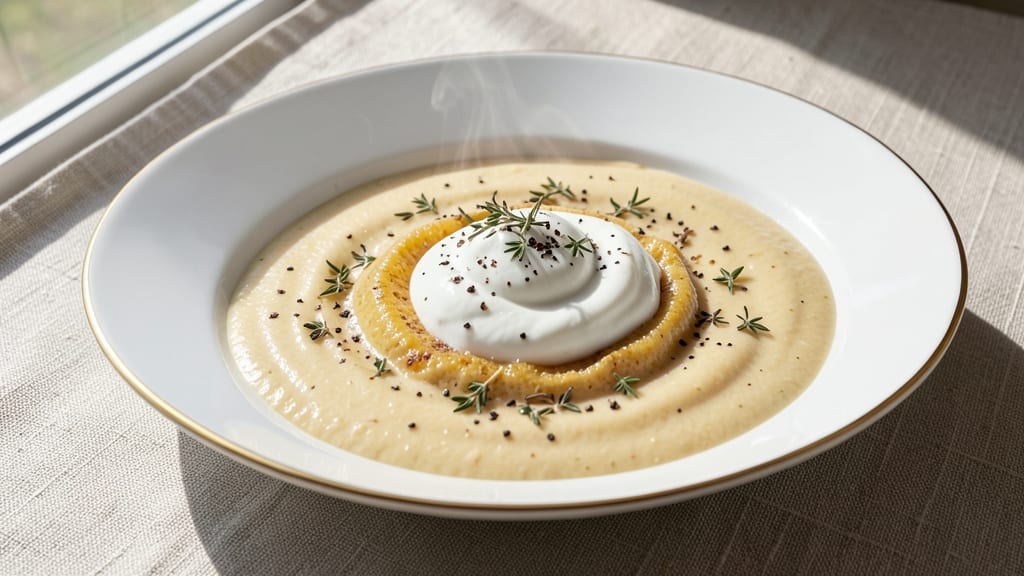
This Campbell's Cream of Chicken Gravy recipe delivers the same velvety richness you love, made from scratch in under 15 minutes with simple pantry staples. The secret lies in a proper roux—cooking flour and butter until golden creates that signature thick, smooth texture that separates homemade gravy from canned.
I developed this version after years of perfecting restaurant-quality sauces, and it's now my go-to for weeknight dinners and holiday meals alike.
The foundation of great gravy starts with equal parts butter and flour cooked until nutty brown, which forms the base for flavor development. Adding chicken broth gradually while whisking creates a silky, lump-free sauce, while a splash of heavy cream at the end adds that signature velvety finish.
This method ensures thickened velvety richness without the preservatives found in store-bought versions.
By the time you're done, you'll have a creamy, flavorful gravy that pairs perfectly with mashed potatoes, roasted chicken, or biscuits. The aroma alone transforms simple meals into something special, and the texture is impossibly smooth—no graininess or separation.
This recipe delivers professional results with minimal effort, making it perfect for both beginners and experienced cooks.
Use it immediately or store leftovers in the refrigerator for up to 5 days. For extra depth, stir in a pinch of dried thyme or parsley before serving. Let's create this gravy that tastes like it came from a restaurant kitchen.
Ingredients for campbell's cream of chicken gravy
Pantry staples transform into restaurant-quality gravy with just 9 ingredients.
| Ingredient | Amount | Notes |
|---|---|---|
| Unsalted Butter 🧈 | ½ cup | Cold, cubed for even cooking |
| All-Purpose Flour 🌾 | ½ cup | White or whole wheat blend |
| Chicken Broth 🍲 | 2 cups | Homemade or quality low-sodium |
| Heavy Cream 🥛 | ¼ cup | Full-fat for velvety finish |
| Dried Thyme 🌿 | ½ tsp | Or 1 tsp fresh thyme leaves |
| Salt 🧂 | ½ tsp | Diamond Crystal kosher preferred |
| Black Pepper 🌶️ | ¼ tsp | Freshly cracked for aroma |
| Garlic Powder 🧄 | ¼ tsp | Not garlic salt |
| Worcestershire Sauce 🍶 | 1 tbsp | For umami depth |
| Lemon Juice 🍋 | 1 tsp | Freshly squeezed |
The butter and flour are non-negotiable for that signature roux. Use European-style butter like Plugrá or Land O'Lakes for richer flavor, and grab Diamond Crystal kosher saltKing Arthur or Gold Medal brands create the smoothest texture. The chicken broth? Homemade is ideal, but store-bought works if it's low-sodium—Swanson or Pacific Foods are reliable. I always keep a carton of Pacific Foods organic chicken broth in my freezer for quick sauces like this.
No heavy cream? Half-and-half or whole milk works in a pinch, though the texture won't be quite as luxurious. Short on thyme? Dried parsley at half the amount adds brightness. The Worcestershire sauce can be swapped for soy sauce at half the quantity if you're avoiding umami. For a dairy-free version, use full-fat coconut milk instead of heavy cream—it's sweeter but adds richness. The lemon juice brightens everything, so don't skip it unless you're making a savory version for something like mashed potatoes.
This gravy thickens as it sits, so whisk constantly while adding broth to prevent lumps. Store leftovers in an airtight container in the fridge for 5 days, or freeze in ice cube trays for 3 months. Reheat gently on the stove, adding a splash of broth if it thickens too much. The flavor actually improves after resting—let it sit 10 minutes before serving for maximum depth.
Why You'll Love This Recipe
- Five-Ingredient Magic: I swear by this—just butter, flour, broth, cream, and thyme. That’s it. No fancy prep, no hidden steps, just a roux that comes together while you stir. Honestly, I’ve made gravy with more ingredients that tasted worse.
- Rich Without Effort: The heavy cream gives it that velvety finish, but the thyme? That’s the secret. A pinch of dried thyme while it simmers—earthy, warm, and it cuts through the richness. Between us, this is the kind of gravy that makes mashed potatoes feel like a five-star meal.
- Weeknight Workhorse: Drizzle it over roasted chicken, dump it on biscuits, or use it to deglaze a pan after dinner. I’ve even reheated it cold for a lazy breakfast hash—works every time. It’s the kind of recipe that saves dinner when you’re running late.
- Leftovers That Don’t Suck: Unlike store-bought gravy, this actually tastes better the next day. Thin it with a splash of milk if it thickens too much, and it’s still creamy perfection. Plus, it freezes like a dream—just reheat and serve. My go-to for busy mornings.
Step-by-step instructions for creamy homemade gravy
Here's how to craft restaurant-quality gravy with just a few simple techniques.
Melt the Butter and Whisk in the Flour
In a medium saucepan over medium heat, melt the 0.5 cup unsalted butter completely, stirring occasionally until it turns a pale golden color. I like to keep the heat moderate here—too high and the butter will brown too quickly, which can make the gravy taste bitter. Once fully melted, reduce the heat to medium-low and sprinkle in the 0.5 cup all-purpose flour all at once.
Using a whisk, stir constantly for 1-2 minutes until the mixture forms a smooth, thick paste with no flour clumps. This step is called a "roux," and it's the foundation of your gravy's thickness and richness. If you see any lumps, don't panic—just keep whisking until they disappear. This ensures your gravy will be velvety smooth rather than grainy.
Cook the Roux Until Golden
Continue whisking the roux for another 2-3 minutes until it turns a light golden color. You're aiming for what we call a "blonde roux"—not brown, not white, but somewhere in between. This color indicates the flour has cooked enough to develop flavor without burning. The mixture should smell nutty and toasty, which means it's ready for the next step.
Here's the thing—if your roux starts to darken too quickly, immediately reduce the heat to low or even remove the pan from the heat for a moment. A dark roux will give your gravy a bitter taste, so keep a close eye on it. Once it reaches that perfect light golden hue, it's time to add the chicken broth.
Gradually Add the Broth and Simmer
Slowly pour in the 2 cups chicken broth while whisking continuously to prevent lumps from forming. I like to add it in a steady stream rather than all at once—this helps create a smooth, lump-free gravy. Once all the broth is incorporated, increase the heat to medium-high and bring the mixture to a gentle boil.
After it reaches a boil, reduce the heat to medium-low and let it simmer for 5-7 minutes, stirring occasionally with a wooden spoon. You want the gravy to thicken slightly, but don't let it boil vigorously—this can cause it to separate. The goal is to develop the flavors and let the roux fully incorporate into the liquid. You'll know it's ready when it coats the back of a spoon smoothly.
Season and Finish with Cream
Remove the saucepan from heat and stir in the 0.25 cup heavy cream, the 0.5 tsp dried thyme, 0.5 tsp salt, 0.25 tsp black pepper, 0.25 tsp garlic powder, 1 tablespoon Worcestershire sauce, and 1 teaspoon lemon juice. The cream will make the gravy even richer and velvety. Taste the gravy and adjust the seasoning if needed—this is your chance to fine-tune the flavor before serving.
Return the gravy to low heat and let it simmer for another 2 minutes, stirring gently. This final step ensures all the flavors meld together perfectly. If the gravy thickens too much, you can thin it out by whisking in a splash of hot chicken broth. The result should be a luscious, creamy gravy that's perfect for drizzling over mashed potatoes, biscuits, or roasted chicken.
Pro Tips For Making Campbell'S Cream Of Chicken Gravy
- Whisk Like You Mean It: The roux is where flavor hides—or disappears. Cook the butter and flour on medium-low heat (not high) until it’s a pale golden color, stirring constantly with a whisk. I used to rush this, and the gravy always tasted flat. Take the extra 2 minutes—your taste buds will notice.
- Measure Broth Precisely: Campbell’s recipe might say “1 cup broth,” but don’t eyeball it. Use a measuring cup, not just the pot’s markings. Too little broth = gluey gravy; too much = watery. I learned this after making a batch so thin it drowned the mashed potatoes. Precision here matters.
- Temper the Cream Slowly: Warm the heavy cream separately in a small saucepan or microwave (just until steaming, not boiling) before adding it to the roux. Dumping cold cream into hot liquid? That’s how you curdle it. I’ve ruined gravy this way—trust me, it’s not worth the scramble.
- Toast the Thyme First: Crush the dried thyme between your palms or a spoon before adding it to the broth. This releases the oils and makes the flavor pop. I skipped this for years until I tasted the difference—now I toast it like I’m making a fancy sauce, even though it’s just gravy. Worth the 10 seconds.
Common mistakes when making great campbell's cream of chicken gravy
Overcooking the Roux
One of the most common mistakes is letting the roux brown too much—turning it from golden to dark brown. This happens when you don't monitor the heat closely, and it results in a bitter, almost burnt flavor in your gravy. I've seen this ruin what would have been perfect gravy.
To avoid this, keep the heat at medium-low and whisk constantly. The roux should be a light golden color, like pale toast, not the deep brown of a peanut butter sandwich. 🌡️
Adding Broth Too Quickly
Pouring the broth all at once instead of gradually is a recipe for lumps. The flour needs time to fully incorporate into the liquid to create that silky texture. I recommend adding the broth in a slow, steady stream while whisking vigorously.
If you add it too fast, you'll end up with flour clumps that turn into unsightly (and unappetizing) bits in your gravy. Think of it like making pancake batter—you want everything smooth and lump-free.
Skipping the Simmer
Many people assume that once the broth is added, the gravy is done. But letting it simmer for 5-7 minutes is crucial for developing the flavors and allowing the roux to fully thicken. If you skip this step, your gravy will taste flat and underdeveloped.
The simmer also helps the starch in the flour fully activate, which is what gives gravy its signature thickness. I promise, those extra minutes make all the difference. ⏰
Using the Wrong Kind of Butter
Not all butter is created equal when it comes to gravy. Salted butter can make your gravy taste overly salty, and low-fat or margarine won't give you that rich, velvety texture. I always use unsalted European-style butter, like Plugrá or Land O'Lakes, for the best flavor.
The higher fat content (82-86%) is what creates that luxurious mouthfeel. If you're using salted butter, reduce the added salt in the recipe by ¼ teaspoon to balance the flavors.
Ignoring the Resting Time
Gravy continues to thicken as it sits, so serving it immediately can leave it too thin. I always let my gravy rest for at least 10 minutes before serving—this gives the starches time to fully set and the flavors to meld together.
If you're in a rush, you can reheat it gently on the stove, adding a splash of broth if needed. But trust me, that extra waiting time makes a world of difference in the final texture. 💫
Over-Salting or Under-Seasoning
Seasoning gravy is all about balance. Some people add too much salt, making it inedible, while others forget to taste at all, leaving it bland. I always add the salt gradually and taste as I go. Remember, you can always add more salt, but you can't take it out.
The same goes for the other seasonings—don't be afraid to adjust the thyme, pepper, or Worcestershire sauce to your liking. Gravy should be flavorful, not just a vehicle for other dishes. 🧂
Nutrition facts
Frequently asked questions
Can I make this gravy without heavy cream?
Yes! For a lighter version, substitute the ¼ cup heavy cream with ½ cup whole milk or ¼ cup half-and-half. The texture will be slightly thinner but still creamy. For a dairy-free option, use ¼ cup full-fat coconut milk—it adds richness but has a subtle sweetness that works well. Just reduce the Worcestershire sauce by ½ teaspoon to balance flavors.
How do I fix gravy that's too thick or too thin?
For too thick gravy, whisk in 1-2 tablespoons warm chicken broth at a time until it reaches your desired consistency. For too thin gravy, simmer uncovered for 2-3 minutes to reduce it naturally. If it still needs thickening, mix 1 teaspoon cornstarch with 1 tablespoon cold water, stir into the gravy, and simmer until thickened. Always stir constantly to avoid lumps.
Can I make this gravy ahead of time?
This gravy actually tastes better the next day. Store it in an airtight container in the fridge for up to 5 days. The flavors meld and thicken further. To reheat, warm on the stove over low heat, stirring frequently, and add a splash of broth if needed. For longer storage, freeze in ice cube trays—thaw overnight in the fridge before reheating.
What's the secret to Campbell's-like flavor?
The key is the blonde roux (light golden color) and the Worcestershire sauce. The roux develops nutty depth, while the Worcestershire adds that signature umami richness. For extra authenticity, stir in ½ teaspoon onion powder or ¼ teaspoon MSG (optional). The lemon juice also brightens the sauce, mimicking the tangy notes in canned versions. Don't rush the simmering—flavor builds during those 5-7 minutes.
Can I use this gravy for other dishes besides mashed potatoes?
This versatile gravy works beautifully with roasted chicken, turkey, or ham, biscuits or dinner rolls, stuffing, or even as a dipping sauce for fries or veggies. For extra richness, drizzle over mac and cheese or grilled fish. To make it heartier for stuffing, stir in ½ cup diced celery or mushrooms during the simmering step. The creamy texture pairs well with almost any protein or starch!