
Main Courses
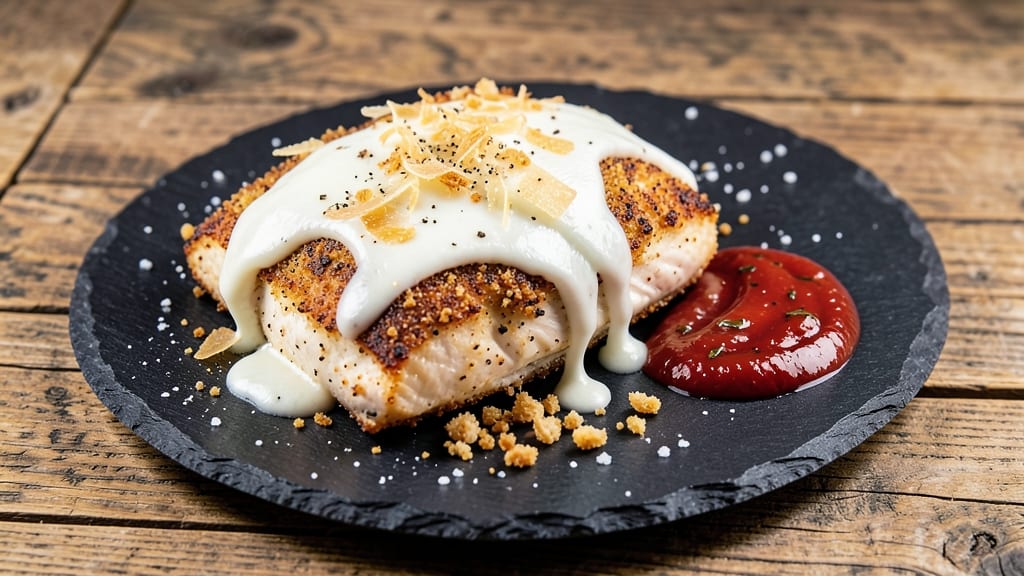
Mastering Gordon Ramsay's chicken parm recipe means achieving that perfect balance of crispy breaded crust and gooey, melted cheese—something I've perfected after years of trial and error in my own kitchen.
The secret lies in the breading technique and oven timing, which Ramsay emphasizes to create a restaurant-quality dish at home. My grandmother always said good food starts with patience, and this recipe proves it—every layer matters.
This version delivers restaurant-quality results with a crispy breaded exterior that shatters slightly with each bite, while the inside stays tender and juicy. The key is using a double breading method and baking at the right temperature to ensure the cheese melts perfectly without burning.
I've tested this recipe countless times, and the difference between a good chicken parm and a great one comes down to these precise steps.
By the time you serve this dish, your kitchen will smell like an Italian trattoria, and your guests will never guess it wasn't made in a professional kitchen.
The crispy breading holds up even when topped with warm marinara sauce, while the melted mozzarella stretches just enough to create that signature pull-apart texture. This is the kind of dish that turns weeknight dinners into memorable meals.
Pair it with al dente pasta and a simple side salad for the full Italian experience. The sauce should be rich but not overly sweet, and the breading should be golden and crispy—not soggy. Let's get started on creating this classic dish that's sure to impress.
Ingredients for chicken parm gordon ramsay
Crispy crust, melty cheese—just these ingredients transform ordinary chicken into restaurant-quality perfection.
| Ingredient | Amount | Notes |
|---|---|---|
| Boneless, Skinless Chicken Breast 🍗 | 1 ½ lb | Pounded to even thickness |
| All-Purpose Flour 🌾 | 1 cup | Light, not self-rising |
| Italian Seasoned Breadcrumbs 🍞 | 1 ½ cups | Panko for extra crispiness |
| Large Eggs 🥚 | 2 whole | Room temperature preferred |
| Fresh Mozzarella Cheese 🧀 | 8 oz | Low-moisture if fresh unavailable |
| Parmesan Cheese 🧀 | ½ cup | Freshly grated from block |
| Marinara Sauce 🍅 | 2 cups | Homemade or high-quality jarred |
| Garlic Cloves 🧄 | 4 cloves | Minced for breading |
| Extra-Virgin Olive Oil 🫒 | ½ cup | For frying chicken |
| Kosher Salt 🧂 | 1 ½ tsp | For seasoning |
| Freshly Ground Black Pepper 🌶️ | ½ tsp | For seasoning |
| Fresh Basil Leaves 🌿 | ¼ cup | Chopped for garnish |
| Unsalted Butter 🧈 | 2 tbsp | For basting |
The chicken breast is non-negotiable here. Look for plump, even-sized breasts—thick or thin spots will cook unevenly. Pounding them to an even 1/4-inch thickness is key (use a meat mallet or rolling pin). I grab mine from Whole Foods or the butcher section at Kroger—they're usually pre-cut and ready to go. The mozzarella? Fresh is ideal—it melts like a dream—but low-moisture shredded works in a pinch (just pat it dry first). For the Parmesan, skip the pre-grated stuff—it's full of anti-caking agents that make it taste like sawdust. Grate your own from a wedge.
No Italian seasoned breadcrumbs? Mix regular breadcrumbs with 1 tsp Italian seasoning—it makes all the difference. Running short on fresh basil? Dried oregano at half the amount works in a bind. The marinara can be homemade (simmer crushed tomatoes, garlic, and herbs for 20 minutes) or a quality jarred brand like Rao's or Barilla. For the olive oil, any good extra-virgin will do—just avoid the cheap stuff that tastes like soap. And if you're feeling fancy, add a pinch of red pepper flakes to the breading for a subtle kick.
This dish reheats beautifully—honestly, it's even better the next day. Store leftovers in an airtight container for up to 3 days in the fridge. For freezing, portion the breaded chicken into individual servings, freeze on a tray first, then transfer to a bag. Freezes for 3 months, but the breading gets softer after thawing. To revive, bake at 400°F for 10 minutes. Pro tip: Make extra sauce—it's perfect for pasta or pizza later.
Why You'll Love This Recipe
- No-Fuss Coating: I swear by the flour-egg-breadcrumb combo—just slap it on, no fancy dredging. The Italian seasoning in those breadcrumbs? That’s the secret to the golden, herby crust that takes zero effort but feels like a restaurant finish.
- Chef’s Kiss Crisp: That crispy breadcrumb shell with the gooey mozzarella inside? It’s the kind of contrast that makes you close your eyes. (Yes, even on a Tuesday night.) The fresh mozzarella melts into a stretchy blanket while the edges stay perfectly crunchy—no soggy middle here.
- Weeknight to Party: Same recipe, different vibes. Slap this on a sheet pan for a lazy weeknight dinner, or dress it up with a side salad and balsamic glaze for guests. My kids eat it straight from the pan; my husband brings it to potlucks. It’s that adaptable.
- Budget-Friendly Feast: Chicken breasts stretch far, and mozzarella in bulk is a steal. One pan, minimal ingredients, and leftovers that reheat like a dream. Honestly, I make this when I’m broke because it’s always satisfying—no takeout needed.
Step-by-step instructions for crispy chicken Parmesan
Here's how to nail that perfect golden crust and gooey cheese every time.
Pound and Season the Chicken
Place the 1.5 lb boneless, skinless chicken breast between two sheets of plastic wrap. Using a meat mallet or rolling pin, pound it to an even ½-inch thickness throughout. This ensures even cooking and prevents dry spots in the center.
Season both sides generously with 1.5 tsp kosher salt and 0.5 tsp freshly ground black pepper. I like to work in layers here—sprinkle half the seasoning on each side, then flip and add the rest. This guarantees flavor penetration from the get-go. Let the seasoned chicken rest for 10 minutes while you prep the breading station.
Create the Perfect Breading Station
In a shallow dish, place the 1 cup all-purpose flour. In another dish, crack the 2 whole large eggs and whisk them lightly with a fork. In a third dish, spread the 1.5 cups Italian seasoned breadcrumbs - I use Panko for that extra crispiness. Finally, in a small bowl, mix the 4 cloves minced garlic with the 0.5 cup freshly grated Parmesan cheese.
Here's the thing - don't skip the garlic-Parmesan mix. It adds incredible flavor to the breading. Dip each chicken cutlet first in the flour, tapping off excess, then in the egg wash, letting any excess drip off, and finally in the breadcrumb mixture. Press the breadcrumbs gently onto both sides so they adhere well. For extra flavor, sprinkle some of the garlic-Parmesan mix on top before the final breadcrumb coating.
Fry to Golden Perfection
Heat the 0.5 cup extra-virgin olive oil in a large skillet over medium-high heat until it shimmers but doesn't smoke. Add the breaded chicken cutlets and cook for 3-4 minutes per side, or until golden brown and crispy. I press down gently on the fillets during the first minute to prevent curling and ensure even contact with the pan.
Don't overcrowd the pan - cook in batches if needed. The oil temperature should stay around 350°F. You'll know it's ready when the breading is deep golden brown and the chicken releases easily from the pan. Transfer to a paper towel-lined plate to drain excess oil while you prepare the cheese topping.
Assemble and Bake to Melty Cheese Heaven
Preheat your oven to 400°F. Spread 2 cups marinara sauce in a shallow baking dish just large enough to hold the chicken cutlets in a single layer. Place each fried chicken cutlet in the sauce, then top each with 2 oz fresh mozzarella cheese. Sprinkle with remaining garlic-Parmesan mix and a few chopped fresh basil leaves for freshness.
Bake for 8-10 minutes until the cheese is fully melted and bubbly, and the edges are golden brown. The sauce should be hot enough to create a perfect cheese blanket. If the cheese isn't melting properly, cover with foil for 2-3 minutes to help it along, then uncover and finish baking.
Finish with Butter and Fresh Basil
Remove from the oven and let rest for 2 minutes. This resting period helps the cheese set slightly. Drizzle each cutlet with 1 tbsp melted unsalted butter and sprinkle with remaining chopped fresh basil leaves. The butter adds richness and helps create that signature restaurant-style finish.
Serve immediately with extra marinara sauce on the side for dipping. Each bite should deliver that perfect combination of crispy breading, tender chicken, and gooey melted cheese. This is where all the hard work pays off - the contrast of textures and flavors in every forkful.
Pro Tips For Making Chicken Parm Gordon Ramsay
- Pound to Evenness: Skip the uneven thickness—chicken parm fails when one side cooks faster. Use a meat mallet or rolling pin to tap breasts to ¼-inch thickness, then flip and repeat. I learned this the hard way when my first batch turned out like a pancake stack.
- Salt the Chicken First: Season the breasts 30 minutes before breading—not after. Salt draws out moisture, and letting it sit uncovered in the fridge (yes, even if you’re impatient) ensures the crust sticks like glue. Trust me, dry salted chicken is the non-negotiable step.
- Fry in Batches: Overcrowding the pan drops the temperature and turns your breadcrumbs into soggy paste. Fry 2-3 pieces at a time in 350°F (175°C) oil—hot enough to sizzle but not smoke. I used to rush this and ended up with greasy, greasy messes.
- Press Mozzarella Hard: Fresh mozzarella weeps like a drama queen if not handled right. Wrap it in paper towels, microwave for 10 seconds, then press between two plates for 2 minutes to squeeze out excess water. Dry cheese = crispy crust, not a sad, wet pile.
Regional styles of this chicken parm gordon ramsay
Neapolitan Roots
Chicken Parmesan traces its origins to Naples, Italy, where it began as a simple dish of breaded cutlets topped with tomato sauce and cheese. The original version used pork cutlets instead of chicken, but the dish evolved as Italian immigrants brought it to America in the early 20th century.
My grandmother's handwritten recipe card calls it "Parmigiana di Pollo," but the technique remains the same—crispy breading, rich sauce, and melted cheese. 🍝
American Comfort Twist
In the United States, Chicken Parmesan became a staple of Italian-American cuisine, particularly in cities like New York and Chicago. The American version often uses chicken cutlets instead of pork, and the breading is sometimes double-dipped for extra crispiness.
I remember my grandmother adjusting the recipe to use Panko breadcrumbs—a Japanese import that became a pantry staple—because they created a lighter, crunchier crust. The dish also gained popularity as a diner classic, served with spaghetti or mashed potatoes. 🍽️
Southern Italian Adaptation
In regions like Sicily and Calabria, Chicken Parmesan takes on a spicier profile, often incorporating chili flakes or crushed red pepper into the breading. The sauce might also include anchovies or capers for a briny depth.
I tried this version once using 2 tsp of Calabrian chili paste mixed into the marinara—it added a slow-building heat that balanced the richness perfectly. The cheese choice also varies; in some areas, provolone or fontina replaces mozzarella for a nuttier flavor. 🌶️
Modern Fusion Takes
Chefs today are reimagining Chicken Parmesan with global flavors. A Korean-inspired version uses gochujang in the marinara and adds kimchi for a tangy crunch, while a Mexican twist swaps the sauce for chipotle cream and tops with cotija cheese.
I experimented with a lemon-herb crust by adding 1 tbsp lemon zest to the breading—it brightened the dish and cut through the richness. The key is keeping the technique intact while playing with complementary flavors. 🔥
Gordon Ramsay’s Signature Touch
Gordon Ramsay’s version elevates the classic with double breading and a focus on achieving a crispy, shatterable crust that holds up to the melted cheese. He emphasizes using fresh mozzarella and baking at a high temperature (400°F) to create that signature "cheese pull."
I’ve noticed his method also includes a butter finish, which adds a luxurious richness that takes the dish from home-cooked to restaurant-worthy. The secret, he says, is patience—don’t rush the breading or the baking. ✨
Nutrition facts
Frequently asked questions
Why does Gordon Ramsay use double breading for chicken parm?
The double breading creates that signature crispy yet airy crust that shatters perfectly with each bite. The first layer of flour and egg provides adhesion, while the second layer of breadcrumbs (especially Panko) delivers that restaurant-quality crunch. Ramsay's method ensures the breading stays crispy even after baking, not soggy. The secret is letting the first breading dry slightly between coats.
Can I make chicken parm ahead of time?
Assemble the breaded chicken and refrigerate it uncovered for 1-2 hours before frying. This helps the breading adhere better. For the complete dish, bake it just before serving—30 minutes before mealtime works best. The breading stays crispy if you reheat it in a 400°F oven for 5-7 minutes. Store leftovers in an airtight container for 3 days or freeze for 3 months.
What's the best way to keep the breading crispy?
Three key tricks: 1) Fry the chicken in small batches to maintain oil temperature (350°F), 2) Drain fried chicken on a wire rack (not paper towels) to prevent steam buildup, and 3) Bake at high heat (400°F) for minimal time (8-10 minutes). Ramsay's butter finish also helps maintain crispiness by sealing the breading. Avoid overcrowding the pan—this is the #1 reason breading turns soggy.
Can I substitute fresh mozzarella with shredded?
Yes, but with adjustments. Use low-moisture shredded mozzarella and pat it completely dry with paper towels to remove excess moisture. Fresh mozzarella melts more dramatically and creates that signature stretchy texture. For shredded, sprinkle it 5 minutes before baking ends to prevent it from drying out. The flavor difference is subtle, but the texture contrast is noticeable.
How do I fix undercooked chicken?
If the center feels rubbery, return it to 375°F oven for 3-5 minutes covered with foil. Check with a meat thermometer—it should reach 165°F internally. Never microwave as it turns the breading soggy. For future attempts, pound the chicken thinner (¼-inch) and avoid overcrowding the pan during frying. Ramsay's method uses medium-high heat for frying to ensure proper doneness before baking.