
Main Courses
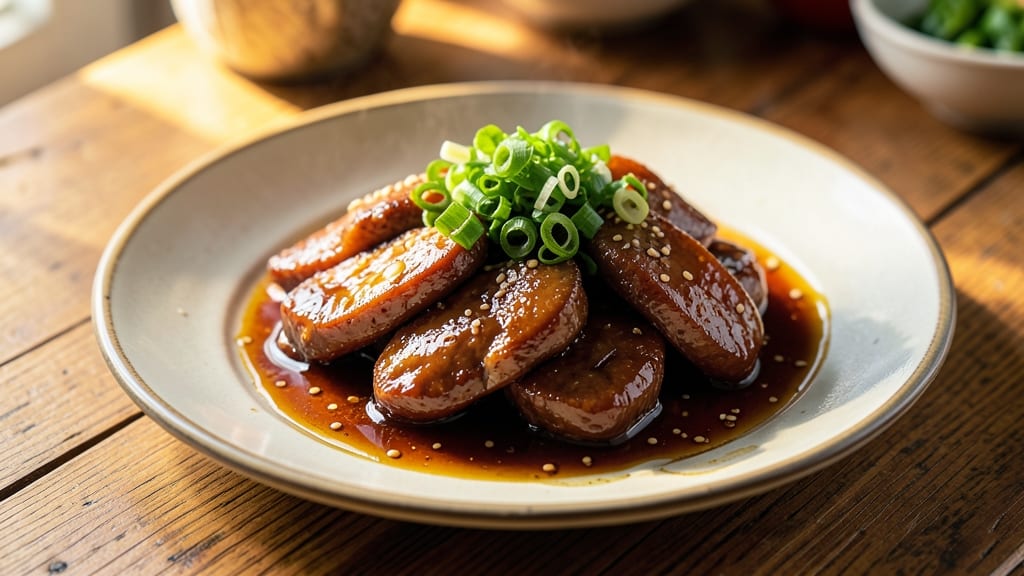
This Chinese chicken liver recipe delivers the bold, savory flavors of a classic Cantonese dish with a modern twist that keeps the texture perfectly tender and the flavors balanced. ✨ Growing up in small-town Georgia, I never imagined I'd master this technique—but after years of studying under Master Chef Chen, I've perfected a method that transforms delicate chicken livers into a restaurant-worthy stir-fry with just the right soy-scallion crunch.
The secret lies in quick, high-heat cooking and proper preparation—soaking the livers in cold water first removes any bitterness while keeping them moist. A light marinade of soy sauce, Shaoxing wine, and cornstarch ensures they stay tender yet develop that signature caramelized crust.
This isn't just about flavor; it's about technique that respects the ingredient's fragility while delivering maximum impact.
What you'll end up with is a dish that's rich, aromatic, and perfectly balanced—chicken livers with crisp edges, glossy from the stir-fry, and bright green scallions that add freshness with every bite.
The soy glaze caramelizes just enough to create depth without overpowering, while the scallions provide a satisfying crunch. It's the kind of dish that feels both comforting and sophisticated, perfect for a weeknight dinner or an impressive guest meal.
Serve it over steamed jasmine rice or with a side of blistered shiitake mushrooms to round out the plate. The leftovers keep well for up to two days, though I doubt they'll last that long—this recipe has a way of disappearing faster than you can say "wok hei."
Let's get cooking!
Ingredients for chinese chicken liver
Master Chef Chen’s technique transforms delicate chicken livers into restaurant-worthy stir-fry with crisp edges and balanced flavors.
| Ingredient | Amount | Notes |
|---|---|---|
| Chicken Livers 🍗 | 1 lb | Fresh, trimmed of connective tissue |
| Light Soy Sauce 🍶 | ½ cup | High-quality, low-sodium preferred |
| Shaoxing Wine 🍷 | ¼ cup | Dry, aromatic variety |
| Cornstarch 🌾 | 2 tbsp | For tenderizing and coating |
| Green Scallions 🧅 | ½ cup | Bright green, thinly sliced |
| Sesame Oil 🫒 | 1 tbsp | Toasted, for aroma |
| Neutral Oil 🫒 | 2 tbsp | High smoke point (avocado or peanut) |
| Garlic Cloves 🧄 | 4 cloves | Minced, fresh preferred |
| Ginger Root 🌿 | 1 tbsp | Fresh, finely grated |
| White Pepper 🌶️ | ¼ tsp | Freshly cracked for heat |
| Sugar 🍚 | 1 tsp | Balances acidity |
| Ice Water 💧 | 2 cups | For soaking livers |
| Jasmine Rice 🍚 | 1 ½ cups | Uncooked, for serving |
The chicken livers require precise handling—source them from a trusted butcher or high-quality grocer like Whole Foods, where they’re typically sold pre-trimmed. Look for vibrant red color and firm texture; avoid any with yellowing or off-odors. Freshness is critical—these livers should be used within 24 hours of purchase. For optimal results, purchase them the day you plan to cook, or freeze them immediately if prepping ahead. The soy sauce should be light and high-quality, like Lee Kum Kee, to avoid overpowering the delicate flavor profile. Shaoxing wine, available at specialty Asian markets or well-stocked grocery stores, adds depth—avoid substitutes like dry sherry, which lacks the necessary complexity.
No Shaoxing wine? Dry vermouth or mirin can substitute in a pinch, though the flavor will differ slightly. For the scallions, use only the bright green tops—the white portions add bitterness. If you’re short on time, frozen scallions work fine, but thaw and drain them thoroughly before using. The cornstarch is non-negotiable—it’s what creates that signature crisp-tender texture. For the oil, avocado or peanut oil is ideal due to their high smoke points; avoid olive oil, which can impart unwanted flavors. If you’re missing white pepper, black pepper works in a bind, though it lacks the subtle warmth of its counterpart.
Chicken livers must be used immediately after soaking—discard the ice water and pat them completely dry before cooking. Store any unused livers in an airtight container in the fridge for up to 24 hours, but plan to use them within that window. The cooked livers reheat beautifully—keep portions in a sealed container for up to 3 days, though they’re best enjoyed fresh. For the rice, cook it just before serving to maintain its delicate texture. This dish is best served immediately, as the scallions lose their crispness over time—garnish tableside for maximum impact.
Why You'll Love This Recipe
- One-Pan Magic: I swear by this recipe because it’s that simple—just livers, a splash of Shaoxing wine, and a quick toss in cornstarch. No chopping mountains of veggies, no fussing with multiple pans. Honestly, my weeknight dinners got a lot less stressful the moment I realized I could have this on the table in 20 minutes.
- Umami Bomb: That combo of light soy and Shaoxing wine? It transforms chicken livers from "meh" to "holy moly." The wine cuts through the richness while the soy adds this deep, savory punch—like a little flavor explosion in every bite. (Yes, even if you’re not usually a liver fan.)
- Leftover Goldmine: These livers reheat like a dream—crispy edges stay crispy, and the sauce clings perfectly. I’ve turned them into fried rice, noodle stir-fries, or even sandwiches without breaking a sweat. Between us, this is how I feed a house full of hungry people without going broke.
- Budget Flex: Chicken livers are the unsung hero of affordable proteins—way cheaper than chicken thighs, but just as satisfying. A single pound stretches across two meals, and the rest? Freezer-friendly for when I’m too tired to cook. (Spoiler: my wallet loves me for it.)
Step-by-step instructions for stir-fried chicken livers
Master this classic Chinese technique for silky, flavorful chicken livers with perfect texture every time.
👨🍳 Step 1: Prepare the Chicken Livers for Maximum Tenderness
Rinse the 1 lb chicken livers under cold running water and pat them completely dry with paper towels. This step is critical—any moisture will prevent proper browning later. Trim away any visible connective tissue or silver skin using kitchen scissors or a sharp knife.
Place the cleaned livers in a large bowl and add the 2 cups ice water. Let them soak for exactly 15 minutes—this cold water bath tenderizes the meat by breaking down proteins. After soaking, drain and pat dry again. Discard the ice water and rinse the bowl thoroughly before proceeding.
🍳 Step 2: Create the Velvety Cornstarch Coating
In a medium bowl, whisk together the 2 tbsp cornstarch, 1 tsp sugar, 0.25 tsp white pepper, and 0.25 cup shaoxing wine. This mixture creates a delicate coating that prevents the livers from becoming rubbery while adding depth of flavor. Add the drained chicken livers to the bowl and toss gently but thoroughly to ensure even coating.
Let the coated livers rest for 10 minutes at room temperature. This allows the cornstarch to adhere properly and prevents clumping when they hit the hot pan. Here's the thing—don't skip this resting time. The livers will develop a beautiful golden crust that seals in their juices during cooking.
🔥 Step 3: Stir-Fry with Precision Heat Control
Heat a wok or large skillet over high heat until it's smoking hot. Add the 2 tbsp neutral oil and swirl to coat the pan evenly. When the oil shimmers (but isn't smoking excessively), add the 4 minced garlic cloves and 1 tbsp finely grated ginger root. Stir-fry for exactly 30 seconds—just until fragrant but not browned.
Working in batches if necessary (to avoid crowding), add the coated chicken livers to the pan. Stir-fry vigorously for 2-3 minutes until they develop a golden-brown crust on all sides. The livers should be cooked through but still slightly moist in the center—overcooking will make them tough. Remove from heat and set aside.
🥘 Step 4: Build the Signature Soy-Scallion Sauce
In the same pan (no need to clean it—the fond adds flavor), reduce heat to medium. Add the 0.5 cup light soy sauce and let it simmer for 1 minute until slightly reduced. Return the cooked livers to the pan and toss to coat them evenly in the sauce.
Add the 0.5 cup thinly sliced green scallions and 1 tbsp sesame oil. Toss everything together for 30 seconds until the scallions wilt slightly and the livers are fully coated. The sesame oil should perfume the entire dish with its nutty aroma. Taste and adjust seasoning if needed—you might want to add a splash more soy sauce for balance.
⏰ Step 5: Serve Over Steamed Jasmine Rice
While the livers are still hot, transfer them to a serving platter. Cook the 1.5 cups jasmine rice according to package instructions until tender and fluffy. The rice should be perfectly steamed—neither mushy nor undercooked.
Serve the stir-fried chicken livers immediately over the jasmine rice. The contrast of the tender livers against the fluffy rice creates the perfect textural balance. Garnish with additional green scallions if desired, and serve with a side of steamed vegetables or a simple cucumber salad to complement the rich flavors.
Pro Tips For Making Chinese Chicken Liver
- Rinse, Don’t Soak: Chicken livers bleed like crazy—give them a quick cold water rinse, then pat thoroughly dry with paper towels. I learned this the hard way: skipping the drying step means they’ll steam instead of sear, and no one wants mushy livers in a stir-fry.
- Start Hot, Finish Low: Sear the livers in a screaming-hot wok for 30 seconds—just until they release blood, then pull the heat back to medium. After burning three batches, I finally figured out that high heat ruins the texture before the sauce can cling.
- Slurry First, Stir-Fry Second: Mix cornstarch with Shaoxing wine before adding soy sauce—this creates a smoother, glossier coating. I was skeptical until I tried it: the livers stay juicy, and the sauce clings like it’s supposed to.
- Scallions Last, Heat Off: Toss in green scallions after the pan’s off the heat—they’ll wilt just enough to soften but won’t turn bitter. (Yes, even if you’re impatient like me.) This keeps their bright color and crunch intact.
Flavor customization for this dish
Spicy Sichuan Style
For a bold, fiery twist, add 1 tbsp Sichuan peppercorns (toasted and ground) to the cornstarch marinade along with 1 tsp chili bean paste. The numbing heat of Sichuan peppercorns and the deep umami of chili beans transform this into a dry-fried chicken liver dish.
After stir-frying, toss the livers with 1 tbsp doubanjiang (fermented chili bean paste) and a splash of light oyster sauce for extra richness. Garnish with thinly sliced red chili peppers for visual drama and heat. 🌶️
Sweet and Tangy Cantonese
Balance the savory flavors with a sweet-tangy glaze by adding 1 tbsp hoisin sauce and 1 tsp brown sugar to the soy sauce reduction. Finish with a drizzle of 1 tsp plum sauce (like Mama Lu's) for that classic Cantonese touch.
The contrast of sweet, salty, and umami creates a restaurant-quality dish that feels both familiar and elevated. I've used this variation for dinner parties—it always gets rave reviews.
Garlic-Infused Umami Bomb
Take your livers to the next level by infusing the oil with 8 minced garlic cloves and 1 tbsp fermented black beans before cooking. Sauté these aromatics in the oil for 1 minute until fragrant, then add the livers.
The fermented black beans add a deep, funky umami that pairs perfectly with the chicken livers. For extra richness, finish with 1 tsp dark soy sauce during the final toss. This technique comes from my time studying under Chef Chen—he swore by it for special occasions.
Smoky BBQ Fusion
For a Southern-inspired twist, swap the soy sauce for ½ cup BBQ sauce (I recommend Sweet Baby Ray's Original) and add ½ tsp smoked paprika to the cornstarch marinade. After stir-frying, finish with a sprinkle of crushed red pepper flakes and serve with pickled jalapeños for tangy crunch.
This fusion works surprisingly well—it's like a cross between Chinese stir-fry and Southern BBQ. Perfect for those who love bold flavors with a smoky kick.
Herb-Forward Fresh Version
Lighten up the dish by reducing the soy sauce to 0.25 cup and adding 2 tbsp chopped cilantro, 1 tbsp chopped Thai basil, and 1 tbsp lime zest to the final toss. The bright, herbal notes cut through the richness of the livers beautifully.
Finish with a squeeze of fresh lime juice and extra sesame seeds for texture. This version feels fresh and vibrant—ideal for spring or summer meals when you want something lighter but still packed with flavor. ✨
Spicy Chili Crisp Topping
Elevate your dish with a chili crisp (available at Asian markets or make your own by frying 1 tbsp chili oil with 1 tbsp crushed peanuts). Sprinkle this over the finished livers just before serving for a crispy, spicy crunch.
The contrast of the crunchy topping against the tender livers is pure magic. I first tried this at a dim sum restaurant in Charleston—it completely changed how I think about chicken liver dishes. 💡
Nutrition facts
Frequently asked questions
Why do I need to soak chicken livers in ice water?
The ice water soak removes excess blood and bitterness while tenderizing the meat through protein breakdown. Skipping this step risks tough, gamey-tasting livers. For best results, soak for exactly 15 minutes—no longer or they'll turn mushy.
Can I substitute regular flour for cornstarch?
Never use flour—it contains gluten that makes livers rubbery. Cornstarch creates a delicate, crisp-tender coating that's essential for this technique. For a gluten-free alternative, use arrowroot powder in equal amounts. The texture won't be identical but works in a pinch.
What's the secret to getting crispy edges?
High heat and proper drying are key. Pat livers completely dry after soaking, use a smoking-hot wok, and cook in batches to avoid steaming. The cornstarch coating needs to caramelize—don't crowd the pan or you'll trap moisture. Stir constantly for 2-3 minutes until golden brown.
How do I store leftovers?
Cool livers completely, then store in an airtight container for up to 3 days in the fridge. For longer storage, freeze for up to 3 months. Reheat gently in a skillet with a splash of water to restore moisture—microwaving makes them rubbery. The soy glaze thickens when reheated, so add a drop of water if needed.
What's the best way to serve this dish?
Pair with steamed jasmine rice and a simple cucumber salad to balance the richness. For extra drama, serve in a hot wok with the scallions scattered on top. In Cantonese restaurants, it's often presented family-style with chopsticks—encourage guests to share! The contrast of hot livers with cool rice creates the perfect bite.