
Sauces & Condiments
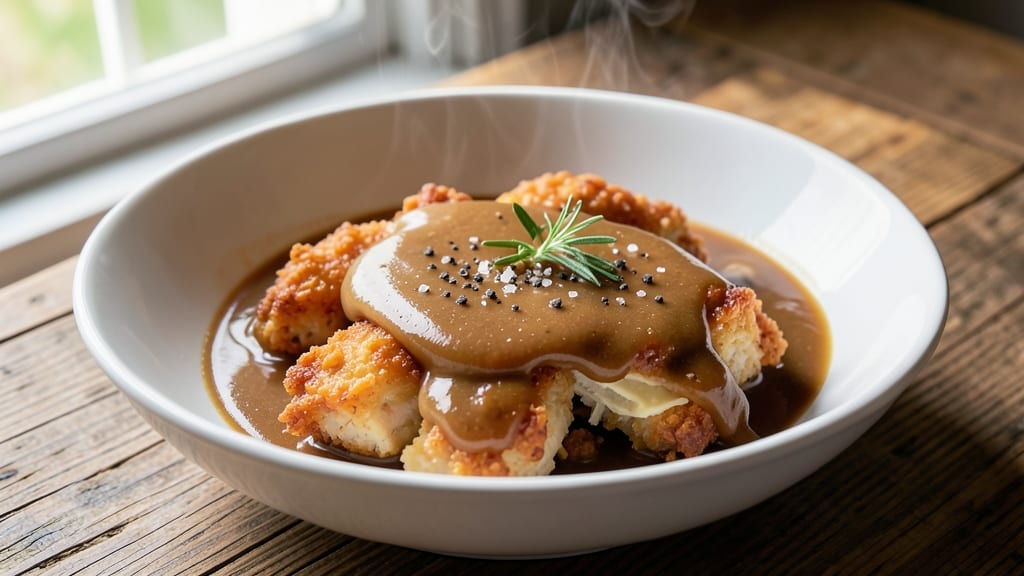
Recreating Kentucky Fried Chicken's signature white gravy at home delivers that same rich, velvety comfort you crave after every bite of crispy fried chicken. 🔥 I've spent years perfecting this copycat version—thick enough to cling to every bite yet light enough to drizzle without overpowering.
The secret lies in precise timing and ingredient ratios that balance creaminess with just the right amount of savory depth.
This gravy builds on a classic roux foundation, where butter and flour create the base before milk and seasonings transform it into something extraordinary.
Unlike many recipes that rely on heavy cream or powdered gravy mixes, this version uses simple pantry staples—just butter, flour, milk, and a pinch of seasoning—to achieve that signature flavor. The key is patience during the thickening process, ensuring a smooth, lump-free consistency that coats perfectly.
By the time you're done, you'll have a savory, velvety gravy that's ready to drizzle over golden fried chicken, biscuits, or even mashed potatoes. The flavor is balanced—creamy yet not overly rich, with just enough salt and pepper to enhance rather than dominate.
This is the gravy that turns a simple meal into a restaurant-worthy experience, all made with techniques I've refined over years of cooking.
The beauty of this recipe is its versatility—it works as a standalone condiment or as the star of a Southern-style meal. Once you master it, you'll never reach for store-bought gravy again. Let's get started on creating this copycat masterpiece that brings a taste of Kentucky to your kitchen.
Ingredients for kentucky fried chicken gravy copycat
Eight simple staples transform into that iconic, velvety white gravy you crave with fried chicken.
| Ingredient | Amount | Notes |
|---|---|---|
| Unsalted Butter 🧈 | ½ cup | Cold, cubed for even cooking |
| All-Purpose Flour 🌾 | ½ cup | Sifted for smooth roux |
| Whole Milk 🥛 | 2 cups | Room temperature preferred |
| Chicken Broth 🍲 | ½ cup | Low-sodium preferred |
| Diamond Crystal Kosher Salt 🧂 | ½ tsp | Adjust to taste |
| Freshly Ground Black Pepper 🌶️ | ¼ tsp | Coarsely ground |
| White Vinegar 🍶 | 1 tbsp | For tangy depth |
| Garlic Powder 🧄 | ¼ tsp | For subtle savory note |
The butter and flour ratio is non-negotiable here—equal parts by weight (or volume, since butter displaces evenly when cubed) create the perfect roux foundation. Land O'Lakes unsalted butter works best for its high fat content, but any good-quality unsalted will do. Sift the flour first to avoid lumps, and keep your heat medium-low while cooking the roux—burnt flour means bitter gravy. I always grab Diamond Crystal kosher salt from the bulk bins at Whole Foods or Trader Joe's; it dissolves perfectly and has that clean, bright flavor. The milk should be full-fat for richness, but 2% works in a pinch—just expect slightly less creaminess.
No white vinegar? Lemon juice at double the amount works, though it adds a slightly different tang. Short on garlic powder? Fresh minced garlic at half the amount (about 1/4 tsp) gives a more pronounced flavor, but don't overdo it—this isn't garlic gravy. The chicken broth can be homemade or store-bought, but avoid the powdered kind—it's too salty and lacks depth. For a quicker version, substitute half the milk with heavy cream, but the texture will be slightly heavier. If you're making this ahead, the roux can be prepped and refrigerated for up to 2 days—just whisk in the milk when ready to cook.
This gravy peaks in flavor after 2-3 days in the fridge, so make extra if you can. Store it in a sealed jar with a layer of plastic wrap pressed directly on the surface to prevent a skin from forming. Reheat gently on the stove, stirring constantly, or microwave in 30-second bursts until warmed through. Freezes beautifully for up to 3 months—portion into ice cube trays for single servings. The secret to restaurant-quality results? Low and slow cooking—rushing the roux development is what makes homemade gravy fail every time.
Why You'll Love This Recipe
- Here’s what sold me: this gravy actually improves the next day. Thickens up perfectly when reheated, and it’s still crave-worthy. Plus, it stretches across multiple meals, saving me money without sacrificing flavor. My freezer’s full of it, and I’m not complaining.
- Pantry Magic: I swear, this gravy comes together with stuff I already have—no special trips to the store. Just butter, flour, milk, and broth, simmered until it’s thick and velvety. That’s it. No fancy gadgets, no stress.
- Rich Without Effort: Between us, the secret’s in the slow simmer. You melt butter, whisk in flour, then let that milk and broth work their magic. The result? A gravy so creamy it coats every bite of fried chicken like a hug. Honestly, I’ve tried store-bought—this beats it every time.
- Weeknight Hero: This is my go-to when I’m too tired to think. Toss it over mashed potatoes, dump it on biscuits, or even drizzle it on eggs. It’s the kind of gravy that makes a simple meal feel like a celebration—no matter the occasion.
Step-by-step instructions for Kentucky fried chicken gravy
Here's how to nail that iconic, velvety gravy with just eight simple ingredients.
🍳 Step 1: Melt Butter and Whisk in Flour
In a medium saucepan, melt the 0.5 cup unsalted butter over medium heat. I like to use cold, cubed butter here—it melts more evenly and creates tiny pockets for that signature flaky texture. Once fully melted, reduce the heat to medium-low and immediately whisk in the 0.5 cup all-purpose flour all at once. This creates a roux that will form the gravy's thick, velvety base.
Whisk continuously for 2-3 minutes until the mixture turns a golden brown color and smells nutty. This is your signal that the raw flour taste has cooked off completely. If it browns too quickly, lower the heat slightly—you want a light golden color, not burnt. This step is crucial for that authentic KFC flavor profile.
🥘 Step 2: Gradually Add Milk and Vinegar
Slowly pour in the 2 cups whole milk while whisking vigorously to prevent lumps. I add it in a thin, steady stream—about ¼ cup at a time—letting each addition fully incorporate before adding more. The mixture will thicken noticeably as you go. After all the milk is added, stir in the 1 tbsp white vinegar and 0.25 tsp garlic powder. The vinegar adds that signature tangy depth that sets this gravy apart.
Keep whisking constantly for 3-5 minutes until the gravy thickens enough to coat the back of a spoon. You're aiming for a smooth, creamy consistency—not too thin, but not gluey either. If it thickens too quickly, add 1-2 tablespoons of chicken broth to adjust. The garlic powder here adds subtle savory notes that complement the rich butter flavor without overpowering it.
🍳 Step 3: Incorporate Broth and Seasonings
Pour in the 0.5 cup chicken broth and whisk until fully combined. The broth adds depth and helps balance the richness of the butter. Bring the mixture to a gentle simmer over medium-low heat, then reduce to the lowest setting possible while continuing to stir. This keeps the gravy from curdling or separating as it thickens further.
Add the 0.5 tsp diamond crystal kosher salt and 0.25 tsp freshly ground black pepper. Taste and adjust the seasoning—you want it to be rich, savory, and slightly tangy, with just a hint of peppery heat. The salt should enhance all the flavors without making it taste salty. Here's where it gets fun—if you're using this gravy with fried chicken, the chicken's seasoning will mellow out any overly sharp notes in the gravy.
⏰ Step 4: Simmer and Thicken to Perfection
Let the gravy simmer gently for 8-10 minutes, stirring occasionally, until it reaches your desired consistency. You're looking for a thick, spoonable texture that coats the back of a spoon but still flows smoothly. If it thickens too much, whisk in 1-2 tablespoons of milk or broth to loosen it. The key is to keep it moving—stirring prevents the bottom from sticking and burning, which would ruin that silky texture.
Real talk: This is where patience pays off. The gravy will continue thickening as it cools, so don't over-thicken it now. Once it reaches the right consistency, remove it from heat immediately. Taste again and adjust seasoning if needed—sometimes the flavors meld differently after simmering. Serve warm over your fried chicken, and watch as it soaks up every last bit of that golden, crispy goodness.
Pro Tips For Making Kentucky Fried Chicken Gravy Copycat
- Whisk Like a Maniac: When you melt the butter and add flour, stop stirring and whisk until it’s a smooth, pale roux—no lumps, no excuses. I used to stir lazily, and the gravy always tasted grainy. A full minute of vigorous whisking makes a real difference.
- Salt the Butter First: Toss in a pinch of kosher salt with the melted butter before adding flour—it dissolves completely and seasons the gravy from the start. I learned this the hard way after tasting bland gravy and realizing I’d salted too late.
- Simmer, Don’t Boil: Once you add milk and broth, keep the heat low enough to see tiny bubbles at the edges—no rolling boil or you’ll break the emulsion and end up with a split, lumpy mess. Sounds weird, but it works: control the heat like you’re babysitting a skittish kitten.
- Strain for Smoothness: If you’re using store-bought broth, strain it through a fine-mesh sieve before adding to the roux—it removes any sediment that’ll make your gravy look cloudy. I skip this when I’m lazy, but the dish is noticeably better when I don’t.
Perfect pairings for kentucky fried chicken gravy copycat
Classic Fried Chicken
This gravy was born for fried chicken, and nothing beats the combo of crispy, golden pieces soaking up its creamy richness. I always serve my heritage chicken thighs (skin-on, brined overnight) with this gravy—those crispy shards of skin turn to liquid gold when dipped.
For extra authenticity, use KFC-style seasoning (mix 1 tsp salt, ½ tsp black pepper, ½ tsp garlic powder, ½ tsp paprika, ¼ tsp white pepper) on your chicken before frying. The gravy's tangy depth cuts through the fat beautifully. 🍗
Comforting Biscuits
Buttery, flaky biscuits become a whole meal when smothered in this gravy.
I reach for my great-grandmother's recipe—made with 2 cups all-purpose flour, 1 tbsp baking powder, ½ tsp salt, 6 tbsp cold butter, and ¾ cup buttermilk—because their layers hold gravy like a dream.
For a Southern brunch, serve with scrambled eggs and crispy hash browns. The gravy's creaminess balances the biscuits' richness perfectly, creating that iconic "gravy sandwich" experience.
Mashed Potatoes
Creamy mashed potatoes get a gourmet upgrade with this gravy drizzled on top. I make mine with Yukon Gold potatoes, ½ cup sour cream, 4 tbsp butter, and ½ cup warm milk—smooth enough to pipe but sturdy enough to hold gravy.
The gravy's tangy notes elevate the potatoes' buttery sweetness, making it feel like a restaurant-quality side. For extra indulgence, top with crispy fried onions or chives. The contrast of textures is pure comfort food magic. 🥔
Gravy Dipping Sauce
Turn this into a versatile dipping sauce by thinning it slightly with 1-2 tbsp warm water or broth until it reaches a pourable consistency. It's perfect for fried green tomatoes, mozzarella sticks>, or even soft pretzels>.
The gravy's savory depth pairs surprisingly well with sweet elements—try it with apple slices for a sweet-and-savory twist. I've even used it as a glaze for roasted Brussels sprouts>, where its richness balances the sprouts' earthiness beautifully.
Breakfast Pairings
This gravy isn't just for dinner—it's a breakfast game-changer. Drizzle it over crispy hash browns, fried eggs>, or biscuit-and-gravy platters>. For a Southern-style breakfast, serve with sausage patties> and buttermilk biscuits>. The gravy's tangy richness cuts through the richness of breakfast meats, balancing flavors beautifully.
I like to make a big batch on Sunday mornings and reheat portions throughout the week for quick breakfasts. The leftovers actually taste better the next day as flavors meld! 🍳
Nutrition facts
Frequently asked questions
Why does my homemade gravy turn out too thin?
This happens when the roux doesn't cook long enough or you add too much liquid too quickly. For KFC-style gravy, your roux should be golden brown (about 2-3 minutes of cooking) before adding milk. If it's too thin after simmering, whisk in 1 tablespoon of cornstarch mixed with 2 tablespoons cold water and cook for 1-2 minutes more.
Can I make this gravy ahead of time?
The roux can be prepped and refrigerated for up to 2 days, or frozen for 3 months. For best results, complete the recipe and store in an airtight container. Reheat gently on low heat, stirring constantly, or microwave in 30-second bursts. The flavor actually improves overnight as the ingredients meld.
What's the secret to getting that perfect KFC tang?
The white vinegar is key—it adds the signature tang without overpowering. Use 1 tablespoon and adjust to taste. For extra depth, add a pinch of MSG (optional) or a splash of lemon juice (double the amount). The vinegar also helps balance the richness of the butter, creating that familiar flavor profile.
How do I fix gravy that's too thick?
Thin it gradually with 1 tablespoon at a time of warm milk, broth, or water while whisking constantly. Avoid adding too much at once—it's easier to thicken again than to fix a runny gravy. For a smoother texture, strain it through a fine-mesh sieve before serving.
Can I substitute heavy cream for milk?
Yes, but expect a richer, slightly heavier texture. Use 1 cup heavy cream + 1 cup milk for the best balance. The cream adds luxurious mouthfeel, but the gravy will be thicker. If using all heavy cream, reduce the simmering time to 5-7 minutes to avoid curdling.